Why Kit Homes are Revolutionising the Australian Property Market
In an era where housing affordability is a constant headline and the 'Australian Dream' feels increasingly out of reach for many, a traditional alternative is making a massive comeback: the kit home. Specifically, steel frame kit homes have emerged as the gold standard for owner-builders and savvy homeowners across the country.
Whether you are looking to build a secluded bush retreat, a secondary dwelling (granny flat) for rental income, or a spacious family residence on a rural block, kit homes offer a level of flexibility and cost-control that traditional turnkey builds simply cannot match. In this comprehensive guide, we will explore why steel is the superior choice for the Australian climate and provide a step-by-step roadmap for your building journey.
The Strength of Steel: Why It’s the Superior Choice
While timber has been the traditional backbone of Australian housing, steel frame construction has taken the lead in the kit home industry. But why? The reasons are rooted in the unique challenges of the Australian environment.
1. Termite Proof and Pest Resistant
Australia is home to some of the most aggressive termite species in the world. A timber frame is essentially a buffet for these pests, requiring constant chemical treatments and vigilant inspections. Steel, however, is naturally 100% termite-proof. Choosing a steel frame kit home provides peace of mind and saves thousands of dollars in long-term pest management costs.
2. Fire Resistance and Safety
With many kit homes being built in regional or peri-urban areas, Bushfire Attack Level (BAL) ratings are a critical consideration. Steel is non-combustible. While no home is completely fire-proof, a steel frame will not contribute fuel to a fire, providing a vital layer of structural integrity during extreme conditions.
3. Precision Engineering and Durability
Modern steel frames are manufactured using advanced CAD (Computer-Aided Design) software and CNC machines. This means every piece is cut to the exact millimetre. Unlike timber, steel does not warp, twist, or shrink over time. This precision results in straighter walls, square corners, and doors that don't stick-even decades after the build is complete.
Understanding the Kit Home Process: From Slab to Structure
One of the biggest misconceptions about kit homes is that they arrive as a giant, confusing pile of materials. In reality, a high-quality Australian kit home is a sophisticated system designed for logical assembly.
What’s Usually Included?
Most reputable Australian suppliers provide a 'lock-up' kit. This typically includes:
- Pre-assembled or ready-to-assemble steel wall frames and roof trusses.
- External wall cladding (such as Colorbond, vinyl, or fibre cement).
- Roofing iron, gutters, and downpipes.
- Windows and external doors.
- Fixings, brackets, and detailed assembly manuals.
It is important to note that most kits exclude the 'internal fit-out' (kitchens, bathrooms, flooring) and the concrete slab, giving you the freedom to customise your interior to your taste and budget.
Financial Benefits: Is a Kit Home Actually Cheaper?
The short answer is: yes, but it depends on your approach. The primary cost saving in a kit home comes from sweat equity. By acting as an owner-builder or project managing the trades yourself, you can save between 25% and 40% compared to a standard builder's contract.
Cost Transparency
With a kit home, the price of the structural components is locked in early. In a fluctuating market where timber prices can skyrocket overnight, the price stability of steel provides a significant advantage for those on a strict budget.
Council and Permit Savings
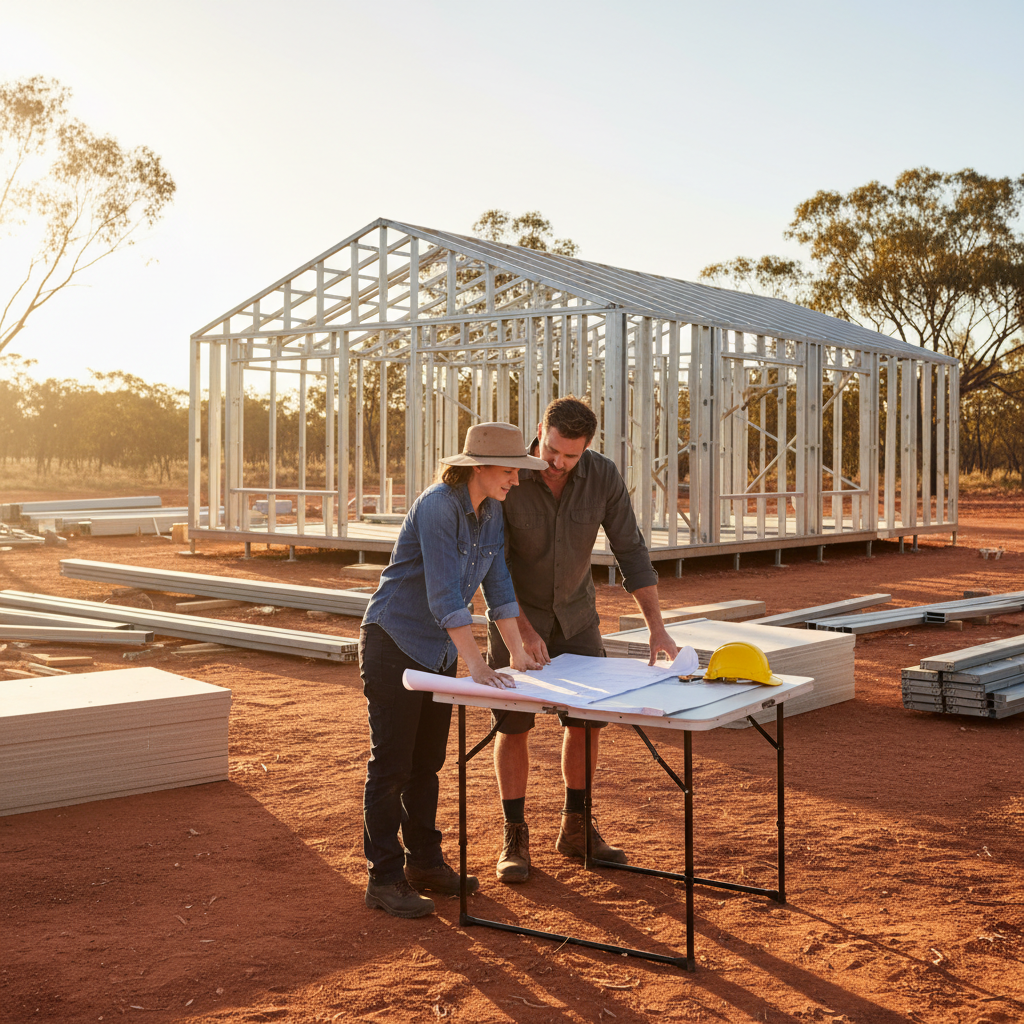
Many kit home providers supply the necessary engineering drawings and specifications required for Council approval. Having these professional documents ready to go can save you thousands in private architectural and engineering fees.
Practical Tips for Potential Kit Home Buyers
Before you sign a contract and clear your site, consider these essential tips to ensure a smooth construction process.
Research Your Council Requirements
Every local government area in Australia has different rules. Before buying a kit, check your land's zoning, BAL (Bushfire) rating, and any minimum floor area requirements. You don’t want to buy a beautiful kit only to find out it doesn't meet local planning schemes.
The Owner-Builder Permit
If you intend to manage the build yourself to save money, you will likely need an Owner-Builder permit. Each state (NSW, VIC, QLD, etc.) has different requirements, often involving a short online course. This permit allows you to legally oversee the construction and engage sub-contractors.
Site Access and Foundation
Consider how a large delivery truck will access your site. If you have a steep or narrow driveway, you may need to arrange for smaller delivery loads. Additionally, ensure your site is professionally surveyed and your slab or sub-floor is perfectly level-steel frames are unforgiving of uneven foundations!
Sustainability and Energy Efficiency
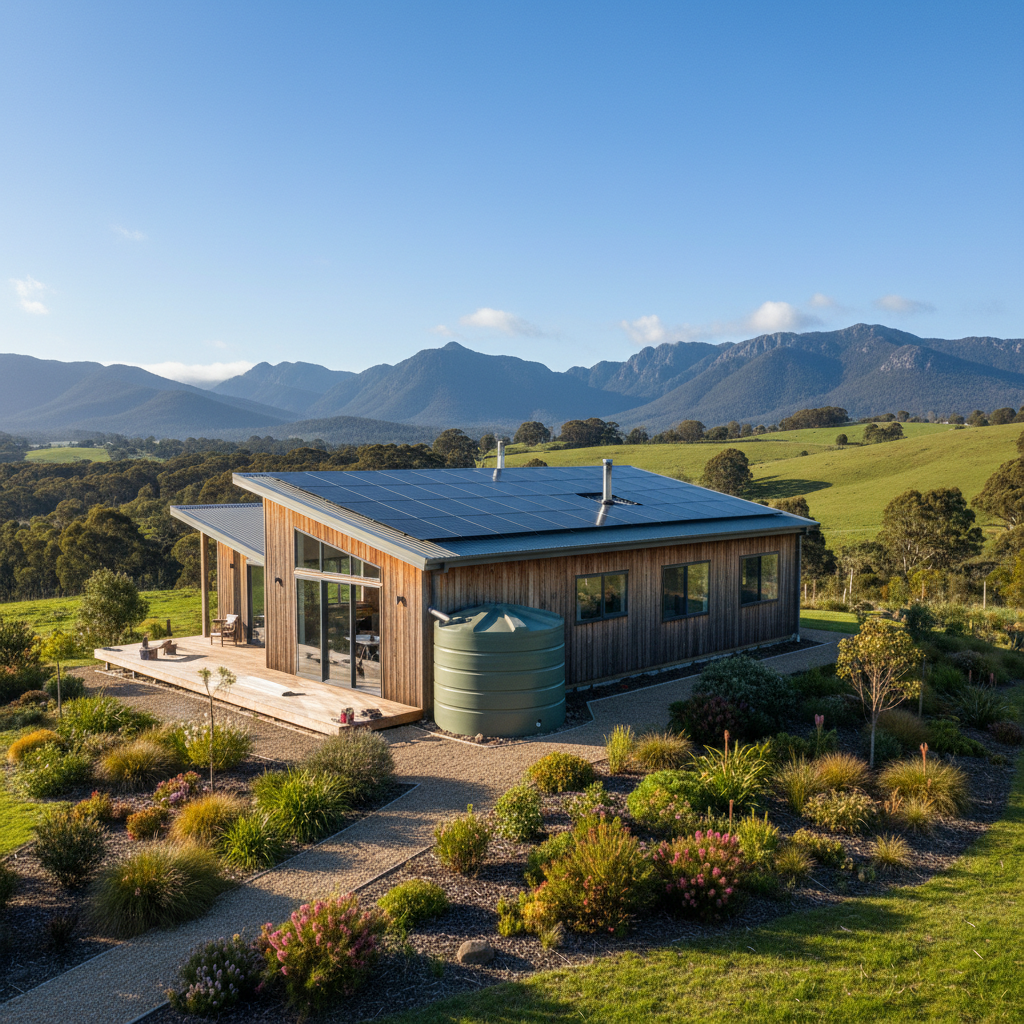
Modern steel kit homes are remarkably eco-friendly. Steel is one of the most recycled materials on the planet. Furthermore, because of the precision of the manufacturing process, there is very little waste on-site compared to a traditional build.
When combined with high-quality insulation and 'cool roof' technology (like Colorbond Thermatech), a steel kit home can achieve high 7-star energy ratings, keeping you cool in the Australian summer and warm in the winter while reducing electricity bills.
Common Myths Debunked
"Steel homes are noisy in the heat"
This is an old myth. With modern insulation and correct thermal break installation, steel homes are just as quiet and thermally efficient as timber homes. Thermal breaks prevent heat transfer through the frame, ensuring your home remains comfortable year-round.
"I need to be a builder to do this"
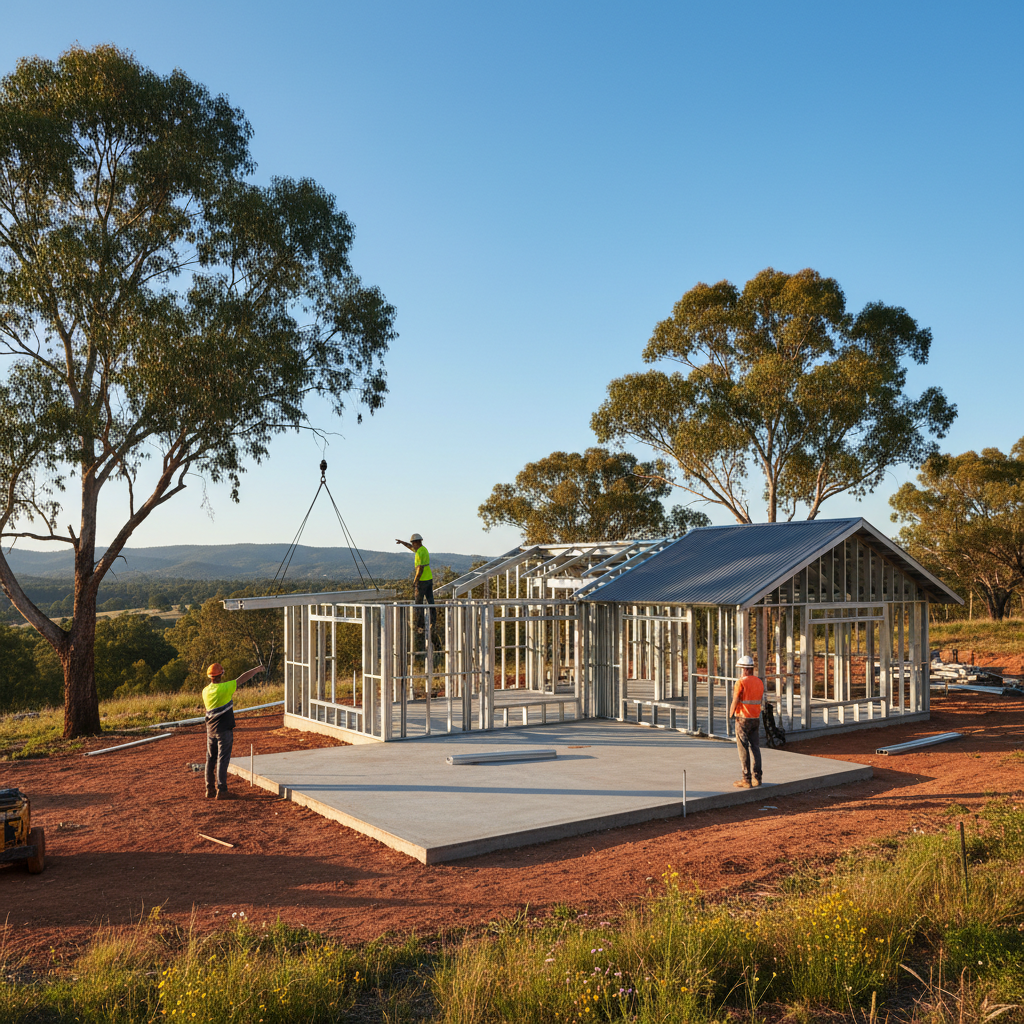
While you need to be handy or willing to learn, you don’t need to be a licensed carpenter to assemble a kit. Many people choose to hire a carpenter for the 'heavy lifting' of the frame and then take over the cladding and internal work themselves.
Conclusion: Taking the First Step
Building a kit home in Australia is more than just a construction project; it’s a pathway to homeownership that offers unmatched durability, customisation, and pride of accomplishment. By choosing a steel frame kit home, you are investing in a structure that is built to withstand the harshest conditions the Australian landscape can throw at it.
Ready to start your journey? Begin by browsing floor plans that suit your lifestyle, talk to local councils about your land, and reach out to reputable Australian kit home suppliers. Your dream home might be closer-and more affordable-than you think.