Building with Confidence in the Australian Bush
Australia is a land of breathtaking beauty, from the rugged coastlines to the dense eucalyptus forests of the Great Dividing Range. For many Australians, the dream of owning a home involves escaping the city grind and settling into a rural or semi-rural block. However, with that natural beauty comes a significant responsibility: building a home that can withstand the harsh realities of the Australian climate, most notably, the threat of bushfires.
When you are planning a kit home, your choice of skeleton is one of the most critical decisions you will make. It is not just about structural integrity or resisting termites, it is about resilience. This is where the benefits of steel frames, particularly those engineered from high-quality BlueScope TRUECORE steel, become undeniable. In this guide, we will explore why steel is the gold standard for bushfire-prone areas and how owner-builders can navigate the complexities of building a safe, durable, and beautiful home.
Understanding the Bushfire Attack Level (BAL) System
Before any foundations are poured or frames are delivered, every Australian home builder must understand their land's Bushfire Attack Level, commonly known as the BAL rating. This rating determines the level of protection required for the building based on the potential for radiant heat, ember attack, and direct flame contact.
The BAL ratings range from BAL-Low (minimal risk) to BAL-FZ (Flame Zone). If your block is rated BAL-12.5, BAL-19, BAL-29, or BAL-40, your construction materials must meet specific Australian Standards (AS 3959). One of the primary advantages of a steel frame kit home is that steel is inherently non-combustible. Unlike timber, which can ignite and fuel a fire from within the wall cavity, steel does not add fuel to the fire. This characteristic is a massive head start when trying to meet the stringent requirements of higher BAL ratings.
The Steel Advantage: Fire Resistance and Structural Integrity
Why do we focus so heavily on steel frames when discussing fire safety? Traditional building methods often rely on materials that are vulnerable to extreme heat. Steel, however, offers a unique set of benefits for the Australian environment.
Non-Combustibility
This is the most obvious benefit. Steel frames will not catch fire. In a bushfire event, even if the external cladding is stressed, the internal structure remains stable. This prevents the roof from collapsing and stops the fire from spreading through the internal framing of the house. For an owner-builder, this provides an incredible sense of security knowing the core of the home is working with them, not against them.
Precision Engineering
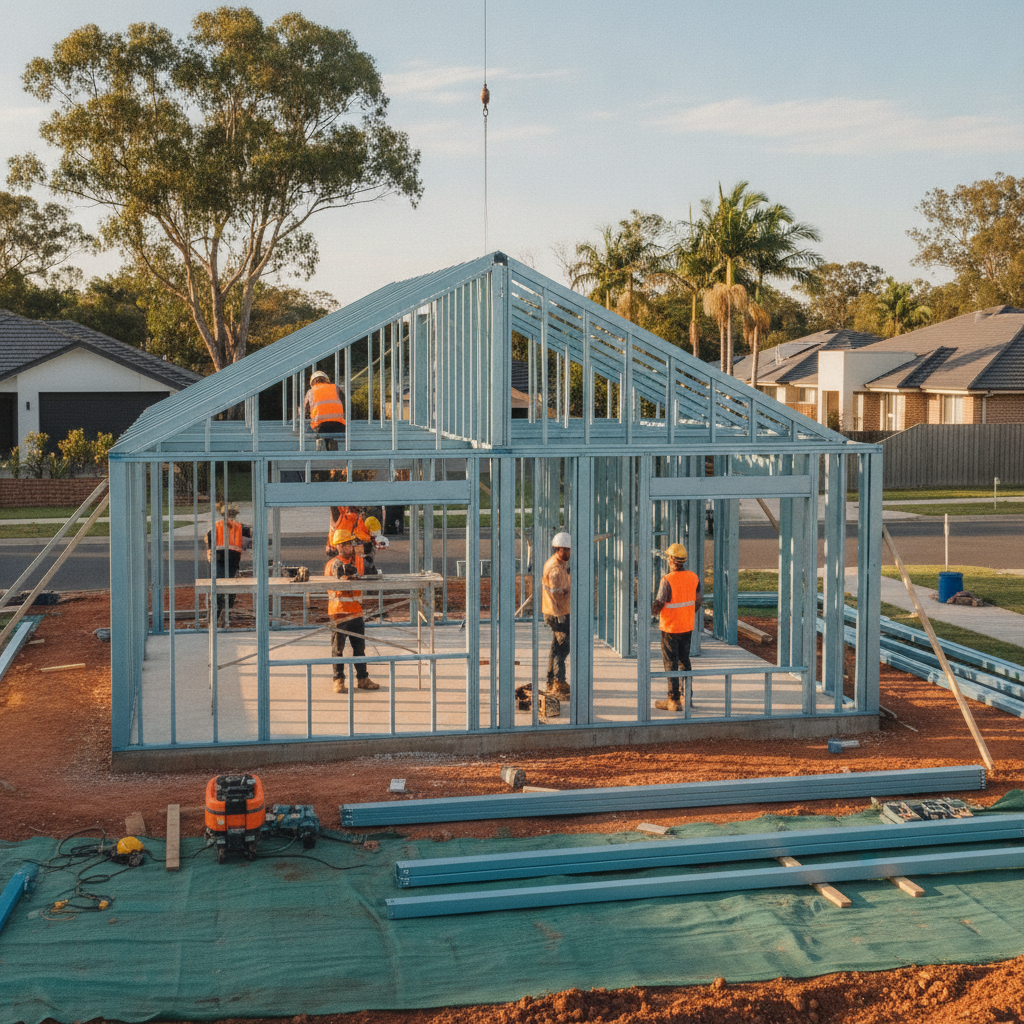
Modern kit homes use advanced technology to ensure every piece of the frame is cut to the millimetre. This precision means that when the kit arrives on site, the components fit together perfectly. These tight tolerances are vital for fire safety as they reduce gaps where embers could potentially enter the structure. When combined with quality insulation and fire-rated cladding, a steel frame creates a tight, protective envelope around your living space.
Resistance to Secondary Threats
Bushfires often come with extreme weather conditions, including high winds. Steel has a high strength-to-weight ratio, meaning it can withstand the cyclonic winds that often precede or accompany fire fronts. Furthermore, once the fire threat has passed, a steel frame home does not face the risk of termite damage or rot, which can be exacerbated by the water used during fire-fighting efforts.
The Owner-Builder Journey in Fire-Prone Zones
Managing your own building project as an owner-builder is an empowering experience, but it requires diligent planning, especially regarding safety compliance. When you opt for a steel frame kit home, much of the technical heavy lifting has been done in the design phase.
Your kit usually includes the essential components to get to the lock-up stage: the frames, roofing, cladding, and windows. To ensure your home is bushfire-ready, you must ensure that every element included in the kit, and every trade you hire, adheres to your specific BAL requirements. For example, in high BAL areas, you might require specialized toughened glass or metal mesh screens on all openable windows. Using steel frames makes this process smoother because the structural foundation is already compliant with the most rigorous non-combustibility standards.
Practical Tips for Designing a Bushfire-Resistant Kit Home
Beyond the frame itself, there are several design choices you can make to increase your home's chances of survival during a bushfire. Here are some actionable tips for owner-builders:
- Simplify Rooflines: Avoid complex roof shapes with multiple valleys where leaves and debris can accumulate. A simple roof design allows wind to blow embers over the top rather than trapping them.
- Choose Non-Combustible Cladding: Ensure your kit includes metal cladding or fibre-cement options that are rated for your BAL level.
- Seal the Gaps: Pay close attention to where the walls meet the roof and the floor. Gaps larger than 3mm should be sealed with fire-rated materials to prevent ember entry.
- Install Gutter Guards: Even with a steel roof, dry leaves in gutters are a major fire risk. High-quality metal gutter guards are a must-have for any rural kit home.
- Strategic Landscaping: Keep a "defensible space" around the perimeter of your home. Use gravel or stone paths near the house rather than mulch or flammable plants.
Why BlueScope TRUECORE Steel Matters
In the world of Australian construction, not all steel is created equal. We recommend using BlueScope TRUECORE steel for kit frames because it is specifically designed for the Australian environment. It features a distinctive blue finish and is backed by a significant warranty from an Australian company that understands our climate.
TRUECORE steel is not only fire-resistant but also incredibly durable. It won't warp or twist over time, which ensures that your doors and windows continue to close tightly. This is vital for maintaining a seal against smoke and embers. For an owner-builder, the light weight of steel frames compared to heavy timber beams also makes the on-site assembly much more manageable, often requiring fewer people to stand the walls.
Living the Dream: Peace of Mind in the Great Outdoors
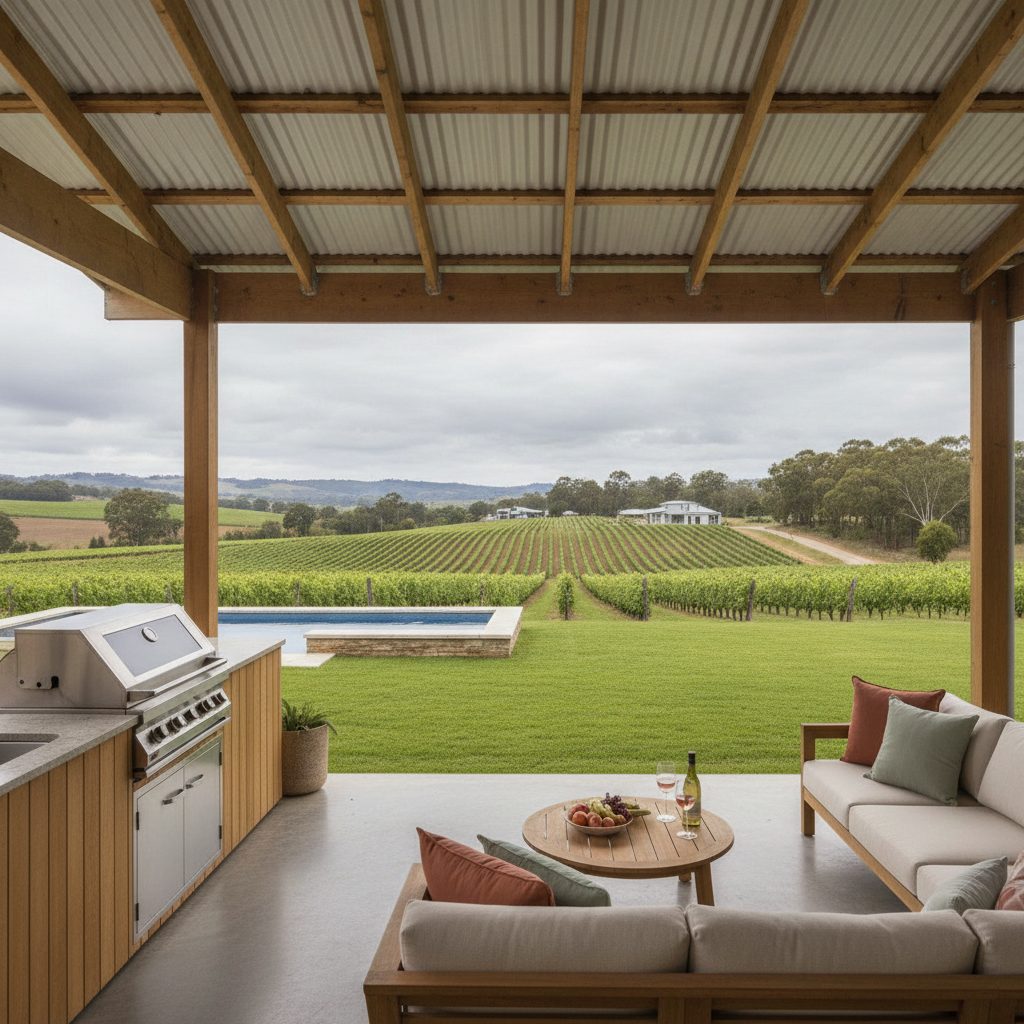
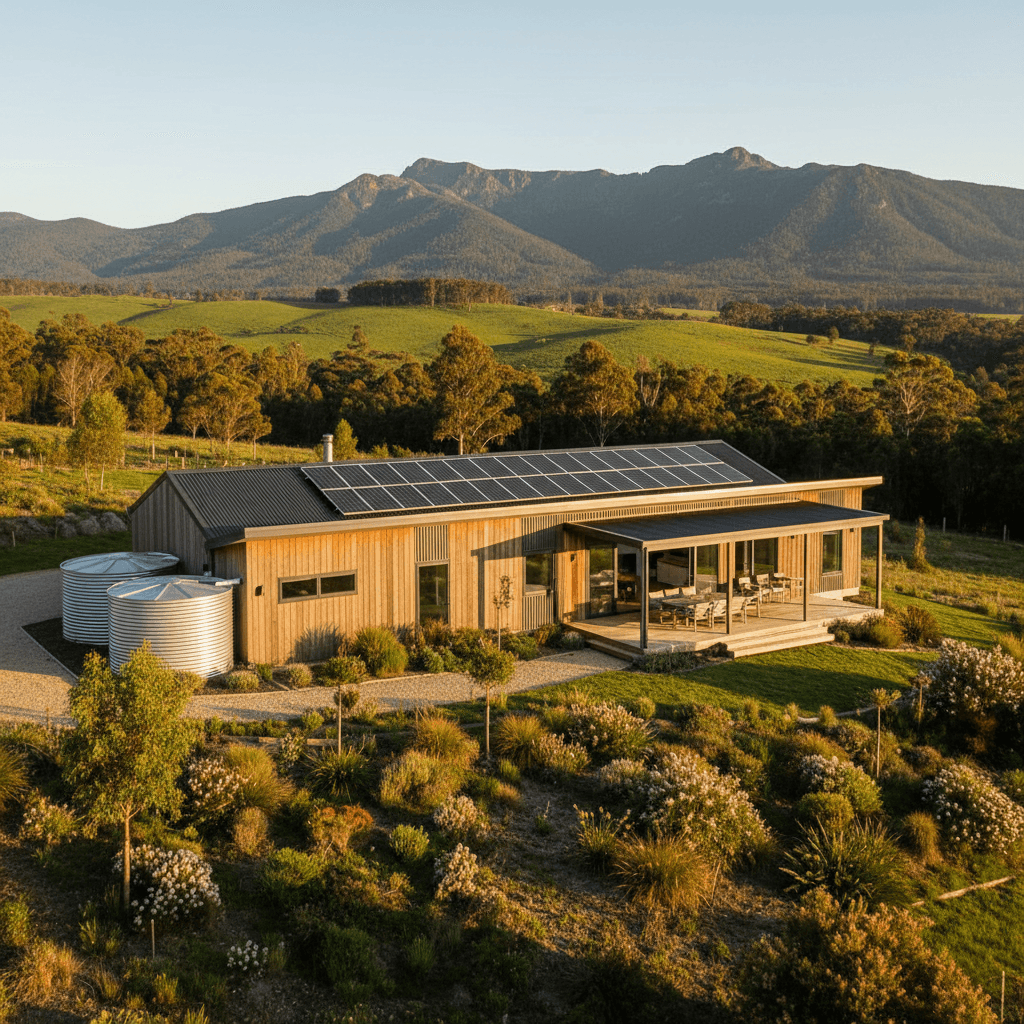
There is a unique satisfaction in sitting on the deck of a home you helped build, looking out over the Australian bush. That peace of mind is significantly enhanced when you know the materials protecting your family were chosen for their resilience. A steel-framed kit home represents a marriage of modern engineering and practical survivalism. It is about creating a sanctuary that respects the environment while being prepared for its challenges.
By choosing a steel frame, you are investing in the long-term longevity of your property. You are reducing future maintenance, avoiding the headaches of termite inspections, and most importantly, building a home that stands its ground when the heat rises.
Conclusion
Building a kit home in Australia is a journey of creativity and hard work. While the bushfire threat is a reality of our landscape, it shouldn't deter you from chasing your rural lifestyle dreams. It simply means we must build smarter. Steel frames provide the ultimate foundation for a bushfire-resistant home, offering non-combustibility, precision, and strength that timber simply cannot match.
As an owner-builder, taking the time to understand your BAL rating and selecting high-quality steel components like BlueScope TRUECORE is the best way to ensure your DIY project becomes a legacy for years to come. Stay informed, plan carefully, and build for the future with the strength of steel behind you.