Built Tough: Why Steel Frames Nail Fire Ratings for Your Aussie Kit Home
Listen, if you're building in Australia, especially outside the city sprawl, fire safety isn't some optional extra. It's the absolute bare minimum, a line in the sand. And when it comes to keeping your family and your biggest asset safe, you want materials that don't just 'do okay' in a fire. You want them to perform, to buy you time. That's where a steel frame kit home really shines, especially when we start talking about fire resistance ratings.
We've been doing this a long time, seen a lot of houses go up. The one constant for folks serious about durability and safety is cold-formed steel. BlueScope Steel's TRUECORE frames aren't just for straight walls and termite-proof peace of mind, though they do that brilliantly. Their performance in a fire is a massive, often overlooked, benefit. Let's unpack why steel is the smart choice when the mercury really rises.
Bushfire Attack Level (BAL) Ratings: Understanding the Rules
First up, you need to understand BAL ratings. The council, your builder, everyone's going to be talking about them if your block is in a bushfire prone area. And, let's be honest, a good chunk of Australia is. These ratings - BAL-Low, BAL-12.5, BAL-19, BAL-29, BAL-40, and BAL-FZ (Flame Zone) - dictate what materials you can and can't use. It’s all about the potential intensity of a bushfire attack your home might experience.
A lower BAL means less risk, so less stringent material requirements. BAL-FZ? That's the absolute worst-case scenario, the toughest zone to build in, where direct flame impingement is expected. We’ve seen blokes try to skimp on this, thinking they can get away with it. Don't. The rules are there for a reason, and they're not going anywhere. Plus, insurance companies are paying closer attention than ever.
Your kit home design and the materials you pick need to comply with whatever BAL rating your site gets. This assessment happens before you even look at getting a slab poured. You need to talk to a qualified bushfire assessor; they'll walk your block, check the vegetation, the slopes, all of it. Don't start designing until you know your BAL.
Steel Frames: Not Just Non-Combustible, They Hold Their Nerve
Okay, so here's the kicker: steel is non-combustible. This isn't just a fancy way of saying it won't burn. It means it won't ignite, it won't add fuel to a fire, it won't contribute to the spread of flames. Unlike timber, which, let's face it, is a fantastic fuel source, steel just sits there. It might warp or buckle under extreme, prolonged heat, but it won't catch fire and burn away. That's a huge distinction for fire safety.
Imagine the embers flying, the radiant heat intense enough to bake bread at 50 paces. A timber frame house? Those embers find a gap, they get inside, and the whole structure becomes kindling. With steel, that risk is dramatically reduced. The frame itself isn't going to be the thing that lights up your house from the inside out.
We build our frames using TRUECORE steel, which is engineered for strength and stability. That strength translates into better performance during a fire event. Even under the kind of heat you get in a serious bushfire, the frame holds its structural integrity for longer, giving emergency services more time, and critically, giving you and your family more time to evacuate safely.
Internal Fire Resistance: Beyond Bushfires
It's not just bushfires we're talking about here. Think about an internal house fire. Something starts in the kitchen, a faulty appliance, unattended cooking. With a steel frame, the fire is more likely to be contained to the room of origin for longer. Why? Because the structural elements aren't burning up and collapsing as quickly.
This is where fire resistance ratings, or FRRs, come into play for internal walls and floors. Building codes (like the NCC Volume 2) specify these for certain applications, especially in multi-residential or commercial buildings, but it's good practice to understand the principle for your own home. A wall system with a specific FRR means it's been tested to resist the passage of fire, smoke, and heat for a certain period. The steel frame itself helps maintain that integrity because it's not contributing to the burn.
You'll find that gypsum plasterboard, which we provide with our kits, when combined with a steel frame, forms a very effective fire barrier. The plasterboard contains water in its core; when exposed to fire, this water turns to steam, cooling the board and slowing the fire's spread. The steel frame behind it provides a stable skeleton, holding everything together while the plasterboard does its job.
Owner-Builder Tip: Specifying for Fire Protection
As an owner-builder, you're the one making these calls. So, what do you need to do? First, get your BAL assessment done early. Don't even think about locking in your final plans until you have that rating in hand. It impacts everything – the type of windows, the roofing material, the cladding, and yes, the frame.
When you're comparing kit home providers, ask them directly about their fire ratings, not just for the frame, but for the whole system. What cladding options do they have that meet BAL-29 or BAL-40? What kind of windows are included in higher BAL packages? You need solid answers, not just marketing fluff.
For high BAL sites, especially BAL-40 and BAL-FZ, you'll be looking at things like thicker plasterboard, specific fire-rated sarking, heavier gauge steel framing, and non-combustible external claddings like fibre cement or specific BAL-rated insulated panels. Your kit provider should be able to guide you through these options for your specific design.
And remember, it's a system. The frame is the backbone, but everything else contributes. Fire-rated eaves, sealed penetrations for pipes and wires, compliant decking materials – it all plays a part. Don't just tick one box and forget the rest.
Durability and Longevity: A Stronger, Safer Home
Beyond fire, the inherent durability of steel means your home is just tougher all around. Termites? Not a chance with steel. Rot or mould? Nope, steel doesn't care about moisture in the same way timber does. And the fact that TRUECORE steel frames are engineered straight and true means fewer headaches during construction and a more robust final product.
This longevity ties back into fire safety too. A structure that maintains its integrity over decades, without weakening from pests or water damage, is inherently safer in an emergency. You don't want a frame compromised by years of silent termite munching when a bushfire rolls through.
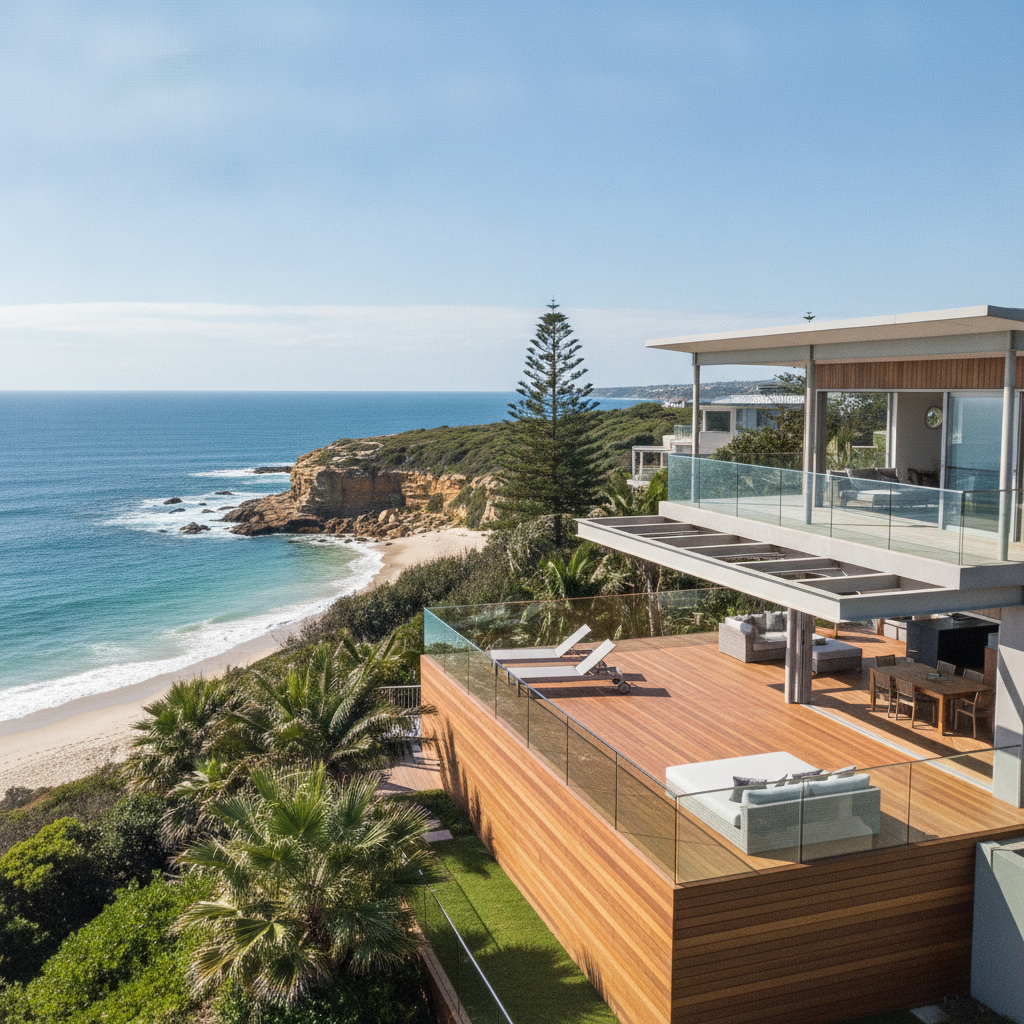
Plus, the galvanised coating on TRUECORE steel offers excellent corrosion resistance. This is vital, especially if you're building near the coast where salt spray can be a real killer for other materials. A strong frame today means a strong frame in 20, 30, 50 years' time. That's real peace of mind, not just for you, but for future generations too.
The Practicalities of Building with Steel in Fire Zones
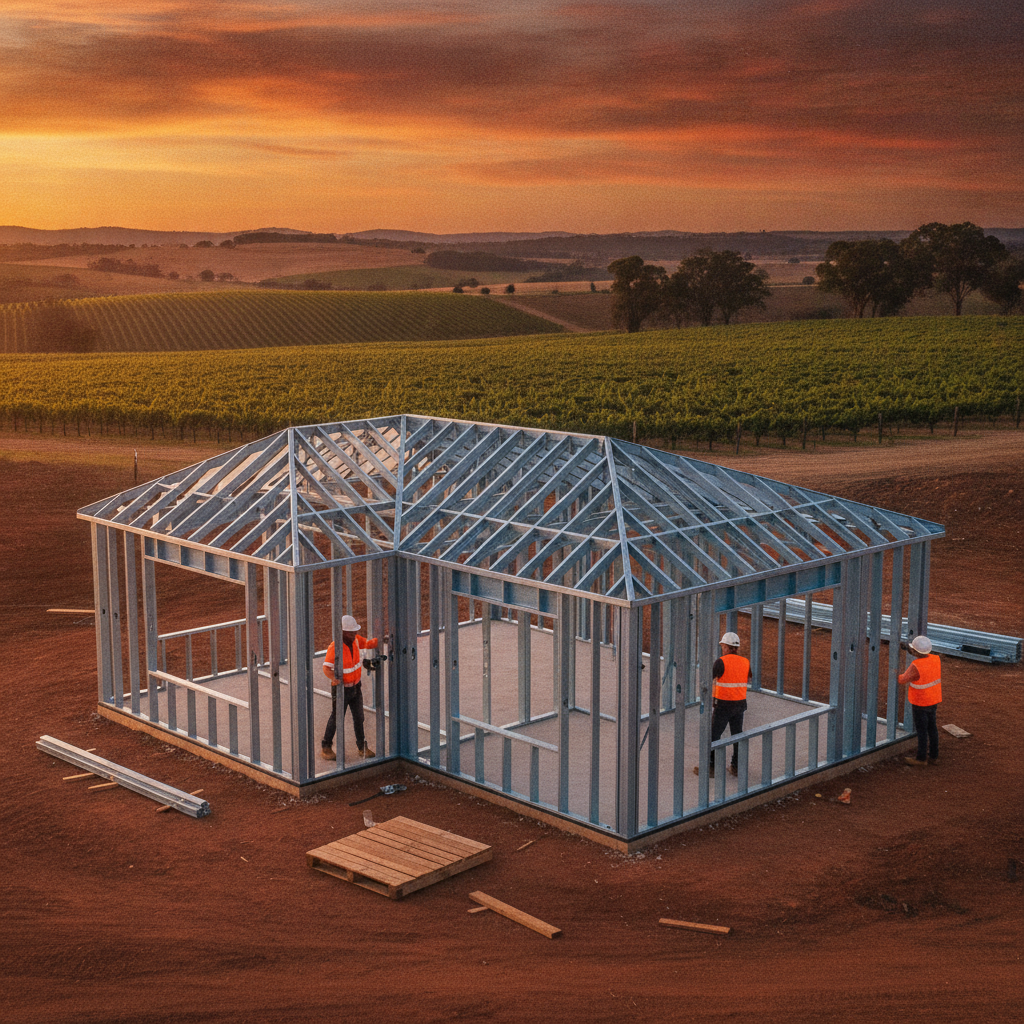
Building a kit home means you're often getting your hands dirty, or at least managing the folks who do. Erecting a steel frame is a straightforward process, certainly no more complex than timber, and often quicker because the components are precision-engineered. Everything just bolts or screws together. Less cutting on site, less waste, fewer opportunities for human error.
When you're dealing with BAL requirements, every detail matters. The way cladding is fixed, the sealing of gaps, the correct installation of sarking – these are all critical. A steel frame provides a stable, consistent substrate for all these elements, making it easier to achieve the required fire resistance. There aren't any knots or twists to worry about, no warping that can open up unexpected gaps.
Our kits come with everything you need for the shell – the steel frames, roof trusses, roofing, cladding, windows, doors, insulation. You handle the site prep, the slab, and all the internal fit-out. This means you have control over choosing the right external materials that meet your BAL rating, all integrated with a fundamentally fire-resistant frame.
Don't underestimate the comfort of knowing your home's skeleton is solid, non-combustible, and built to withstand a fair bit of punishment. It's a foundational decision, literally, and one that will serve you well for decades to come, especially when the fire season inevitably rolls around. Choose wisely.