Bushfire Zones: Why Steel Frames Are Your Best Bet for Kit Homes Down Under
Listen, if you're building a kit home in Australia, especially out past the 'burbs or anywhere the gum trees start crowding in a bit, you've got to think about bushfires. It's not a 'maybe' anymore, is it? We've seen enough devastating fire seasons to know that preparedness ain't just a good idea, it's a bloody necessity. And when it comes to the bones of your new home, the frame itself, steel stands head and shoulders above timber in these high-risk areas. Seriously, it's not even a fair fight.
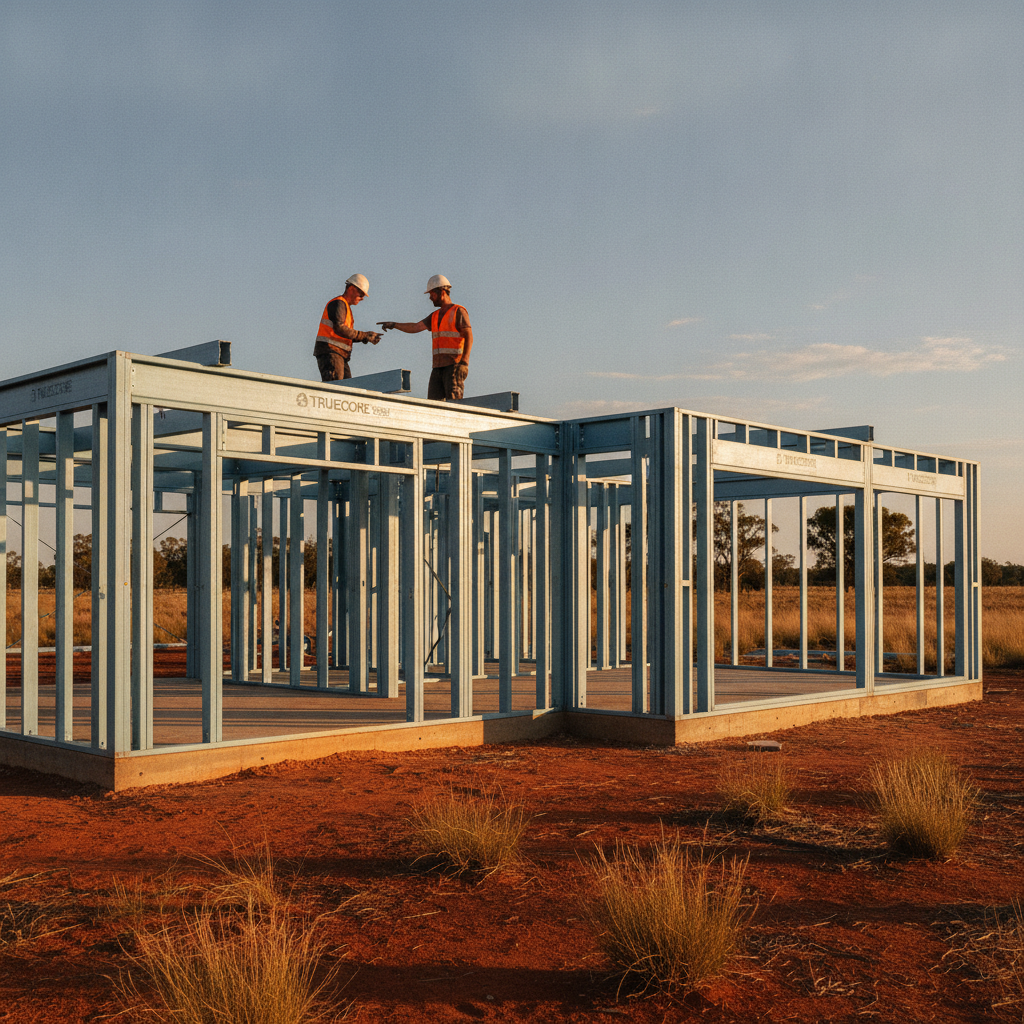
We've been doing this kit home thing for a long time, watching people build their dreams from the ground up. And what we've learned, what we keep telling our owner-builders, is that picking the right materials from the start saves you a world of hurt down the track. For bushfire-prone blocks, that means a TRUECORE steel frame, every single time. It's not just about compliance; it's about genuine protection and sleeping soundly when the wind whips up.
Bushfire Attack Levels (BALs) - Understanding the Rules
First up, you've got to suss out your block's Bushfire Attack Level, or BAL. This ain't something you can guess at. Your local council or a bushfire consultant will tell you exactly what BAL rating your land has, from BAL-Low (which is rare in actual bushfire areas, let's be honest) all the way up to BAL-FZ (Flame Zone) – the absolute toughest. Each BAL rating comes with specific construction requirements, and they get stricter the higher you go.
For example, if you're in a BAL-29 zone, you'll need things like specific glazing, ember-resistant screens, and certain cladding types. Crank that up to BAL-40, and the requirements for external walls, roofs, and subfloors become seriously stringent. Then there's BAL-FZ, which is a whole different beast. The Building Code of Australia (BCA) and Australian Standard AS 3959 (Construction of Buildings in Bushfire-Prone Areas) dictate all this stuff. And trust me, getting it wrong means your certifier won't sign off, and your house won't get built. So, before you even look at floor plans, know your BAL. It changes everything.
Steel Frames: The Non-Combustible Advantage
Right, so why steel? Simple: steel doesn't burn. Timber, on the other hand, well, it's fuel, isn't it? Even treated timber will eventually ignite and contribute to the fire. A steel frame, like the ones we supply using BlueScope Steel's TRUECORE product, won't catch fire or add fuel to the inferno. It won't combust, and it won't propagate flames.
This is a massive point of difference when you're talking about ember attacks. Those tiny, glowing embers can travel kilometres ahead of a fire front, landing on your roof, in your eaves, or against your walls. If those embers find something flammable to land on, boom, you've got a fire starting from within your own structure, even before the main fire arrives. With a steel frame, you eliminate that structural fuel source. It's a fundamental step in making your home more resilient.
Now, some people get worried about steel frames warping in extreme heat. Yeah, steel will lose some strength at very high temperatures, that's a fact. But it doesn't just melt away, and crucially, it doesn't contribute to the fire load. The point is to give your home a fighting chance, to protect its integrity as long as possible, and to buy precious time for occupants to evacuate or for fire services to arrive. Steel does that better than timber, hands down.
Meeting Higher BALs with Steel
When you're dealing with BAL-29, BAL-40, or especially BAL-FZ, the specifications for timber construction become incredibly complex and expensive. You're talking about extensive fire-retardant treatments, specific sarking, massive fire-rated external claddings, and sometimes even sprinklers just to try and meet the standards. It's a real headache and often adds a significant chunk to your build cost, not to mention the ongoing maintenance of those treatments.
With a steel frame, a big part of the battle is already won. Because the frame itself is non-combustible, it simplifies the whole process of achieving compliance. You still need to pick appropriate external claddings, roofing, windows, and doors that meet your BAL rating - that's non-negotiable. But starting with a non-combustible frame makes hitting those compliance targets much easier and often more cost-effective in the long run. We've seen owner-builders tear their hair out trying to get timber-framed houses approved in tricky BAL areas. The steel option just removes a huge layer of complexity.
Beyond Fire: Other Steel Frame Benefits in Bushfire Prone Areas
It's not just about the fire resistance, either. Steel frames bring a bunch of other advantages that are particularly useful when you're building in more rural or exposed locations, which are often the same places that face higher bushfire risks.
Termite Proof
Bushfire zones often mean being further out, right? And what else lives out there? Termites. Heaps of 'em. There's nothing worse than building your dream home, only to find you've got a colony of munching invaders chewing through your timber frame a few years down the track. Steel frames are 100% termite proof. No chemicals, no barrier treatments, no ongoing inspections needed for the frame itself. That's a massive peace of mind, especially when you're trying to manage an owner-builder project and don't want unexpected surprises.
Strength and Durability
Out in the sticks, homes can cop a beating from the weather – strong winds, heavy rain, maybe even a bit of hail. Steel frames are incredibly strong and dimensionally stable. They won't warp, twist, or shrink like timber can as it dries out or reacts to humidity changes. This means your walls stay straight, your plasterboard stays true, and your windows and doors don't jam up years later. That kind of robustness is exactly what you want when you're building a home meant to stand the test of time, especially in exposed environments.
Consistent Quality
Every piece of our TRUECORE steel frame is precision-engineered and cut. You don't get the knots, twists, or inconsistent grain you sometimes find in timber. This means faster, more accurate construction for owner-builders. When you're putting up the frame yourself or with a mate, knowing every stud is perfectly straight and every joint fits true makes a huge difference to your efficiency and the final quality of your build. No more 'coaxing' a twisted stud into place. Just bolt it together and move on.
Practical Tips for Owner-Builders in Bushfire Zones
- Get Your BAL Report Early: Before you even think about buying a kit home, get that BAL report. It will dictate design choices, material selections, and ultimately, your budget. Don't leave it to the last minute; it's fundamental.
- Focus on the Whole Envelope: While a steel frame is brilliant, it's only one part of the puzzle. You need to ensure your roofing, cladding, windows, doors, verandas, and even your subfloor ventilation meet the BAL requirements. It's an entire system.
- Choose Reputable Suppliers: Not all 'steel' is created equal. Ensure your kit home supplier uses high-quality, Australian-made steel like BlueScope's TRUECORE. It's engineered for Australian conditions and backed by warranties.
- Think Ember Protection: Beyond the frame, consider ember-resistant measures. This includes fine mesh on all openings, sealing gaps, and keeping your gutters clean. Even non-combustible materials can allow embers to enter the building if not properly sealed.
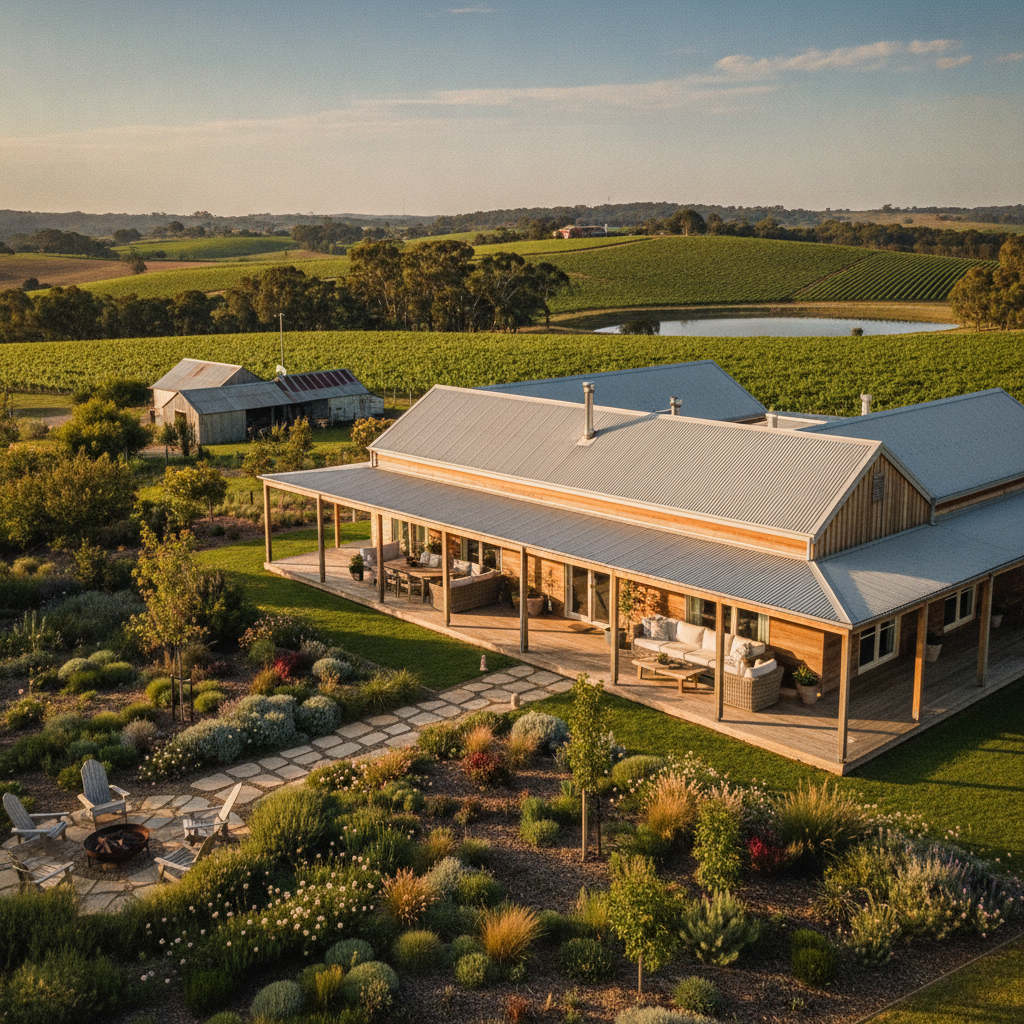
- Landscaping is Key: Create defendable space around your home. Clear vegetation, keep grass short, and choose low-flammability plants close to the house. This 'defendable space' is your first line of defence, no matter what your house is made of.
- Discuss with Your Certifier: Early and often. Show them your plans, your BAL report, and your proposed materials list. Getting their input upfront can save you massive headaches and costly redesigns later. They're the ones who give the final tick of approval, after all.
The Bottom Line
Building a kit home is an awesome way to get into your own place, especially for owner-builders who want to get their hands dirty and save a bit of coin. But if that dream block is in a bushfire-prone area, you owe it to yourself and your family to build smart. A steel frame, particularly a high-quality one like TRUECORE, isn't just a good choice; it's often the smartest, safest, and most straightforward path to a compliant and resilient home.
It cuts out a huge chunk of fire risk, shrugs off termites, and gives you a straight, strong structure to build on. Don't mess about when it comes to bushfires. Pick steel, and build with confidence. Your peace of mind is worth it, trust me.