Choosing a Kit Home Floor Plan: Your Family Needs, Your Rural Block
Alright, let's talk kit home floor plans. This isn't just about picking something pretty from a brochure; this is about laying the groundwork for how you'll actually live. Especially true if you're out on a rural block somewhere in the Aussie bush. You've got unique challenges, right? Plus, as an owner-builder, you're the one who has to make these calls. So, let's get it right.
Last Tuesday night at 11pm, there you were again - pinching and zooming on floor plans while the kettle boiled for the third time. Sound familiar? We've all done it. But before you get too carried away with that extra ensuite or massive media room, let's slow down. You need to think about your family's actual day-to-day, what that rural property demands, and how a kit home, built with durable stuff like TRUECORE steel, can meet those needs. It’s not just about a roof and walls; it’s about a home that works.
Start with Your Lifestyle, Not the Room Count
Forget the 'three-bedroom, two-bath' mantra for a sec. Start with how your family operates. How do you use your current home? What drives you nuts about it? Where do you spend most of your time? This is the honest truth about planning a kit home. And honestly, it's where most people go wrong, looking at square metres instead of functionality.
- The Early Risers vs. Night Owls: Got kids who wake up at sparrow's fart while you're still dreaming? Or teenagers who game until midnight? Think about bedroom placement. You might want the master suite a bit separated from the kids' rooms. No one wants to hear Minecraft through the wall at 2 AM.
- Work-from-Home Habits: Are you clocking in from the kitchen bench right now? Time for a dedicated office. Even a small nook can make a world of difference. It needs good light, maybe a door for privacy during those Zoom calls.
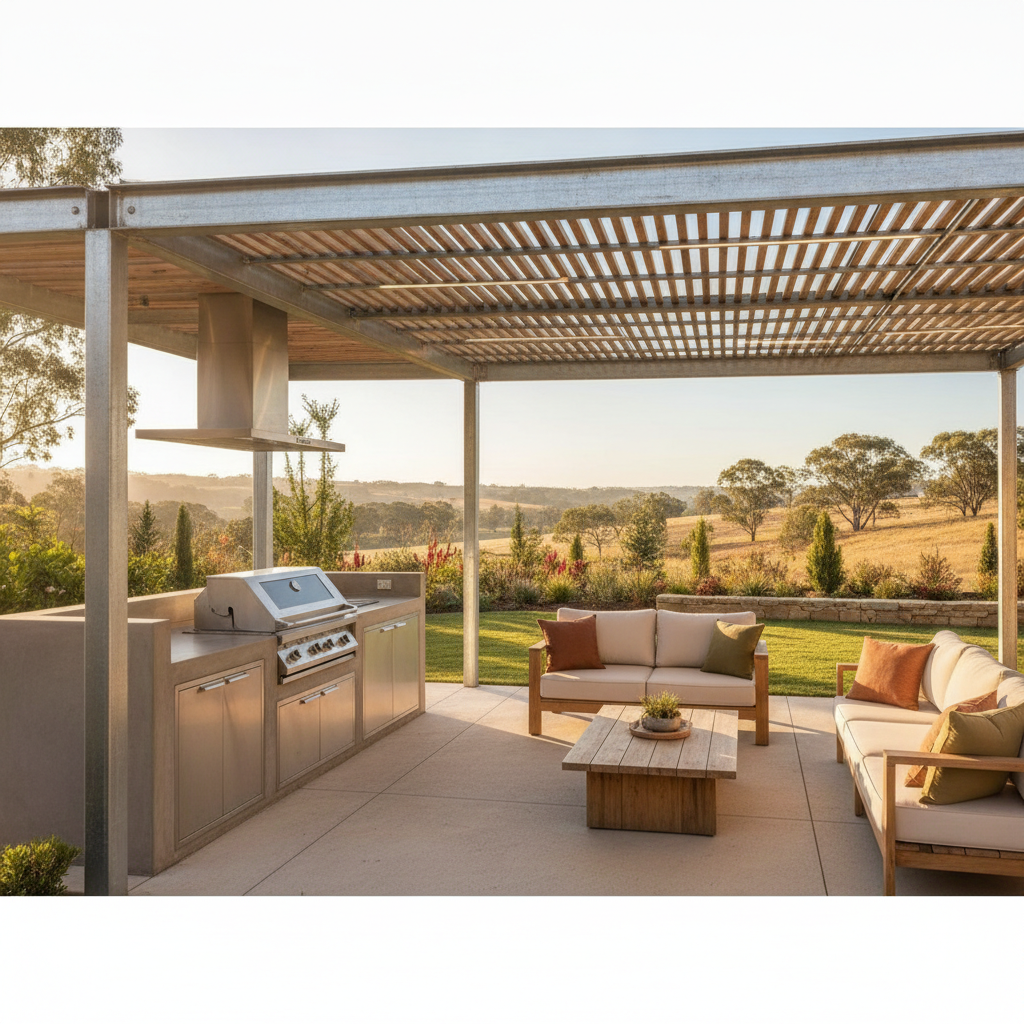
- Entertaining and Socializing: Are you throwing massive BBQs every weekend, or is it more intimate family dinners? A big open-plan living/dining/kitchen works for some. Others prefer a more defined, separate lounge area for a bit of quiet. Don't just follow trends; follow your own habits.
- Storage, Storage, Storage: Rural living often means more gear. Tools, feed, spare parts, gumboots, riding helmets. Where's it all going? A walk-in pantry, generous linen cupboards, a mudroom, or even an extra storage room in the laundry can save your sanity.
Rural Living Demands Specifics: Think Site, Sun, and Surroundings
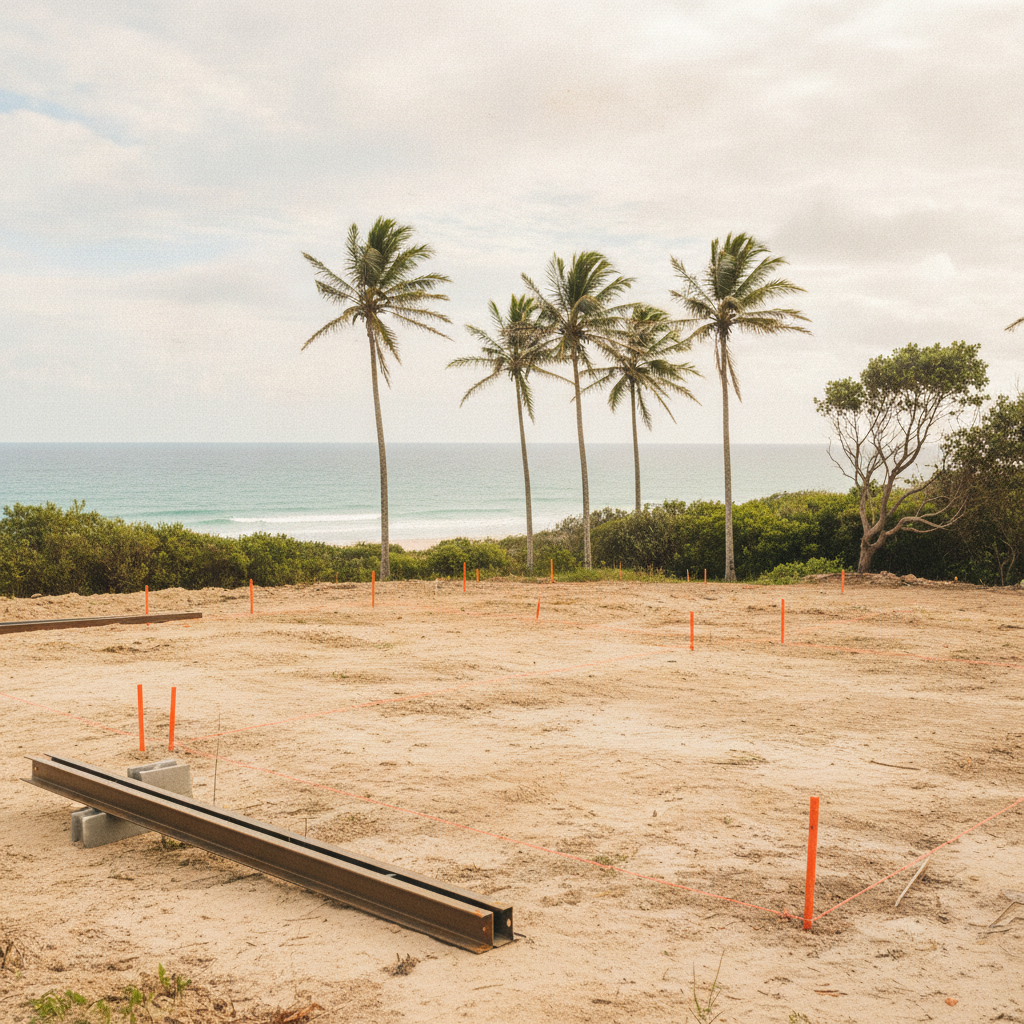
Rural blocks aren't like suburban quarter-acre lots. They're often bigger, steeper, windier, and come with their own set of challenges and advantages. The kit home plan needs to shake hands with the land. We've seen so many people try to plonk a suburban design onto a challenging rural site and it just doesn't work. The council's DA process will make you rethink your choices pretty quickly too.
Making the Most of the Block
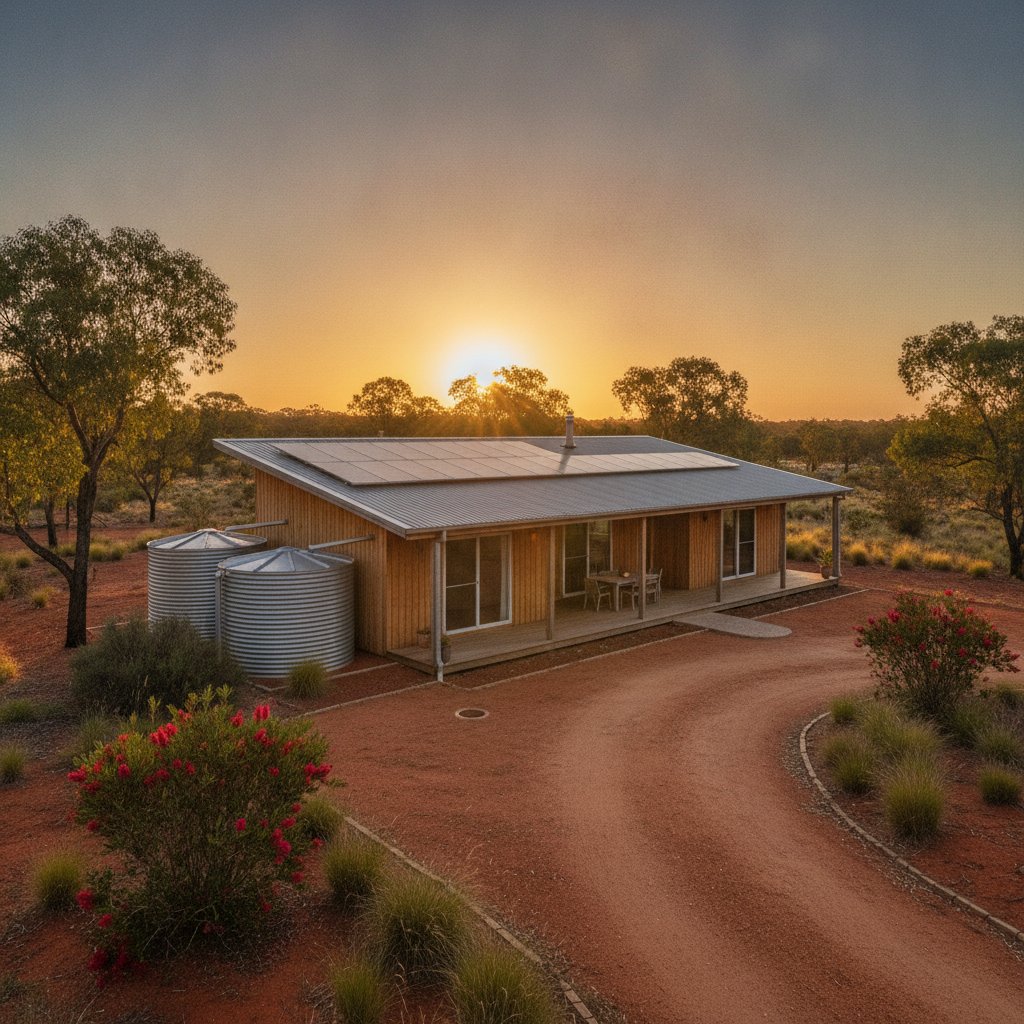
- Orientation for Sun and Wind: This is huge. And it’s not just about comfort; it's about energy bills. Get your living areas facing north for that lovely winter sun. Shove the laundry, bathrooms, and garage to the west or south, where they can act as a buffer against harsh afternoon sun or cold southerly winds. Passive solar design isn't just for architects; it's common sense when you're building out of town. You want light, but not blinding heat.
- Views and Privacy: You probably bought that rural block for a reason, right? That amazing valley view or the distant mountains. Design your living spaces, main bedrooms, and decks to capture those vistas. But also, consider where your neighbours are, even if they're a kilometre away. No one wants to feel exposed.
- Bushfire Attack Level (BAL) Ratings: This is non-negotiable in many rural areas. Your BAL rating will dictate what materials you can use and how your home needs to be constructed. Steel frames, thankfully, are inherently non-combustible. But you'll need to think about window types, external cladding, and even deck materials according to the requirements of AS 3959. Get this wrong, and the council won't even look at your plans.
- Access and Utility Connections: Where's the driveway coming in? Where's the power pole? Septic system location? Water tank placement? These practicalities influence your house pad's exact position. You don't want your septic field where your future veggie patch should be.
The Practicalities of Kit Home Floor Plans for Owner-Builders
As an owner-builder, you're not just picking a pretty picture. You're thinking about the build process, future maintenance, and what's actually feasible for you to tackle. This is where your tradie brain needs to kick in.
Simplicity Often Wins
Complex rooflines might look fancy, but they're a pain to build and can cost more in materials and labour. A simpler rectangular or L-shaped footprint with a straightforward roof will be quicker to erect, less prone to leaks, and generally more budget-friendly. Remember, every corner is a point of complexity. Keep it simple, especially if it's your first big build.
Zoning and Future-Proofing
Think about how your family might grow or change. Can a study become a nursery? Can a formal lounge be converted to a guest bedroom later? Zoning your home means creating distinct areas for different activities. Kids' bedrooms and a rumpus room at one end, the master suite and an office at the other. It means peace and quiet for everyone, even if someone's watching Netflix loud.
And consider access for people with limited mobility, even if it's not a concern now. Wider doorways, a toilet on the ground floor if it's a two-storey. It's smart planning for the long haul.
Wet Areas: Keep 'em Close
Bathrooms, laundry, kitchen – these are your 'wet areas'. Try to group them. Why? Because it simplifies your plumbing runs. Less pipework means less cost, less potential for future problems, and easier installation for you or your plumber. Spreading them all over the house just adds complexity and expense. It's an owner-builder's golden rule.
Choosing Kit Home Providers: The Steel Frame Advantage
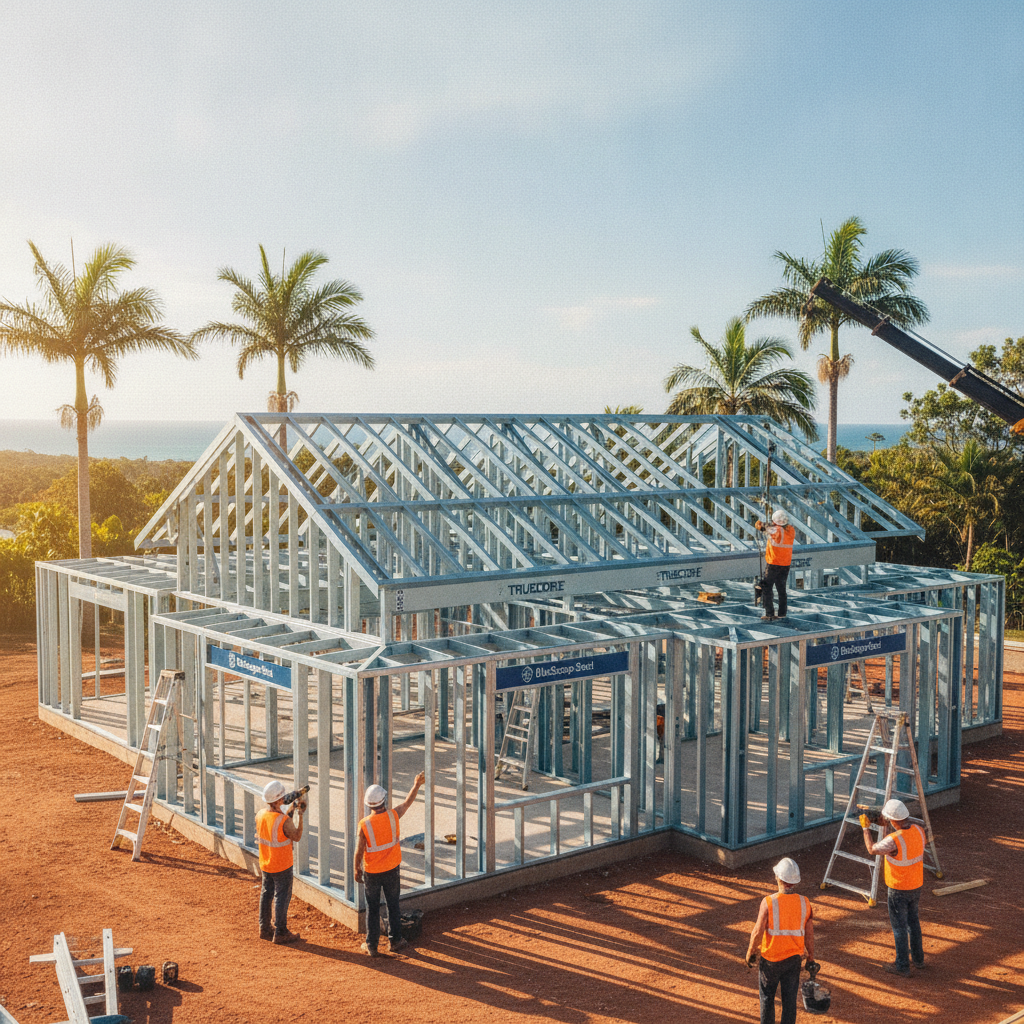
When you're looking at kit home plans, consider what they're made of. Our kits, for example, use TRUECORE steel frames. This isn't just a marketing blurb; it makes a difference to your build and your peace of mind, especially out in the sticks. Termites? Not a problem with steel. Straight walls, no twisting or warping, no dramas fitting plasterboard. It's lighter than timber, so easier to handle on-site, and it arrives pre-cut and pre-punched for wiring and plumbing. This kind of detail means less fuss for you on the tools.
But back to plans: make sure the kit home provider has a range that actually suits rural blocks. Look for designs that consider verandas for shade, robust cladding options, and layouts that can easily be adapted for different orientations. A good provider will have plans that already account for things like wider hallways or larger laundries – things that just make sense in a country setting.
Reviewing and Refining Your Choice
Once you've narrowed it down, get a proper look. Don't just rely on online images. Can you walk through a display home? Even better, ask to see a similar build in your area if possible. Talk to other owner-builders. Get their unfiltered feedback.
And seriously, draw it out. Take a tape measure, mark out rooms in your current house or even outside with string. How big is that 'generous' bedroom really? Will that dining table actually fit with chairs pulled out? These are the details that get missed looking at a flat plan on a screen.
Don't be afraid to ask for minor modifications either. A good kit home company should be able to tweak plans a bit for you. Moving a door, adding a window, extending a veranda – these small changes can make a huge difference to how the home functions for your family. Just remember, bigger changes mean bigger costs and longer lead times. So, pick a plan that's 80% there, then refine it.
Final Word of Advice
Choosing a kit home floor plan is one of the biggest decisions you'll make in this whole owner-builder gig. It impacts your daily life, your comfort, your energy bills, and even the resale value down the track. So, take your time. Don't rush it. Think about your family, your land, and the practicalities of building it yourself. Get it right, and you'll have a home that not only looks good but genuinely works for you, out there on your patch of Australia.