Finding Your Footprint: The Art of Sizing Your Australian Kit Home
So, you have secured a slice of the Australian dream. Whether it is a sprawling bush block in the Hinterland or a compact suburban lot, the next big decision is choosing the right kit home design. It is easy to get caught up in floor plans that look like mini-mansions, but the secret to a successful project is matching the size of your home to both your physical land and your daily lifestyle.
Choosing a kit home is a journey of balance. You want enough space to breathe, but not so much that you spend your entire weekend cleaning or maintaining it. In this guide, we will look at how to navigate the golden middle ground, ensuring your new steel frame home fits perfectly into its environment and serves your family for years to come.
Assessing Your Land Constraints
Before you fall in love with a four bedroom design, you need to understand what your land will actually permit. Every block in Australia has its own set of rules, often determined by local councils and environmental factors.
Building Envelopes and Setbacks
Most land titles come with a defined building envelope. This is the specific area on your block where you are legally allowed to build. You also need to consider setbacks, which are the required distances between your home and the property boundaries. A common mistake for first-time owner builders is choosing a wide kit home that violates side setbacks, or a long home that encroaches on the rear boundary. Always check your council's Local Environmental Plan (LEP) before settling on a kit size.
Topography and Land Slope
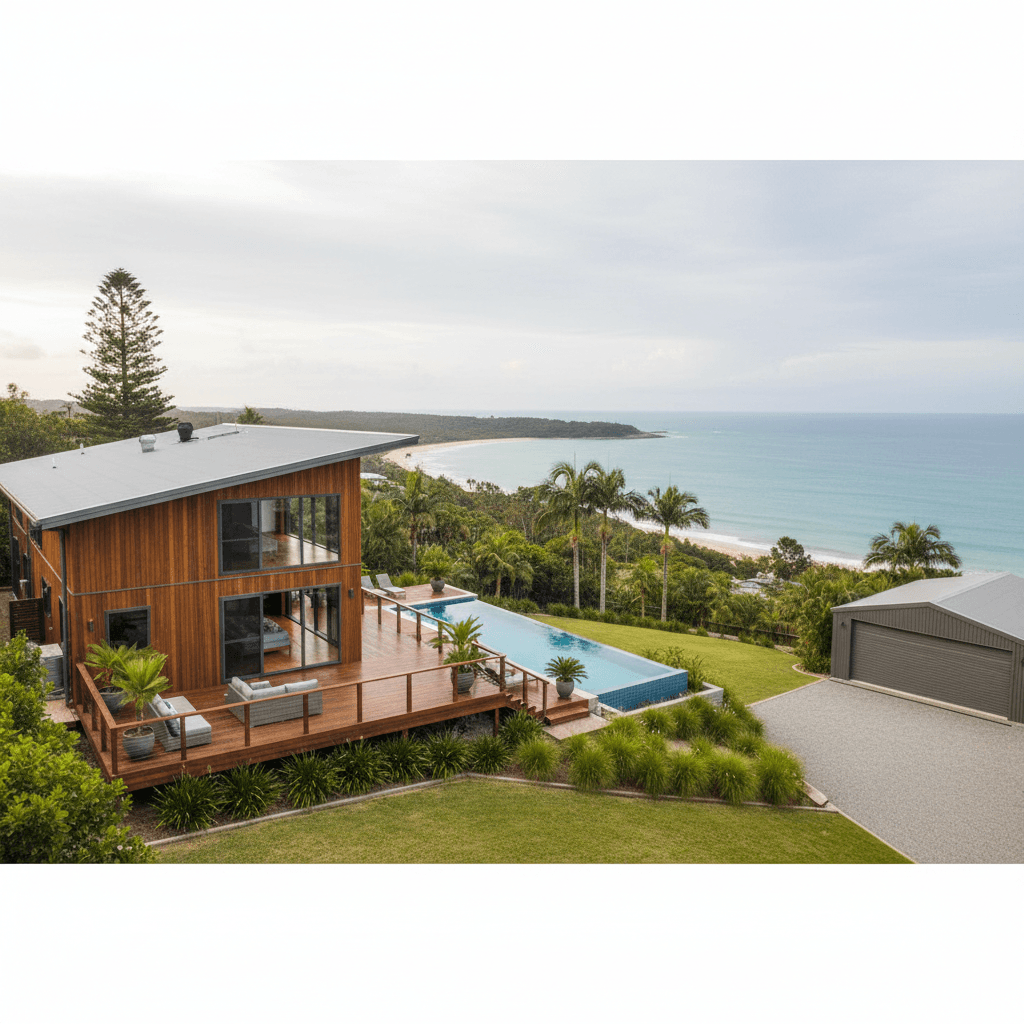
The flatter the land, the easier the build. However, if your land has a significant slope, the size of your footprint matters even more. A larger footprint on a sloping site usually means more extensive earthworks, retaining walls, and site preparation. Sometimes, opting for a smaller, multi-level design or a more compact footprint can save you a mountain of stress during the site works phase.
Bushfire and Environmental Zones
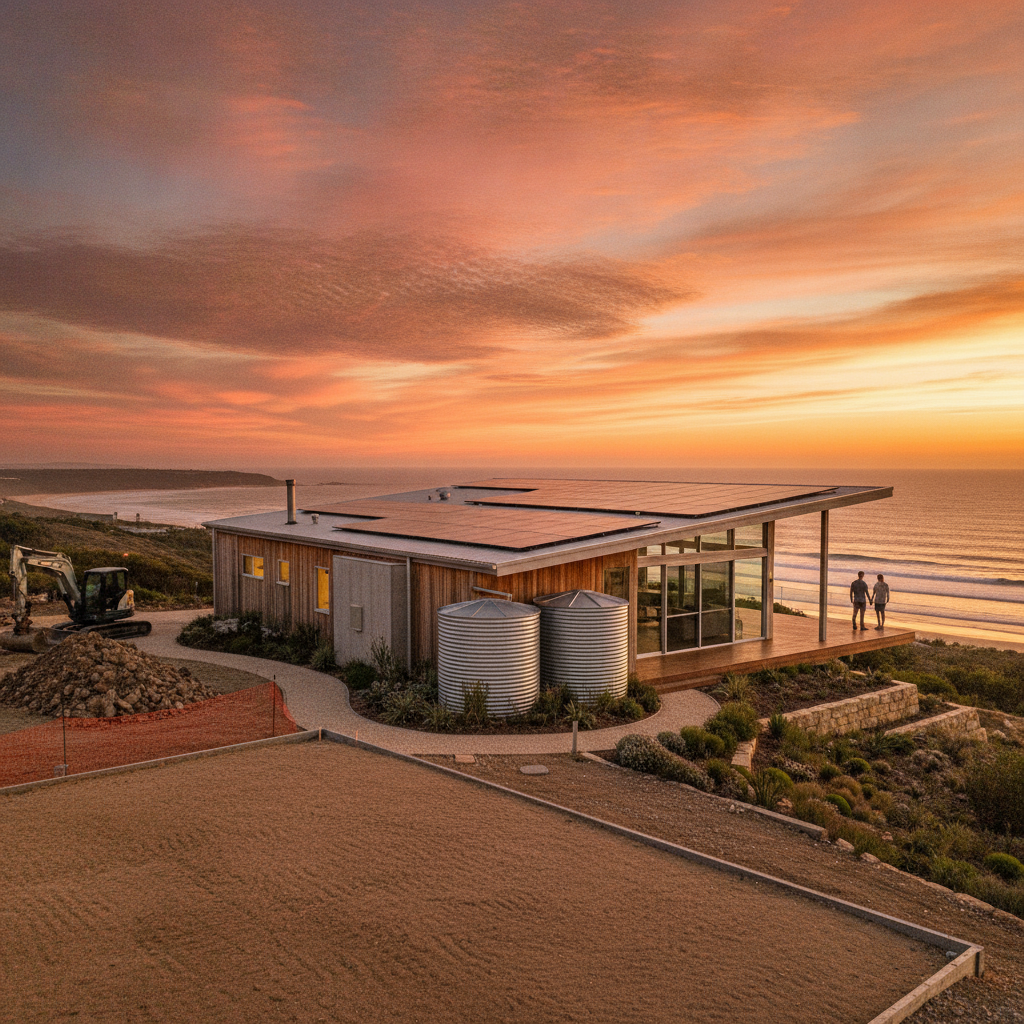
In many parts of Australia, Bushfire Attack Level (BAL) ratings and vegetation overlays dictate how much of your land you can clear. If you have a large block but a small BAL-rated building zone, you may be restricted to a smaller kit home size to ensure you maintain the necessary asset protection zones around the structure.
Matching the Home to Your Lifestyle
Once you know what the land allows, it is time to look inward at how you actually live. Think about your daily routine rather than the one day a year you host Christmas lunch.
The Rise of the Multi-Functional Room
One of the best tips for choosing a kit home size is to prioritize flexibility over raw square meterage. Do you really need a dedicated guest room that stays empty 350 days a year? Many savvy Australians are choosing three bedroom designs but utilizing one room as a home office or hobby space that can double as a guest room with a clever sofa bed. This allows for a more compact, efficient home without sacrificing utility.
Outdoor Living Integration
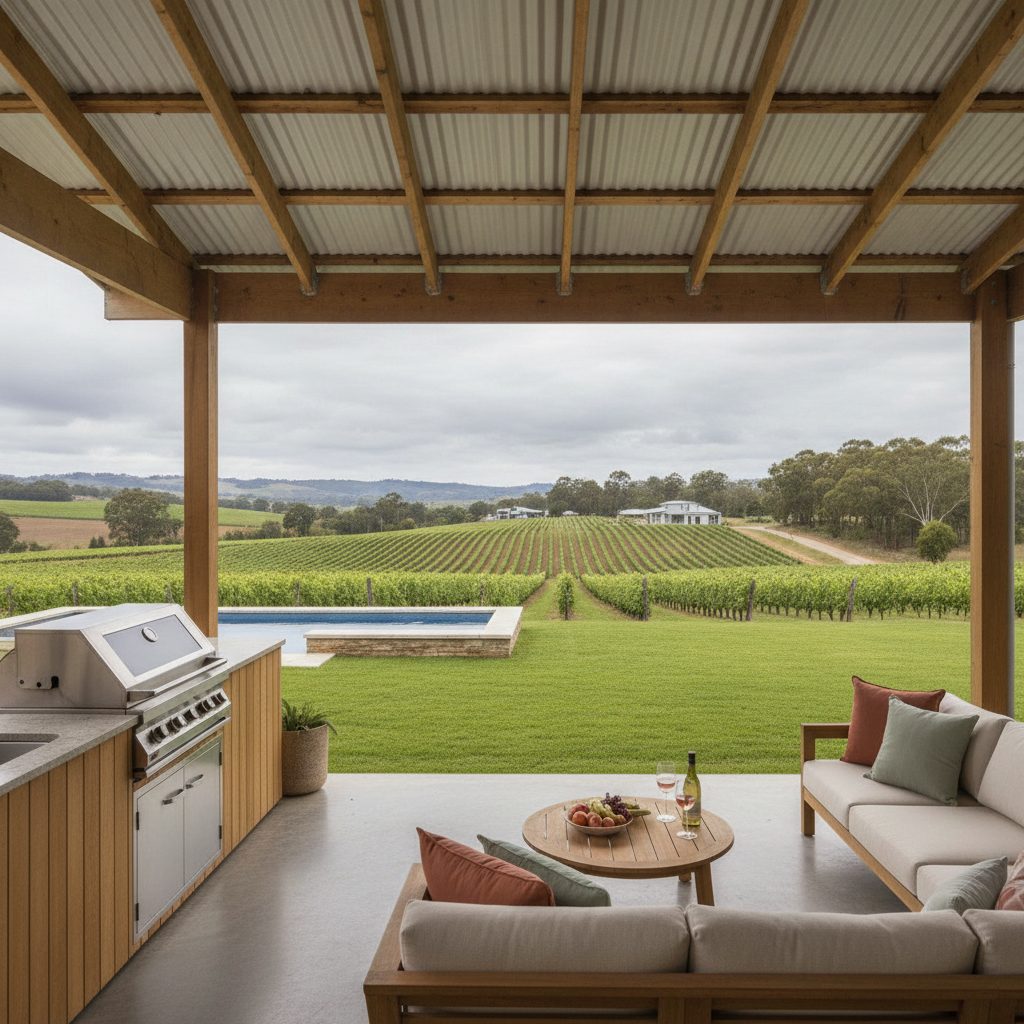
In the Australian climate, our living rooms often extend well beyond the walls. When choosing your kit size, consider how much of your time will be spent on the deck or under the verandah. If you plan on building a massive outdoor entertaining area, you might find you can comfortably downsize the interior living space. A smaller kit home with a large, well-designed deck often feels much larger and more connected to the landscape than a giant box with no outdoor flow.
Future-Proofing Your Design
A home is a long-term investment. While a two bedroom kit might be perfect for a young couple today, will it work if a family starts to grow or if elderly parents need to move in? On the flip side, if you are looking toward retirement, you might want to avoid a massive five bedroom home that will eventually become a burden to maintain.
Consider "aging in place" principles. This includes wider hallways and doorways, and perhaps a floor plan that keeps everything on one level. Steel frame kit homes are excellent for these considerations because the strength of the TRUECORE steel allows for wide, open-plan spans without the need for numerous internal load-bearing walls, giving you more freedom to adjust the interior layout.
The Practicalities of Owner Building and Scale
As an owner builder, the size of the kit you choose directly impacts the complexity of your project management. While you aren't swinging every hammer yourself, you are responsible for coordinating the trades and the materials.
The Management Factor
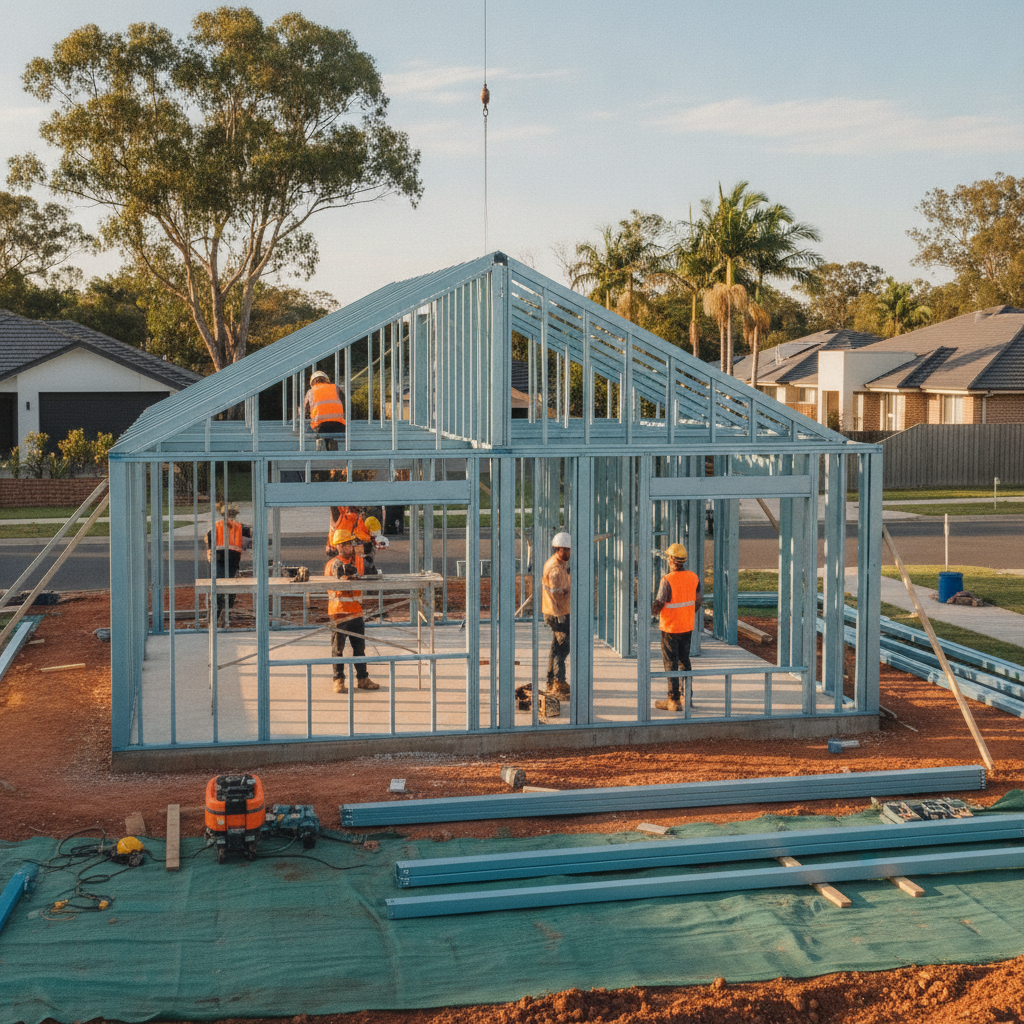
A larger home means more windows to install, more cladding to fix, and more insulation to tuck into the frames. It also means more tradespeople on site for longer durations. If this is your first project, a modest-sized home (between 120 and 180 square meters) is often the sweet spot for a manageable and rewarding owner builder experience.
Maintenance and Long-Tern Care
Smaller homes are simply easier to look after. From painting the exterior cladding down the track to cleaning the gutters, a right-sized home means less time on a ladder and more time enjoying your property. By choosing high-quality materials like BlueScope steel frames and quality Australian-made cladding, you are already reducing your maintenance load, but the physical scale of the building still plays a huge part.
Design Tips for making Small Spaces Feel Large
If your land or lifestyle suggests a smaller kit home is the best choice, don't worry about it feeling cramped. Here are some design tricks to maximize the feeling of space:
- Increase Ceiling Height: Raising your ceilings from the standard 2.4m to 2.7m or even using raked ceilings can make a small room feel twice as large.
- Strategic Window Placement: Large windows that look out toward a view or a garden create a visual extension of the room. At Kit Home Tips, we always recommend prioritizing natural light.
- Open Plan Flow: Minimizing hallways is the best way to save space. A direct flow from the kitchen to the dining and living areas creates a sense of airiness.
- Color Palette: Use light, neutral tones for your interior walls and flooring to reflect light and keep the atmosphere bright.
Conclusion
Choosing the right kit home size is not about getting the biggest house you can fit on your block. It is about understanding the unique characteristics of your Australian land and being honest about how you want to spend your time. Whether it is a compact weekend getaway or a spacious family home, the key is balance.
By taking the time to research your council requirements, thinking critically about your future needs, and focusing on quality over quantity, you will ensure that your owner builder journey results in a home that is just right. Remember, the best homes aren't those that fill up the whole block, but those that leave room for life to happen both inside and out.