Mastering the Exterior: A Guide to Kit Home Cladding
When you embark on the journey of building a kit home in Australia, you are faced with a series of pivotal decisions that will define the character, durability, and performance of your future residence. While much of the early planning focuses on floor plans and site orientation, the selection of your external cladding is arguably one of the most significant technical choices you will make. It is the skin of your home, after all, and it must withstand the harsh Australian climate while looking great for decades to come.
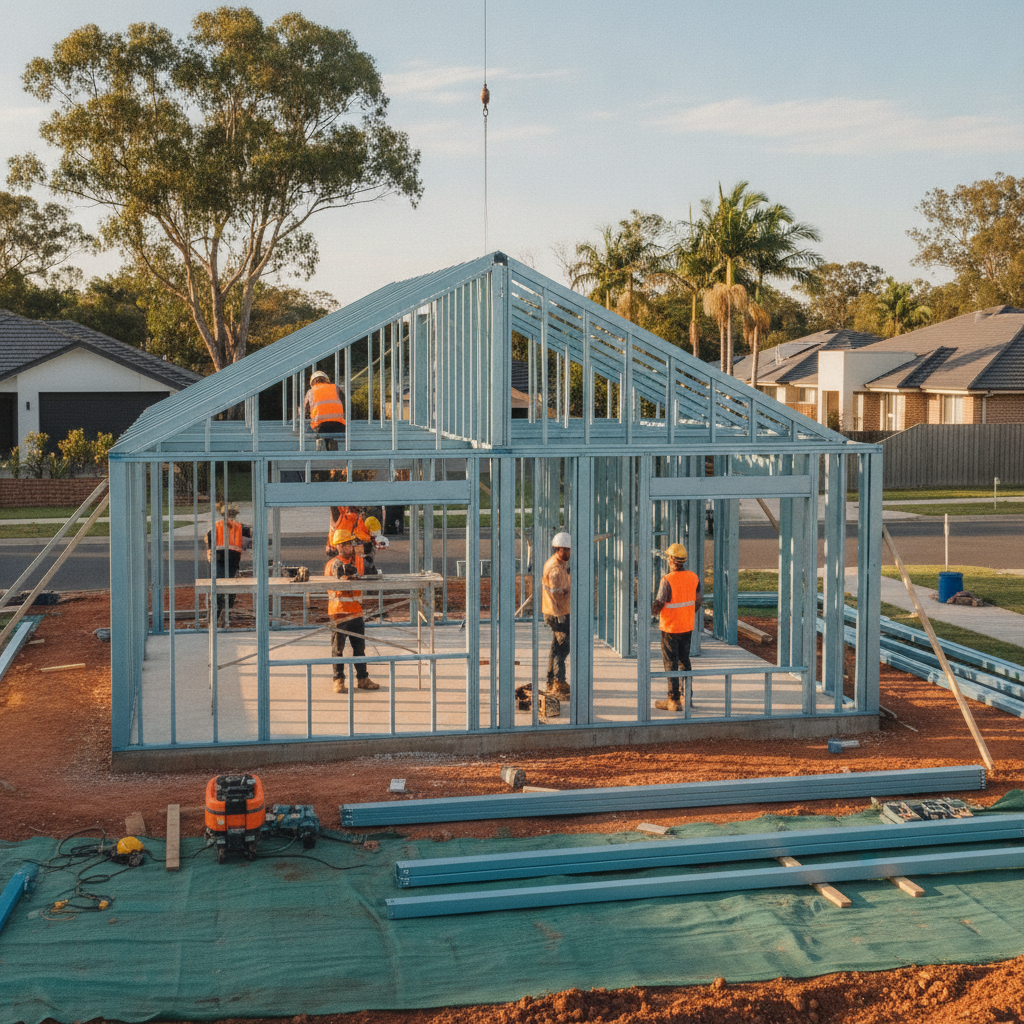
In modern Australian construction, the relationship between the structural frame and the exterior finish is critical. For many owner-builders, the choice of a high quality steel frame, such as one made from BlueScope TRUECORE steel, provides a perfectly straight and precise canvas. Because steel does not warp, twist, or shrink over time, it offers a stable foundation for any cladding material you choose. Let us dive into the technicalities of the most popular cladding options available for kit home builders today.
The Timeless Charm of Weatherboard
Weatherboard is synonymous with the Australian architectural landscape. From classic country cottages to modern coastal retreats, it offers a versatile aesthetic that is hard to beat. Traditionally made from timber, most modern kit home builders now opt for fibre cement weatherboards. These are specifically engineered to resist rot, termites, and fire, making them a much more practical choice for our environment.
Technical Advantages of Weatherboard
One of the primary reasons owner-builders love weatherboard is the ease of installation. When working with a steel frame, the boards are simply fixed through the vapor permeable sarking directly into the steel studs using specialized self-drilling screws. This create a lightweight wall system that does not require the heavy footings often needed for masonry.
Weatherboards also offer excellent thermal performance when combined with the right insulation. Because they are installed with an air gap (or battened out), they allow for a level of natural ventilation behind the skin, which helps manage moisture and heat. For those building in bushfire prone areas (BAL zones), fibre cement weatherboards are often rated for high BAL levels, providing peace of mind without sacrificing the traditional timber look.
The Strength and Substance of Brick Veneer
Brick veneer remains a staple in Australian suburbs for a reason. It provides a sense of permanence and thermal mass that many homeowners find comforting. In a kit home context, brick veneer involves building a non structural brick skin around the outside of your steel frame, leaving a small cavity between the two.
Integration with Steel Frames
Building with brick veneer over a steel frame is a smart technical move. The steel frame provides the structural integrity, while the bricks provide the protective outer shell. This combination is particularly effective at managing the "thermal bridge." Because steel frames are thin and precise, they allow for generous insulation batts to be fitted within the wall cavity, while the brickwork acts as a shield against physical impact and extreme weather.
It is important to note that brick veneer is a heavy option. If you are an owner-builder planning to use brick, your concrete slab must be designed with a "rebate" to support the weight of the bricks. This is something to discuss with your engineer during the early site work phase. While brick requires a professional bricklayer, the long term maintenance is incredibly low, as bricks do not require painting or sealing.
Modern Perspectives: Metal Cladding and Hebel
For those looking for a contemporary or industrial aesthetic, metal cladding (such as COLORBOND steel) is increasingly popular. It is exceptionally durable, lightweight, and comes in a massive range of Australian inspired colors. Technically, metal cladding is fantastic because it expands and contracts at a similar rate to a steel frame, ensuring the assembly moves in harmony.
Another rising star is Autoclaved Aerated Concrete (AAC), commonly known by the brand name Hebel. These are large, lightweight panels that are fixed to the exterior of the frame. They provide a smooth, rendered look once finished but are much faster to install than traditional brick and render. Hebel offers superior acoustic insulation, making it a great choice if your site is near a busy road or in a noisy neighborhood.
Owner Builder Tips: The Practical Side of Cladding
Choosing your material is only half the battle. As an owner-builder managing your own project, there are several technical factors you need to keep in mind during the installation phase:
- Vapor Barriers and Sarking: Regardless of your cladding choice, always ensure you use a high quality, breathable vapor barrier over your steel frames before the cladding goes on. This protects the frame from moisture while allowing internal condensation to escape.
- Fixing Types: Steel frames require specific fasteners. Ensure your cladding supplier provides screws designed for steel gauge, usually with a self-drilling tip and a head that allows the cladding to sit flush.
- Flashings are Key: Most leaks in new builds occur around windows and doors. Pay close attention to the installation of metal flashings. These must be integrated with your cladding to direct water away from the frame and interior.
- Expansion Gaps: Materials like fibre cement and metal will expand and contract as the temperature changes. Ensure you follow the manufacturer's guidelines regarding vertical and horizontal expansion joints to prevent cracking or buckling.
Comparing Cladding: A Quick Reference
To help you decide, here is a quick breakdown of how these materials stack up against each other:
Durability and Maintenance
Brick veneer is the king of low maintenance, followed closely by metal cladding. Weatherboards require occasional washing and, depending on the finish, may need repainting every 10 to 15 years. However, fiber cement options are far more durable than old-school timber boards.
Installation Speed
If you are looking to get your home at the "lock-up" stage quickly, metal cladding and large format panels like Hebel are the winners. They cover large areas fast. Weatherboards take more time due to the overlapping nature of the boards, and brick veneer is generally the slowest process as it requires a specialist trade and favorable weather conditions.
Aesthetic Versatility
Weatherboards win for flexibility. You can go for a Hamptons look, a rustic farmhouse vibe, or a modern minimalist style just by changing the color and orientation of the boards. Brick offers a more traditional, solid look, while metal cladding is perfect for bold, architectural designs.
The Importance of the Steel Frame Foundation
Throughout this comparison, the common denominator for a high quality kit home is the internal skeleton. Using Australian made BlueScope steel for your frames ensures that whatever cladding you choose, it is being attached to a surface that is straight, true, and dimensionally stable. Wood can bow or twist as it dries, which can cause cladding to crack or look wavy. Steel eliminates this risk, providing a professional finish that lasts.
Furthermore, steel frames are naturally termite proof. When you combine a steel frame with a termite resistant cladding like fibre cement or brick, you are creating a dual layer of protection for your investment. This is a critical consideration for many Australian regions where termite pressure is high.
Conclusion
Selecting the right cladding for your kit home is a balance of personal style, local climate conditions, and your capacity as an owner-builder. Whether you choose the classic lines of weatherboard, the solid feel of brick veneer, or the modern edge of metal, understanding the technical requirements of each will ensure a smoother build process.
Remember that as an owner-builder, you have the freedom to mix and match. Many modern Australian homes use a "feature wall" approach, combining brick on the lower levels with weatherboard or metal accents to create visual interest. Whatever path you take, starting with a precision engineered steel frame ensures your chosen cladding will look its best for a lifetime. Take your time, order samples, and look at how different materials handle the light on your specific site. Your dream home is a reflection of these choices, so make them count!