Roofing for the Great Aussie Climate
Ever stood out in the middle of a paddock in the July rain and wondered why you didn't put the roof on your kit home faster? Most owner-builders have been there. But before you even get to the installation phase, you've got a massive decision to make. What material is actually going to sit on top of your masterpiece? In Australia, your roof is your first line of defence against a sun that wants to bake you and storms that want to soak you. Choosing the right one is about more than just picking a colour that matches your ute.
Building a kit home gives you heaps of control over the final product. Because you're managing the project, you get to suss out exactly what works for your specific block of land. Whether you're dealing with the humidity of Far North Queensland or the freezing winds of the Tasmanian highlands, your choice of roofing material changes everything. It affects your insulation, your structural weight, and how much you'll be swearing about maintenance in ten years time.
The Steel Advantage
Let's talk about the elephant in the room. Most kit homes in Australia come with steel roofing for a reason. It's tough as nails. High-quality steel like BlueScope is designed for our conditions. It doesn't crack like tiles do when a big hailstone hits it, and it's light. Really light. This is a cracker of a benefit for owner-builders because it means the structural load on your frames is manageable, and the installation is a lot more straightforward than lugging thousands of heavy terracotta tiles up a ladder.
But even within steel, you've got choices. You need to think about the coating. If you're building right on the coast, the salt spray will eat cheap materials for breakfast. You'll want to look at specialised coatings designed for marine environments. These contain higher levels of protection to stop corrosion before it starts. If you're further inland, standard high-durability coatings are usually fine. Just don't skimp. A cheap roof is a recipe for a headache later on.
Keeping Your Cool When the Sun is Biting
Heat is the big one. We've all walked into a house in the middle of a scorcher and felt like we've stepped into an oven. Why does that happen? Often, it's because the roof is absorbing every bit of solar radiation and pumping it straight into the ceiling space. When you're picking your kit home roof, color matters. A lot.
Lighter colours reflect more heat. It sounds simple, but the science is rock solid. Using a thermally efficient light-coloured roof can significantly drop the temperature in your roof cavity. This takes the pressure off your air con and keeps your energy bills from skyrocketing. Some modern coatings even have thermal properties built-in that reflect infrared light even in darker shades. So, if you're dead set on a charcoal roof for that modern look, make sure it has that reflective technology. Otherwise, you'll be roasting by 10 AM.
Pitch and Profile: More Than Just Style
How steep is your roof going to be? This is the pitch. And it dictates what kind of roofing profiles you can use. Corrugated iron is a classic, but it has limits. If your roof is very flat, water won't run off fast enough, and it can pool. This leads to leaks. No worries if you've got a steep pitch, corrugated is great. But for flatter designs, you'll need a different profile like a tray-style or a rib-style that allows water to escape even at a low angle.
And don't forget the wind. If you're in a cyclone-prone area, the way your roof is fixed to your steel frames is vital. You'll need specific screw patterns and potentially thicker gauges of steel to ensure the whole thing doesn't take flight during a blow. I reckon it's worth checking your local wind rating before you even order your kit. It's one of those things that catches people off guard if they aren't careful.
The Bushfire Factor
Living in the bush is the dream for many people building a kit home. But with that comes the reality of bushfire attack levels (BAL). Your roofing material needs to be non-combustible. Steel is the gold standard here. However, it's not just about the sheets. It's about how you seal the gaps. Every little opening where a roof sheet meets a gutter is a spot where a stray ember can get in and start a fire in your insulation. When you're choosing your roofing system, plan for ember guards and high-quality flashing. It's about building a sealed envelope.
What About Condensation?
One thing people often forget when they're stoked about their new steel roof is condensation. Metal gets cold at night and hot during the day. When warm, moist air from inside your house hits that cold metal, it turns into water. You'll literally have it raining inside your roof space. Not ideal. The fix is pretty simple though. You need a good quality anti-condensation blanket or sarking. This is a thin layer of foil backed insulation that sits directly under your roof sheets. It stops the moisture from forming and gives you an extra layer of thermal protection. Trust me, don't build without it.
The Connection to Your Frames
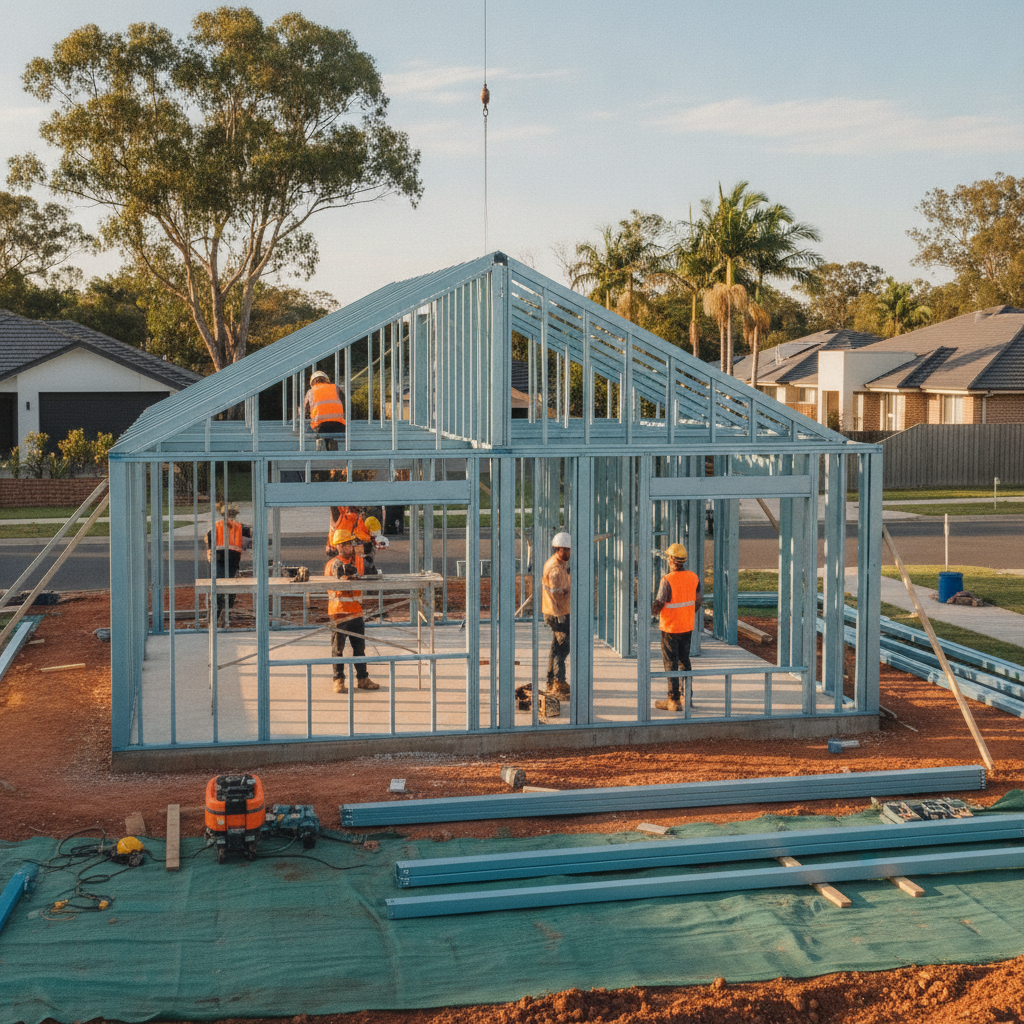
Your roof and your frames are a team. In a kit home, everything is engineered to work together. Using steel frames makes this connection exceptionally strong. Steel doesn't warp, shrink, or twist over time. This means your roof line stays dead straight. Have you ever seen an old timber house where the roof looks all wavy? That's the wood moving. With a steel frame and steel roof, that's one less thing to worry about. The screws bite into the steel rafters and stay there. It's solid as a rock.
Rainwater Harvesting
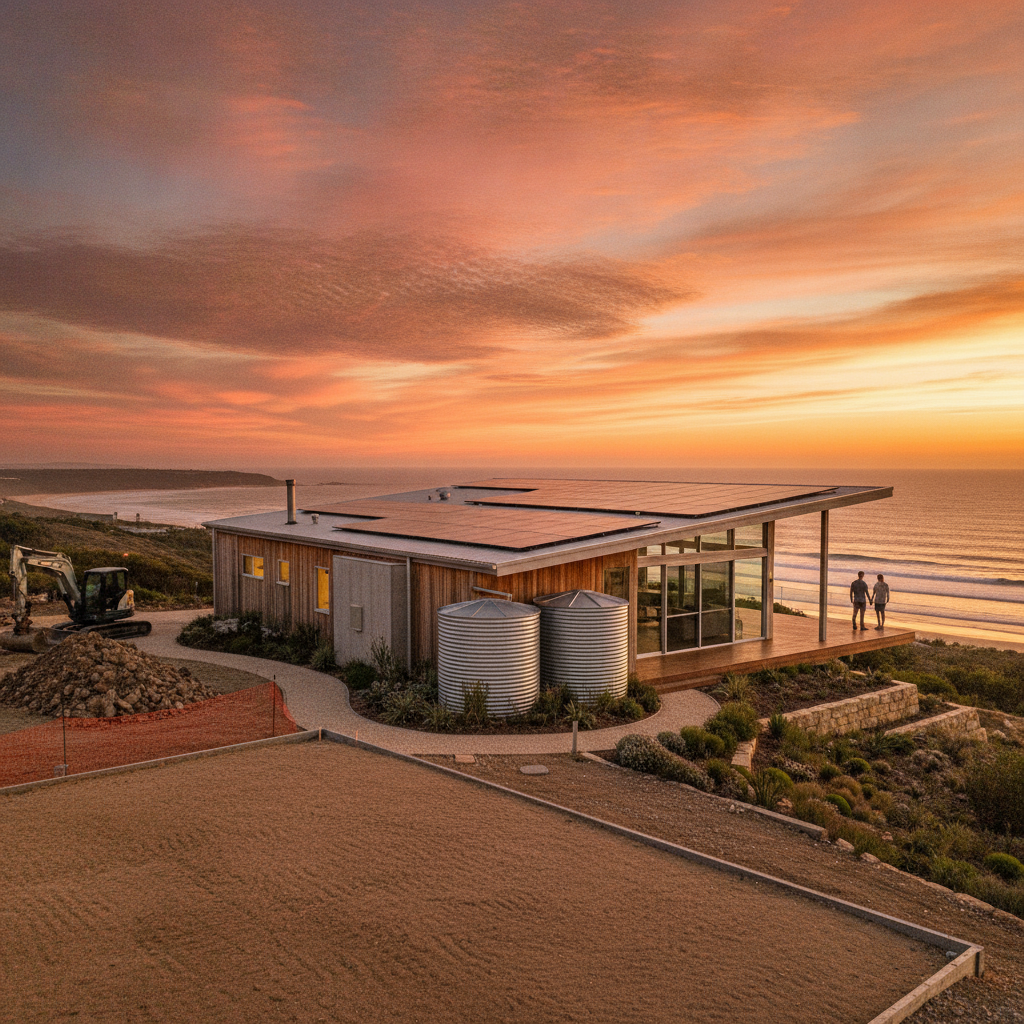
Are you planning on being self-sufficient? Many kit home owners aren't on town water. Your roof is your water collection plant. Steel is fantastic for this because it doesn't leave the water tasting like chemicals or dirt. It's clean and efficient. Just make sure your gutters are sized correctly for the rainfall intensity in your area. If you get those massive tropical downpours, regular gutters will overflow in seconds. Get the oversized ones. It might look a bit different, but you'll be grateful when the heavens open and your tanks are filling up instead of your garden beds being washed away.
A Note on Installation for Owner-Builders
When the kit arrives and the frames are up, the roof is the big milestone. It's when the house finally feels like a real building. But be careful. Working at heights is no joke. Most owner-builders hire a professional roof plumber for this part, and it's usually money well spent. They have the gear, the harnesses, and the experience to get it done in a fraction of the time. Plus, they'll make sure all the flashings around vent pipes and chimneys are watertight. There's nothing worse than finishing your dream home only to find a leak over your bed during the first big storm.
Final Thoughts
Choosing your roof is a big call. It determines how your kit home handles the elements and how comfortable you'll be inside. Take the time to look at samples. Think about the local climate. Think about the wind and the sun. And most importantly, make sure it's part of a complete system that works with your steel frames and insulation. Get it right, and you'll have a house that's tough, efficient, and looks bridge-standard for decades. Ready to get stuck in? It's a cracker of a project once you get the ball rolling.