Building for the Australian Sun: A Technical Guide to Roofing
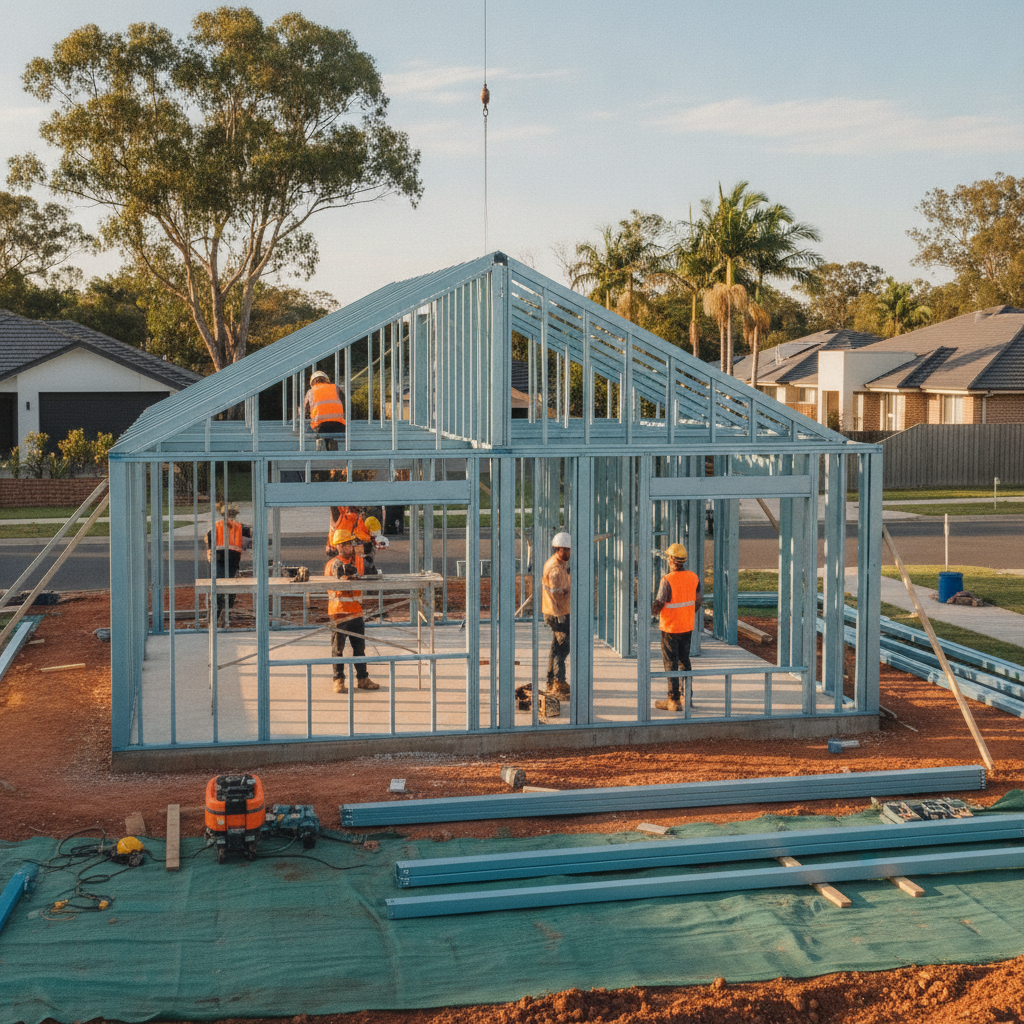
When you embark on the journey of building a kit home in Australia, your focus is often on the floor plan or the kitchen layout. However, from a technical construction perspective, the single most important barrier between you and the harsh Australian elements is your roof. The roof is the first line of defense against scorching summer heat, tropical downpours, and, in some regions, the threat of bushfires.
As an owner builder, understanding the technical specifications of roofing materials is vital. It is not just about what looks good from the curb; it is about thermal mass, solar absorptance, and structural compatibility with your steel frame. In this guide, we will break down how to choose the right roofing for your specific Australian climate to ensure your home remains comfortable and durable for decades.
Understanding Thermal Performance and Solar Absorptance
In Australia, our biggest challenge is usually keeping heat out rather than keeping it in. This is where the concept of solar absorptance comes into play. When selecting roofing for your kit home, you will notice materials are often rated from 'Light' to 'Very High' in terms of solar intake.
A light colored roof, such as a pale grey or off-white, has a low solar absorptance rating. Technically speaking, it reflects more of the sun's radiation away from the building. For those building in the Northern Territory, Queensland, or the outback regions of Western Australia, a light colored roof is a non-negotiable building technique for energy efficiency. It can reduce the temperature in your ceiling space by as much as 20 degrees Celsius compared to a dark roof, significantly lowering the load on your air conditioning units.
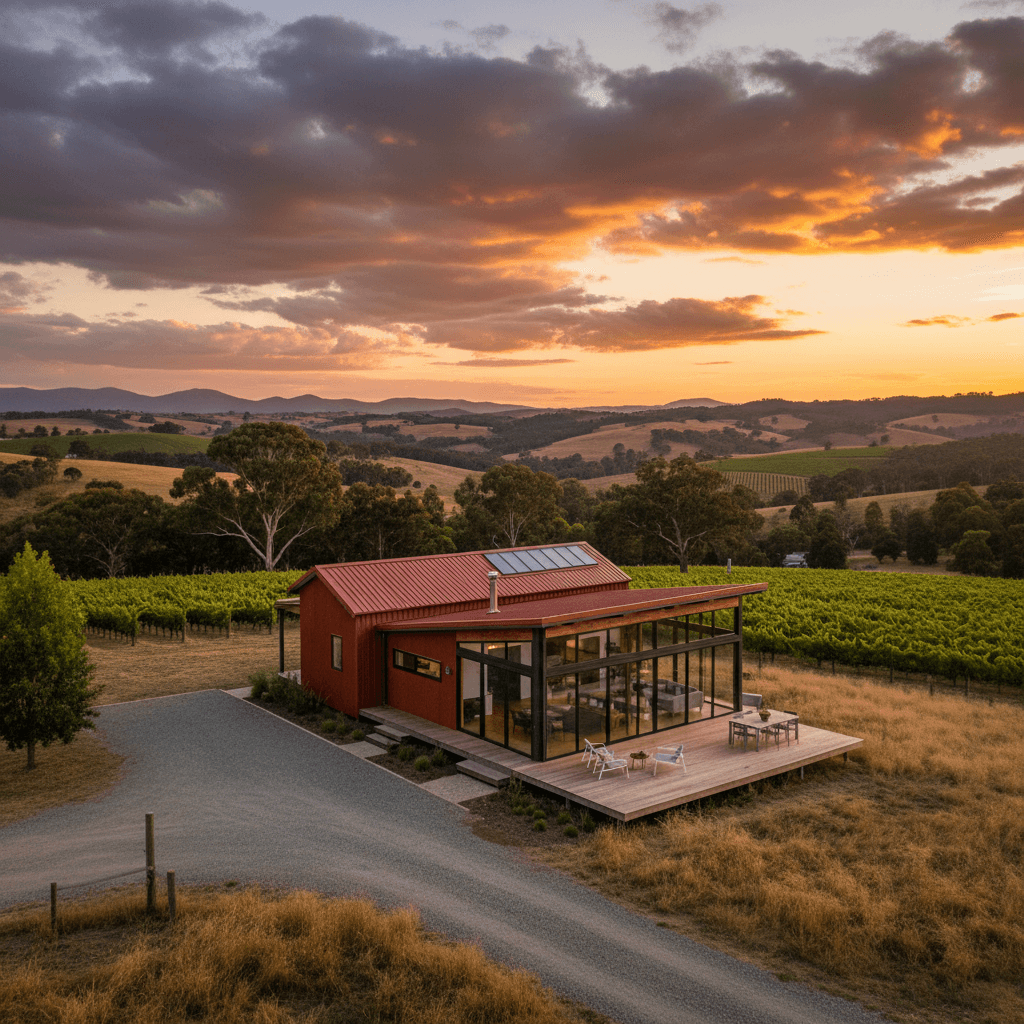
Conversely, if you are building in the cooler regions of Tasmania or the Victorian Highlands, a darker roof can be a strategic choice. The higher solar absorptance helps the home trap a little more heat during the winter months, aiding the thermal performance of your insulation.
The Benefits of Steel Roofing in Kit Home Construction
Most modern Australian kit homes are designed to integrate seamlessly with steel roofing. There are several technical reasons why metal is often the superior choice for owner builders compared to traditional heavy tiles.
Weight and Structural Load
Steel roofing is significantly lighter than concrete or terracotta tiles. When you are working with a high quality steel frame system, using a lightweight roof reduces the dead load on the structure. This is particularly important for homes built on reactive clay soils or in areas where seismic activity or high winds are a factor. A lighter roof allows for more flexibility in design and often requires less intensive structural support than heavy masonry options.
Sustainability and Water Collection
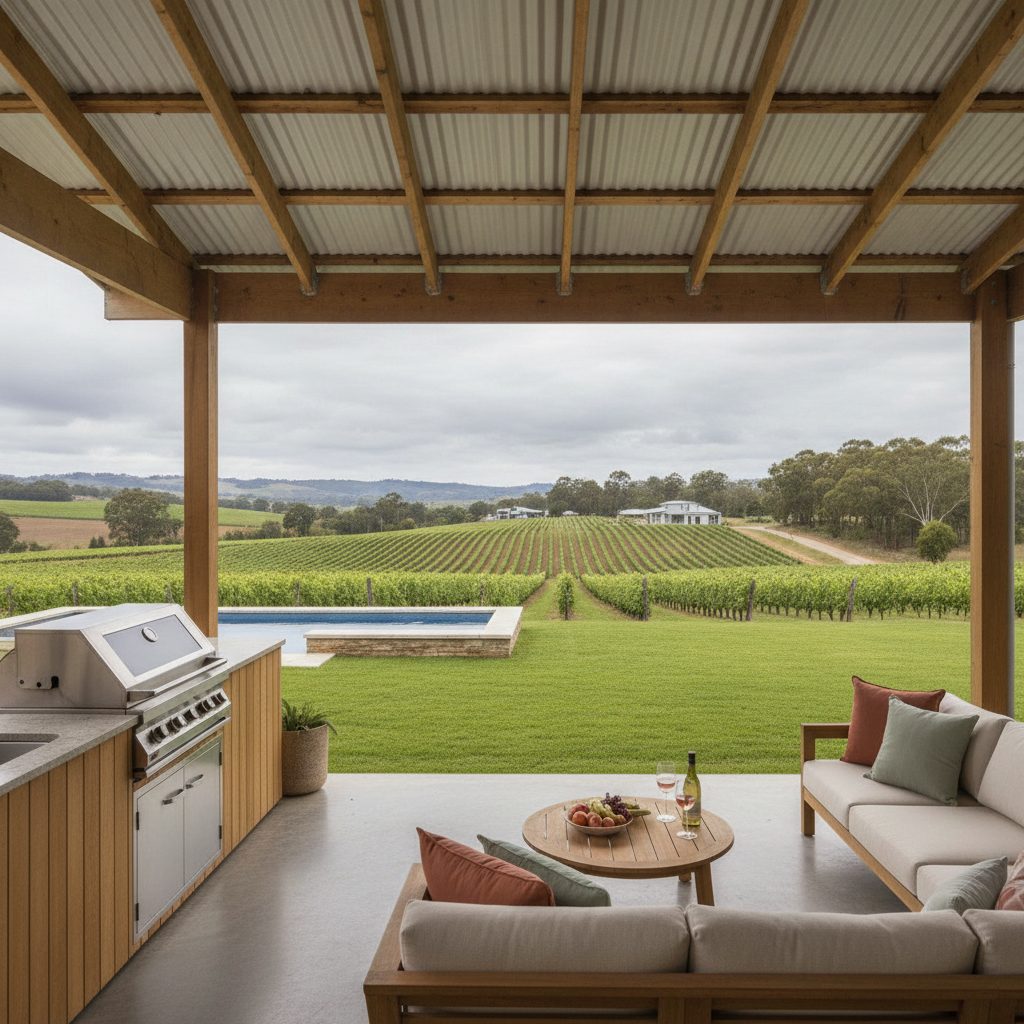
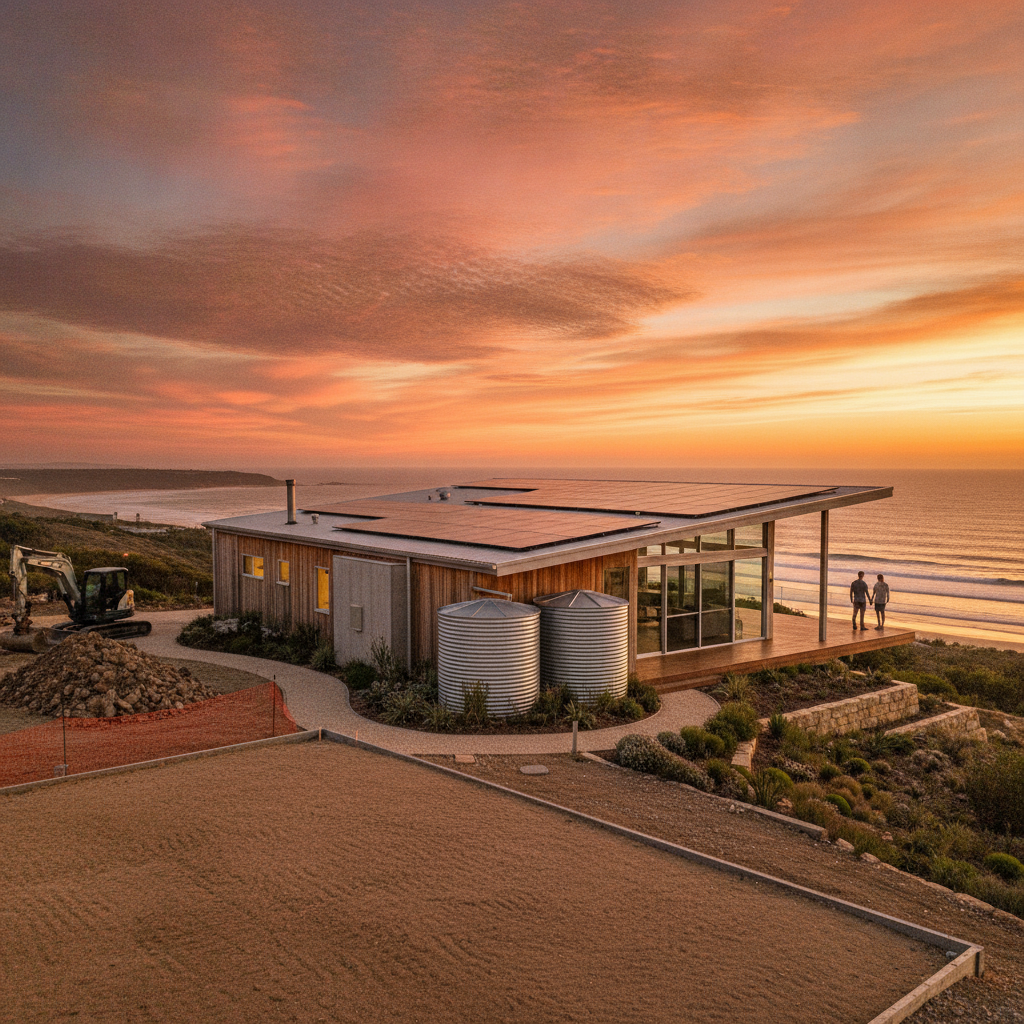
For many Australians living in rural or semi-rural areas, the roof serves a secondary purpose: a water catchment system. Steel roofing is ideal for this. Unlike some older tile types that may contain lead based glazes or porous surfaces that encourage lichen growth, modern coated steel is a clean, efficient surface for harvesting rainwater for your tanks.
Adapting to Specific Regional Climates
Australia is a continent of climatic extremes. Your building techniques must reflect your specific location. Let us look at how roofing choices shift across different zones.
Tropical and Sub-Tropical Regions
In the Top End and North Queensland, humidity and heavy rainfall are the primary concerns. Wide eaves are a common design feature in kit homes here to shade the walls and windows. Technically, your roofing choice needs to handle high volumes of water movement. Profiles with deeper ribs can carry more water during a tropical deluge, preventing overtopping into the eaves. In these regions, ensuring your roof is installed with high quality sarking and specialized insulation blankets is essential to manage the humidity levels within the roof cavity.
Coastal Locations
Building within a few kilometers of the ocean is a dream for many, but it presents technical challenges for building materials. Salt spray is highly corrosive. If you are building a coastal kit home, you must look for roofing materials specifically designed for marine environments. These products feature specialized coatings and alloys that resist the corrosive effects of salt air. Standard galvanised products may fail prematurely in these zones, so always check the proximity ratings of your chosen materials.
Bushfire Prone Areas (BAL Ratings)
If your block is in a Bushfire Attack Level (BAL) rated zone, your roofing choices are governed by strict building codes. A steel roof is an excellent choice for bushfire resilience because it is non-combustible. Technical considerations include ensuring that all gaps in the roofing profile are sealed with metal mesh or ember guards to prevent flying cinders from entering the roof space. This is a critical building technique that can be the difference between a home surviving a fire or being lost from the inside out.
The Role of Insulation in Technical Roofing
No matter what roofing material you choose, it is only one part of a system. A high performance roof requires a combination of reflective foil, bulk insulation, and ventilation. For owner builders, focusing on the "R-value" of your insulation is key. The R-value measures the material's resistance to heat flow.
When installing a kit home, we recommend a multi-layered approach. An anti-condensation blanket (which combines foil and glasswool) should be laid directly under the roofing sheets. This prevents moisture from forming on the underside of the steel and provides an initial thermal barrier. Below this, in the ceiling space, bulk insulation batts should be installed. This combination keeps the home quiet during rain and thermally stable year-round.
Practical Tips for the Owner Builder
If you are managing the assembly of your kit home yourself, here are some on-site tips for roofing success:
- Safety First: Never walk on a roof during wet weather or high winds. Use proper safety harnesses and edge protection as required by your local workplace health and safety laws.
- Storing Materials: If your roofing sheets arrive before you are ready to install them, store them off the ground and under cover. Ensure they are slanted slightly so any condensation can drain off. If water gets trapped between stacked sheets, it can cause white rust or staining.
- Cutting Techniques: Avoid using a grinder to cut steel roofing. The heat from a grinder can damage the protective coating and the hot metal filings can melt into the paint surface, leading to rust spots later. Use power shears or "nibblers" for a clean, professional finish.
- Fastener Selection: Ensure you use the correct class of screw for your environment. For example, stainless steel or high-grade coated screws are necessary for coastal areas to match the longevity of the roofing sheets.
Conclusion: A Holistic Approach
Building a home is about creating a sanctuary that lasts. By choosing your roofing materials based on technical merit and climatic suitability rather than just aesthetics, you are investing in the long-term health of your building. Whether you are opting for a light colored steel roof to beat the Queensland heat or a specialized marine grade coating for your beachside retreat, the right building techniques will ensure your kit home remains a comfortable, efficient, and beautiful space for a lifetime.
Remember, the roof is more than just a lid on your house; it is a sophisticated system of heat management, water protection, and structural integrity. Take the time to research your local conditions, talk to technical experts, and choose a solution that works with the unique Australian environment.