Building for the Sun, Salt, and Storms: A Guide to Kit Home Roofing
When you embark on the journey of building a kit home in Australia, one of the most critical decisions you will make happens right at the top. The roof is your home's first line of defense against our unique and often harsh environment. From the tropical humidity of the far north to the biting frost of the Tasmanian highlands and the intense UV rays of the outback, every Australian climate demands something different from its building materials.
As an owner-builder, understanding the technical side of roofing is not just about aesthetics; it is about thermal performance, structural integrity, and long-term maintenance. In this guide, we dive deep into the building techniques and material considerations that will help you choose the best roofing solution for your specific location.
The Backbone: Why Materials Matter
In the world of kit homes, steel is the gold standard for Australian conditions. While traditional tiles have their place, lightweight steel roofing has become the preferred choice for owner-builders across the country. This is largely because it integrates perfectly with modern building techniques, particularly when using BlueScope steel frames. Steel roofing, such as COLORBOND steel, offers a high strength to weight ratio, which places less stress on your wall frames and foundations compared to heavy terracotta or concrete tiles.
However, simply choosing steel is only the beginning. You need to consider the specific profile, the coating, and how these interact with your local weather patterns to ensure your home remains comfortable and durable for decades.
1. Coastal Environments: The Salt Challenge
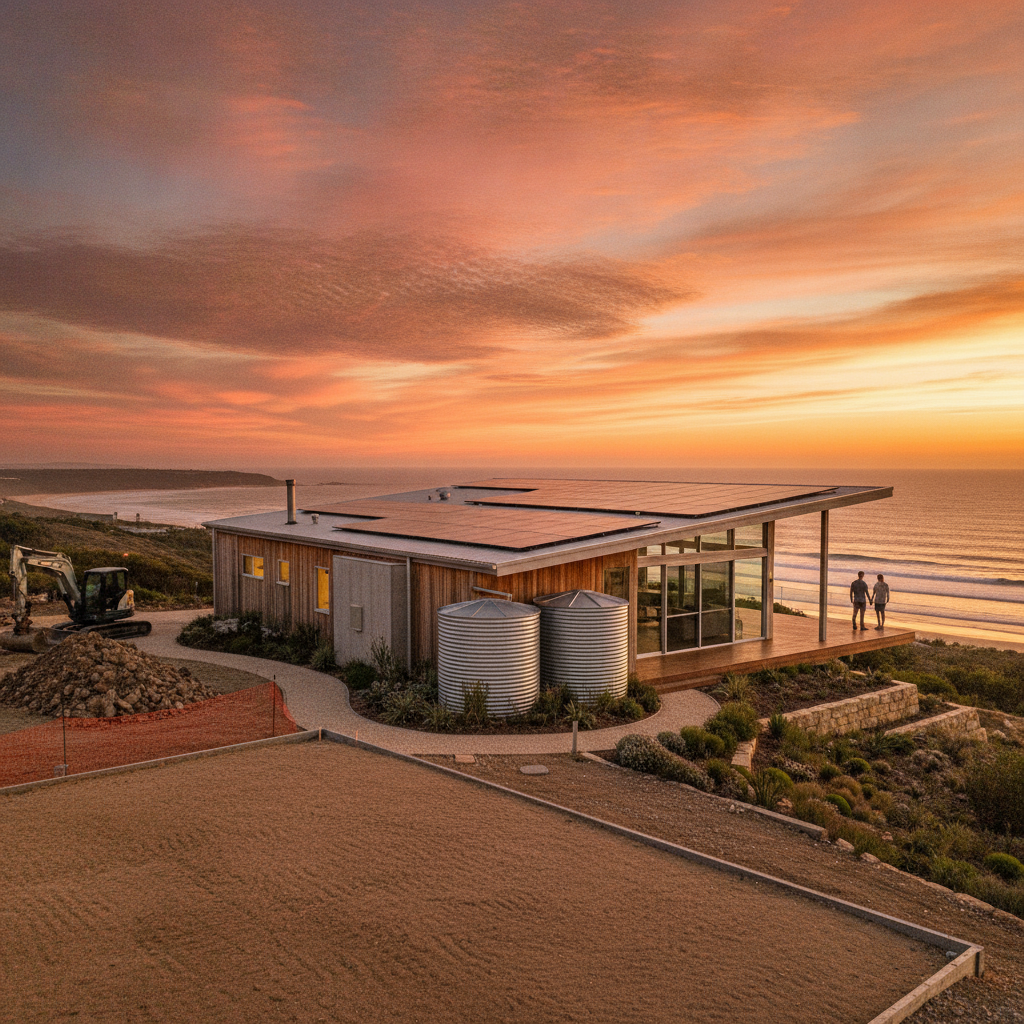
If you are building your kit home within sight of the ocean, salt spray is your biggest enemy. Salt is highly corrosive and can eat through standard materials if they are not specifically designed for marine environments. For these builds, builders often recommend specialized grades of steel. For example, COLORBOND Ultra steel is engineered specifically for severe coastal environments where the smell of salt is constant in the air.
Building Tip: When building near the coast, ensure your roofing installation includes appropriate fasteners. Using standard screws on a high-grade marine roof creates a weak point where corrosion can start. Always match the durability of your fixings to the durability of your sheets.
2. Tropical and High-Rainfall Zones: Managing Water and Humidity
In the Top End or the wet tropics of Queensland, the primary concerns are heavy downpours and high humidity. Here, the building technique focuses on water shedding and ventilation. A steeper roof pitch is often beneficial to allow water to clear the surface as quickly as possible during a monsoon.
The profile of the steel sheet also matters. Deep-ribbed profiles are designed to carry larger volumes of water away from the ridge and into the gutters without overflowing. Additionally, in these humid areas, condensation under the roof sheet can lead to mold and dampness in the ceiling space. Using high-quality insulation blankets with a foil face (anticon) directly under the roof sheets is a non-negotiable technique here to prevent moisture buildup.
3. The Arid Interior: Dealing with Extreme Heat
For those building in the Red Centre or inland rural areas, the sun is the primary factor. The thermal performance of your roof determines how hard your air conditioning has to work. This is where Thermatech technology comes into play. Many modern steel roofing products are designed to reflect more of the sun's heat, keeping the roof space cooler.
Color choice is not just about looks in these regions. Lighter colors like Surfmist or Shale Grey have much lower solar absorbance than darker tones like Monument or Ironstone. In a hot Australian summer, choosing a light-colored roof can reduce the temperature in your roof cavity by several degrees, significantly lowering your energy consumption.
Understanding Roof Profiles and Pitch
The "profile" refers to the shape of the steel sheet. The choice of profile affects both the look of your kit home and how it performs. Here are the three most common profiles used in Australian building techniques:
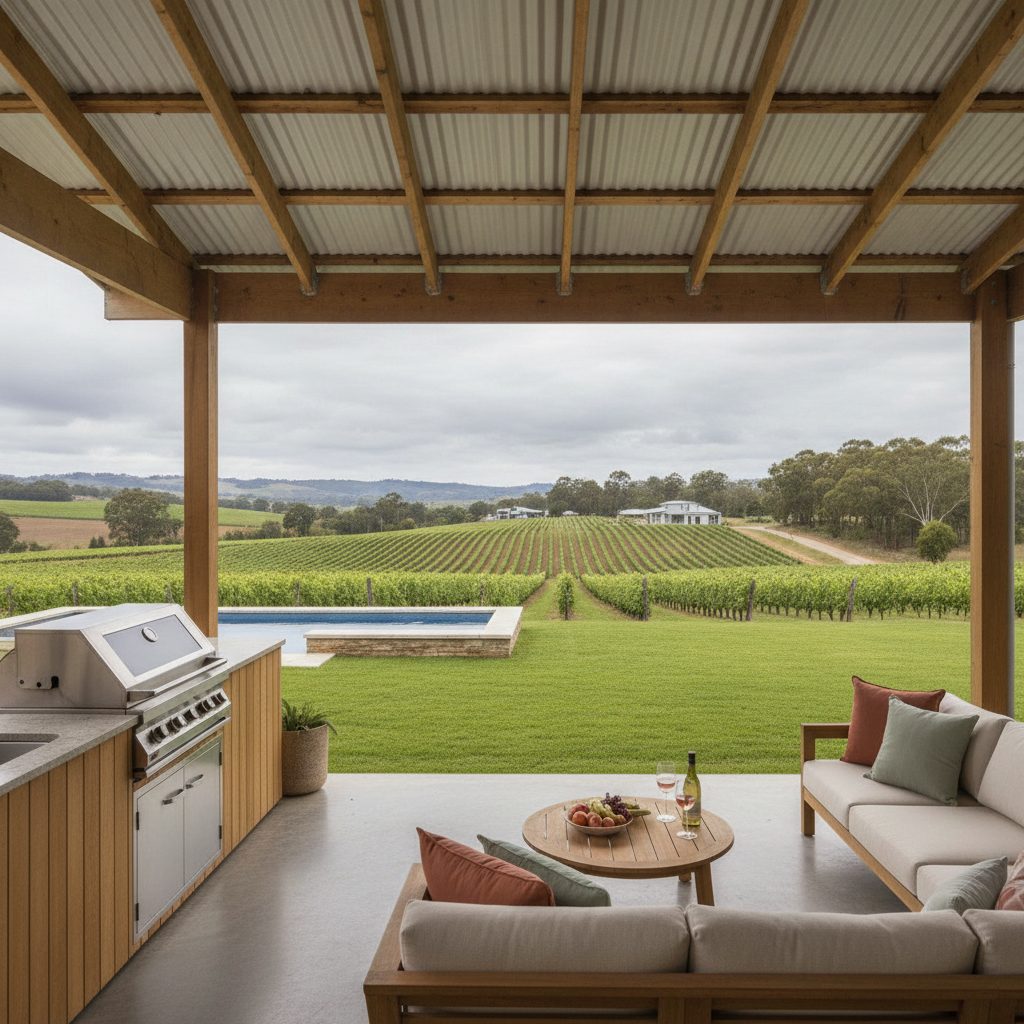
- Corrugated: The classic Australian look. It is versatile and works well on most roof pitches above 5 degrees. It is easy to handle for owner-builders and fits perfectly with the traditional Australian homestead aesthetic.
- Monoclad/Trimdeck: These have a more modern, angular look with higher ribs. They are excellent for shedding water and can be used on lower pitches (as low as 2 or 3 degrees in some cases), making them ideal for contemporary, flat-roof designs.
- Standing Seam: Often seen on high-end architectural builds, this profile has hidden fixings. It offers superior water tightness and a sleek, industrial finish.
Structural Integration with Steel Frames
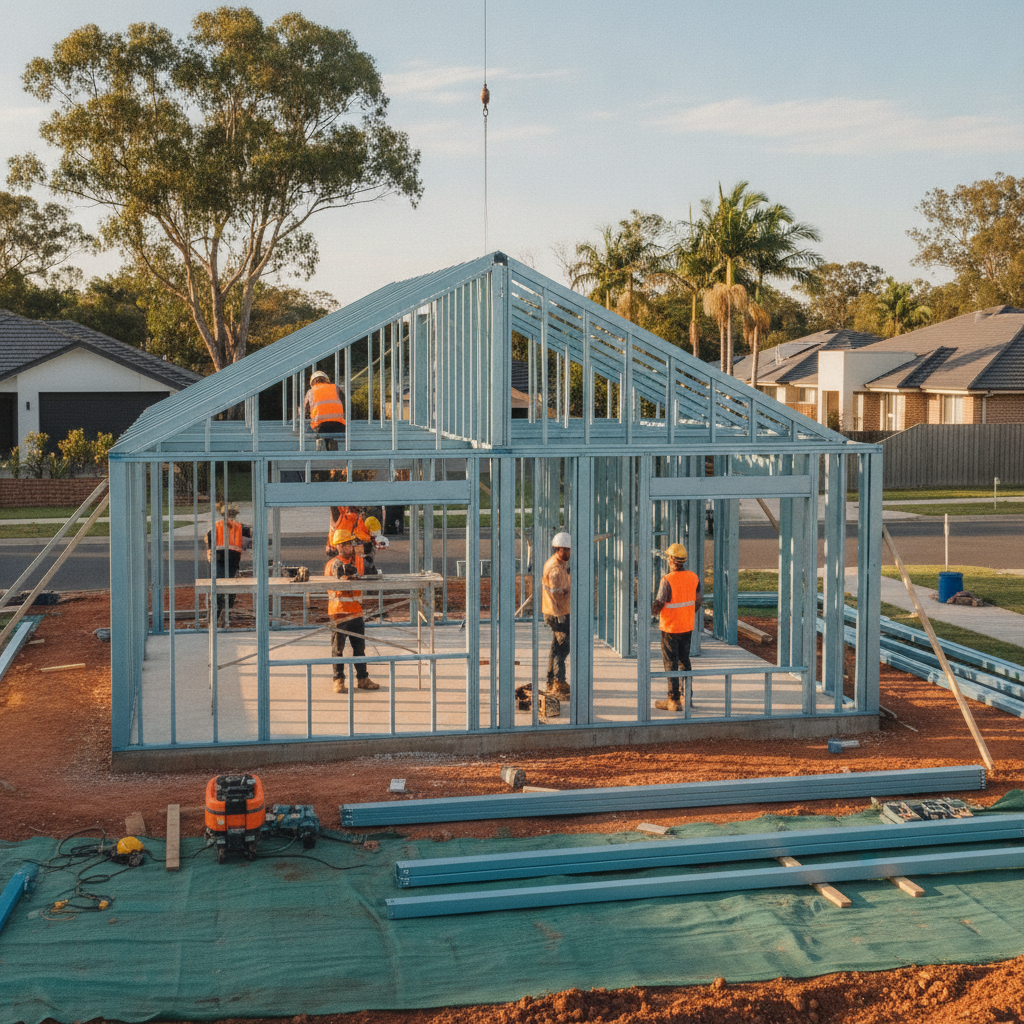
One of the advantages of modern kit homes is the precision of the steel frame. When your kit arrives with TRUECORE steel frames, the roof trusses are engineered to exact specifications. This makes the roofing installation much smoother for an owner-builder. Because the frames are dimensionally stable (they do not warp or shrink), your roof lines will remain straight and true. This prevents the "wavy" look often seen in older timber-framed homes and ensures that the flashings and gutters fit perfectly.
Practical Tips for the Owner-Builder
If you are managing the installation of your kit home roof, here are some essential building techniques to keep in mind:
Insulation is Key
Never skimp on insulation. A kit home should be a sanctuary, and the roof represents the largest area of heat gain and loss. Combining a reflective foil laminate with bulk insulation batts in the ceiling will create a high-performance thermal barrier. This is often referred to as a "total R-value" approach, looking at the combined resistance of all materials in the roof system.
Don't Forget Ventilation
A roof needs to breathe. Even with great insulation, heat can build up in the attic space. Installing eave vents and ridge vents, or mechanical options like whirlybirds, allows hot air to escape and draws cooler air in. This simple technique extends the life of your building materials and keeps your home much more comfortable.
Bushfire Attack Levels (BAL)
If you are building in a bushfire-prone area, your roofing choices are governed by law. Steel is naturally non-combustible, which is why it is preferred for BAL-rated zones. Ensure that your roofing is installed with ember guards and that there are no gaps larger than 3mm where embers could enter the roof cavity. This technical detail is a lifesaver in the Australian summer.
The Importance of Professional Flashing
While laying the main sheets of a roof is satisfying work for an owner-builder, the real skill lies in the flashings. Flashings are the metal pieces that seal the joins, corners, and penetrations (like chimneys or vents). Most leaks occur not through the sheets themselves, but through poorly installed flashings. Ensure you follow the manufacturer's guidelines for "scribing" your flashings to the profile of the roof, and always use high-quality silicone designed for metal roofing.
Maintenance for Longevity
Even the best roof needs a little love. If you live in an area with low rainfall, salt and dust can accumulate on the parts of your roof that do not get washed by rain (like under the eaves or the underside of a carport). Periodically hosing these areas down with fresh water will prevent premature corrosion and keep your kit home looking brand new for decades.
Conclusion
Choosing the right roofing for your Australian kit home is a balance of science, style, and geographical necessity. By understanding how different materials and profiles interact with your local climate, you can build a home that is not only beautiful but also resilient and energy-efficient. Whether you are opting for the classic corrugated look or a sleek modern profile, the combination of high-quality steel frames and well-considered roofing techniques will ensure your owner-builder project stands the test of time. Take the time to research your specific climate zone, speak with experts about the best coatings for your area, and remember that a great house starts with a great roof.