The Journey to Your Dream Kit Home Starts with the Right Questions
There is something uniquely Australian about the dream of building your own home. Whether it is a weekend retreat in the bush, a secondary dwelling for family, or a sprawling rural homestead, the kit home path offers a level of control and satisfaction that project builders simply cannot match. However, before the first steel frame arrives on your property and a single bolt is tightened, you face the most critical stage of the process: choosing the design.
Committing to a floorplan is more than just picking a layout that looks good on a screen. It is about understanding how that structure will sit on your specific piece of Australian soil, how it will stand up to our harsh climate, and how it will function for your family ten years down the track. As you browse through various designs, it is easy to get swept up in the aesthetics, but a successful owner-builder project requires a more analytical approach. To help you navigate this phase, we have compiled the essential questions you should be asking before you sign off on your kit home design.
1. How Does the Design Interact with the Australian Sun?
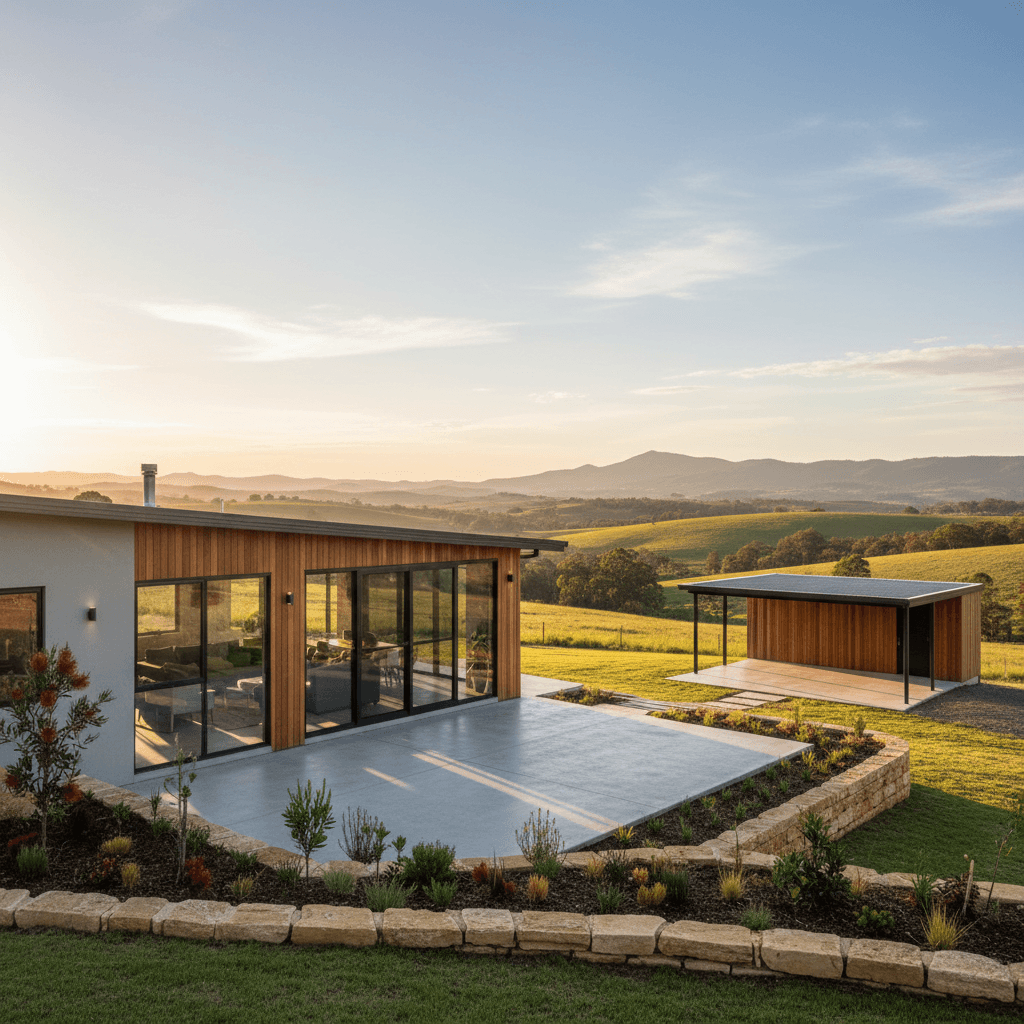
In Australia, the sun is both our best friend and our biggest challenge. Passive solar design is not just a buzzword, it is the difference between a home that is naturally comfortable and one that costs a fortune to cool. When looking at a kit home design, ask yourself where the main living areas are located. Ideally, these should be north-facing to soak up the lower winter sun while being easily shaded from the harsh summer heat.
Consider the placement of windows and glass sliding doors. Does the design allow for cross-ventilation? Australia’s summer nights are much more bearable when you can catch a breeze. If the design you love has massive west-facing windows without any eaves or shading, you might want to ask if the window placement can be tweaked. A good kit provider should offer designs that can be mirrored or adjusted to suit the specific orientation of your block.
2. Is the Design Compatible with My Local Council and Site Conditions?
Every local council in Australia has its own set of rules, often referred to as Development Control Plans (DCPs). Before falling in love with a specific two-story kit, check your local height restrictions and setback requirements. Furthermore, your site itself will dictate much of what is possible. If you are building on a sloping block, a flat-slab design might require extensive earthworks, which can complicate your build significantly.
You also need to consider your Bushfire Attack Level (BAL) rating. Many parts of regional Australia are subject to strict bushfire construction standards. Ask whether the kit home components, such as the roofing and cladding, meet the requirements for your specific BAL rating. Using high-quality materials like BlueScope steel for frames and roofing is often a smart move in these areas, as steel is non-combustible and provides a robust skeleton for the home.
3. Does the Layout Reflect My Actual Lifestyle?
It is easy to get distracted by trendy features, but practical living should always come first. Think about your daily routine. Do you need a dedicated mudroom to kick off dirty work boots before entering the main house? If you work from home, is the study tucked away from the noise of the kitchen and living area? For many owner-builders in regional areas, the transition between the great outdoors and the indoor living space is the most used part of the home.
Ask yourself if the "flow" makes sense. Can you easily carry groceries from where you will park your car to the kitchen? Is there enough storage for the things Australians actually own, like camping gear, surfboards, or bulk pantry supplies? A kit home is a blank canvas, so ensure the layout you choose serves your family's unique habits rather than trying to fit your life into a generic box.
4. How Sustainable and Quality-Focused are the Materials?
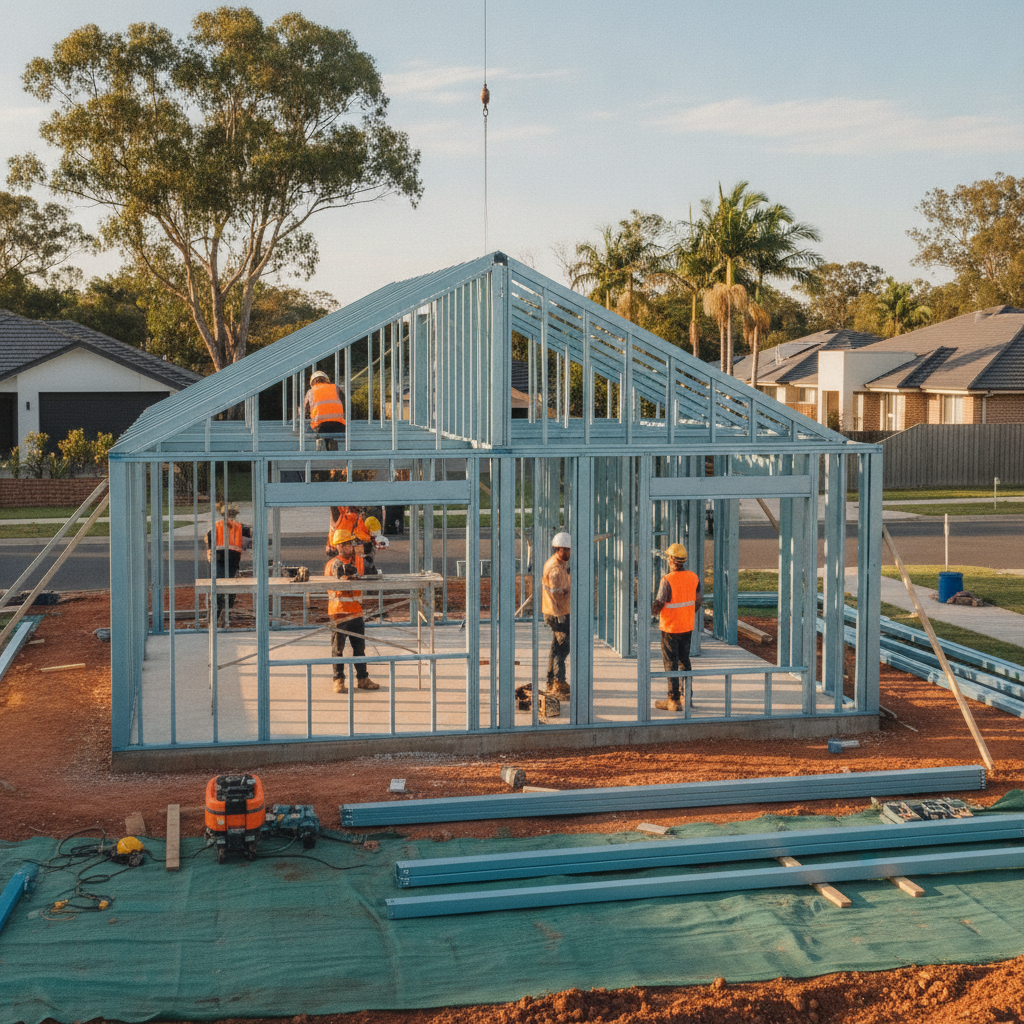
As an owner-builder, you are the quality control manager. When you purchase a kit, you want to know that the bones of the building are going to last. This is where it pays to look under the hood. Ask about the framing material. In Australia, light gauge steel frames made from TRUECORE steel are a popular choice because they are straight, true, and termite-proof. Unlike timber, steel won't warp or twist over time, which means your doors won't stick and your plasterboard is less likely to crack.
Beyond the frame, look at the exterior. Are the windows double-glazed? Is the insulation included in the kit sufficient for your climate zone? A kit home that includes high-quality cladding and roofing from trusted Australian brands ensures that your home will not only look great but will withstand the intense UV rays and weather events common to our environment.
5. What Is Actually Included in the Kit (And What Isn't)?
This is perhaps the most important question for any prospective owner-builder. "Kit home" can mean different things to different people. Generally, a comprehensive kit should include the internal and external wall frames, roof trusses, roofing iron, external cladding, windows, and external doors. However, you need to be very clear on the items that are typically excluded.
Most kits do not include the concrete slab or flooring system, the internal fit-out (like kitchens, bathrooms, and wardrobes), or the electrical and plumbing components. Knowing exactly where the kit provider's responsibility ends and yours begins allows you to plan your project timeline more accurately. Ask for a detailed inclusions list so you can see exactly what materials will be arriving on the truck.
6. How Much DIY Work am I Honestly Prepared to Do?
The beauty of a kit home is the flexibility it offers. You can choose to be a hands-on builder, physically standing the frames and fixing the cladding, or you can act as a project manager, hiring licensed trades to do the heavy lifting. Before you commit to a complex, multi-level architectural design, be honest about your skill level and the time you have available.
Steel-framed kits are often favoured by DIY enthusiasts because the frames arrive pre-punched for electrical and plumbing, and they are relatively lightweight to handle. If you are planning to do a lot of the work yourself, ask the provider about the assembly instructions and the level of technical support they offer during the build. A design that is intuitive to put together will save you countless hours of frustration on-site.
7. Will This Design Grow With Us?
We often build for our current needs, but a home is a long-term investment. If you are a young family, will that third bedroom still be adequate when the kids are teenagers? If you are looking toward retirement, are the hallways and doorways wide enough for future accessibility needs? Ask if the design allows for easy future extensions. One of the advantages of a steel-framed kit home is that it can often be designed with large open-span areas, making it easier to reconfigure internal walls later on if your needs change.
Practical Tips for the Design Phase
- Walk the site: Take the floorplan out to your block of land. Use stakes and string to mark out the corners of the house. This gives you a real feel for the views and the space.
- Check the delivery access: A kit home arrives on large trucks. Ask if the design or the delivery method can accommodate a tight or difficult access road.
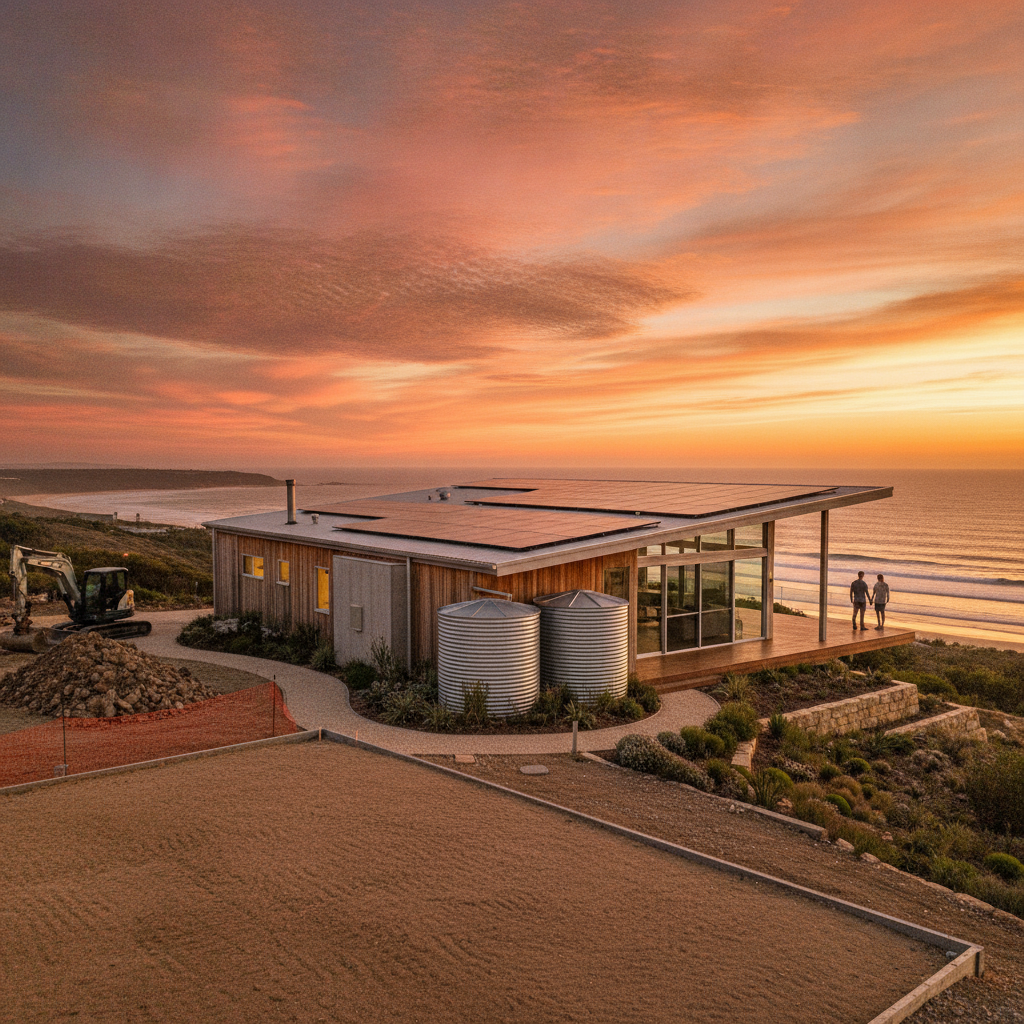
- Think about the roof: A simple roofline is not only easier to build but there is also less chance of leaks over time. In Australia, a good pitch is also great for installing solar panels.
- Consult the experts: Don't be afraid to ask your kit provider for advice. They have seen hundreds of builds and can often point out a potential floorplan issue you might have missed.
Conclusion
Choosing a kit home design is an exciting milestone. It represents the transition from a dream to a tangible plan. By asking these critical questions early in the process, you set yourself up for a smoother building journey and a more functional, durable home. Remember, as an owner-builder, you are in the driver's seat. Take the time to ensure your chosen layout respects your land, your lifestyle, and the Australian environment. With a solid design and high-quality materials like Australian-made steel, you are well on your way to creating a home that will stand proud for generations.