The Journey to Your Dream Kit Home
There is something uniquely Australian about the dream of building your own home. Whether it is a coastal retreat, a rural homestead, or a backyard studio, the kit home route offers a sense of pride and involvement that you simply do not get with a standard turnkey build. However, before the first steel frame arrives on site and the first bolt is tightened, there is a critical phase that defines the success of your project: the design phase.
Choosing a design is not just about how many bedrooms you need. It is about how the house sits on your land, how the light moves through the rooms, and how the structure will stand up to the Australian elements over the next fifty years. For owner-builders, the design phase is where you solve problems before they become expensive mistakes. To help you navigate this process, we have compiled the essential questions you should ask before signing off on your kit home design.
1. How Does the Design Work With My Local Climate?
Australia is a land of extremes. A design that works perfectly in the breezy tropics of Queensland might be a thermal nightmare in the frost-prone valleys of the Snowy Mountains. When looking at a kit home design, ask yourself how it handles your specific local weather patterns.
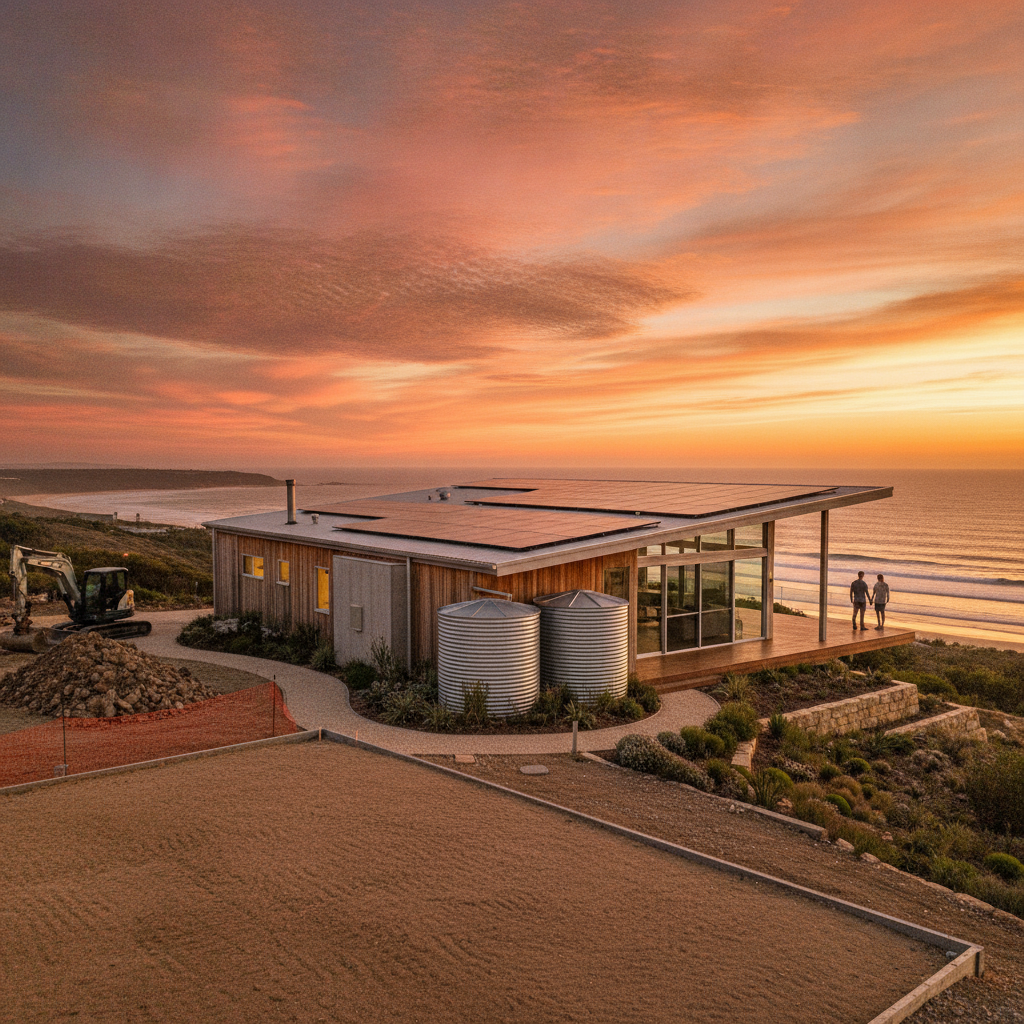
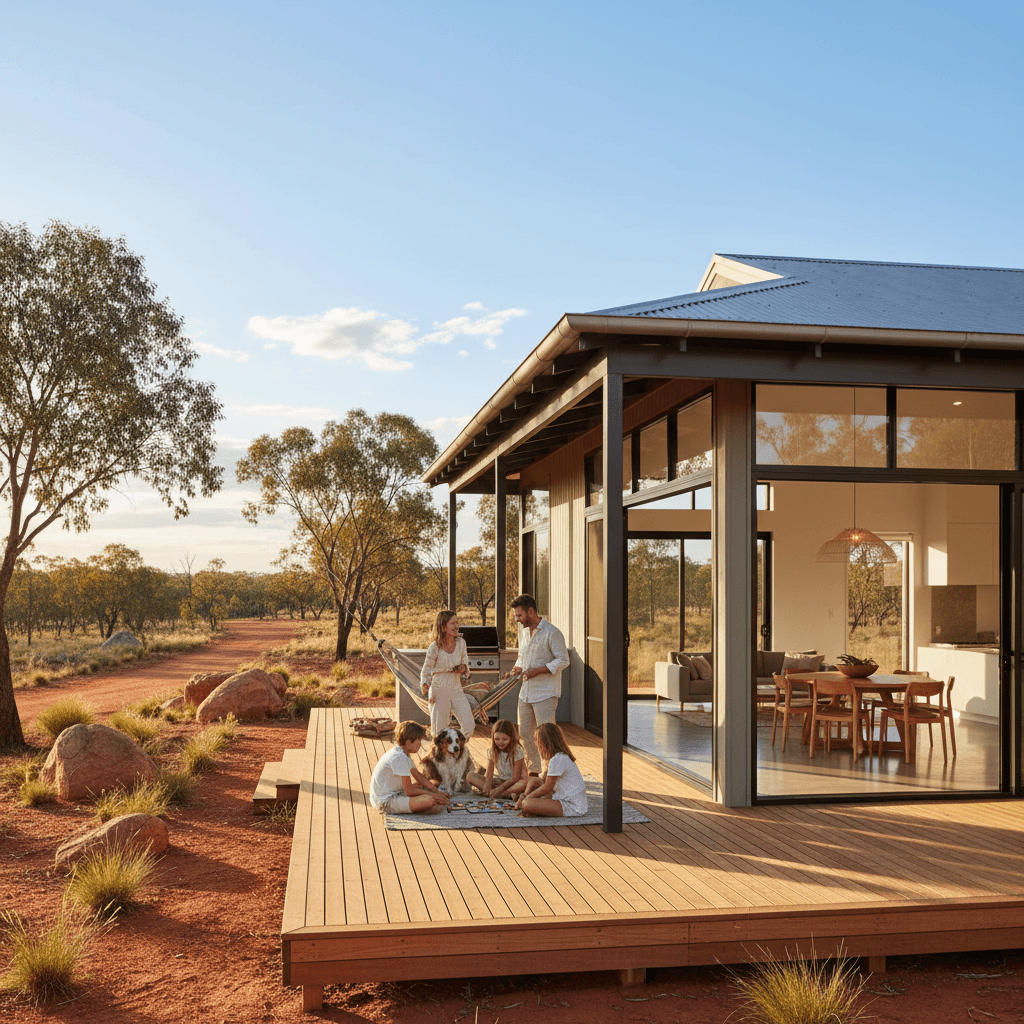
Look at the orientation of the living areas. Do the large windows face north to capture the winter sun? Is there enough eaves overhanging to shade the glass during a blistering January afternoon? Using high-quality glass and proper insulation, which typically come included in a comprehensive kit, is only half the battle. The design itself must work with nature, not against it. A well-designed kit home will keep you comfortable year-round while reducing your reliance on artificial heating and cooling.
2. Is the Structural Core Built to Last?
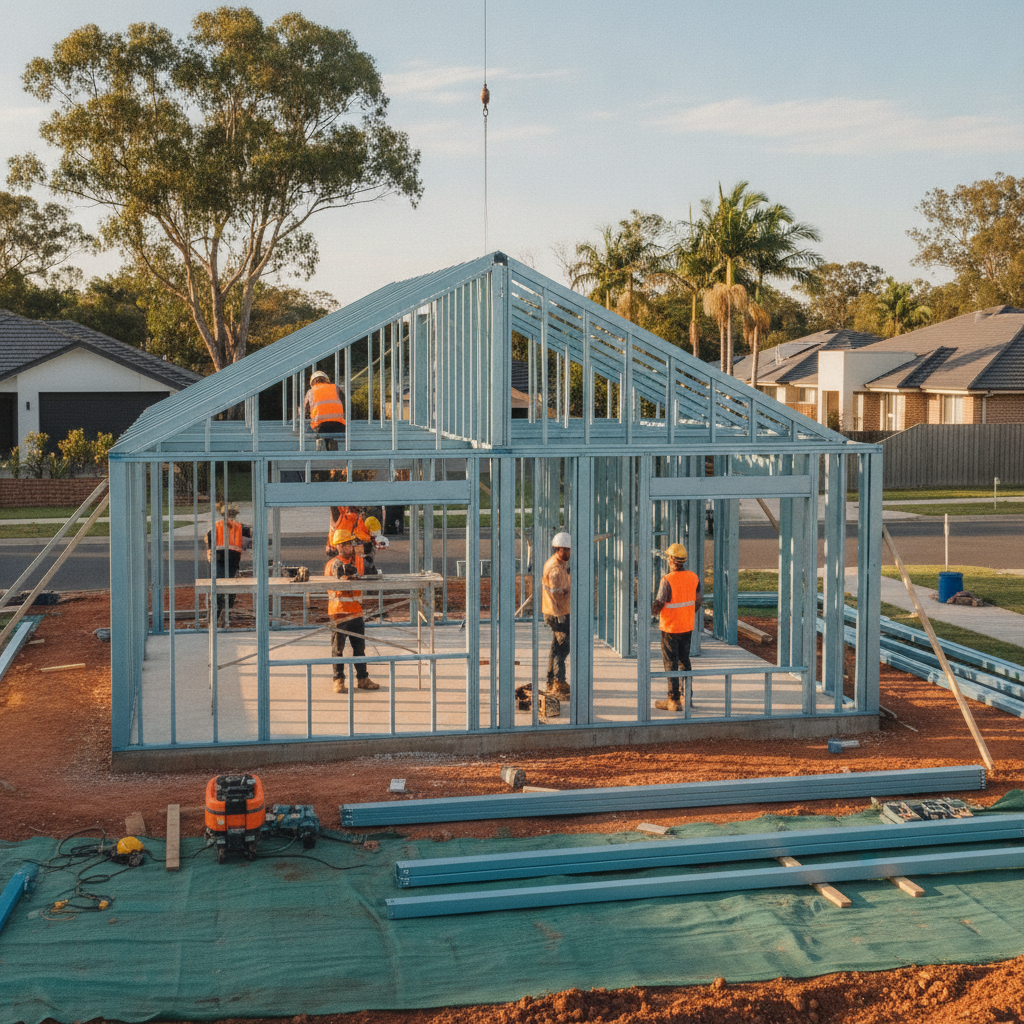
When you are committing to a home design, you are also committing to a structural system. In the Australian market, steel frame construction has become a gold standard for kit homes, and for good reason. Asking about the quality of the steel is paramount. You want to ensure the frames and trusses are made from trusted Australian products, such as BlueScope TRUECORE steel.
Why does this matter during the design phase? Steel frames are incredibly strong yet lightweight, allowing for open-plan designs and large spans that might be difficult or more expensive with traditional timber. Furthermore, steel is 100 percent termite-proof and non-combustible. In many parts of Australia, particularly in high Bushfire Attack Level (BAL) zones, choosing a steel frame kit is not just a design preference, it is a smart safety decision. Ensure your design leverages the precision of steel, which arrives pre-punched and ready for assembly, making the job much smoother for an owner-builder.
3. Can the Floor Plan Grow With My Lifestyle?
It is easy to design for who you are today, but a kit home is a long-term investment. Ask yourself: will this design still work in ten or twenty years? This concept, often called universal design, involves looking at the flexibility of the spaces.
If you are a young family, that extra media room might be a playroom now, but could it serve as a home office or a guest suite later? If you are planning to age in place, are the hallways wide enough, and is the transition from the garage to the kitchen seamless? Because kit homes use modern engineering, you often have the freedom to configure internal non-load-bearing walls more easily than in older construction styles. Talk to your provider about how the internal layout can be tweaked to suit your long-term vision.
4. What Exactly is Included in the Box?
This is perhaps the most practical question for any owner-builder. A kit home is a sophisticated puzzle, and you need to know exactly which pieces are being delivered. Typically, a high-quality kit will include the steel frames and trusses, the external cladding, roofing material, windows, external doors, and the necessary insulation.
However, you need to be clear about what you are responsible for sourcing locally. Usually, this includes the concrete slab or flooring system, the internal fit-out like kitchens and bathrooms, and the electrical and plumbing components. Asking for a detailed inclusions list during the design phase ensures that when your kit arrives on the back of a truck, you are not surprised by missing components. It also allows you to start talking to local trades about the specific windows or cladding types mentioned in your plans.
5. How Will the Design Handle My Site Sloping?
Not every block of land is a flat paddock. If your site has a slope, you need to ask if the design can be adapted for a sub-floor system rather than a standard concrete slab. Steel floor joists are an excellent solution for sloping sites, allowing the home to sit elevated off the ground. This not only minimises the need for massive excavation and retaining walls but also allows for better natural drainage and airflow under the house.
When reviewing a design, consider the height of the floor level. If you are building in a flood-prone area or simply want to take advantage of a view, an elevated design might be the way to go. Make sure the design you choose is compatible with the footings required for your specific piece of dirt.
6. Is the Assembly Process Clear for an Owner-Builder?
The beauty of a kit home is the ability to manage the project yourself, but you should never feel like you are flying blind. Ask about the documentation that comes with the design. Are the assembly drawings easy to read? Are the steel frames clearly labelled to match the plans?
A good kit home design is one that has been engineered for efficiency. Since the steel frames are manufactured to millimetre-perfect specifications, the components should fit together logically. As an owner-builder, your time is valuable. A design that is overly complex for no functional reason will only lead to frustration on site. Look for a provider who understands the DIY perspective and offers a design that balances aesthetic beauty with logical, straightforward construction steps.
7. Does the Aesthetic Match My Surroundings?
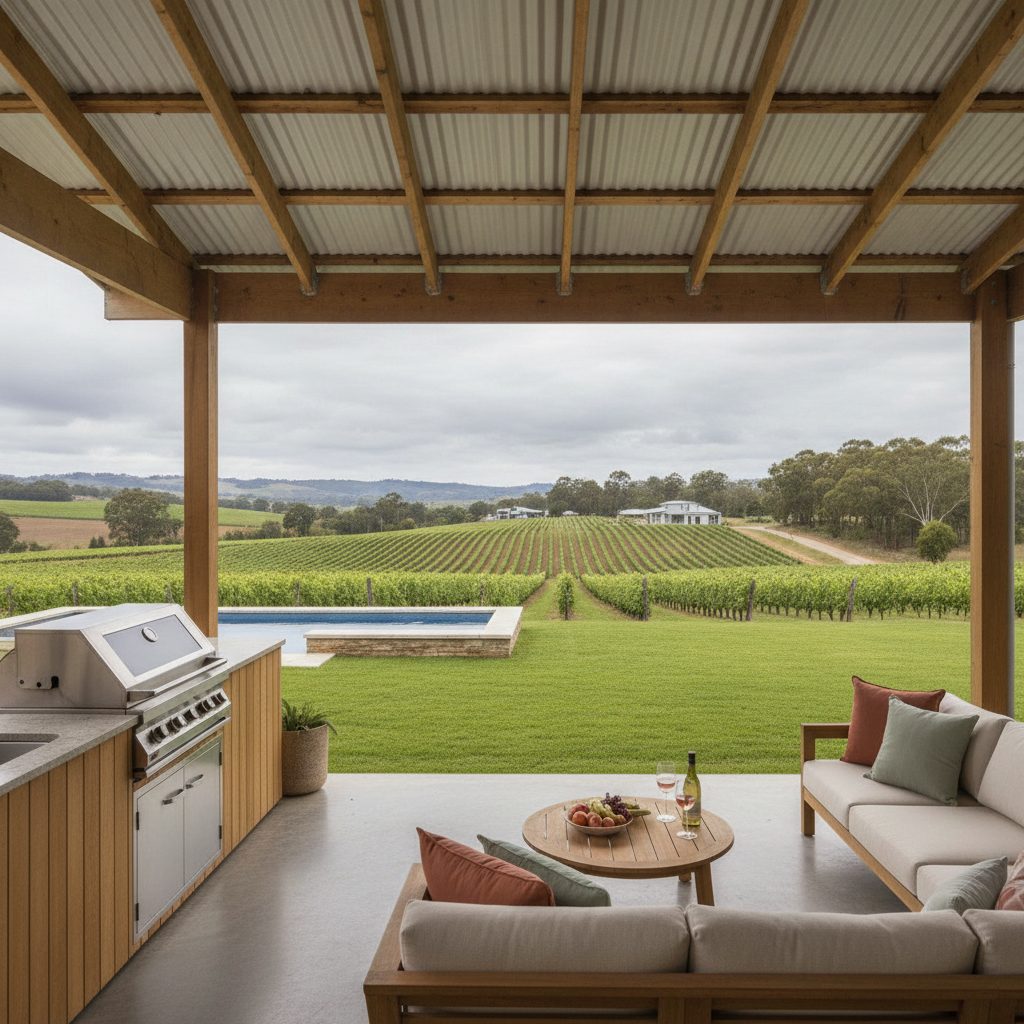
Lastly, think about the visual impact of your home. Australia has a rich architectural heritage, from the iconic corrugated iron homesteads to modern, minimalist pavilions. Kit homes offer a massive range of cladding options, from traditional weatherboards to contemporary steel profiles.
Ask yourself how the roofline and the choice of external materials will look against the backdrop of your land. In rural areas, darker earthy tones like those found in the Colorbond range often help a house settle into the bushland. In coastal areas, lighter greys and whites can reflect heat and provide that classic seaside feel. Because you are using steel cladding and roofing, you have a huge palette of colours to choose from, so make sure the design reflects the character of your location.
The Importance of the Planning Phase
Taking the time to ask these questions ensures that you move into the construction phase with confidence. A kit home project is a partnership between your vision, the manufacturer's engineering, and the local trades you hire to bring it to life. By focusing on site orientation, the benefits of a steel frame, and the practicalities of the assembly, you set yourself up for a build that is efficient, durable, and a joy to live in.
Building your own home is an empowering experience. When you stand in your completed living room, knowing you oversaw the assembly of the steel frames and the installation of the cladding, the satisfaction is immense. It all starts with the right design and the right questions. Happy building!