Planning Your Kit Home Journey
Starting the journey toward building your own home is one of the most exciting projects an Australian homeowner can undertake. The kit home path offers a unique blend of creative control and manageable construction, making it a favourite for those looking to build on rural blocks, coastal retreats, or even as high quality secondary dwellings. However, before you sign off on a design and the steel frames begin production, there is a crucial phase of investigation required.
As a kit home enthusiast, you know that the design you choose today will dictate your lifestyle for years to come. In Australia, our unique climate and terrain mean that a one size fits all approach rarely works. You need a design that breathes with the landscape, stands up to the elements, and matches your daily habits. This guide walks you through the essential questions you must ask to ensure your kit home design is the right fit before the first bolt is tightened.
How Does the Design Interact with the Site Orientation?
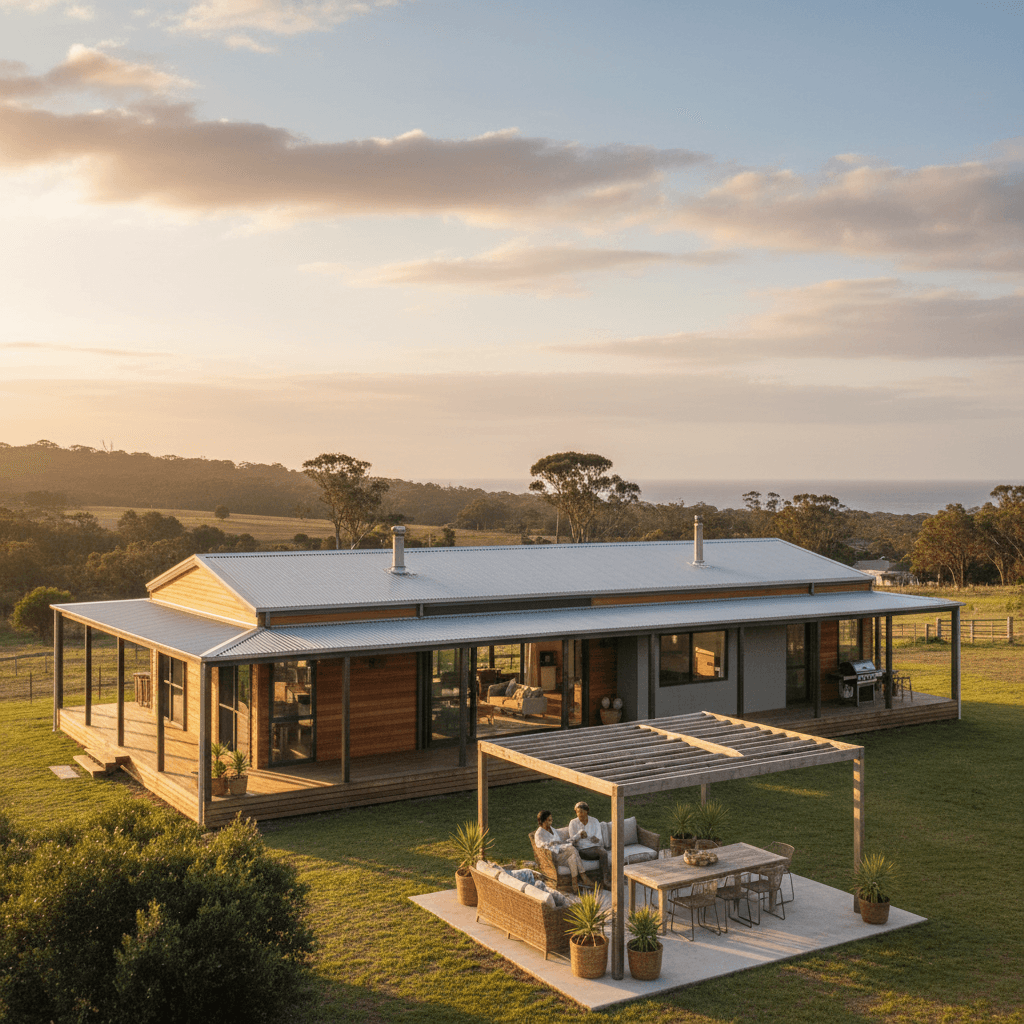
One of the most common mistakes new owner-builders make is falling in love with a floor plan without considering how it sits on their specific piece of land. In Australia, the sun is both our best friend and our biggest challenge. You must ask how the design can be mirrored or rotated to take advantage of passive solar principles.
Is the main living area facing north to capture the winter sun? Are the bedrooms shielded from the harsh western afternoon heat? A well designed kit home should allow for natural light to flood the home in winter while excluding it during the peak of summer. Using high quality insulation and BlueScope steel frames allows for precise engineering, but the layout is what ultimately determines your thermal comfort. Ask your provider if the windows can be repositioned to maximize cross-ventilation, which is essential for those humid nights in Queensland or the hot summers in Western Australia.
Is the Internal Layout Scalable for Future Needs?
Life moves fast. What works for a young couple might not suit a growing family, and what works for a family might be too much to maintain for retirees. When reviewing a kit home design, look past the current labels on the rooms. Ask yourself if the spaces are versatile. Could that third bedroom serve as a home office today and a nursery tomorrow?
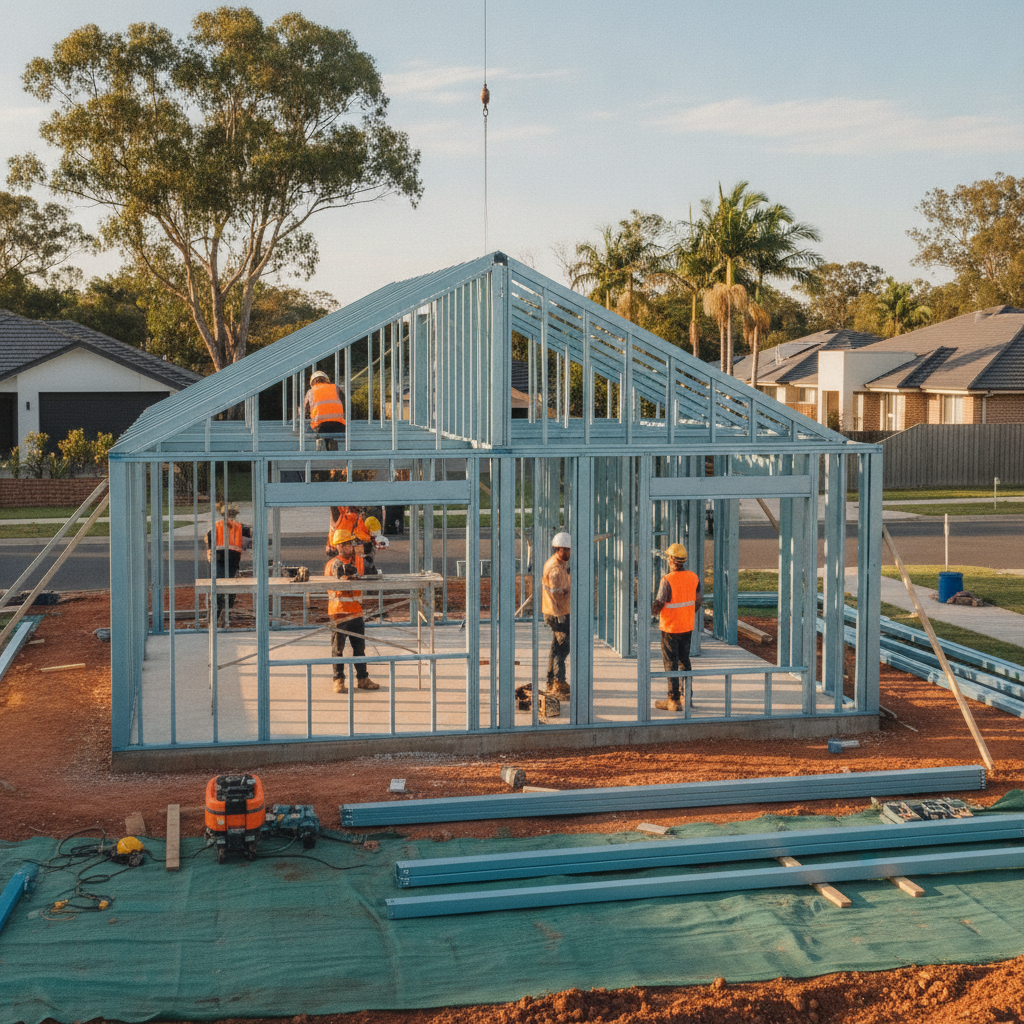
Because kit homes often utilize steel frame construction using TRUECORE steel, you have the advantage of impressive spanning capabilities. This often means fewer internal load-bearing walls compared to traditional timber builds, allowing for more open-plan living. Ask how easy it would be to modify the internal non-structural walls later if your needs change. Think about high traffic areas like the kitchen and laundry. Is there enough room to move? Does the flow from the garage to the pantry make sense when you are carrying heavy groceries?
How Does the Design Handle Local Environmental Factors?
Australia is a land of extremes. From the salty air of the coast to the bushfire-prone scrub of the hinterland, your home needs to be a fortress. When looking at a kit home design, ask about its suitability for your specific BAL (Bushfire Attack Level) rating. Steel frames are a fantastic choice here as they are non-combustible, but you also need to ensure the roofing, cladding, and windows included in your kit meet the necessary standards for your zone.
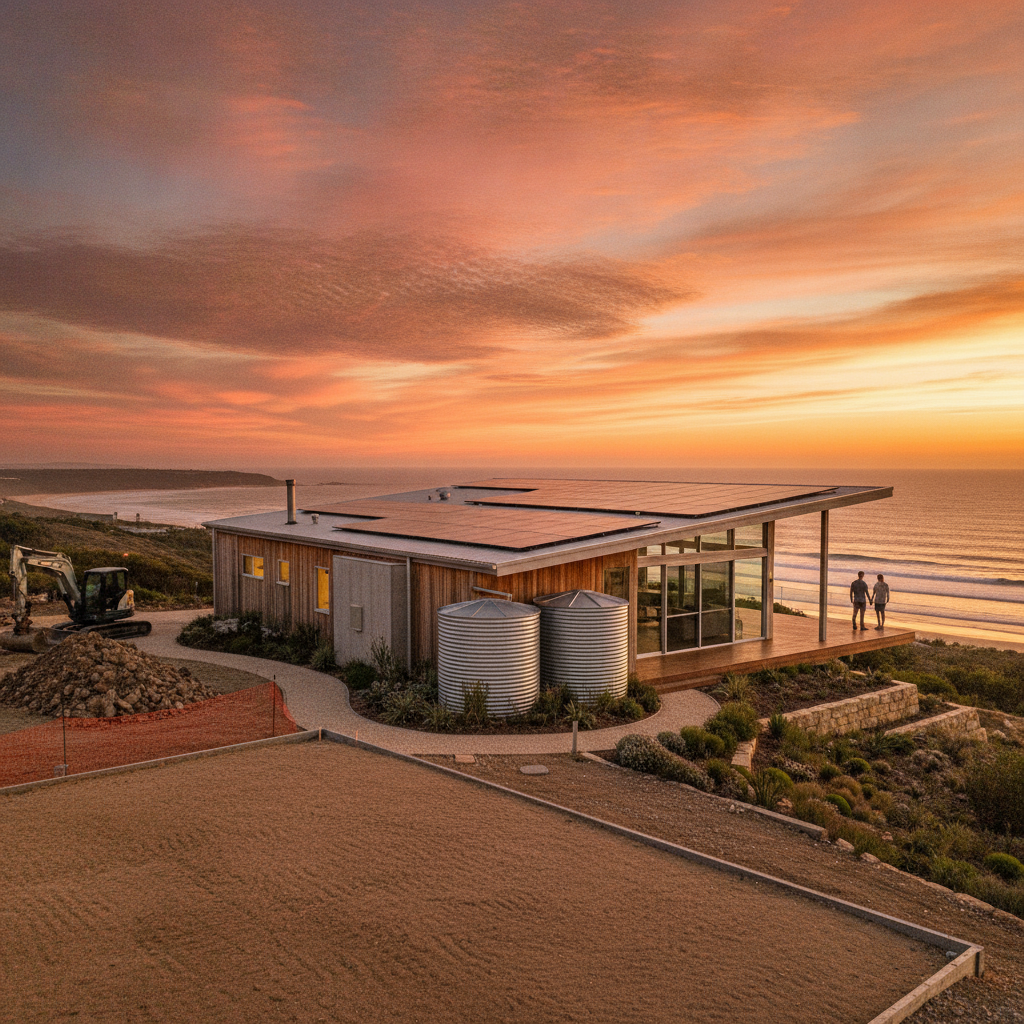
If you are building in a coastal area, ask about the durability of the external materials. High quality cladding and roofing are essential to prevent corrosion from sea spray. Furthermore, consider the wind classification of your site. Whether you are in a Region A (normal) or Region C (cyclonic) zone, the design and the engineering of the steel frames must be rated to withstand those specific pressures. Always ask for confirmation that the design can be engineered to meet your local council requirements.
What is Truly Included in the Kit?
This is perhaps the most practical question for any owner-builder. To manage your project effectively, you need to know exactly where the kit provider’s responsibility ends and yours begins. Most comprehensive kits will include the steel wall frames and roof trusses, roofing iron, external cladding, windows, external doors, and insulation. However, you should always ask for a detailed inclusions list.
Do the windows come with flyscreens? Are the internal doors included, or do you source those during the fit out phase? Knowing exactly what is arriving on the truck allows you to schedule your trades better. For example, knowing that the kit includes the roofing and cladding means you can plan for your plumber to install the gutters and downpipes immediately after the frames are stood up. Clarity at the design stage prevents expensive surprises once construction is underway.
Can the Design Accommodate My Preferred Finishings?
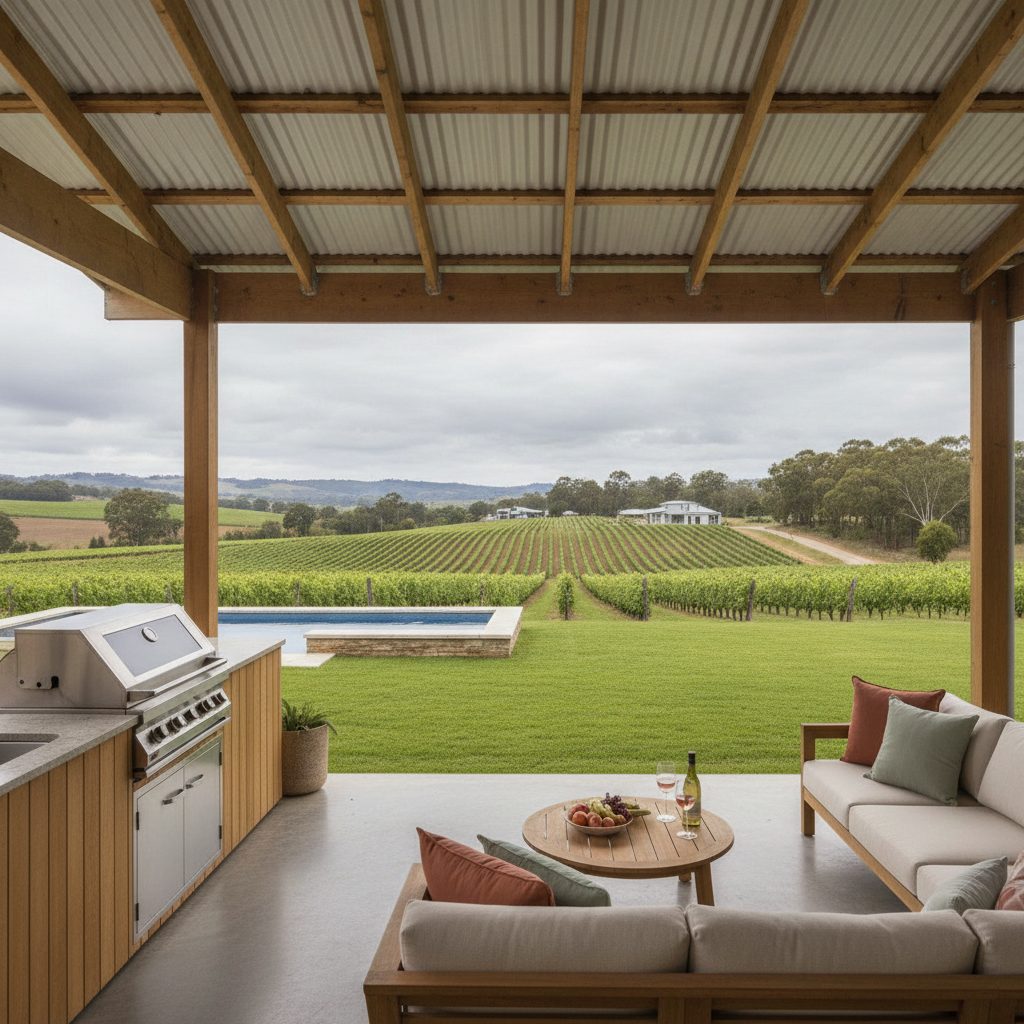
While the kit provides the structural bones and the external shell, the internal fit out is where you truly make the house a home. Ask if the design accommodates the types of fixtures you want. For example, if you are planning on installing heavy stone benchtops in the kitchen, it is worth mentioning this so the flooring and sub-structure (especially if using a raised floor system) are designed to handle the weight.
The beauty of steel frame kits is their precision. Walls are straight and corners are square, which makes the DIY installation of cabinetry and tiling much easier than with timber frames that might warp or twist. Ask your provider about the wall cavity depth to ensure it accommodates your preferred electrical and plumbing configurations, especially if you are planning high-end integrated appliances or wall-hung vanities.
How User-Friendly is the Assembly Process?
If you are planning on being a hands-on owner-builder, you need to ask about the assembly system. A good kit home design isn't just about looks; it is about the logic of the build. Ask if the steel frames come pre-assembled or if they require on-site fabrication. Ideally, you want a system where the frames are pre-punched for electrical and plumbing services, and sections are clearly numbered according to a detailed layout plan.
Ask what kind of technical support is available during the build. Even the most experienced DIY enthusiast will have questions when the first load of steel arrives. Having access to clear manuals and a support team who understands the engineering of the TRUECORE steel components can save you days of frustration. The goal is to spend less time scratching your head at the blueprints and more time actually building.
What are the Maintenance Expectations?
Australians love the outdoors, but we don't necessarily love home maintenance. Ask about the long term upkeep of the design and materials. One of the reasons steel frames are so popular in Australian kit homes is that they are termite-proof. This removes the need for some of the intensive chemical treatments required for timber, but you still need to ask about maintaining the external envelope.
How often will the cladding need painting? Does the roof design avoid valleys where leaves and debris might collect (a major concern for bushfire safety and rust)? Choosing a design with simple, clean rooflines can significantly reduce your weekend chores over the next twenty years. Ask for materials that are proven in the harsh Australian sun so your home looks as good in a decade as it does on moving-in day.
Conclusion
Choosing a kit home design is the foundation of your future lifestyle. By asking these questions early, you move from being a spectator to an informed owner-builder who is in total control of the project. Remember that a kit home is a partnership between the structural expertise of the provider and your vision for your land. With the durability of steel frames and a thoughtfully questioned design, you can build a home that is truly designed for the Australian way of life. Take your time, ask the tough questions, and enjoy the process of bringing your dream home to life, one bolt at a time.