Mastering the Kit Home Journey: Where DIY Meets Professional Expertise
Becoming an owner builder in Australia is one of the most rewarding paths to home ownership. There is a unique sense of pride that comes from standing in a room you helped create, knowing that the bones of the structure are solid and the finish reflects your personal touch. However, the kit home journey is a marathon, not a sprint, and the biggest challenge many owner builders face is deciding where to roll up their sleeves and where to step back and manage.
In the world of kit homes, particularly when working with modern materials like BlueScope TRUECORE steel, the process is designed to be streamlined. But streamlined does not mean simple. Success lies in understanding the balance between DIY sweat equity and professional trade expertise. This guide breaks down the construction phases to help you decide which tasks are perfect for the handy owner builder and which ones require a licensed professional.
The Precision of the Steel Frame: A DIY Friendly Starting Point
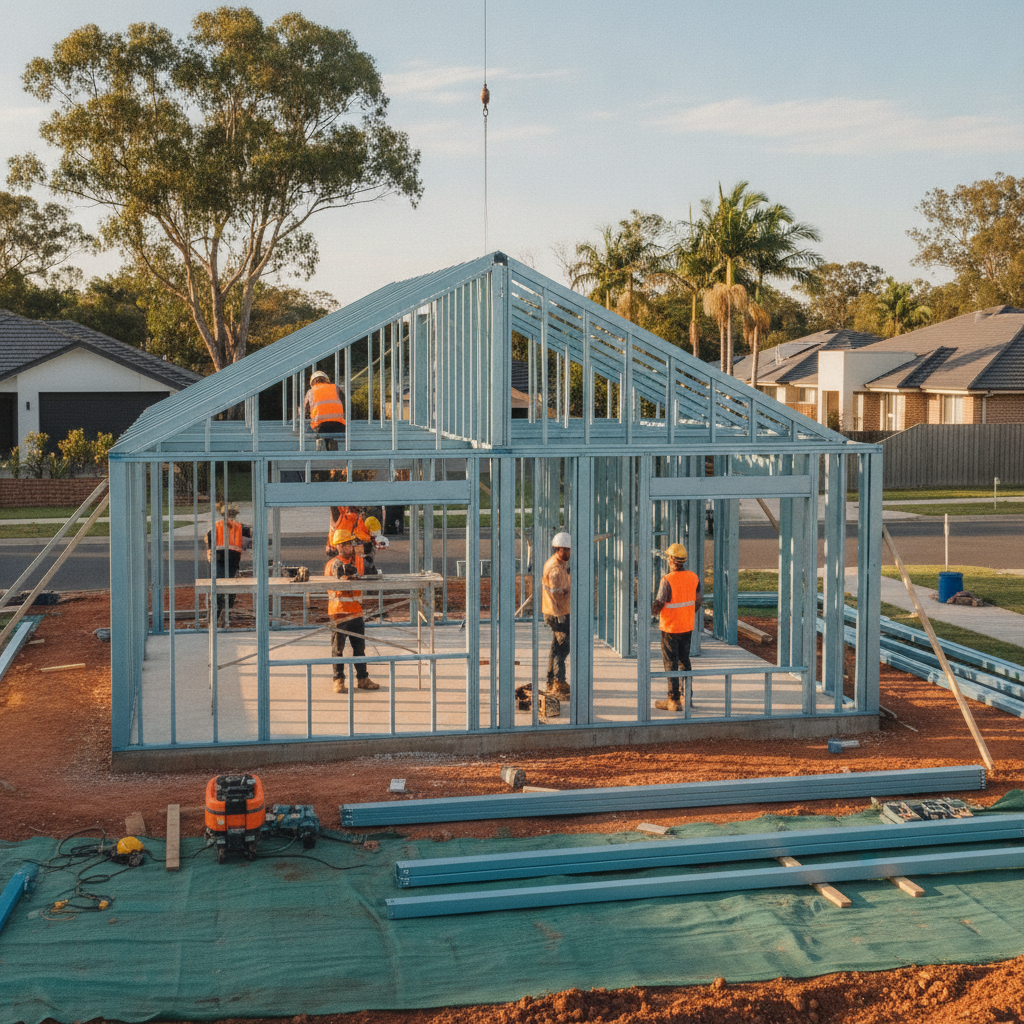
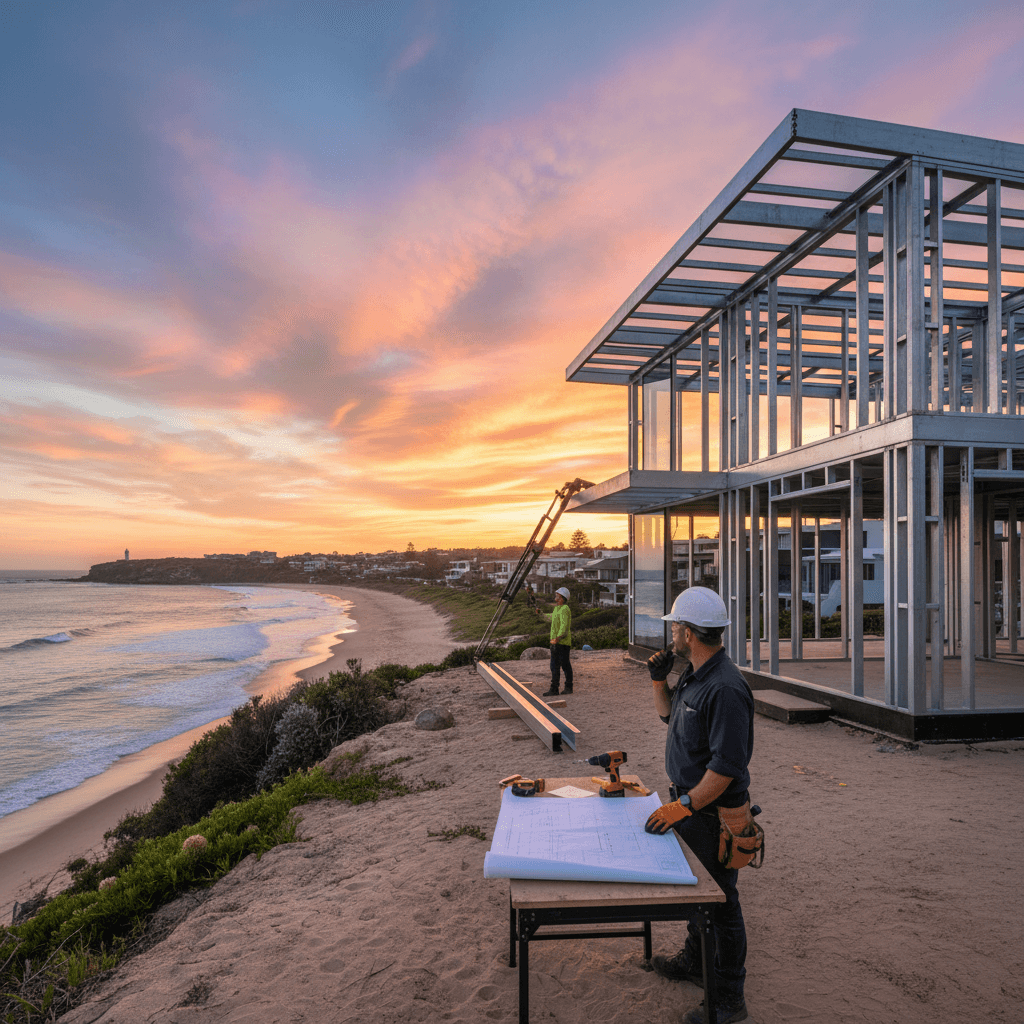
One of the primary reasons Australians are turning to steel frame kit homes is the ease of assembly. Unlike traditional timber framing, where every stud might need a trim and every plate needs to be straightened, steel frames are manufactured with millimetre precision. When your kit arrives on site, you are essentially looking at a giant, high grade construction puzzle.
What the Owner Builder Can Do
For those with a decent set of tools and a bit of mechanical aptitude, standing the frames is a highly achievable DIY task. Because steel frames are lightweight compared to timber, they are easier to manhandle into position. Most kit home systems arrive with detailed layouts and pre-punched holes for fasteners. As an owner builder, you can safely take charge of bolting the wall frames to the slab and connecting the roof trusses, provided you follow the engineering specifications to the letter.
When to Consult the Pros
While you can stand the frames yourself, you must ensure the slab is perfectly level before you start. Many owner builders choose to hire a professional concreter for the initial pour. If your foundation is out by even a few centimetres, it can cause a recursive effect throughout the steel structure. It is also wise to have a carpenter or an experienced supervisor check your first few frames to ensure everything is plumb and square before you move on to the roofing.
The 'Non-Negotiable' Trades: Licensing and Safety
In Australia, the line between DIY and professional work is often drawn by state legislation. Even if you are the world's most talented amateur, there are certain areas where you simply cannot legally or safely work without a license.
Electrical and Plumbing
This is the most critical area. You must hire licensed contractors for all electrical and plumbing work. Not only is it illegal to DIY these tasks in most Australian states, but you will also fail to receive a Certificate of Occupancy without the proper compliance certificates. However, as an owner builder, you can still save time and money by being the most organized client your trades have ever had. Have your electrical plan ready, mark out your light switches and power points clearly, and ensure the site is clear of debris so the sparky can work efficiently.
Gas Fitting and Waterproofing
Similar to electricity, gas is a specialist field. Waterproofing is another area where many owner builders feel tempted to DIY to save money, but we strongly advise against it. Leaking bathrooms are one of the leading causes of structural damage in Australian homes. Hiring a certified waterproofer who provides a warranty is an investment in your home's long term health.
Locking It In: Roofing, Cladding, and Windows
Once your steel frames are up, the next phase is getting the house 'to lock up'. This involves installing the external skin of the building. This is where the aesthetic of your kit home really starts to shine.
The DIY Potential
Installing windows and doors is a fantastic task for an owner builder. Most kit homes come with high quality aluminium windows that are designed to fit perfectly into the pre-punched openings of the steel frames. With a couple of helpers, you can set the windows, level them, and fix them in place in a single weekend.
External cladding is another area where you can save significantly on labour costs. Whether you are using traditional corrugated iron or modern lightweight cladding boards, the process is repetitive and logical. If you can use a drill, a level, and a saw, you can likely handle the cladding. Just remember to pay close attention to the flashing and weatherproofing details to ensure the home is watertight.
The Pro Perspective
Roofing can be more challenging. While many owner builders do tackle the roof, you need to be honest about your comfort with heights and your physical fitness. Working on a roof in the Australian sun is taxing. If your kit home has a complex roofline with multiple valleys and hips, hiring a professional roof plumber might be the best way to ensure your home remains leak-free for decades.
Internal Fit-Out: Where Creativity Meets Craft
The internal fit-out is where the house becomes a home. This phase includes insulation, plasterboarding, flooring, and cabinetry. This is often the longest phase of a kit home build, but it offers the most opportunities for DIY involvement.
Insulation and Linings
Installing insulation batts is a straightforward, albeit itchy, task that any owner builder can perform. It is a great way to ensure that your home meets the thermal performance standards required for the Australian climate. When it comes to plasterboarding (Gyprock), many owner builders choose to hang the sheets themselves but hire a professional 'stopper' to do the joins and sanding. Achieving a perfectly smooth finish on plaster is an art form that takes years to master, and any imperfections will show up once you start painting.
Painting and Flooring
Painting is the ultimate DIY task. It requires patience and prep work rather than expensive machinery. Similarly, many modern flooring options, such as hybrid planks or engineered timbers, are designed for easy click-together installation. Taking on these tasks yourself allows you to spend more of your budget on higher quality materials, such as premium Australian hardwoods or designer tiles.
Kitchens and Bathrooms: The Heart of the Project
The kitchen is often the most expensive room in the house, but it is also one where owner builders can take a lot of control. Flat pack kitchen technology has come a long way, and many high end finishes are now available to the DIY market. As long as your plumbing and electrical points are correctly located (by your licensed trades), assembling and installing the cabinetry is something you can certainly tackle.
Bathrooms are a bit more technical due to the aforementioned waterproofing and the precision required for tiling. If you are a beginner, consider doing the floor tiling and hiring a pro for the wall tiles, especially in the shower recess where fall and drainage are critical.
Top Tips for the Savvy Owner Builder
- Know Your Limits: Be honest about your skill level. It is better to hire a professional the first time than to pay one to fix your mistakes later.
- Tool Up: A kit home build is the perfect excuse to buy high quality power tools. Good tools make DIY tasks safer and the results more professional.
- Sequence Matters: Understand the order of construction. Don't put the insulation in before the roof is on, and don't close up the walls before the plumber has finished their rough-in.
- Communication is Key: When you do hire trades, treat them as partners. A clear, respectful relationship with your sparky or plumber will make the whole project run smoother.
Conclusion
Building a kit home as an owner builder is an incredible journey of discovery. By choosing a steel-framed system, you are already ahead of the game with a structure that is straight, true, and termite-proof. The secret to a successful build is knowing when to use your own hands and when to use your phone to call a professional. Focus your DIY energy on the tasks that add the most value and bring you the most satisfaction, and leave the high-risk, licensed work to the experts. With the right balance, you will not only build a house, but you will also build a wealth of experience and a home tailored perfectly to your lifestyle.