Navigating the Owner Builder Journey
There is a unique sense of pride that comes with standing in the middle of a home you helped create with your own two hands. Across Australia, the kit home movement is gaining momentum as more people look for ways to secure a high quality lifestyle without the traditional construction headaches. However, the most common question we get from aspiring owner builders is simple yet complex: "What parts should I do myself, and where should I call in the experts?"
Building your own home using a kit system provides a fantastic middle ground. You receive a precision engineered package, usually featuring high quality Australian steel frames from reputable brands like BlueScope TRUECORE, along with the roofing, cladding, and windows. But once that delivery truck arrives at your gate, the real decision making starts. Finding the balance between DIY sweat equity and professional trade expertise is the key to a stress free build and a professional finish.
The Owner Builder Mindset: Know Your Limits
Before you pick up a hammer or a drill, it is essential to conduct an honest audit of your skills, your tools, and your time. Being an owner builder does not mean you have to nail every single stud or lay every tile. It means you are the project manager, the visionary, and the quality control officer. Your goal is to deliver a safe, compliant, and beautiful home.
In Australia, the regulations around owner building vary by state, but the constant is that certain high risk or highly technical tasks are legally required to be performed by licensed professionals. Understanding these boundaries from day one will save you significant stress during the certification process.
The DIY Sweet Spot: Tasks You Can Tackle
For those with a bit of handiness and a lot of determination, there are plenty of areas where you can dive in and make a physical contribution to your kit home. These tasks often allow you to slow down and focus on the details that a commercial crew might rush through.
1. Site Preparation and Landscaping
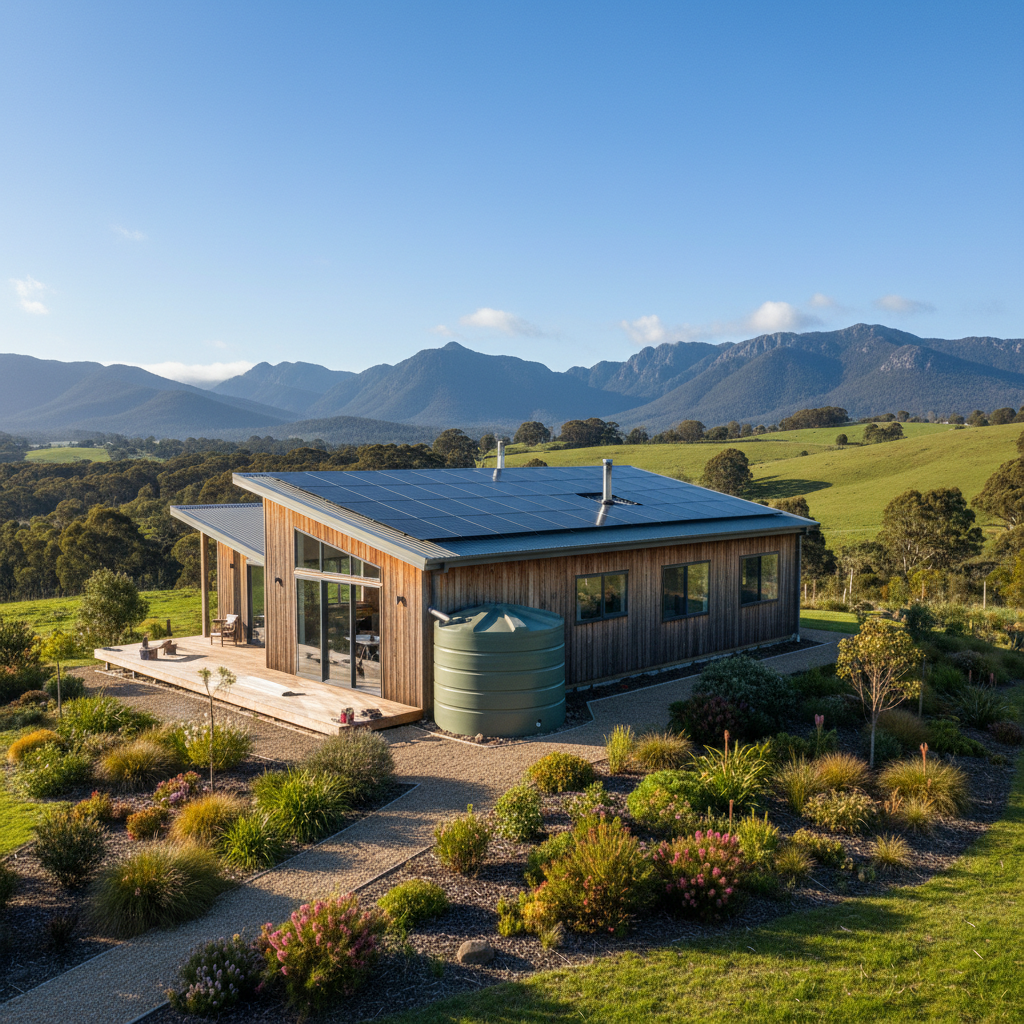
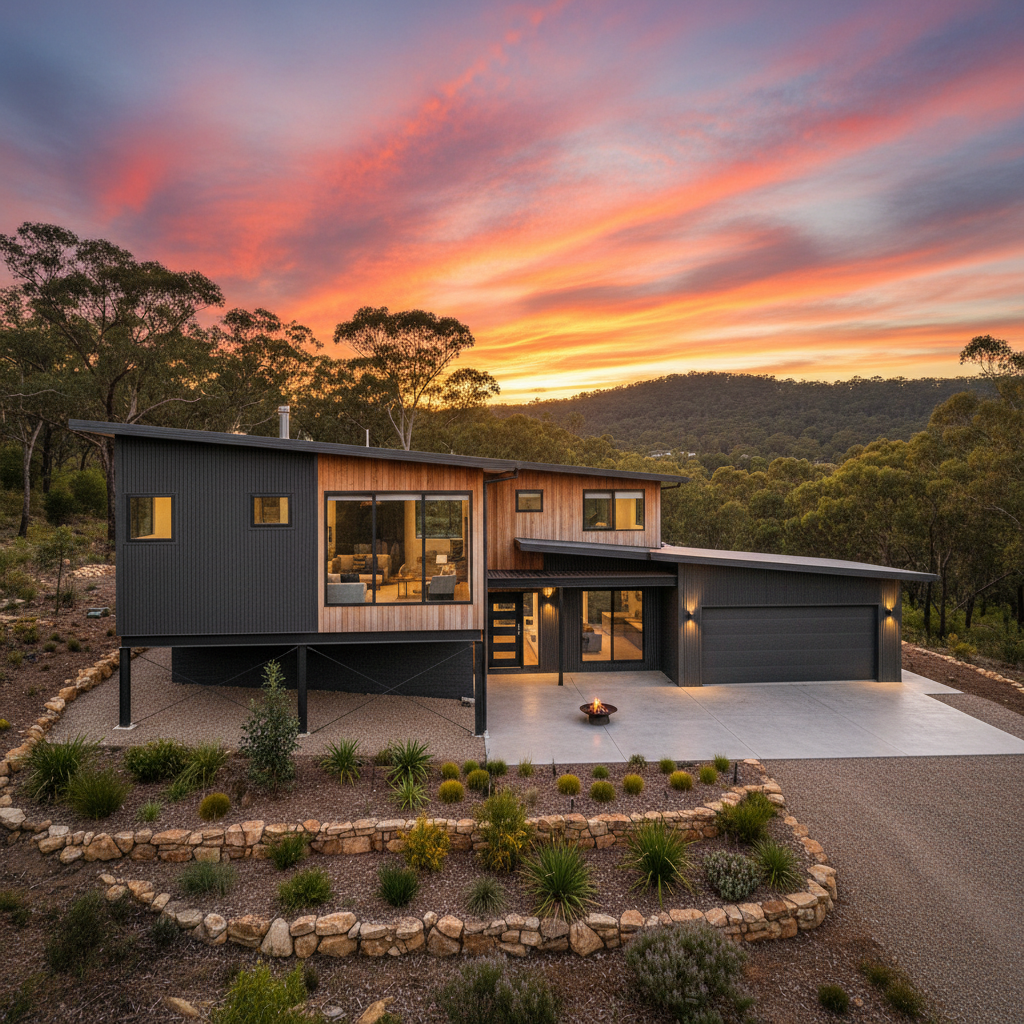
While you will need a professional for major excavations or complex earthworks, many owner builders take charge of the softer site prep. Clearing debris, installing temporary fencing, and setting up site signage are all easy wins. Post construction, the landscaping is where true DIY spirits shine. Planting native gardens, building retaining walls, or laying turf can transform your kit home and provide instant curb appeal without the high cost of a landscape contractor.
2. Wall and Ceiling Insulation
Most kit homes include insulation as part of the package, and installing it is one of the most straightforward DIY tasks available. It requires patience and attention to detail rather than heavy machinery. Ensuring there are no gaps and that the batts are fitted snugly between the steel frames is critical for the long term thermal performance of your home. It is a dusty job, but it is one where you can see immediate progress.
3. Painting and Interior Finishes
Painting is perhaps the most popular DIY task in Australian home building. With a good quality roller, a cutting in brush, and a bit of prep work, you can achieve a professional result. Similarly, tasks like installing skirting boards, architraves, and hanging internal doors are well within the reach of a competent DIYer. These finishing touches require a keen eye and a steady hand, which many owner builders find very rewarding.
4. Flat Pack Kitchen and Robe Assembly
Modern cabinetry has come a long way. If you are comfortable following instructions and using a level, assembling and installing your kitchen cabinets and wardrobes can save you a significant amount on labor. Since your kit home provides a perfectly square and straight starting point, especially when using precision steel frames, getting your cabinets level is much easier than in an older renovation project.
When to Call the Pros: The Non Negotiables
There is a line where DIY becomes a risk, either to your safety or your home's compliance. In the Australian construction industry, certain trades are heavily regulated for a reason.
1. Electrical and Plumbing
This is non negotiable. In every Australian state, all electrical work and most plumbing work must be performed by a licensed professional. Not only is it dangerous to attempt these yourself, but you will also need a compliance certificate from these trades to get your final occupancy permit. You can help by clearly marking where you want your power points and taps during the design phase, but leave the wiring and pipework to the experts.
2. The Slab and Foundations
The foundation is the most important part of your house. If the slab is not level or if the footings are not deep enough, every other part of the kit home process will be a struggle. We always recommend hiring specialized concreters to pour and finish your slab. They have the equipment to ensure it is perfectly flat, which makes the assembly of your steel frames much faster and more accurate.
3. Roofing and Working at Heights
While many kits are designed for ease of assembly, installing roof sheeting can be dangerous and physically demanding. Working at heights requires specific safety equipment and training. Professional roofers are fast, they understand how to ensure everything is watertight, and they have the insurance to cover the risks involved. For most owner builders, this is a task best subbed out.
4. Specialized Waterproofing
Wet area waterproofing is a major cause of building disputes in Australia. If a bathroom leaks, the damage can be catastrophic. Many states require waterproofing to be done by a licensed installer who can provide a warranty and a certificate of compliance. It is a small investment for long term peace of mind.
The Role of Kit Homes in the DIY Process
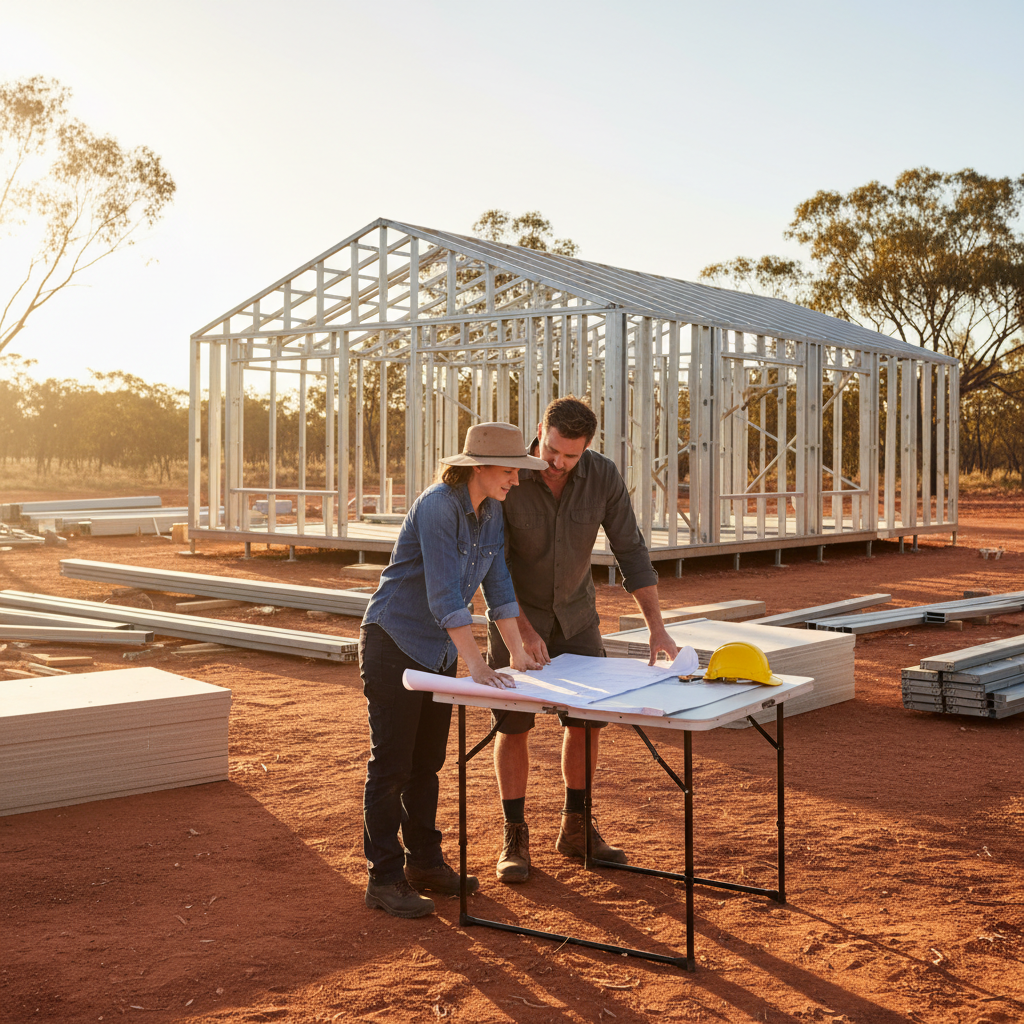
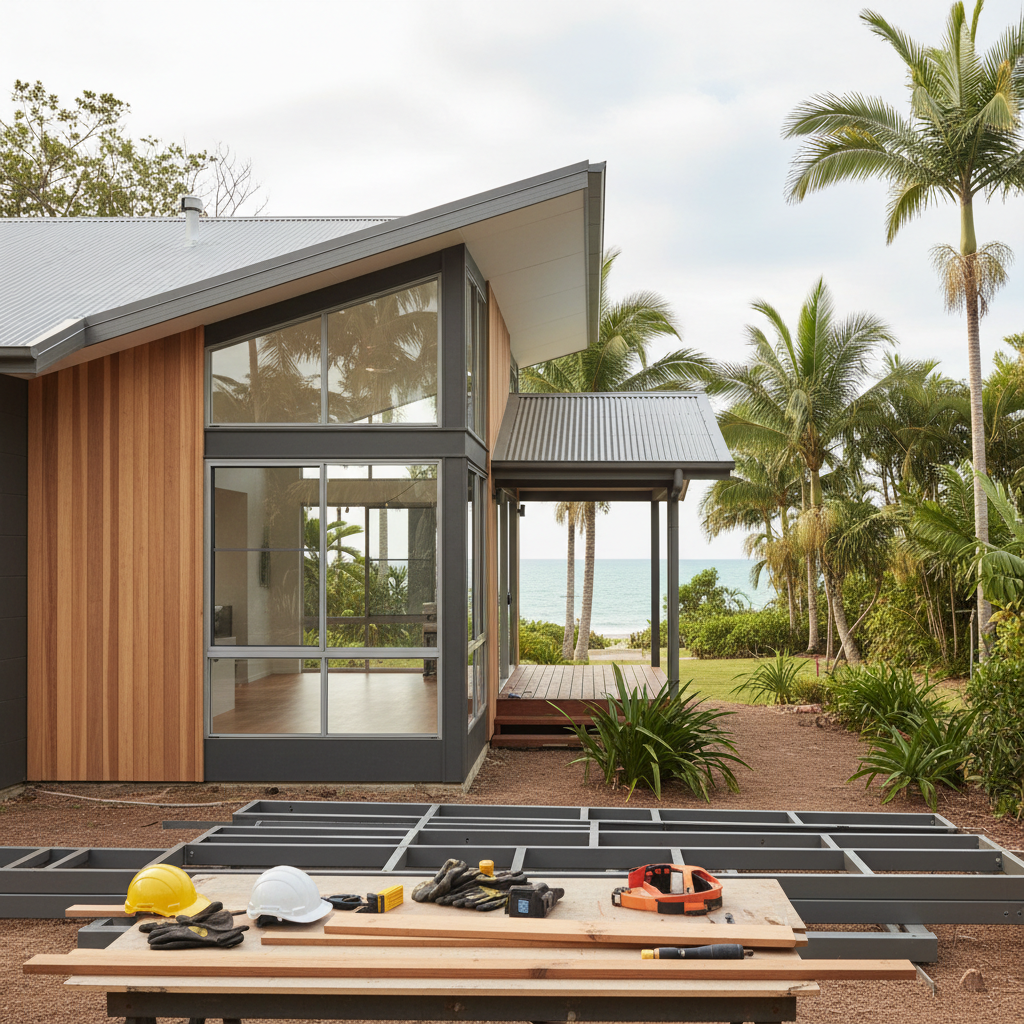
The beauty of a modern kit home is that it simplifies the "middle" part of the build. Because the steel frames are manufactured to exact specifications using CAD technology, you are not out there on site trying to measure and cut every individual stud. The frames arrive ready to be bolted together. This means you can focus your DIY energy on the assembly and the finishing, rather than the complex structural engineering.
Choosing a kit home also means you have a consolidated list of materials. You are not running back and forth to the hardware store for forgotten cladding or roofing screws. This organization is a massive benefit for owner builders who are trying to balance a project with a full time job or family life.
Practical Tips for Managing Your Trades
If you decide to hire trades for specific parts of your kit home project, effective communication is your best tool. Here are a few tips for a smooth experience:
- Provide Clear Documentation: Show your trades the kit home plans and specifications early. They need to understand that they are working with steel frames and specific cladding systems.
- Be Ready for Them: Do not book a plumber if the site is still a mess or the frames aren't up. Trades hate wasting time, and you will likely be charged for the delay.
- Ask for Recommendations: Talk to other owner builders in your local area to find trades who are comfortable working with kit homes.
- Respect Their Expertise: You are the boss, but they are the specialists. If a tradie suggests a better way to route a pipe or finish an edge, listen to their reasoning.
Final Thoughts
Building a kit home as an owner builder is one of the most rewarding projects you can ever take on. By choosing to DIY the tasks that match your skill set and hiring professionals for the critical structural and utility work, you ensure that your new home is built to the highest standard. Whether you are bolting together your steel frames on a weekend or painting the walls on a sunny afternoon, every bit of effort you put in makes that house truly yours. Take your time, stay safe, and enjoy the process of creating your Australian dream.