Taking the Reins: Your Journey as an Australian Owner Builder
There is a unique sense of pride that comes with standing in a home you helped build with your own two hands. For many Australians, the dream of home ownership is evolving. It is no longer just about buying a finished product off a shelf, it is about being involved in the process from the ground up. Kit homes have become a staple for those looking to take control of their building journey, offering a structured path to a high quality home while allowing for significant hands on involvement.
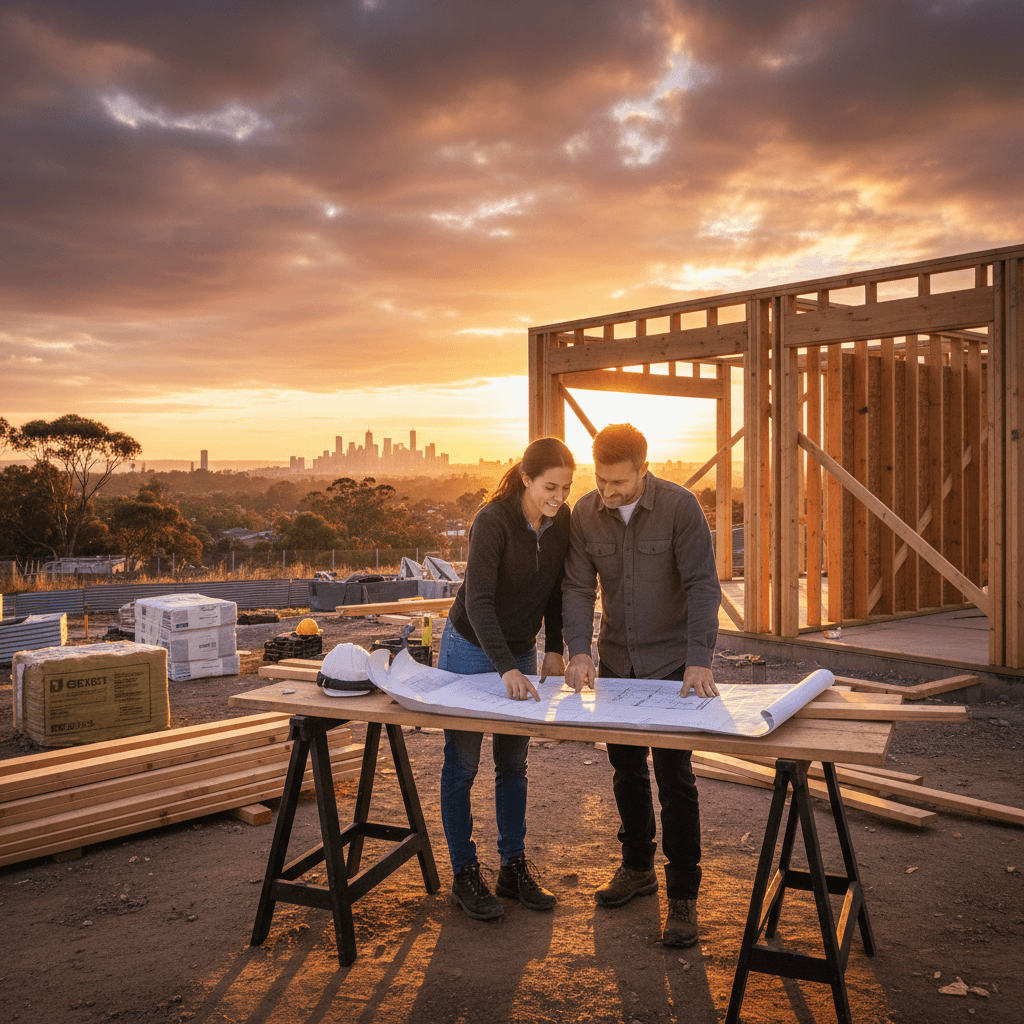
Choosing to be an owner builder is a bold and rewarding move. It allows you to oversee the project, manage the timeline, and, crucially, decide which parts of the build you want to get your hands dirty with. However, the most successful owner builders are those who know their limits. The secret to a smooth build lies in the balance between DIY enthusiasm and professional expertise. In this guide, we will break down what you can realistically tackle yourself and where calling in a licensed tradie is the smartest move for your project.
The Foundation of Success: Understanding the Kit Home Model
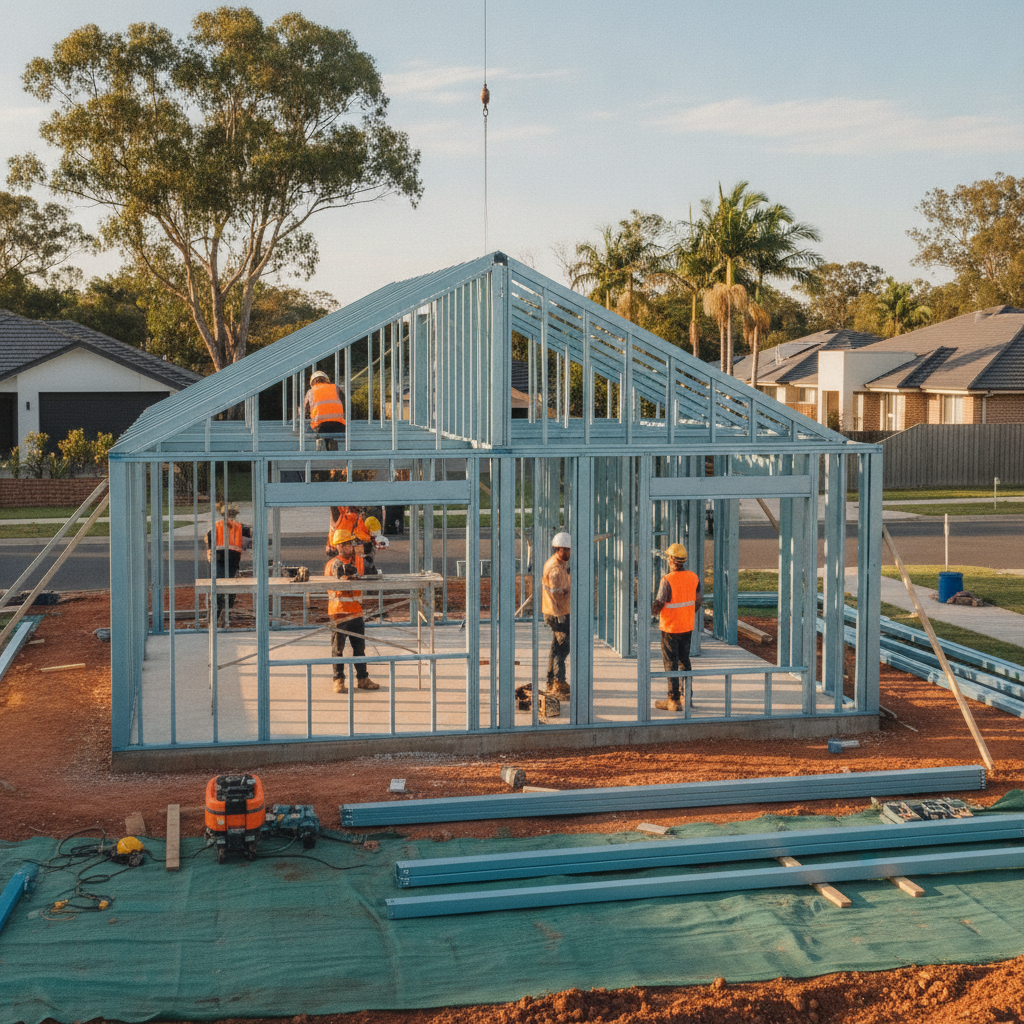
Before jumping into the toolkit, it is important to understand what a kit home project looks like in the Australian landscape. Most high quality kits provide the structural components, such as the steel frames made from BlueScope TRUECORE steel, along with the roofing, cladding, windows, and doors. These components arrive as a systematic package, ready to be assembled on your prepared site.
As an owner builder, you act as the project manager. You are responsible for the site preparation, the slab or flooring system, and the eventual fit out. Because kit homes use precision engineered steel frames, the assembly process is often more straightforward than traditional timber framing, making it a favorite for those who enjoy a bit of heavy duty assembly.
What You Can DIY: The Hands-On Heroics
If you are handy with a drill and have a good eye for detail, there are several stages of a kit home build where you can truly shine. These tasks are often labor intensive but don't always require a specialized license, making them perfect for the DIY enthusiast.
1. Wall and Roof Frame Assembly
One of the biggest advantages of modern kit homes is the ease of frame assembly. Steel frames are lightweight, pre punched for services, and arrive with detailed plans. If you can follow instructions and use a drill, you and a couple of mates can often erect the wall frames and roof trusses yourselves. It is essentially a giant, high stakes construction set. Because the steel is straight and true, you won't be fighting with warped timber, which makes the whole process much faster and more satisfying.
2. Installing Windows and External Doors
Once the frames are up, getting the home at least partially weathered is a great milestone. Installing windows and doors is a task most owner builders can manage with a bit of patience and a level. Ensuring everything is plumb and square is vital, as this affects how well the house seals and how the internal finishes will look later on.
3. Insulation and Internal Lining
Tucking insulation into the walls is a straightforward, albeit itchy, job that can save you a lot in labor costs. Similarly, while many people hire a professional plasterer for the final skim coat, hanging the actual plasterboard sheets is something many DIYers take on. Just remember that whatever you do here will affect the final look of your walls, so take your time.
4. Landscaping and External Finishing
The beauty of the owner builder path is that it doesn't end when the house is locked up. Building decks, retaining walls, and laying out the garden are classic DIY territories. These tasks allow you to add personal flair and value to the property over time without the pressure of a ticking clock for internal move in dates.
When to Call the Pros: The No Go Zones
While the DIY spirit is strong in Australia, there are areas where you simply must step back. This is not just about skill, it is about legal requirements, insurance, and long term safety.
1. Electrical and Plumbing
In Australia, electrical and plumbing work must be performed by a licensed professional. There are no two ways about it. Your kit home will likely come with pre punched holes in the steel frames to make the "rough in" easier for your sparky and plumber, but they must be the ones to do the work. Don't risk your insurance or your safety by trying to wire or plumb the house yourself.
2. The Concrete Slab or Subfloor
The foundation is the most critical part of the entire build. If the slab is not perfectly level, every single step following it will be a struggle. Most owner builders find that hiring a professional concreter is the best insurance policy they can buy. A pro will ensure the site is excavated correctly, the vapor barrier is laid right, and the finish is smooth and level for your steel frames to sit on.
3. Roofing and Cladding
While some owner builders do tackle their own roofing, working at heights carries significant risk. Professional roofers have the safety gear and the experience to ensure the home is 100 percent watertight. Similarly, while cladding might seem straightforward, the flashing and waterproofing details around windows and corners are where most leaks occur. If you aren't confident in your ability to make a house weather tight, let a pro handle the external skin.
Practical Tips for Managing Your Trades
Since you will be acting as the supervisor, you need to develop a good relationship with your contracted trades. Here are a few tips to keep the project moving smoothly:
- Clear Communication: Before they start, make sure they understand they are working on a kit home with steel frames. Some older trades might be more used to timber, so ensure they are comfortable working with steel.
- Sequence Matters: Don't call the plumber before the frames are up and stable. Mapping out your schedule is your primary job as an owner builder.
- Be Ready for Them: Tradies hate showing up to a site that isn't ready. If you are responsible for site clean up or having materials ready, make sure it is done before they arrive to avoid delay fees.
The Steel Advantage in DIY
Choosing a kit home with a steel frame, specifically one used with TRUECORE steel, offers a distinct advantage for the hands-on builder. Steel is a predictable material. It doesn't shrink, twist, or warp over time. For a DIYer, this means your corners stay square and your doors don't start sticking six months after you move in. It also provides peace of mind in the Australian climate, being termite proof and non combustible, which is a major plus for those building in bushfire prone areas.
Developing Your Skillset
If you are feeling nervous about the DIY aspects, remember that nobody is born knowing how to build a house. Use the resources available to you. Many kit home providers offer detailed assembly manuals, and there are countless Australian owner builder courses that are mandatory in most states anyway. Take these courses seriously, they are not just a hurdle to get your permit, they are a goldmine of information on site safety and project management.
Start small if you can. Maybe help a friend with their project, or take on a smaller shed project before starting on the main house. The confidence you gain from smaller wins will translate directly into the quality of your home build.
Conclusion: Finding Your Balance
Being an owner builder of a kit home is one of the most challenging and rewarding projects you will ever undertake. It requires a blend of physical labor, mental stamina, and smart management. By choosing to tackle the assembly and finishing yourself, while delegating the specialized technical work to licensed professionals, you create a home that is both high quality and deeply personal.
Remember, the goal isn't just to do everything yourself, it is to ensure the home is built right. Stay organized, respect the expertise of your trades, and enjoy the process of watching your kit home transform from a stack of steel and cladding into a place you can truly call your own.