The New Dawn of Australian Home Design
There is a distinct shift happening in the way Australians think about their homes. We are moving away from the era of oversized, energy-hungry mansions and towards a more intentional, design-led way of living. For many, the dream of home ownership is now being redefined by the desire for sustainability, architectural elegance, and the personal satisfaction of being involved in the building process. This is where the modern kit home shines, offering a unique canvas for those who want to blend lifestyle aspirations with environmental responsibility.
In the Australian landscape, from the sun-drenched coasts to the rugged bush, building a home that works with the climate rather than against it is the ultimate luxury. High-performance kit homes provide a streamlined path to achieving this, allowing owner-builders to focus on high-quality finishes and eco-friendly features that truly matter. Let us explore how you can design a sustainable sanctuary that reflects the best of modern Australian living.
Passive Solar Design: Harnessing the Australian Sun
The foundation of any energy-efficient home lies in passive solar design. Because kit homes offer a range of flexible floor plans, you have the opportunity to orient your home to take full advantage of your specific block of land. The goal is simple: keep the home warm in winter and cool in summer without relying heavily on artificial heating and cooling.
Start by prioritizing the orientation of your living areas. In the southern hemisphere, north-facing windows are your best friend. By positioning your main living spaces to the north, you allow the low-angle winter sun to penetrate deep into the home, naturally warming the space. During summer, when the sun is high, well-designed eaves or external shading devices will block the heat, keeping your interior temperate and comfortable.
Cross-ventilation is another critical pillar of Australian design. By strategically placing windows and doors on opposite sides of the home, you can capture evening breezes to flush out hot air. This is particularly effective in coastal and rural regions where the afternoon change is a daily blessing.
The Strength of Sustainability: Choosing the Right Materials
When we talk about sustainable design, the longevity and recyclability of materials are just as important as energy ratings. This is where the choice of a steel frame becomes a lifestyle advantage. Modern kit homes often utilize high-quality Australian steel, such as TRUECORE steel, which offers several environmental and practical benefits.
Steel is 100 percent recyclable, making it a circular economy champion. Beyond its green credentials, steel is incredibly durable. It is termite-proof and won't warp, twist, or shrink over time. For an owner-builder, this means your walls stay straight and your finishes, like plasterwork and cabinetry, remain pristine for decades. Furthermore, steel frames are lightweight and precision-engineered, which reduces site waste during the construction phase, a key component of an eco-conscious build.
High-Performance Insulation and Thermal Barriers
To truly achieve an energy-efficient home, you must create a tight thermal envelope. This starts with high-quality insulation. While many kits include standard insulation, the design-savvy builder might look at upgrading to higher R-values or specialized acoustic batts to enhance the quietness and comfort of the home.
The cladding you choose also plays a significant role in your home's thermal performance and aesthetic. Whether you prefer the classic look of corrugated iron or the modern appeal of composite weatherboards, ensure there is a high-quality reflective foil or breathable sarking behind the facade. This creates a thermal break that prevents heat from transferring through the walls, keeping your internal sanctuary stable regardless of the outside temperature.
Inside the Eco-Chic Interior
Once the shell of your kit home is standing, the design and lifestyle choices you make inside will define your daily experience. Sustainable interior design is about choosing products that are healthy for both the planet and the inhabitants.
Low-VOC Finishes
Volatile Organic Compounds (VOCs) are chemicals found in many traditional paints, glues, and carpets that can off-gas over time. For a truly healthy home, opt for low-VOC or zero-VOC paints and natural flooring options like wool carpets, sustainably sourced timber, or polished concrete. These choices improve indoor air quality and create a fresher, more inviting atmosphere.
Water Efficiency
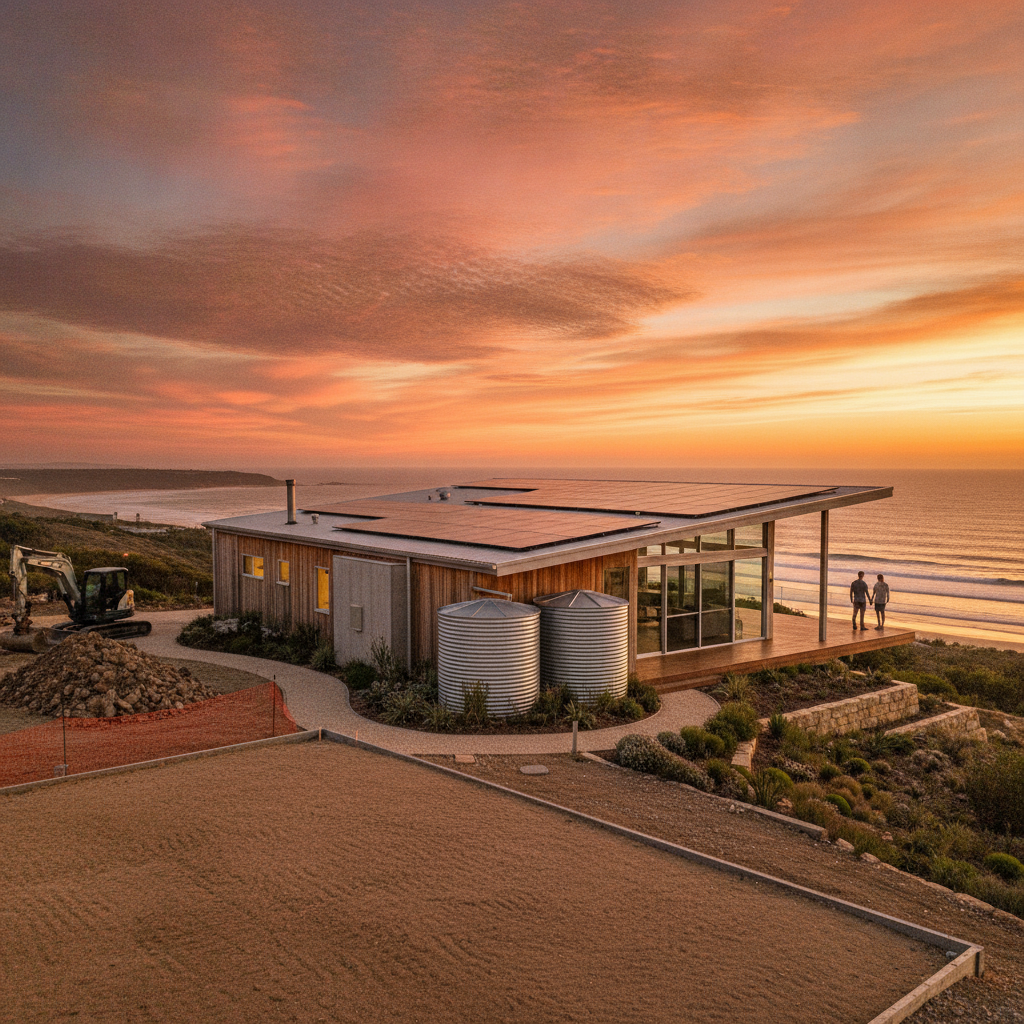
Australia is a land of drought and flooding rains, making water conservation a vital part of any new build. Integrate WELS-rated water-efficient fixtures in your kitchen and bathrooms. Not only do these look sleek and modern, but they also significantly reduce your daily water footprint. Consider a greywater system or a dedicated rainwater tank to water your gardens, ensuring your outdoor oasis stays green without the guilt.
Kit Home Tips for the Visionary Owner-Builder
Planning a kit home requires a blend of creative vision and logistical organization. Here are some practical tips to help you navigate the process:
- Site Analysis: Before choosing a design, spend time on your block at different times of the day. Note where the wind comes from and how the shadows fall. This will inform your orientation and window placement.
- Think Long Term: Design for the future. Consider wider hallways or level entries that allow you to age in place. A sustainable home is one that serves you for a lifetime.
- Customise the Kit: While the frame remains the backbone, don't be afraid to customize the finishes. Your choice of windows, doors, and internal layout is what turns a kit into a bespoke home.
The Owner-Builder Experience: Hands-On Sustainability
Taking on the role of an owner-builder is a rewarding challenge that allows you to have total oversight of the quality and sustainability of your project. You aren't just a bystander, you are the project manager, ensuring that every trade shares your vision for a high-performance home.
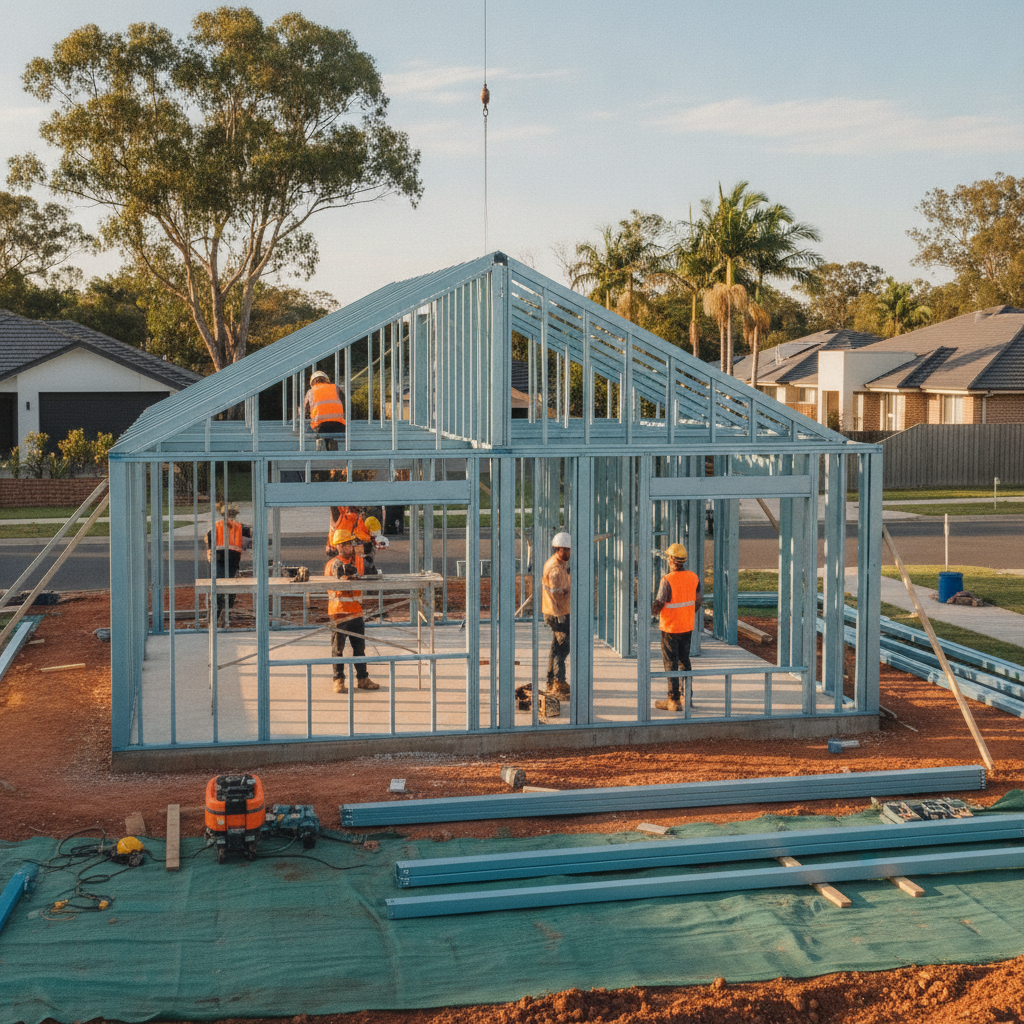
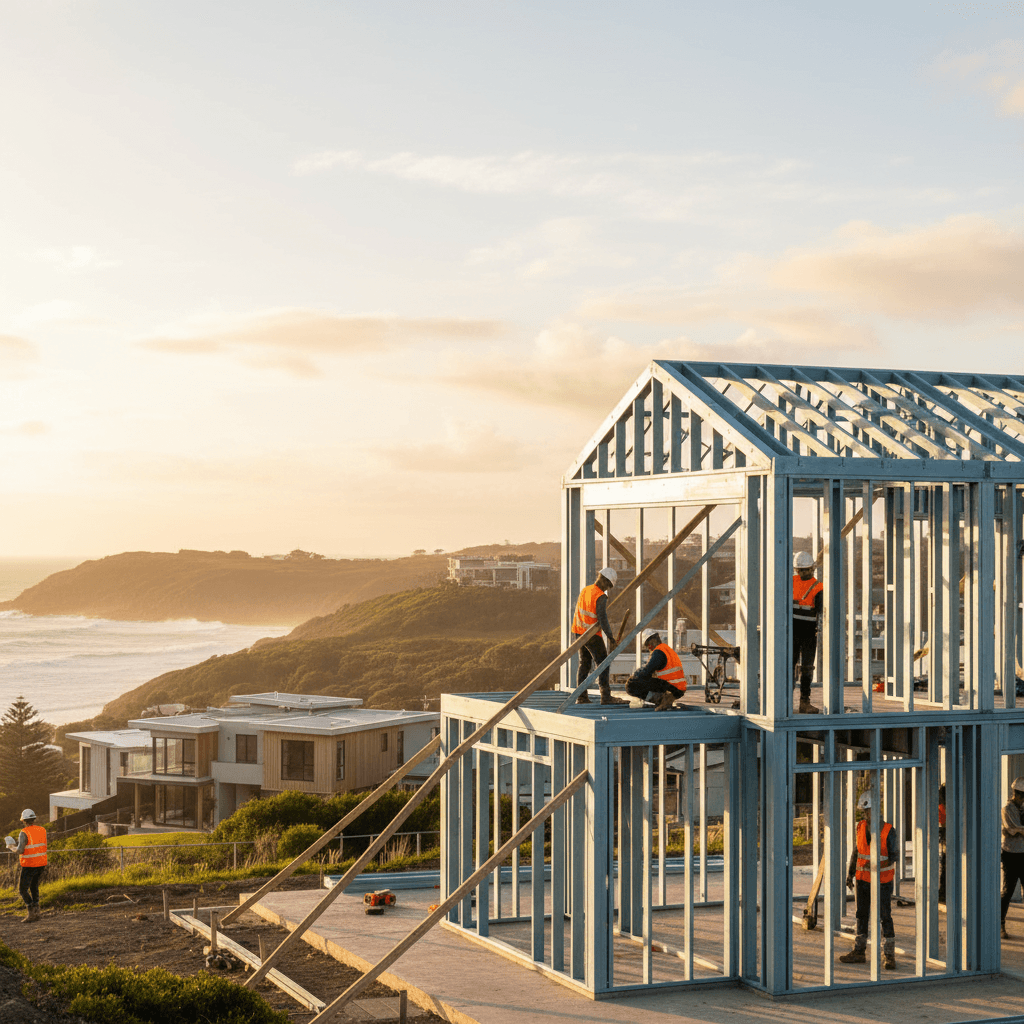
One of the biggest advantages for owner-builders using kit homes is the speed of the lock-up stage. Because the steel frames are pre-engineered for precision, the structure goes up quickly and accurately. This allows you to get the home weather-tight sooner, protecting your materials and allowing you to focus on the detailed interior work that defines your lifestyle.
Australian Housing Trends: The Move to Biophilic Design
A major trend currently sweeping the Australian design landscape is biophilic design, the practice of connecting occupants more closely to nature. In a kit home, this is achieved through large glass expanses, indoor-outdoor living spaces, and the use of natural textures.
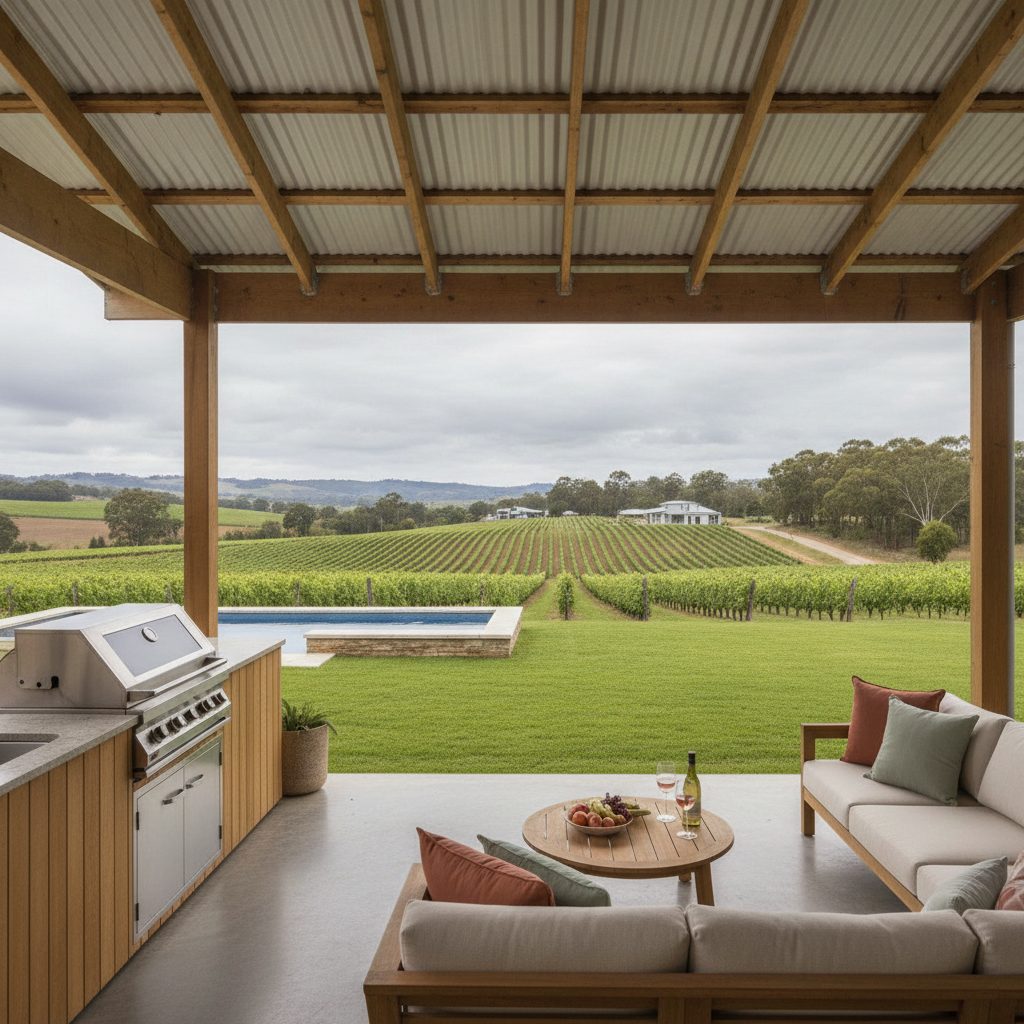
Large sliding doors that disappear into walls can turn a living room into an outdoor pavilion, perfect for the Australian climate. Incorporating timber decks, stone features, and indoor plants further blurs the line between your home and the environment. This connection to nature has been proven to reduce stress and improve well-being, making it a cornerstone of a modern lifestyle-focused home.
Embracing the Journey
Building a home is one of the most significant projects you will ever undertake. By choosing a kit home, you are choosing a path that offers flexibility, quality, and a faster route to moving into your dream space. When you prioritize sustainability and energy efficiency, you aren't just building a house, you are creating a resilient, comfortable, and beautiful environment that will stand the test of time.
Whether you are dreaming of a minimalist retreat in the mountains or a sprawling family home by the sea, the principles of good design remain the same. Focus on the light, respect the climate, and choose materials that offer both strength and beauty. Your sustainable Australian kit home is not just a building, it is a reflection of a life well-lived.