The Great Australian Shift: Why We Are Moving to the Country
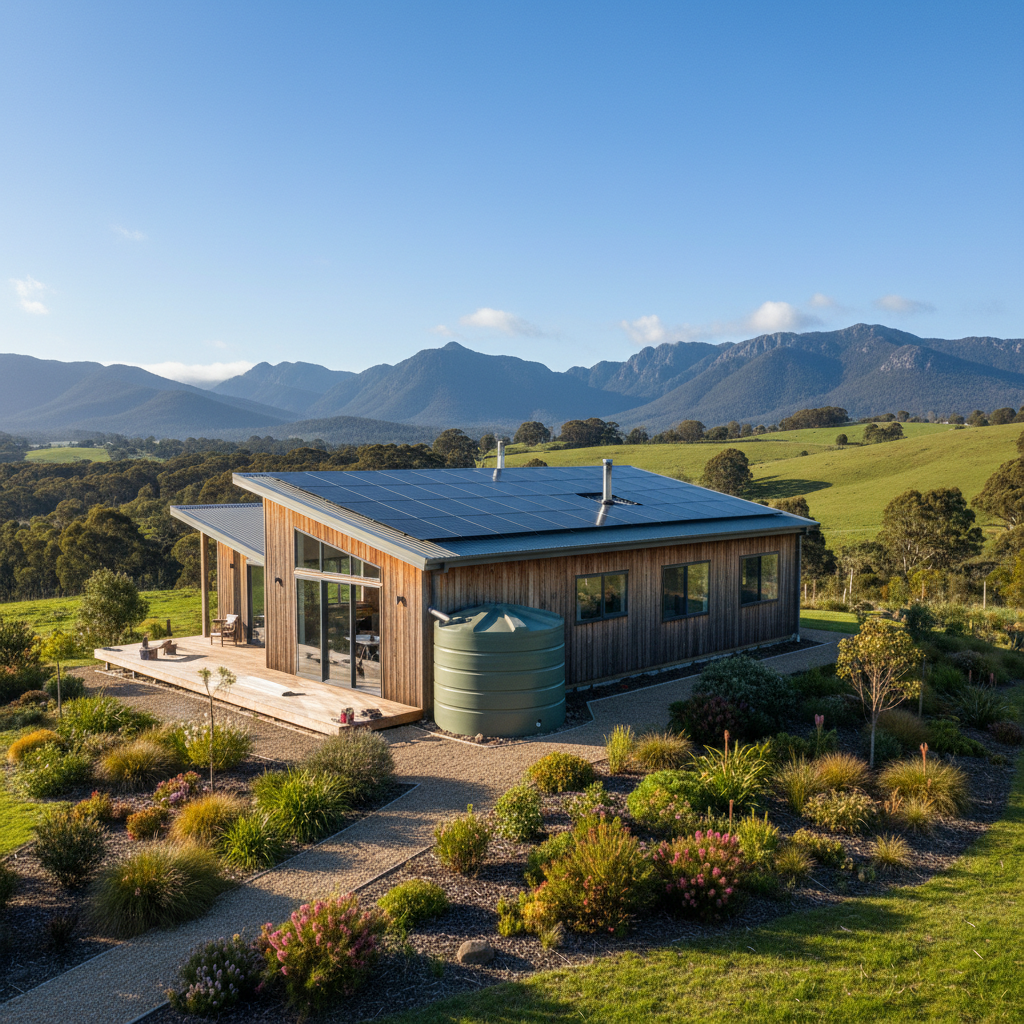
There is a quiet revolution happening across Australia. From the rolling hills of the Byron Bay hinterland to the rugged coastline of South Australia, more people than ever are trading the suburban hustle for a slower, more intentional way of life. This 'tree-change' movement is not just about moving house, it is about reclaiming time, space, and a connection to the landscape. However, building in regional areas presents unique challenges, which is exactly why kit homes have become the preferred choice for the modern pioneer.
At Australian Housing Trends, we have watched the housing market evolve. The traditional path of hiring a volume builder and waiting in a long queue is no longer the only way, or even the best way, for those heading to the regions. Kit homes provide a level of flexibility and control that fits the adventurous spirit of the tree-changer perfectly. When you are building on a beautiful piece of Australian dirt, you want a home that respects the land and your vision.
The Appeal of the Kit Home for Regional Living
When you move away from the major cities, logistics become a significant part of any building project. This is where the kit home model shines. Because the primary components of the home, such as the TRUECORE steel frames, roofing, and cladding, are delivered to your site in a coordinated package, you bypass many of the supply chain headaches that plague regional construction.
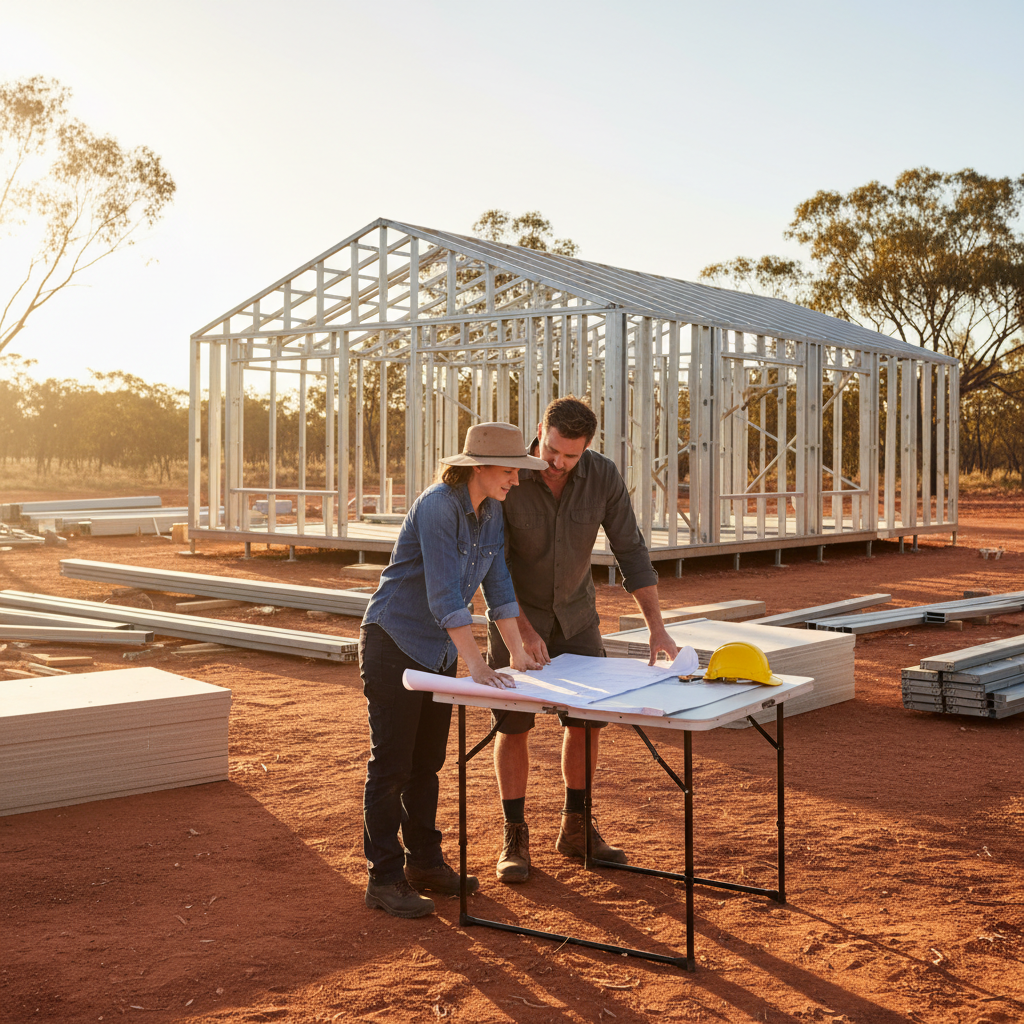
For many Australians, the dream is not just to live in the country, but to be actively involved in creating their sanctuary. Kit homes empower the owner-builder to take the reins. Whether you are swinging the hammer yourself or acting as the project manager to coordinate local trades, this hands-on approach builds a deeper connection to the property. It transforms a house into your home from the very first bolt.
Steel Frames: The Backbone of Rural Resilience
In the Australian bush, your choice of materials matters more than ever. One of the strongest trends we see in regional housing is the move toward steel frame construction. Using high-quality Australian steel, like BlueScope's TRUECORE, offers peace of mind that is hard to beat in remote areas. Steel is termite-proof, which is a massive consideration in many parts of regional Australia where these silent pests can wreak havoc on traditional timber structures.
Furthermore, steel frames remain straight and true over time. They do not warp or twist with the changing seasons or the fluctuating humidity levels of our diverse climate. For a tree-changer, this means less maintenance down the track and a home that stands up to the rigours of the Australian environment.
Designing for the Landscape
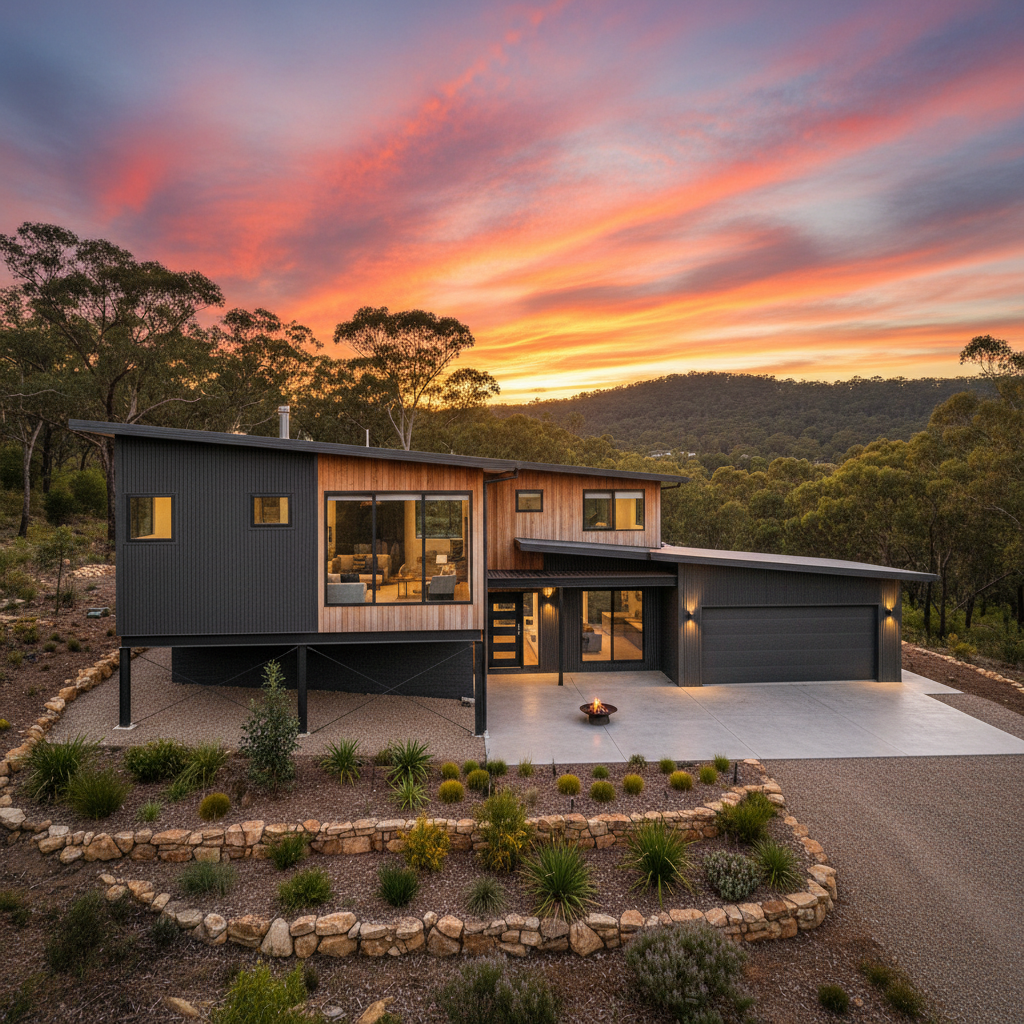
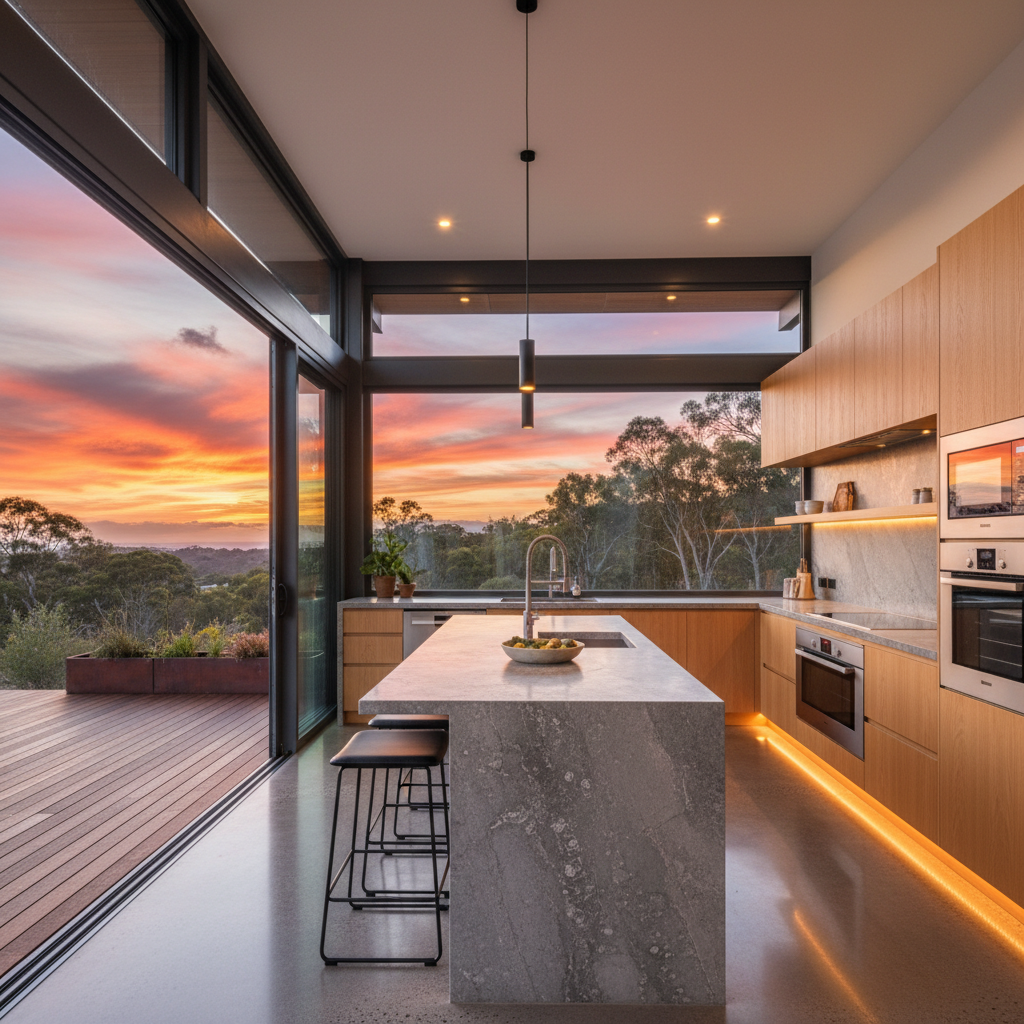
A successful tree-change is as much about the view as it is about the house. Modern kit home designs are increasingly focused on 'bringing the outside in.' Think expansive windows, wide verandas, and open-plan living areas that frame the natural beauty of your property. When planning your kit home, consider the orientation of your site to maximize natural light and capture cooling breezes.
In regional areas, the layout often needs to cater to a different lifestyle. You might need a larger mudroom for those muddy boots after a day in the garden, or a generous deck for entertaining under a sky full of stars that you simply do not see in the city. The beauty of a kit home is that it provides a solid, engineered framework that you can then finish to match your personal aesthetic, whether that is a rustic farmhouse look or a sleek, contemporary aesthetic.
Practical Tips for the Aspiring Owner-Builder
Taking on the role of an owner-builder is an exciting journey, but it requires careful preparation. Here are some practical steps to ensure your regional build goes smoothly:
1. Know Your Site
Before you even look at floor plans, spend time on your land. Where does the sun rise and set? Which way do the prevailing winds blow? Understanding the topography of your site will help you choose the right kit design and identify where site works, such as levelling or drainage, will be required. In regional areas, you also need to consider your Bushfire Attack Level (BAL) rating, as this will influence your choice of external materials like cladding and windows.
2. Engage with Local Trades Early
Even if you plan on doing much of the work yourself, you will need licensed professionals for plumbing, electrical, and gas works. In regional towns, good tradespeople are often booked out months in advance. Start building those relationships early. A local plumber or electrician will also have valuable knowledge about regional council requirements and local conditions.
3. Organize Your Site Logistics
When your kit arrives, you need a clear, flat area for the delivery truck to unload and a secure way to store your materials. Because a kit includes everything from the steel frames to the insulation and doors, it is a significant amount of inventory. Investing in some heavy-duty tarps and organized racking will save you a lot of time and frustration during the assembly phase.
The Sustainability Factor
Many tree-changers are motivated by a desire to live more sustainably. Kit homes align well with this goal. Because the frames and components are manufactured to precise measurements, there is significantly less waste on-site compared to traditional building methods. Additionally, steel is a 100 percent recyclable material, making it a responsible choice for the eco-conscious builder.
Incorporating high-quality insulation and high-performance windows, which are typically included in premium kits, helps to create a thermally efficient home. This is crucial in regional Australia, where temperatures can swing from freezing winters to scorching summers. By getting the 'envelope' of the house right through a well-designed kit, you reduce your long-term energy consumption and stay comfortable year-round.
The Joy of the Journey
There is a unique sense of pride that comes from walking through the front door of a home you helped build. For the Australian tree-changer, the kit home process is more than just a construction method, it is a rite of passage. It allows you to transition from a city dweller to a local resident with a deep understanding of how your home works and how it sits within the landscape.
While the process involves learning new skills and managing various moving parts, the result is a bespoke sanctuary that reflects your values and your vision for the future. You aren't just buying a house, you are building a new life, one steel frame at a time.
Conclusion
Regional living offers a breath of fresh air, literally and figuratively. As housing trends continue to shift toward personalization and self-sufficiency, kit homes stand out as the perfect vehicle for this transformation. By combining the strength and precision of Australian steel with the flexibility of owner-building, you can create a high-quality, durable home that is perfectly suited to the Australian bush.
If you are planning your own escape to the country, embrace the opportunity to be the master of your own project. With the right kit, a solid plan, and a bit of that classic Australian 'can-do' attitude, your dream of a regional sanctuary is well within reach.