The Great Australian Migration: Why We Are Heading for the Hills
There is a distinct shift happening across the Australian landscape. From the rolling hills of the Byron Bay hinterland to the rugged beauty of the Victorian High Country, more Australians than ever are trading the suburban sprawl for a piece of regional paradise. This 'tree-change' movement is not just about escaping traffic or noise, it is about a fundamental shift in how we want to live, work, and connect with our environment.
As remote work becomes a permanent fixture for many professionals, the geographic invisible string that once tied us to capital cities has been cut. However, building in regional Australia presents a unique set of challenges. Remote locations can make traditional construction difficult, with logistics and builder availability often posing significant hurdles. This is precisely why kit homes have emerged as a leading trend for those looking to establish their roots in regional areas.
The Regional Appeal of Kit Homes
When you are building on an isolated block or a sloping rural site, the flexibility of a kit home is hard to beat. Unlike standard suburban developments, regional blocks often require a more bespoke approach to sitting a home. Whether you are looking to capture a specific northern light or position your living room to frame a panoramic mountain view, the adaptability of kit home designs allows for a seamless integration with the natural landscape.
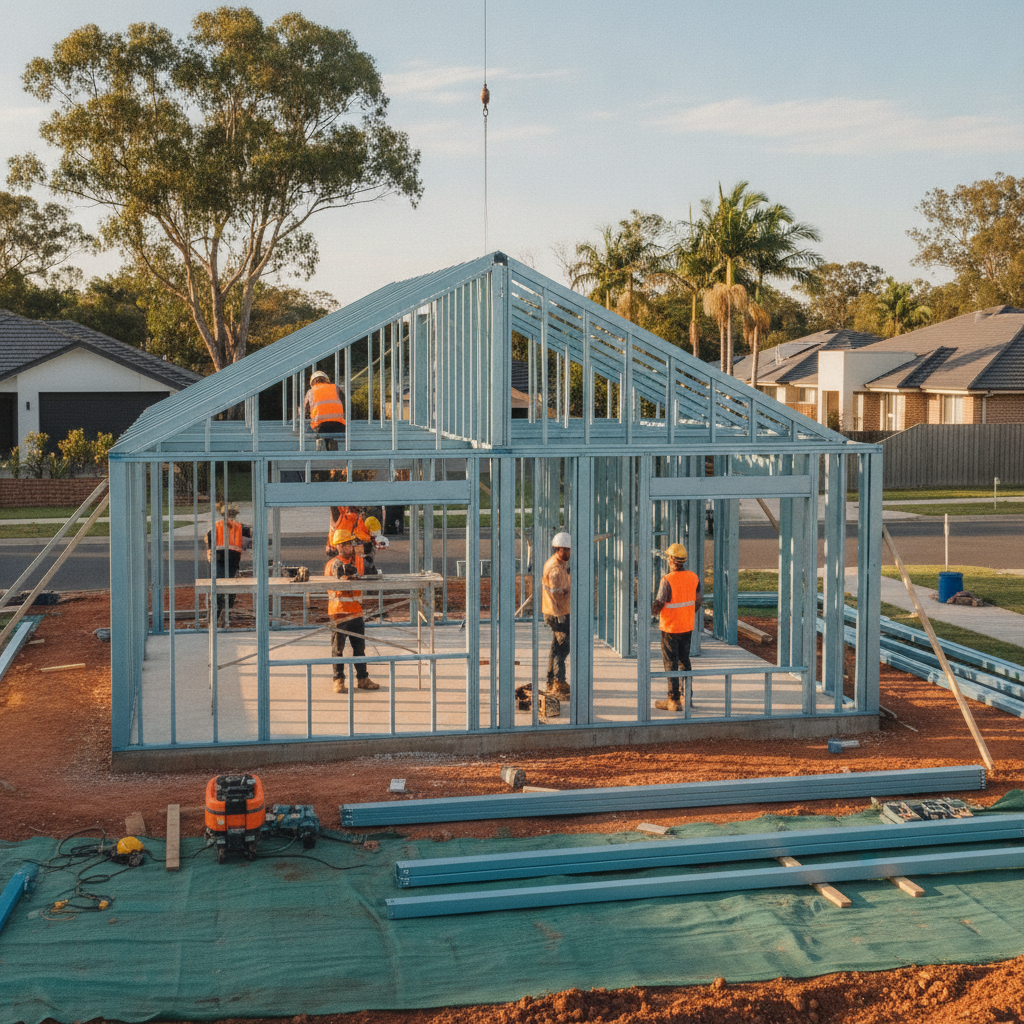
Modern kit homes are designed with the diverse Australian climate in mind. In regional areas, where temperatures can swing from frost-shattered mornings to scorching summer afternoons, the structural integrity of the home is paramount. Utilizing high quality materials like BlueScope TRUECORE steel frames provides a lightweight yet incredibly strong skeleton for the home, which is especially beneficial when dealing with reactive soils often found in rural pockets.
The Freedom of the Owner-Builder Path
One of the most significant trends within the regional housing movement is the rise of the owner-builder. For tree-changers, the process of building is often as much about the journey as it is the destination. Taking on the role of an owner-builder allows for a level of control that is rarely found in traditional 'turn-key' arrangements.
By choosing a kit home, the heavy lifting of the structural design and material procurement is handled for you. You receive a comprehensive package including the frames, roofing, cladding, windows, and doors. This leaves you free to manage the site works, coordinate local trades for the slab and fit-out, and personally oversee the finishing touches that turn a house into a home. It is a collaborative process that fosters a deep connection to the property.
Kit Home Tips for Regional Success
- Assess Your Site Early: Regional blocks often come with unique environmental overlays, such as Bushfire Attack Level (BAL) ratings or biodiversity protections. Choose a kit home design that can be easily adapted to meet these specific requirements.
- Think About Logistics: Consider access for delivery trucks. Most regional properties have unsealed roads or narrow gates. Discussing this early with your kit provider ensures the delivery process is smooth.
- Engage Local Trades: Building in a small community is a great way to integrate. Hiring local plumbers and electricians not only supports the local economy but also ensures you have experts who understand the specific conditions of the area.
- Plan for the Future: Many tree-changers start with a smaller footprint and plan to expand. Choose a kit home system that allows for easy future additions as your needs or family size grow.
Design Trends: Aesthetics That Blend with Nature
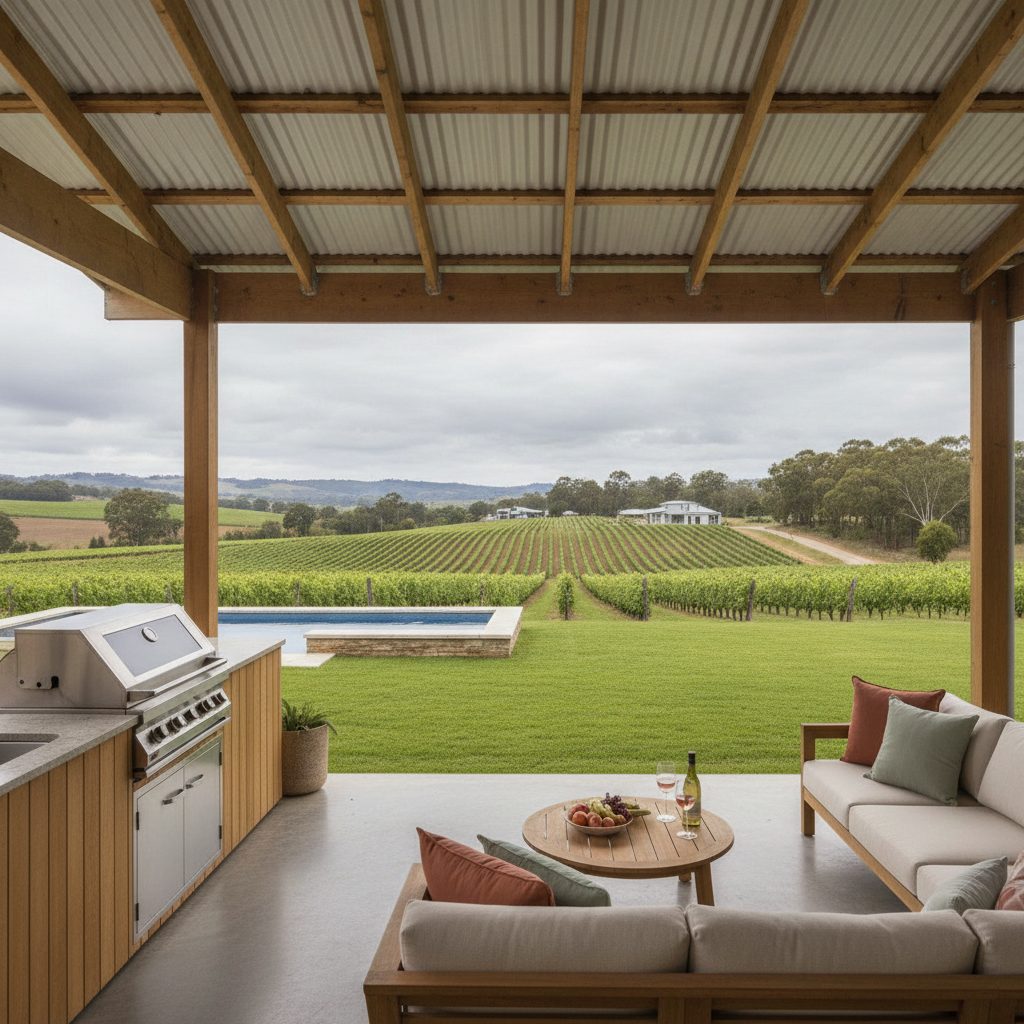
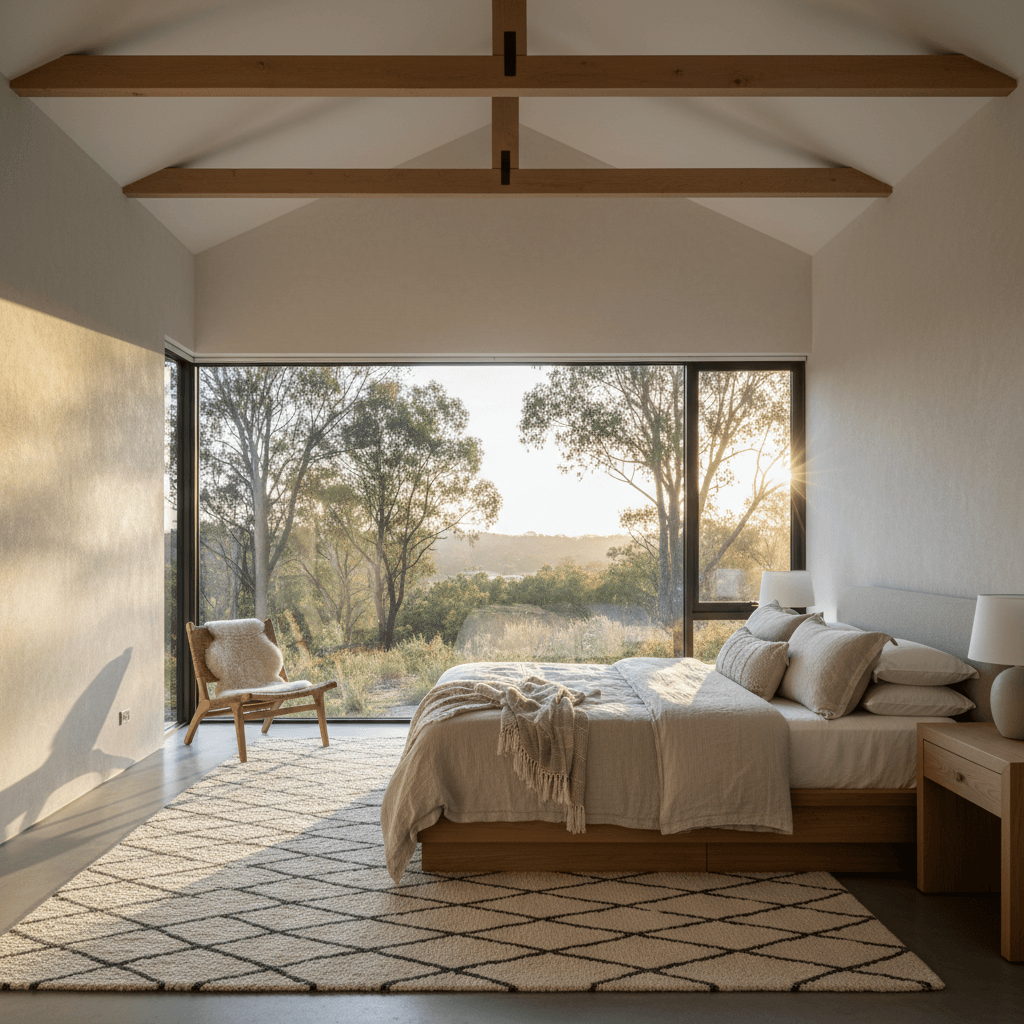
The current aesthetic trend for regional kit homes is 'Contemporary Rural.' Gone are the days of basic sheds, replaced by sophisticated designs that feature high ceilings, open-plan living, and expansive glass to invite the outdoors in. Cladding choices play a huge role here, with many homeowners opting for a mix of textures that echo the surrounding environment.
Steel frames play a subtle but crucial role in this design movement. Because steel has a high strength-to-weight ratio, it allows for larger spans and wider window openings without the need for bulky support pillars. This is ideal for achieving that 'pavilion' style look that is so popular in modern Australian regional architecture. It allows for a house that feels light, airy, and intrinsically linked to the forest or field it sits upon.
Owner-Builder Tips: Staying Organized on Site
Managing your own regional build is a rewarding challenge, but it requires meticulous organization. Here are a few hands-on tips for keeping the project on track:
Create a Staging Area
When your kit arrives, you will have a significant amount of material delivered at once. Before the truck arrives, clear a flat, dry area on site. Use timber sleepers to keep steel frames and cladding off the ground and have heavy-duty tarpaulins ready to protect materials from the elements while you work through the assembly phases.
Master Your Schedule
Communication is the lifeblood of a successful owner-builder project. Create a master calendar and share it with your trades. In regional areas, trades often travel long distances, so giving them plenty of notice and clear deadlines is essential for keeping the project moving.
Focus on the Envelope first
The beauty of a kit home is how quickly you can get the structure to a 'lock-up' stage. Focus your energy on getting the frames up, the roof on, and the windows installed. Once the home is weather-proof, you have much more flexibility in managing the internal fit-out at your own pace, regardless of the weather outside.
Sustainable Living in Regional Australia
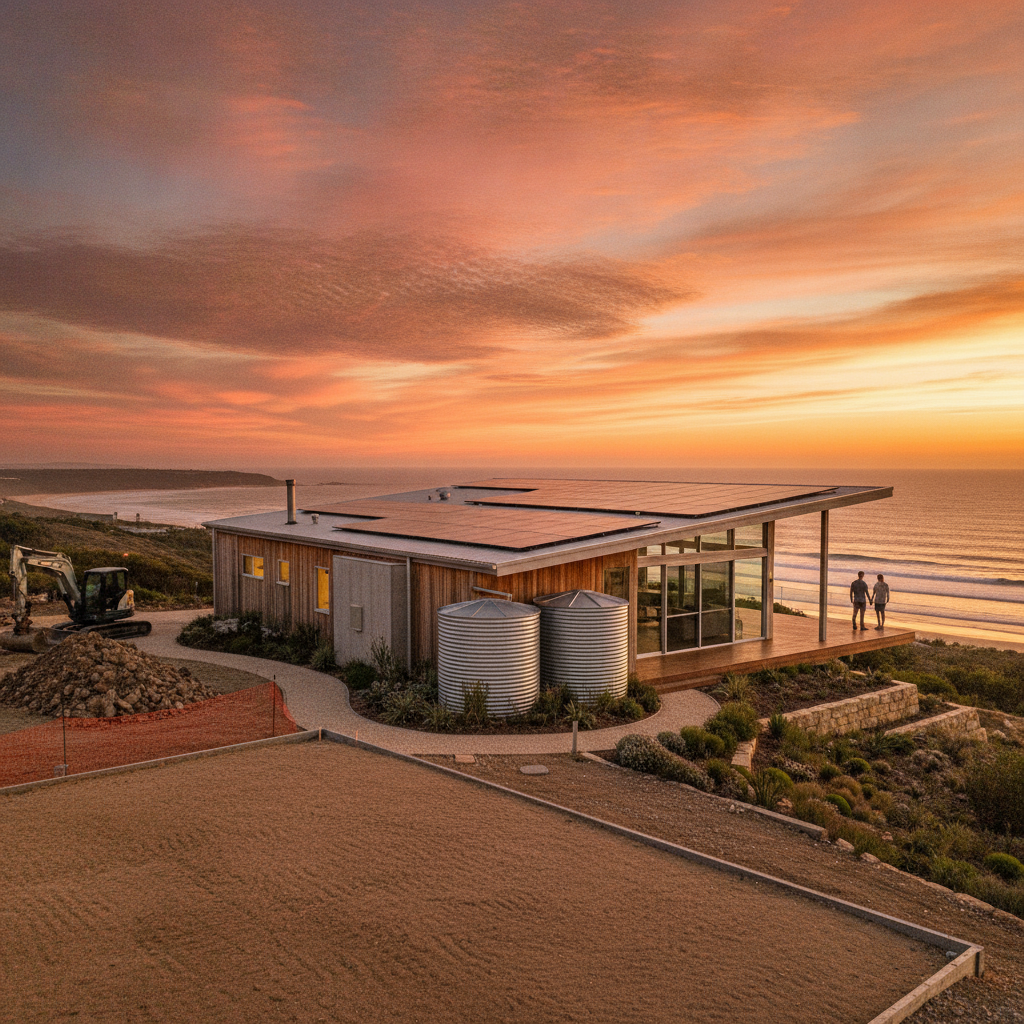
Many people moving to the country are motivated by a desire for a more sustainable lifestyle. Kit homes lend themselves perfectly to eco-friendly living. The precision of computer-designed steel frames means there is minimal waste on site compared to traditional timber framing. Furthermore, steel is 100 percent recyclable, aligning with a circular economy mindset.
Incorporating passive solar design principles is easier when you have control over the orientation of your home. By positioning your kit home to maximize northern sun in winter and utilize cross-ventilation from afternoon breezes, you can significantly reduce the energy requirements of the household. Adding high-quality insulation, which is typically included in kit packages, further enhances the thermal performance of the building.
Connecting With the Community
Building a home in a regional area is often the first step in becoming part of a new community. The owner-builder path often starts conversations with neighbors and local suppliers. There is a shared respect for those who take a hands-on approach to creating their own piece of the Australian dream. Whether it is over a coffee at the local general store or a chat at the hardware shop, you will find that the journey of building a kit home provides plenty of common ground with your new neighbors.
Conclusion
The trend toward regional living shows no signs of slowing down. As Australians continue to seek out space, privacy, and a closer connection to nature, the kit home stands out as a practical, stylish, and empowering solution. By taking the reins as an owner-builder, you are not just building a structure, you are crafting a lifestyle that is uniquely yours. With the right planning, a high-quality kit, and a bit of regional grit, your dream of a life among the trees is well within reach.