The Great Australian Shift: From Commuting to Countryside
Australia is currently witnessing one of the most significant shifts in housing trends since the post-war boom. The traditional requirement to live within a thirty minute radius of a central business district is fading away, replaced by the digital freedom of remote work. As high-speed internet reaches the furthest corners of our states, more Aussies are trading congested city streets for the rolling hills of the Tweed Valley, the rugged beauty of the Margaret River region, or the quiet charm of the Victorian High Country.
This movement has birthed a new era for the humble kit home. No longer seen just as a backyard granny flat or a basic shed, the modern kit home has become a sophisticated solution for those looking to build their dream rural retreat. By taking control of the building process as an owner-builder, Australians are finding they can achieve high quality, architecturally designed homes in locations where traditional builders might be scarce or prohibitively expensive.
The Rise of the Rural Workspace
One of the most interesting developments in Australian housing trends is the evolution of the floor plan. When people build in rural areas today, they aren't just looking for three bedrooms and a bathroom. They are looking for a 'lifestyle hub' that accommodates professional work. We are seeing a massive spike in kit home designs that prioritise integrated home offices, separate studio spaces, and wide verandas that serve as outdoor meeting rooms.
The beauty of a kit home in this context is the flexibility. Because you are managing the project, you have the ability to adapt the interior layout to suit your specific remote-work needs. Whether it is ensuring the study has the best view on the block or soundproofing a room for those endless video calls, the owner-builder path allows for a level of customisation that reflects the modern Australian lifestyle.
Why Steel Frames are Traditional for the Modern Outback
When you shift your life to a rural or remote area, you quickly become aware of the elements. Australia is a land of extremes, and your choice of building materials needs to reflect that. This is where steel frame construction, particularly using high-quality BlueScope TRUECORE steel, has become the gold standard for kit homes.
Unlike traditional timber, steel is non-combustible. In many rural Australian regions, building to specific Bushfire Attack Level (BAL) ratings is a mandatory requirement. Using steel frames and quality cladding provides a robust foundation for a home that needs to stand up to the Australian sun and potential fire risks. Furthermore, steel is 100 percent termite proof. In many parts of Queensland and Western Australia, this isn't just a benefit, it is an absolute necessity for long-term peace of mind.
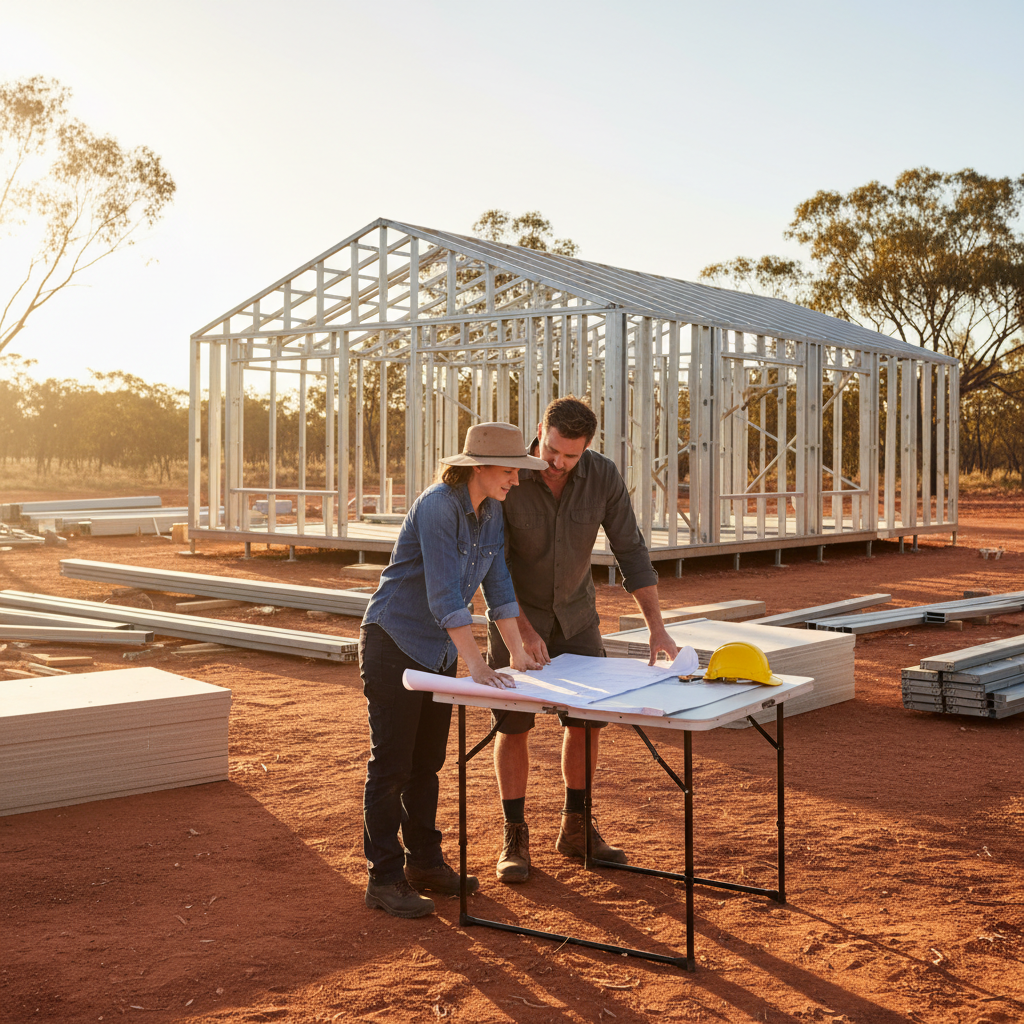
From a construction perspective, steel frames are incredibly straight and true. They don't warp, twist, or shrink over time. This means that when you are out on a remote site, the components arrive ready to be bolted together with precision. For an owner builder, this accuracy is a massive advantage, reducing the guesswork and ensuring that the final structure is square and solid.
Practical Tips for Potential Kit Home Buyers
If you are considering joining the ranks of rural dwellers, here are some practical steps to get your project moving in the right direction:
1. Understand Your Site First
Before you fall in love with a specific design, you need to understand your land. Rural blocks often come with unique challenges such as slope, soil type, and access. You will need a soil test and a site survey early in the process. This will influence your footings, whether you opt for a concrete slab or a raised floor system, and how the kit components will be delivered to the site.
2. Check Council Requirements
Every local council in Australia has different rules. Some may have specific 'character' requirements for homes in certain areas, while others have strict vegetation clearing laws. Always have a preliminary chat with a town planner at your local council to see what overlays might apply to your property. Knowing your BAL rating and any flood risks early will save a lot of headaches later.
3. The Owner-Builder Mindset
Taking on the role of an owner-builder is rewarding but requires organisation. You aren't just 'building a house', you are project managing a construction site. This involves hiring trades (plumbers, electricians, and concreters), managing deliveries, and ensuring the site meets safety standards. If you are handy and organised, this is a fantastic way to stay involved in every detail of your future home.
Owner-Builder Wisdom: Managing the Workflow
One of the biggest tips for those building their own kit home in a remote area is to plan your trade schedule well in advance. Rural tradespeople are often booked out months ahead. Once your kit is ordered and you have a delivery date, start locking in your concreter for the slab and your plumber for the under-slab drainage.
Communication is the key to a successful build. Make sure your trades understand that you are building a steel-framed kit home. Most modern trades are very comfortable with steel, but it is always good to ensure they have worked with these systems before. Because the kit includes the frames, roofing, and cladding, the 'shell' of your house goes up much faster than a traditional build, which can be a huge motivator when you are standing on a dusty paddock imagining your new life.
Design for the Australian Landscape
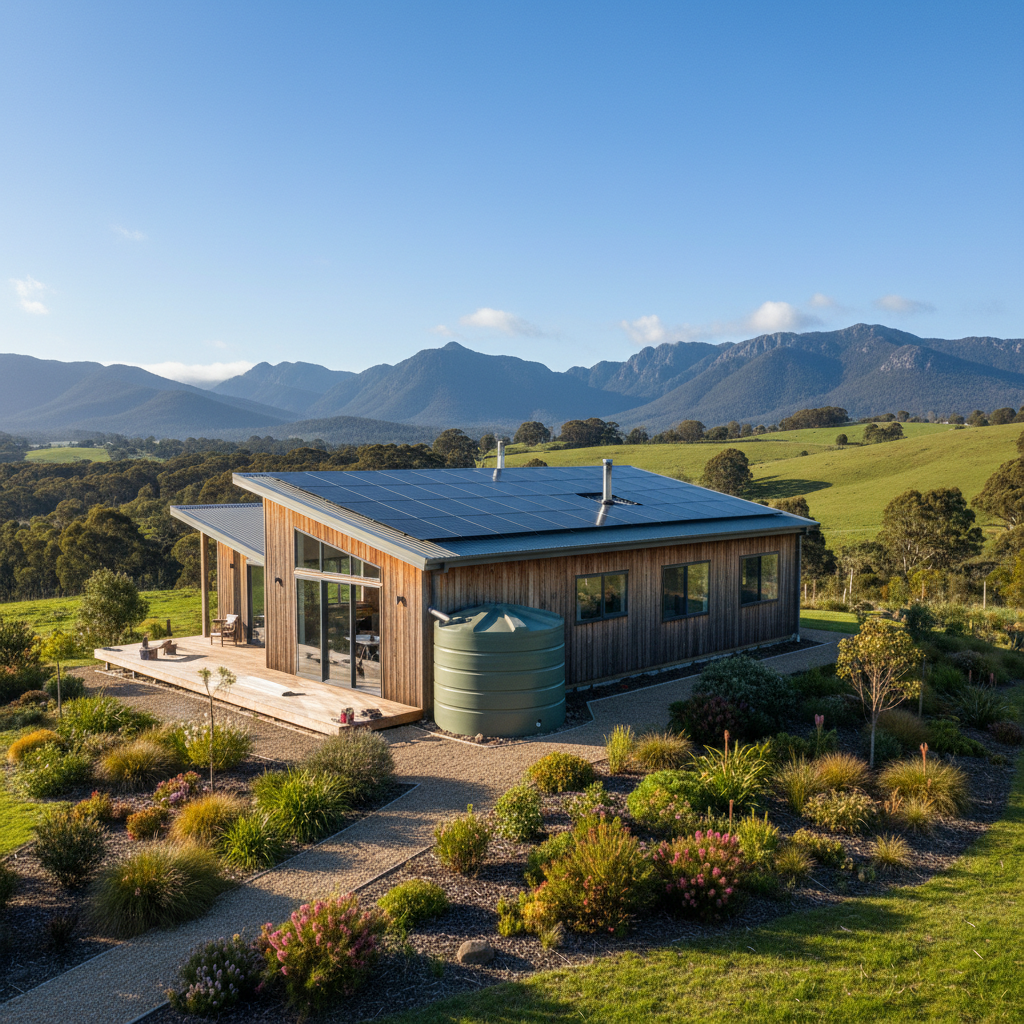
In the city, we often build 'up' to save space. In the country, the trend is to build 'out'. Spread-out, single-storey pavilions are becoming increasingly popular in Australian kit home circles. This style allows for better cross-ventilation, which is vital for staying cool during the summer months. Large windows and glass doors are also a staple of the remote kit home, designed to frame the landscape and make the house feel like it belongs in its environment.
When selecting your cladding and roofing colours, consider the thermal performance as well as the aesthetic. Light colours reflect more heat, which can significantly reduce your cooling costs. Since the kit includes insulation, you are already ahead of the game, but smart design choices like wide eaves and shaded outdoor areas will make your remote office much more comfortable.
Technical Knowledge: Why Precision Matters
For those interested in the technical side of things, the transition to steel frames represents a move toward engineering excellence in residential housing. Each piece of the frame is precision-engineered to fit perfectly. This means less waste on-site, which is particularly important for eco-conscious builders and those in remote areas where rubbish removal can be difficult and expensive.
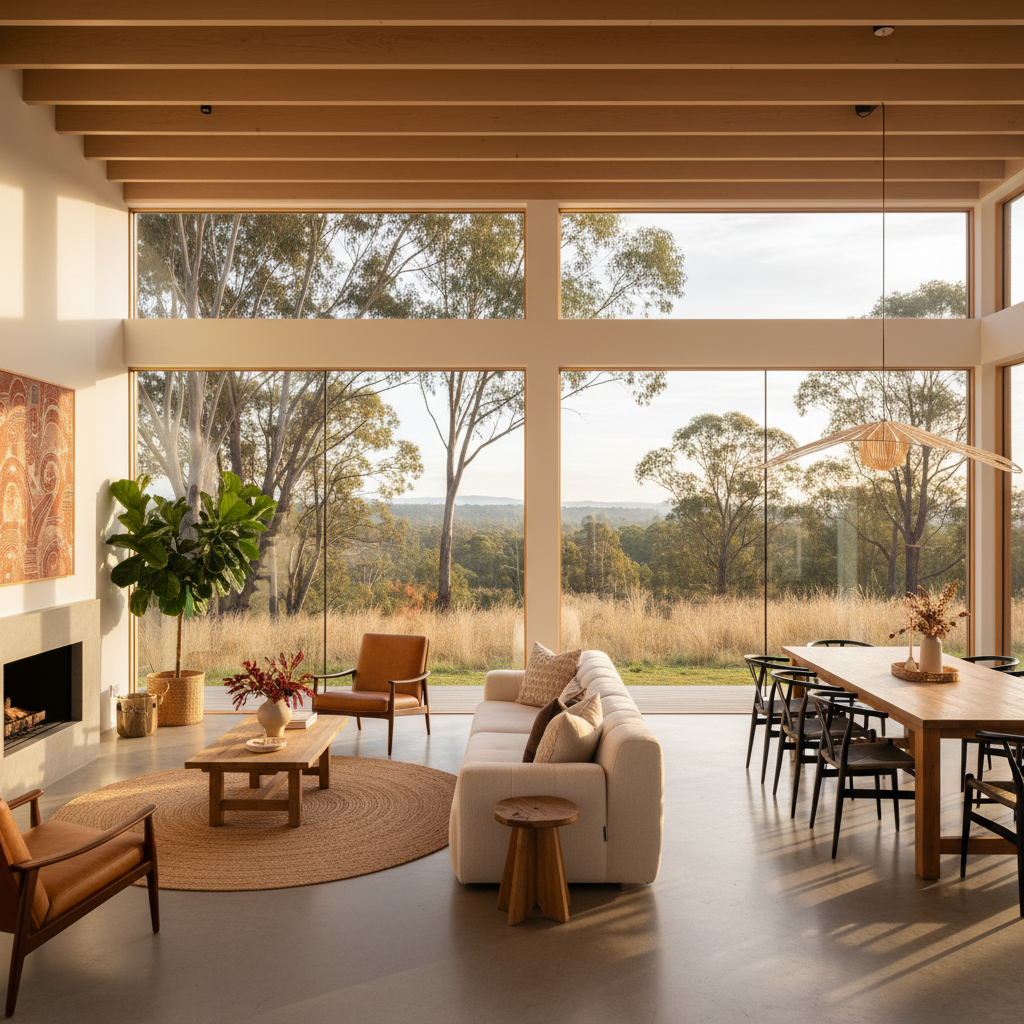
The strength-to-weight ratio of steel also allows for larger open-plan living areas without the need for bulky internal load-bearing walls. If you want a wide, open kitchen and living space that flows out onto a deck, steel frames make that vision much easier to achieve. This structural integrity is one of the reasons kit homes have moved from 'basic shelter' to 'high-end architectural' territory in the Australian market.
Conclusion: Your Remote Future Starts Now
The dream of a rural Australian lifestyle is closer than ever before. With the flexibility of remote work and the reliability of modern steel-framed kit homes, the barriers to entry have been lowered for those willing to take on the challenge of owner-building. By choosing a path that prioritises durability, precision, and clever design, you can create a sanctuary that isn't just a place to live, but a place to thrive.
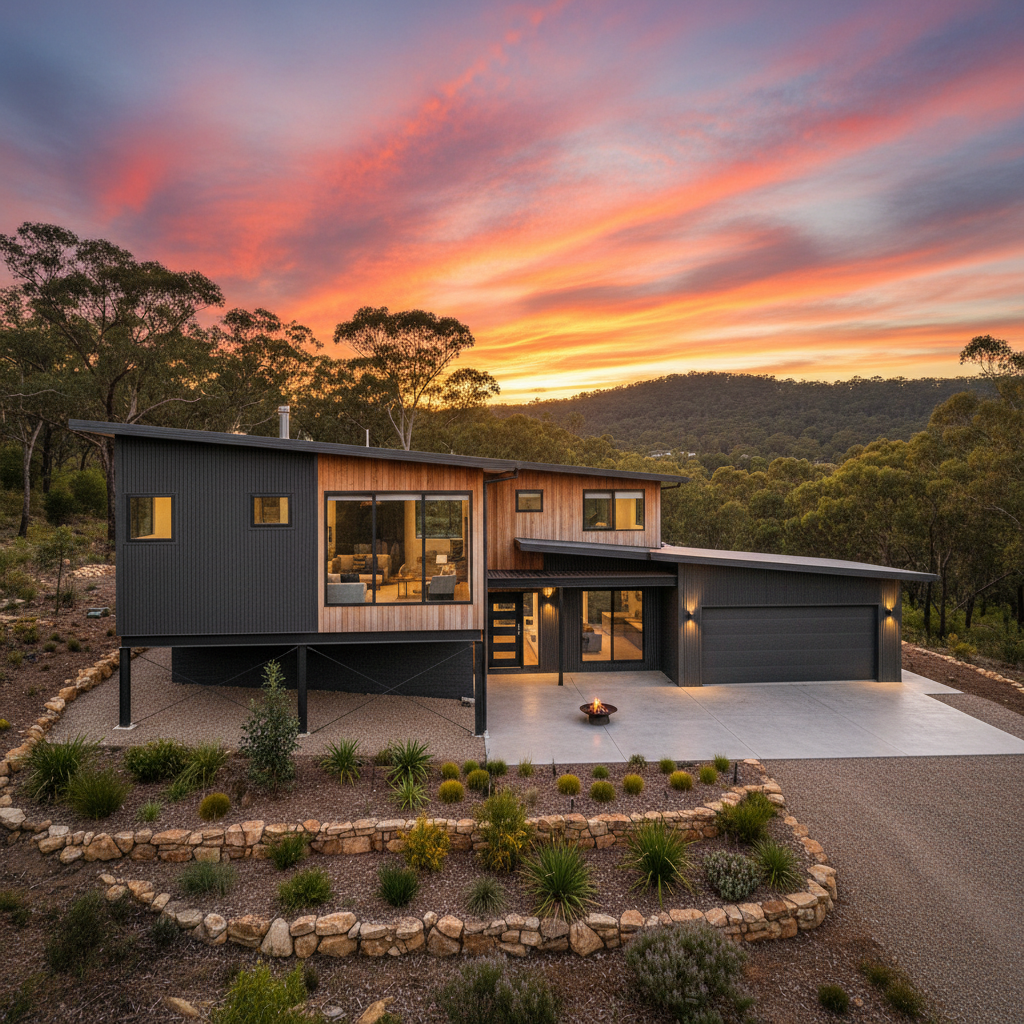
Building a home in the bush or by the coast is a journey. It requires patience, planning, and a bit of 'can-do' Aussie spirit. But when you are sitting on your veranda, logging off from work for the day as the sun sets over your own piece of Australia, you will know every bit of effort was worth it.