The Great Australian Migration is Happening Now
City life lost its charm about three years ago for a huge chunk of the population. Since then, the rush to the regions hasn't slowed down one bit. People are tired of paying seven figures for a fibro shack in a suburb where they can hear their neighbor brushing their teeth through the wall. Now that Zoom calls and Starlink internet have replaced the 1-hour commute on the M1 or the Monash, the dream of a rural block is actually doable. But here is the thing. Finding a reliable builder in a small town like Mudgee or Maleny is nearly impossible right now. They are booked out until 2026. This is exactly why kit homes have seen a massive surge in popularity across the country.
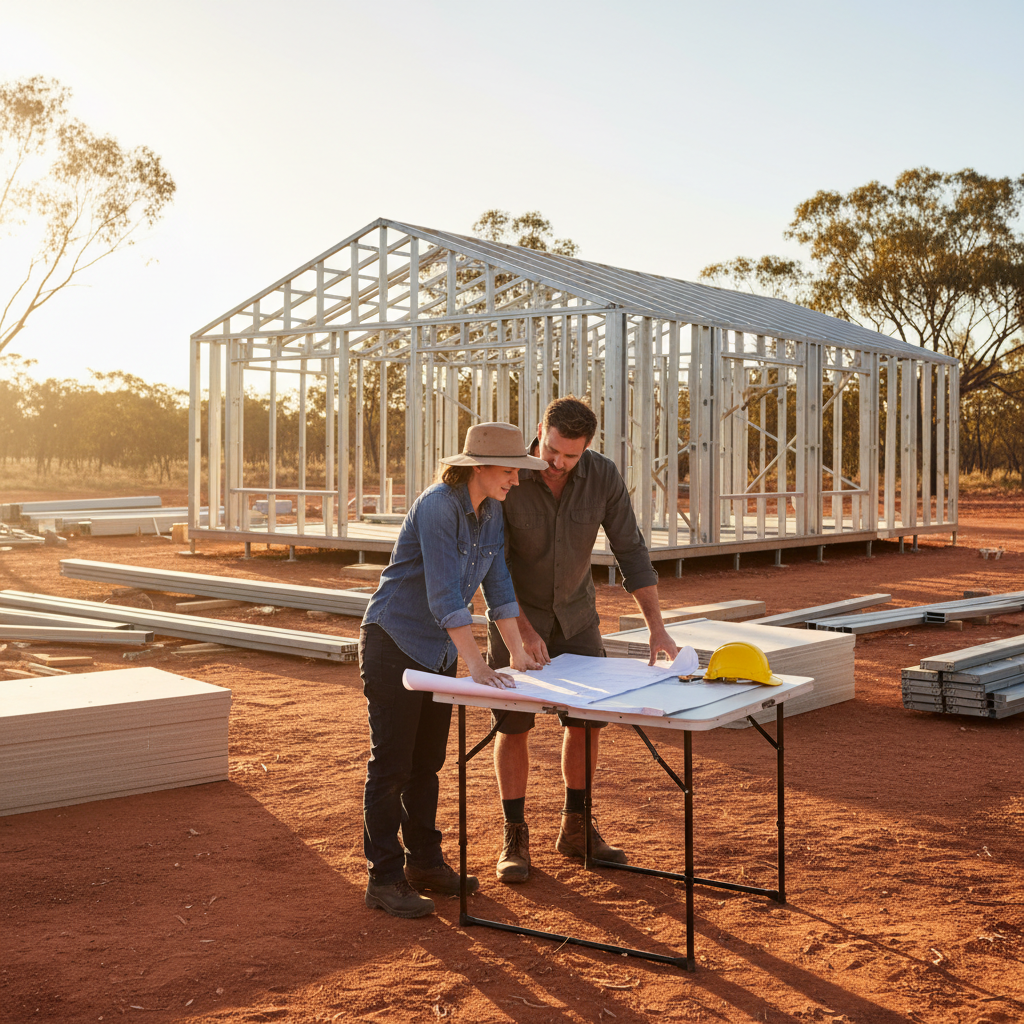
It's about control. When you buy a kit, you aren't waiting in line for a project builder to fit you into their schedule between thirty other identical builds. You take the reins as an owner-builder. You get the steel frames delivered to site, you get the roof on, and you manage the trades yourself. It is hard work. It's dusty. You will spend your weekends on the phone tracking down a plumber who actually shows up when he says he will. But at the end of it, you own a house that fits the landscape without the massive developer markup.
Why Steel Frames Make Sense for the Scrub
If you are building in regional Australia, you have two major enemies: termites and fire. Southern Queensland and Northern NSW are crawling with timber-munching white ants that can destroy a house wing before you even notice they are there. That is why we use TRUECORE steel from BlueScope. It is a no-brainer. Termites won't touch it. It gives you that peace of mind when you are living on a remote block where the nearest hardware store is forty minutes away. Plus, steel is straight. It stays straight. You don't get the warping or twisting you see with green timber, which makes hanging your internal doors a lot less of a headache for the DIY crowd.
Then there is the BAL rating. If you are building in the bush, the Rural Fire Service is going to have a lot to say about your plans. Building with non-combustible materials like steel frames and Colorbond cladding makes meeting those Bushfire Attack Level requirements much more straightforward. It is better to build for the environment you have, not the one you wish you had. The Australian sun is brutal. It cracks paint and rots wood. Steel just sits there and does its job year after decade.
Practical Tips for the Rural Owner-Builder
Before you get excited and start picking out kitchen tiles, you need to sort your site access. We once had a delivery heading out to a property near the Glass House Mountains where the driveway was so steep and narrow the crane truck couldn't even get close. The owner had to spend two days ferrying steel frames up a hill on a box trailer. Don't be that person. Look at your site through the eyes of a heavy vehicle driver. Is there a turning circle? Is the ground firm enough for a flatbed after a week of rain? Sort your pad and your access first.
- Check your local council requirements early. Every council has its own quirks. Some are kit-home friendly, others act like you're trying to build a spaceship. Get your DA or Complying Development paperwork moving before you even think about ordering.
- Focus on the envelope. Your priority is getting the slab down, the frames up, and the roof on. Once you are lock-up stage, the pressure drops. You can take your time with the internal fit-out while staying dry.
- Noggins and fixings. Because steel is thinner than a standard 90x45 timber stud, you need to think about where you're hanging heavy stuff. If you want a wall-mounted TV or a heavy floating vanity in the bathroom, tell the team early. You'll want extra noggins in those spots before the plasterboard goes up because finding a stud with a generic magnet isn't always fun.
- Organize your trades months in advance. Just because you are building the kit doesn't mean you don't need pros. You need a licensed sparky and a plumber to sign off on the certificates for your Occupation Certificate (OC). Talk to the locals at the pub or the local Facebook group. Word of mouth is gold in regional towns.
The Reality of the DIY Life
Building your own place isn't like those shows on Lifestyle TV. There's no dramatic reveal with soft jazz playing in the background. It is mostly you on a Saturday afternoon, covered in grey dust, trying to figure out why the window flashing isn't sitting flush. But there's a specific kind of pride in it. When you're sitting on your deck looking out at the gums, and you know exactly how every screw was driven into that steel frame, it feels different. It feels like yours.
The trend we are seeing involves people downsizing the house but upsizing the lifestyle. They're choosing smaller, smarter floor plans. Three bedrooms instead of five. Open plan living that flows onto a big verandah because out in the bush, the porch is your second lounge room. It's a shift toward efficiency. Steel kits are perfect for this because they are precise. The engineering is done for you. The holes for your electrical and plumbing are already punched into the studs. It's like a giant Meccano set for grown-ups.
The Design Shift: Modern Rural Aesthetics
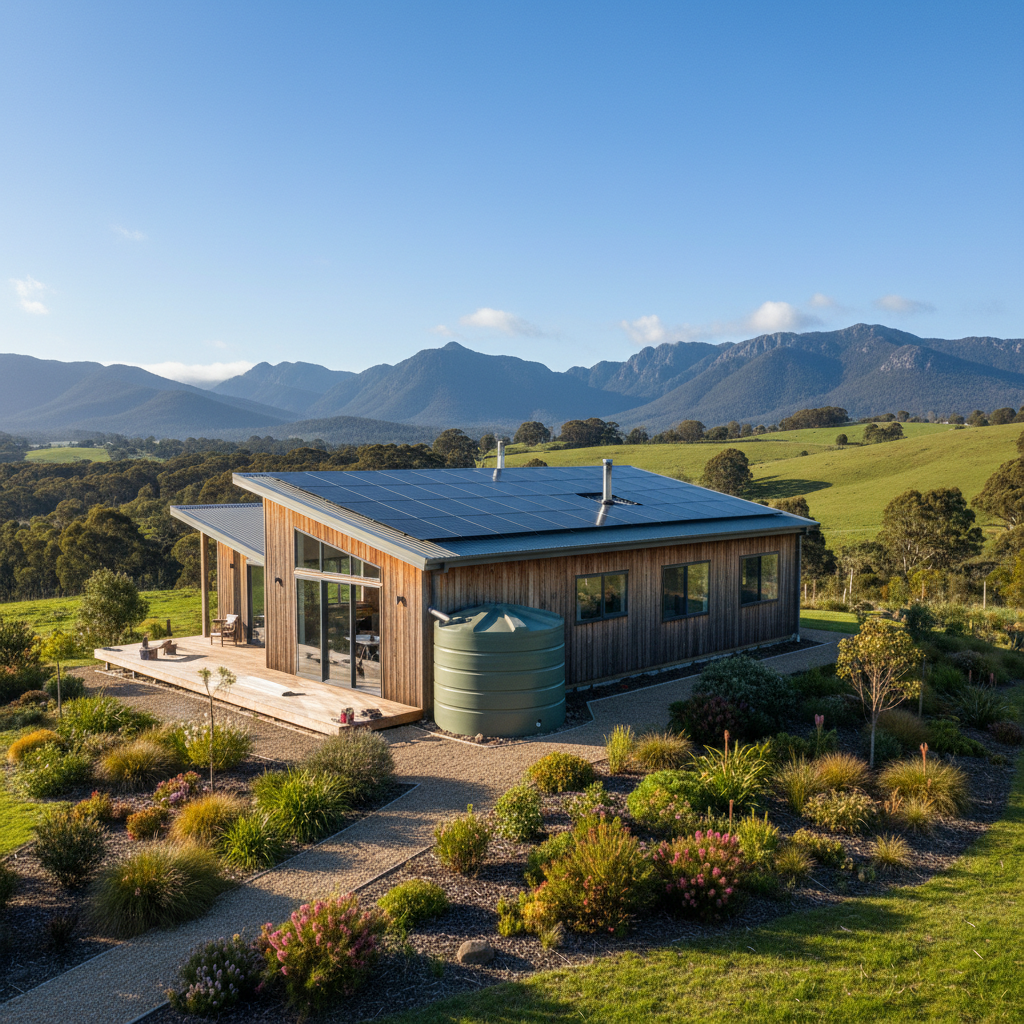
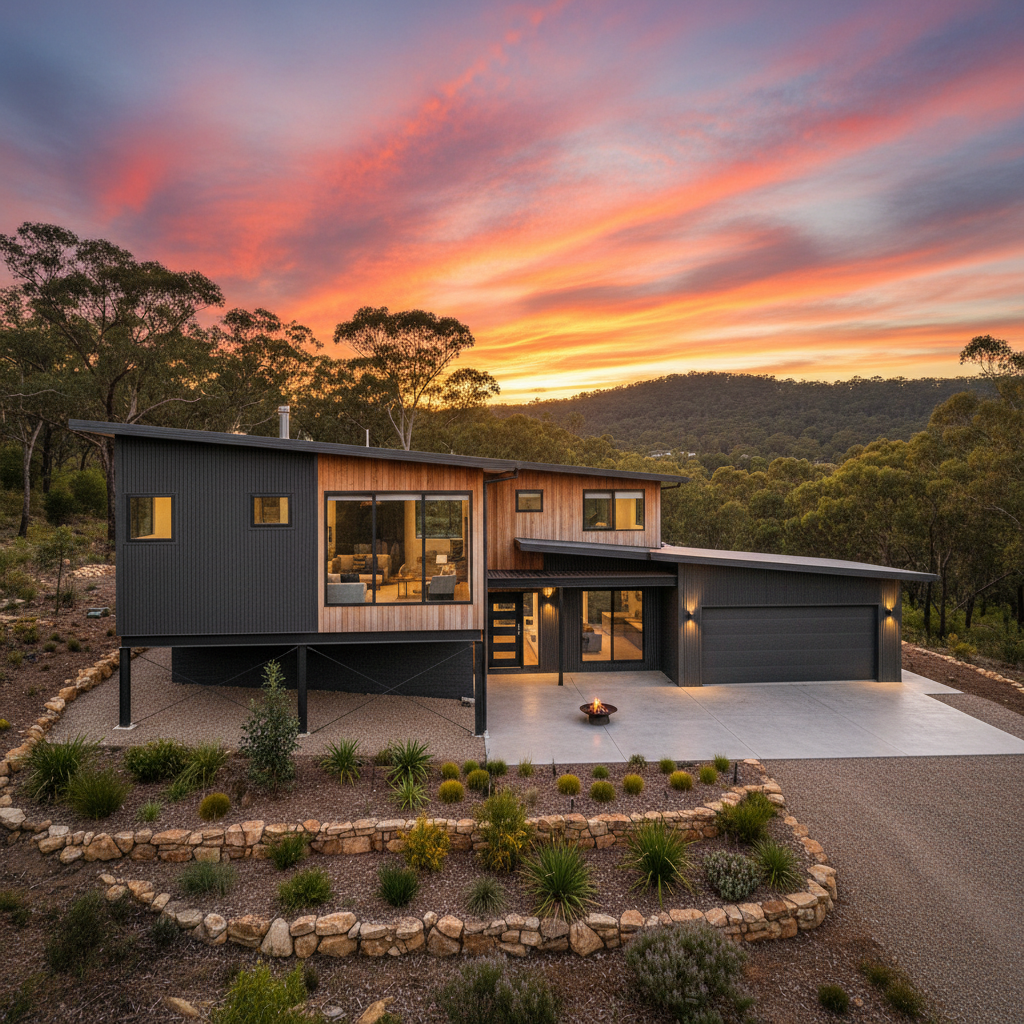
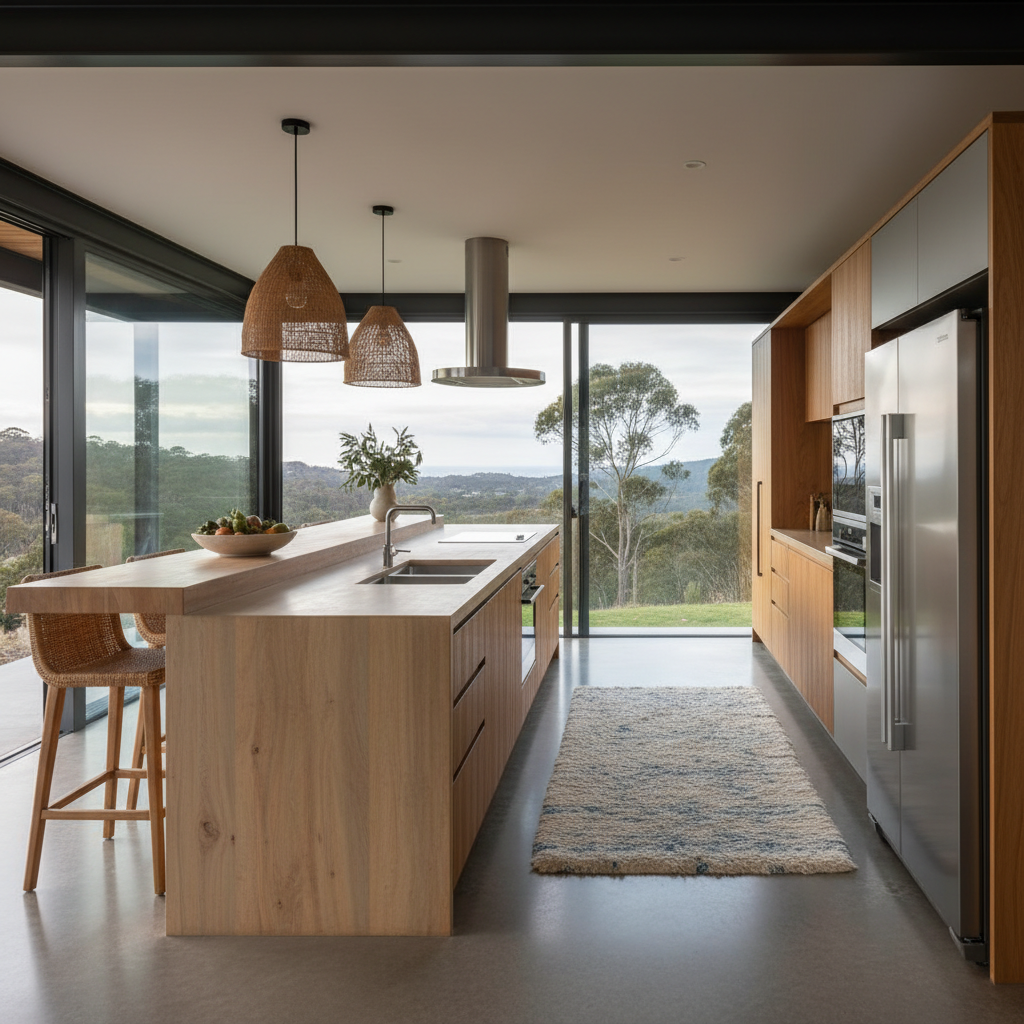
The old days of kit homes looking like glorified sheds are over. We're seeing a lot of black cladding, high-pitched roofs, and massive glass sliding doors. People want that 'Modern Farmhouse' look. They want the cathedral ceilings that steel spans allow without needing massive, expensive timber beams. It's about light. If you are moving to the country, you want to see the trees, not the walls.
Because you are in charge, you can tweak things. Want to swap out the standard windows for something bigger to catch the afternoon breeze? Do it. Want to use a specific type of insulation because you know the valley gets freezing in July? You have that power. You aren't locked into a builder's limited range of 'Gold, Silver, or Bronze' packages. You are the project manager. You are the boss. And while that means the buck stops with you, it also means the savings stay in your pocket.
If you're looking at a block of land right now, wondering if you can actually pull this off, my advice is to stop overthinking the small stuff and look at the bones. Get the structure right. Use quality Australian steel. Build it to last. The rest of the details, like the paint colors or the light fittings, can be sussed out later. Focus on getting out of the city and getting your stakes in the ground. The regions are waiting, and honestly, the air is just better out here.