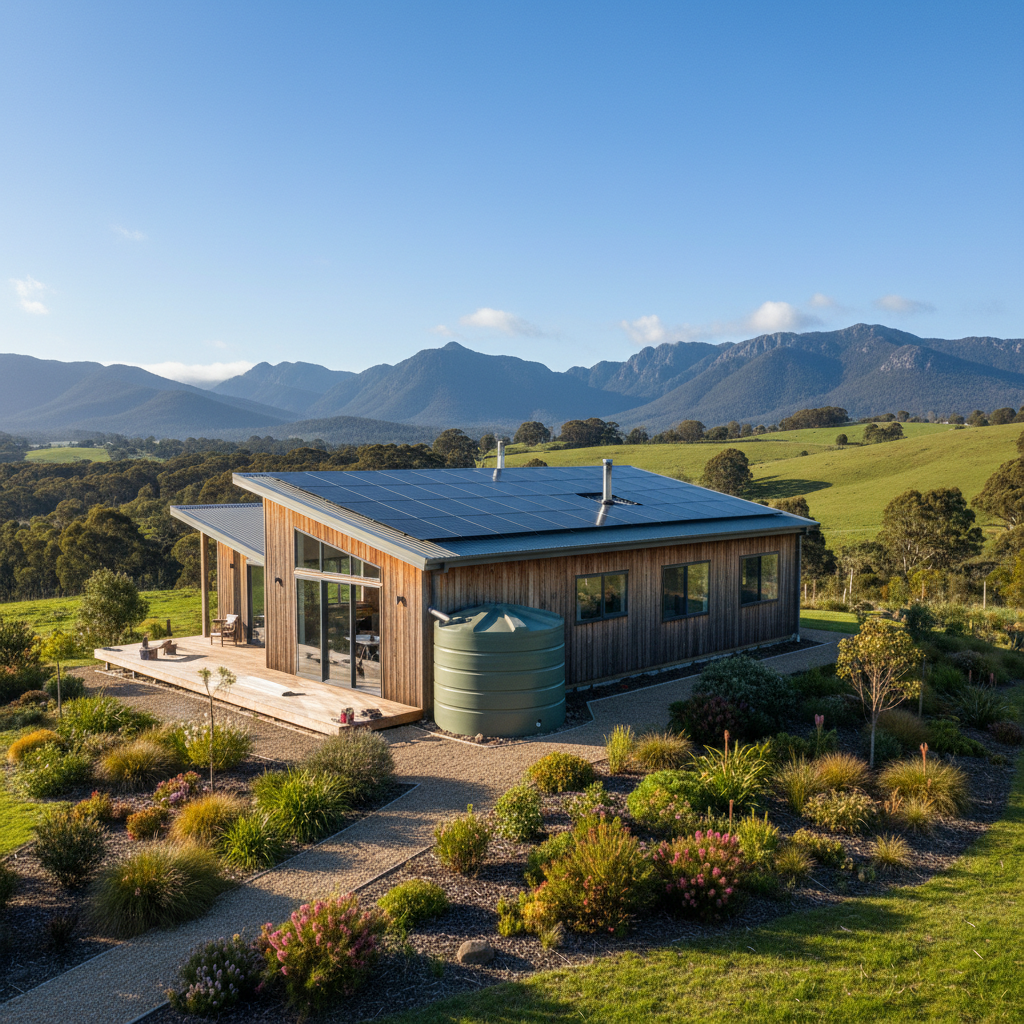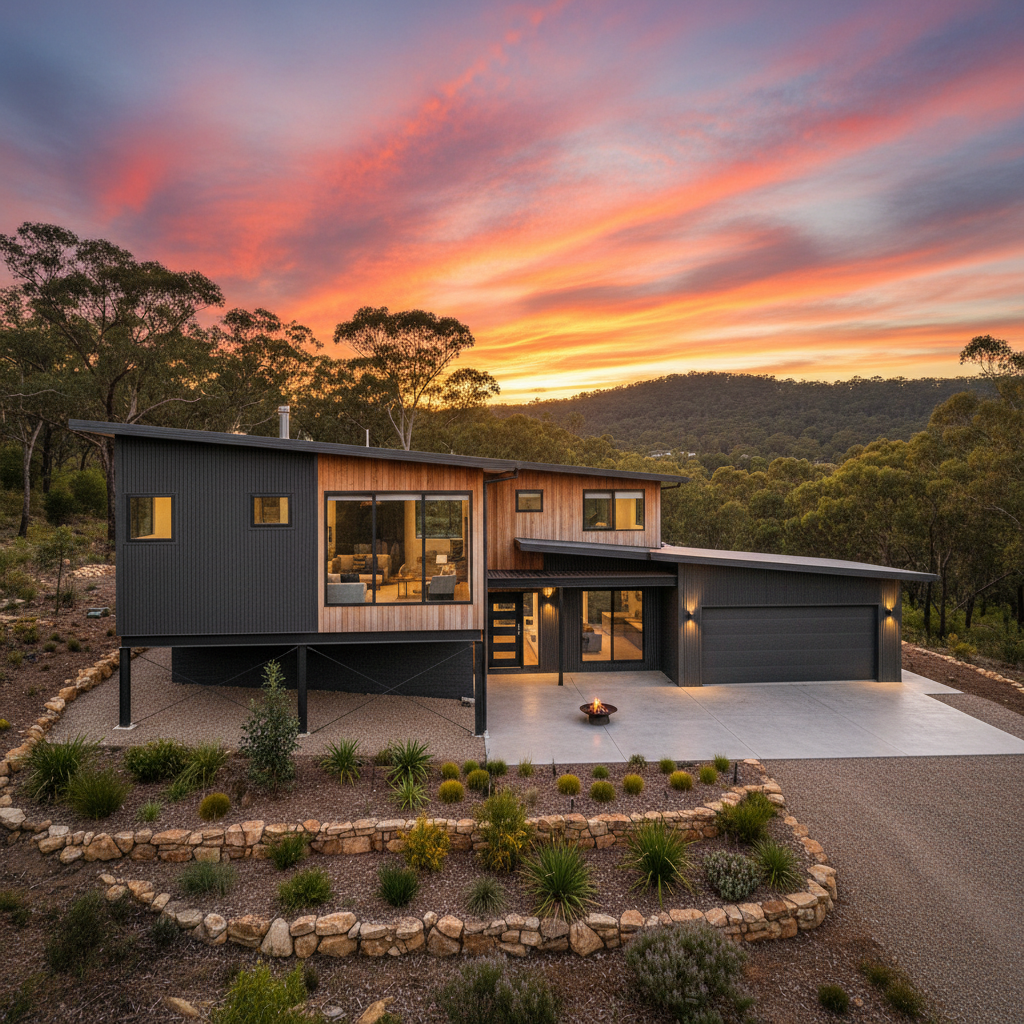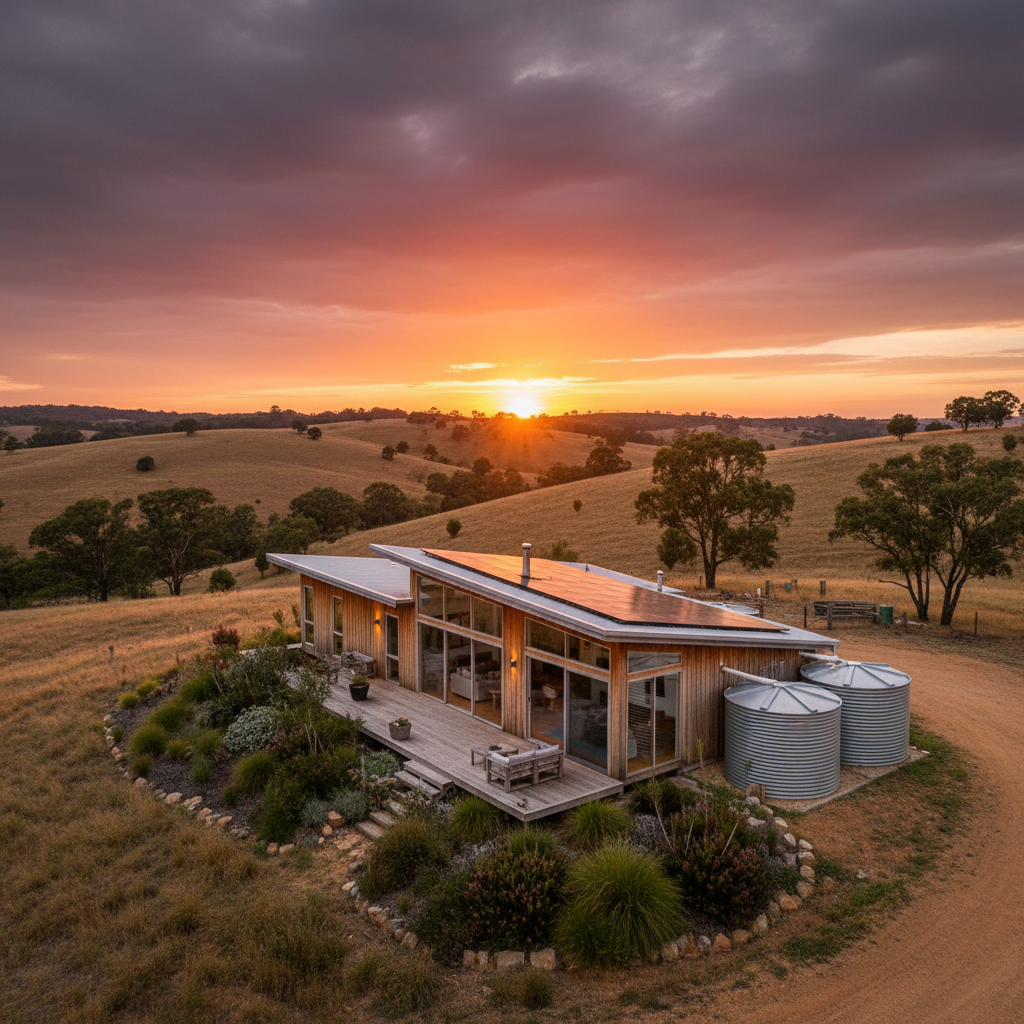
The 9 to 5 grind in Macquarie Park or the Melbourne CBD just doesn't have the pull it used to. I’ve seen more blokes and families trading their tiny suburban blocks for ten acres in places like Mudgee or the Sunshine Coast hinterland over the last three years than I did in the previous decade. It's a massive shift. People realized they don't need to be stapled to a desk in a high-rise when they can run a business or manage a team from a shed-turned-office with a view of the Great Dividing Range. This push into regional Australia has changed the way we think about building. Instead of waiting two years for a project builder to find a tradie who’s willing to drive out to the sticks, people are taking matters into their own hands with steel frame kit homes.
Why Regional Australia is Calling
It’s about space. Pure and simple. When you're stuck in a townhouse with a courtyard the size of a postage stamp, the idea of a four-bedroom kit home on a proper slab becomes pretty attractive. But it isn't just about the grass. The National Broadband Network, for all its hiccups, made it possible to actually work from places that used to be dead zones. So, the demand for rural blocks has gone through the roof. Most of these blocks are what we call 'off-grid' or semi-rural, meaning you aren't tied to city sewerage or water. You've got to think about tanks, septic systems, and solar. Because you’re the boss of the project as an owner builder, you get to decide where the house sits to catch the morning sun on the veranda while you check your emails.
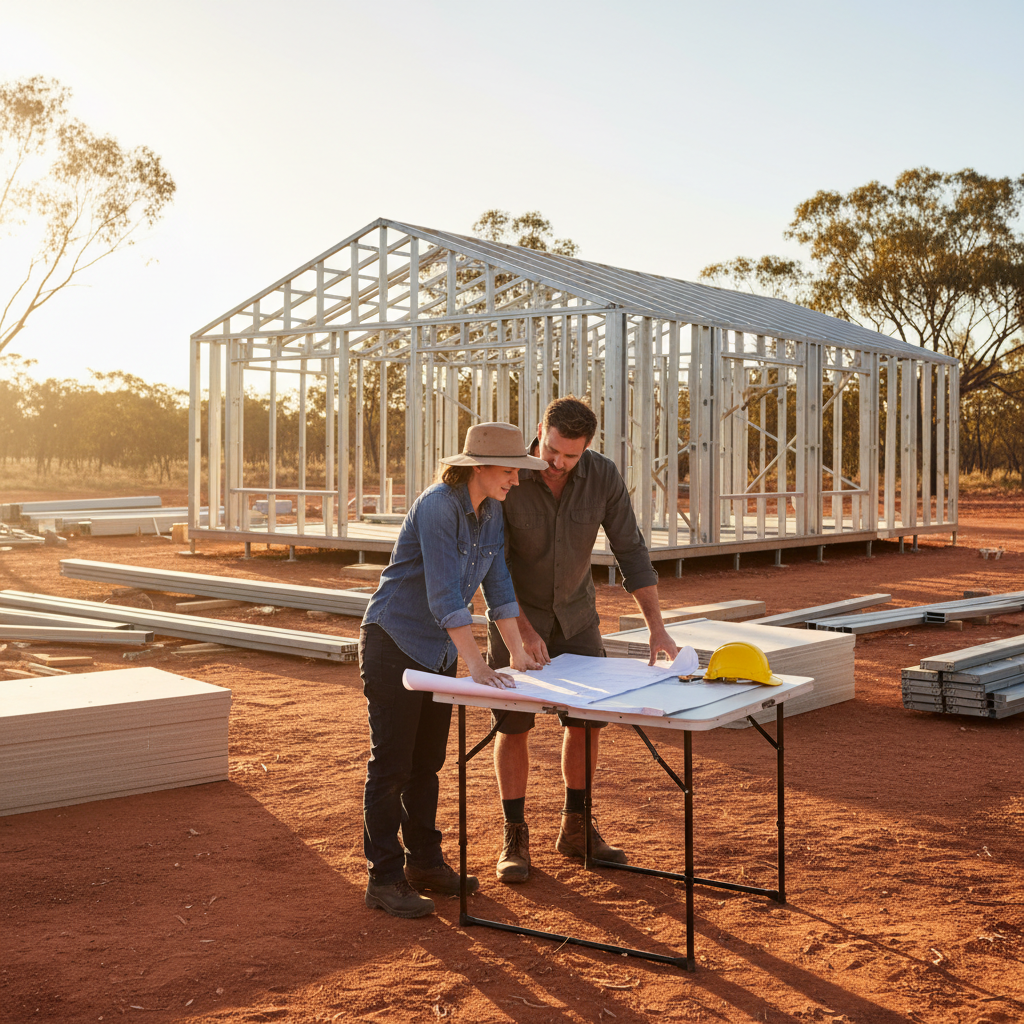
I spoke to a couple last month who bought a block near Gympie. They were tired of the rent cycle in Brisbane. They chose a kit because the local builders were booked out until 2026. By getting the TRUECORE steel frames delivered on a Hiab truck, they could get the structure up with a couple of mates and a local carpenter in a fraction of the time. That is the reality of the bush right now. You either wait forever, or you do it yourself.
The Steel Advantage in the Scrub
If you're building in rural Australia, you have to talk about termites. They’re a nightmare. I’ve seen timber frames in regional NSW that looked fine from the outside but were basically held together by the paint and a prayer once the white ants got stuck in. That is why steel is the standard for anyone with half a brain building in the bush. Using BlueScope steel means the bones of your house are termite-proof. Plus, it doesn't twist or warp like timber can when the Aussie sun hits it. If you’re building on a slab in a high-wind area, the precision of a steel frame makes a massive difference when it comes to hanging your internal doors or fitting those large windows that show off your view.
Bushfire Attack Levels (BAL)
You can't talk about rural housing trends without mentioning fire. Most regional blocks come with a BAL rating. Whether you're BAL-12.5 or BAL-40, your kit needs to handle the heat. This is where your choice of cladding and insulation becomes a technical necessity rather than just a style choice. When we send out a kit, it includes the roofing and the external skin, and you need to ensure every gap is sealed according to AS 3959. It’s not just about compliance, it’s about peace of mind when the northerly winds start picking up in January.
Tips for the Savvy Owner Builder
Being an owner builder is a big job. Don't let anyone tell you otherwise. You’re the project manager. You’re the one calling the plumber when he doesn't show up on a Tuesday morning. But the payoff is huge because you aren't paying a builder's margin on every single nail and screw. Here is some practical advice from the trenches.
- Site Access: Before you order your kit, make sure a semi-trailer can actually get to your house site. If the track is too narrow or the creek crossing is dodgy, you'll be hand-carrying steel beams up a hill, and trust me, that is not how you want to spend your weekend.
- The Slab is Everything: If your slab isn't square and level, you are in for a world of pain. A steel frame is manufactured to the millimeter. If the concrete is out by 20mm, nothing will line up. Spend the extra money on a top-tier concreter.
- Local Knowledge: Talk to the neighbors. They know which way the rain hits in winter and which local sparky actually answers his phone.
Designing for the Modern Rural Lifestyle
The trend we’re seeing isn't just about small cottages. People are building big. Open-plan living areas that flow out onto huge decks are the go-to. Because remote workers spend so much time at home, the 'study' isn't just a desk in the corner of the lounge anymore. It's a dedicated room with proper natural light and acoustic insulation. When you're looking at kit designs, think about the orientation. Use the eaves to shade your windows during the heat of the day but let the winter sun in. It saves you a fortune on cooling costs. And because you’re buying a kit that includes the windows and doors, you can plan that airflow from day one.
Another thing. Mudrooms. If you're moving from a paved suburb to a rural block, you’ll quickly realize that you bring half the garden inside on your boots. A dedicated entry point with a bench and some storage for rigger boots and raincoats is a godsend. It’s these little design tweaks that make a house feel like a home rather than just a building.
Technical Reality Check
People often ask me about the difficulty of the build. Look, if you can't read a tape measure, don't try to lead the project. But if you’ve got some basic tools and a bit of common sense, the way steel frames are notched and labeled these days makes it fairly straightforward. It’s like a giant Meccano set for grown-ups. The frames arrive pre-punched for your electrical and plumbing, which makes the trades' lives easier. Just remember that while you're doing the heavy lifting on the frames and cladding, you still need licensed pros for the wet stuff and the wires. The NCC Volume 2 is your bible here. Stick to the rules and your occupancy certificate will be a breeze.
The shift to regional Australia isn't a fad. It is a permanent change in how we balance life and work. Buying a kit gives you a head start on that life without the massive overheads of a traditional build. You get a house made of Australian steel, designed for Australian conditions, built by the person who’s going to live in it. That’s about as honest as building gets. Just make sure you’ve got a good cordless impact driver and some decent sunnies. You’re going to need them.