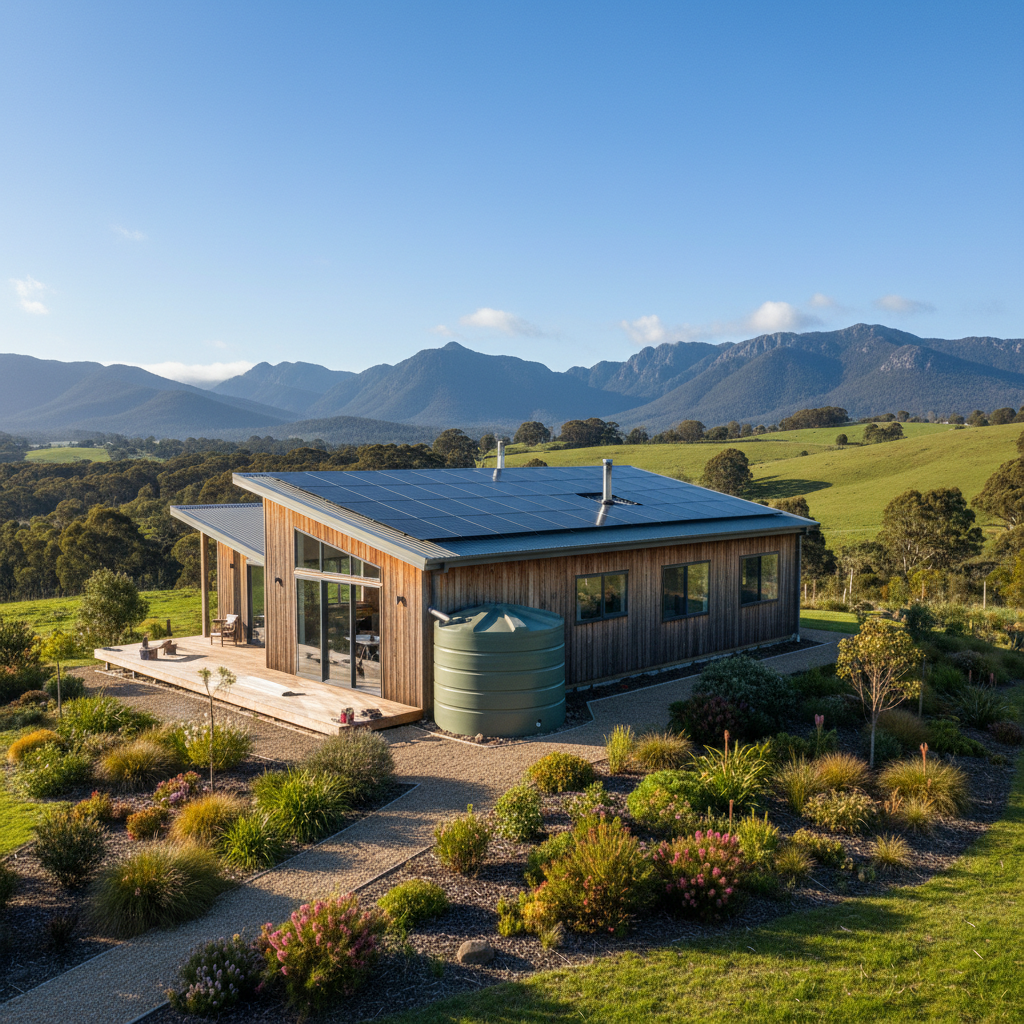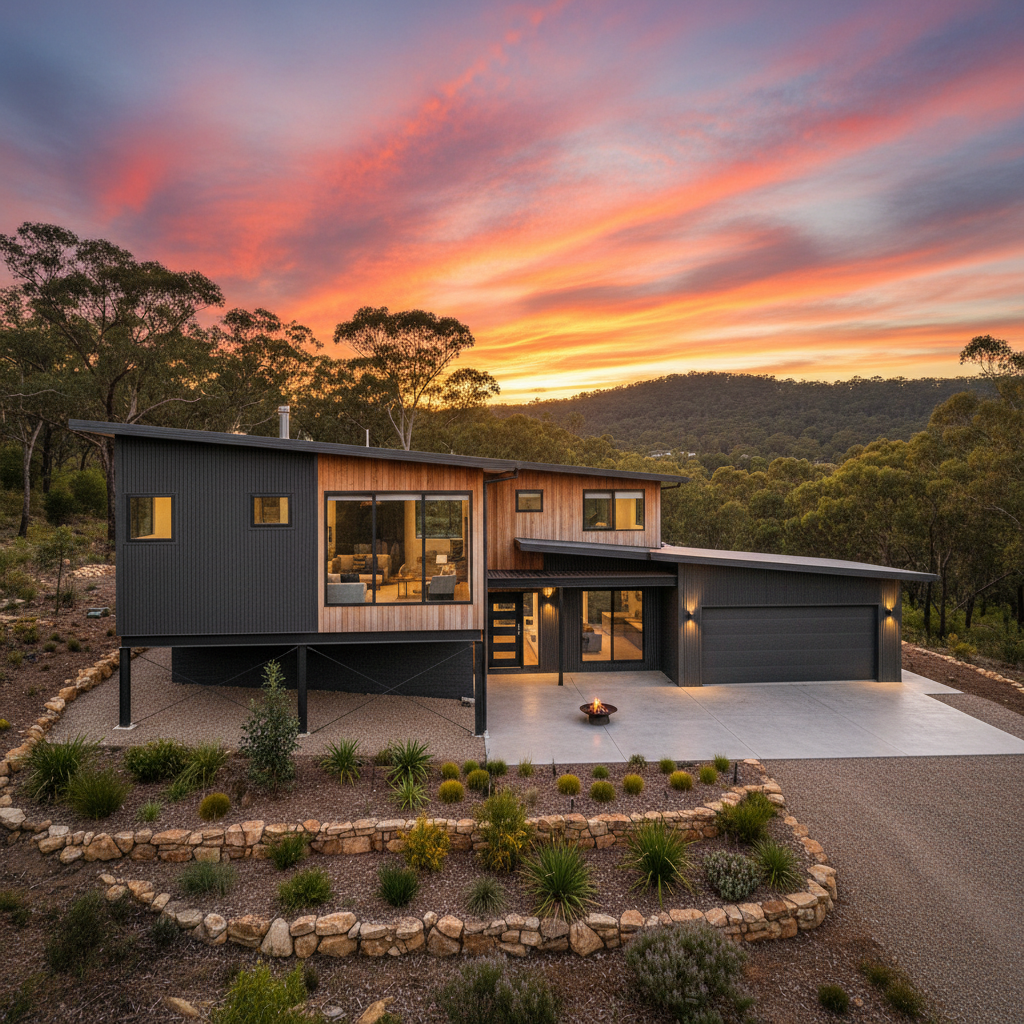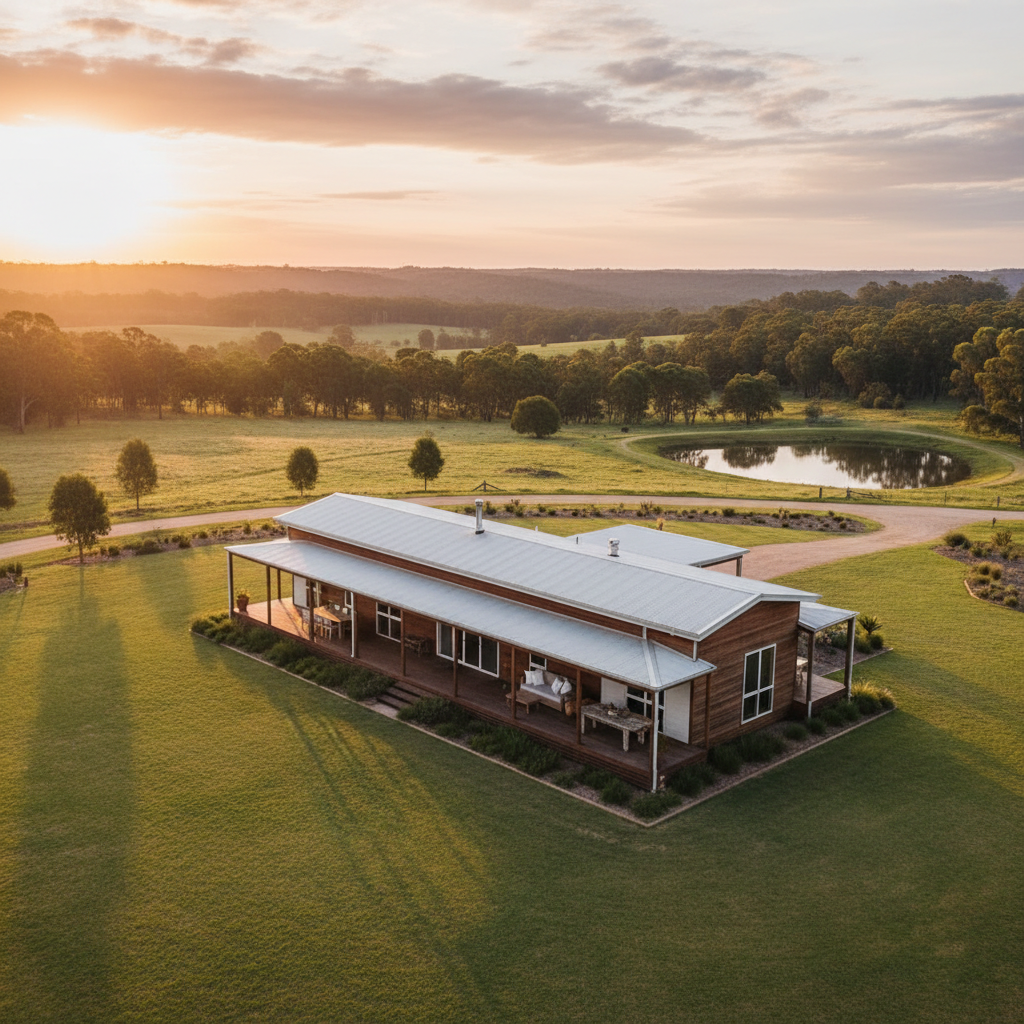
City life in Sydney or Melbourne used to be the default for anyone with a career. You suffered the M5 or the Monash Freeway because you had to. But that's finished. I've spent fifteen years watching how people build, and I can tell you right now, the biggest shift I've ever seen is happening in the sticks. People are ditching the terrace houses and the 400 square metre suburban blocks. Instead, they're heading out to places like the Mudgee hills, the Sunshine Coast hinterland, or even deep into the Wheatbelt with a set of floor plans and a massive appetite for a project. They aren't buying established places either. They want something fresh that actually fits a 2024 lifestyle where the 'guest room' is really a high-tech office with a view of a gum tree.
The Death of the Commute and the Rise of the Home Office
It used to be that a kit home was just a weekender. A place where you'd shove some old bunks and a bar fridge for the holidays. Things have changed. Because high-speed satellite internet actually works now, the 'rural retreat' is just where people happen to live and work full-time. When you're building a kit home today, the layout matters more than it did back in the 90s. We're seeing people modify standard three-bedroom designs, killing off the smallest bedroom to create a dedicated workspace. This isn't just about a desk in the corner of the lounge. It's about acoustic insulation in the internal walls so you don't hear the kids while you're on a Zoom call with London. People want proper separation. They want a big verandah where they can take a break and actually breathe.
And let's be real about the dirt. When you move out of town, you're dealing with different conditions. Soil isn't just soil. You might be on highly reactive clay or a rocky outcrop. That's why the slab choice is so vital. Most of these rural builds go down on a waffle pod slab or a traditional raft slab, but you've got to get your soil test (Site Classification) done first. Don't eyeball it. I’ve seen guys think they can guess because the neighbour's place looks fine, then six months later the doors won't shut. Not worth the risk. Get an engineer to give you the exact specs for your specific patch of dirt.
Selecting the Right Kit for the Bush
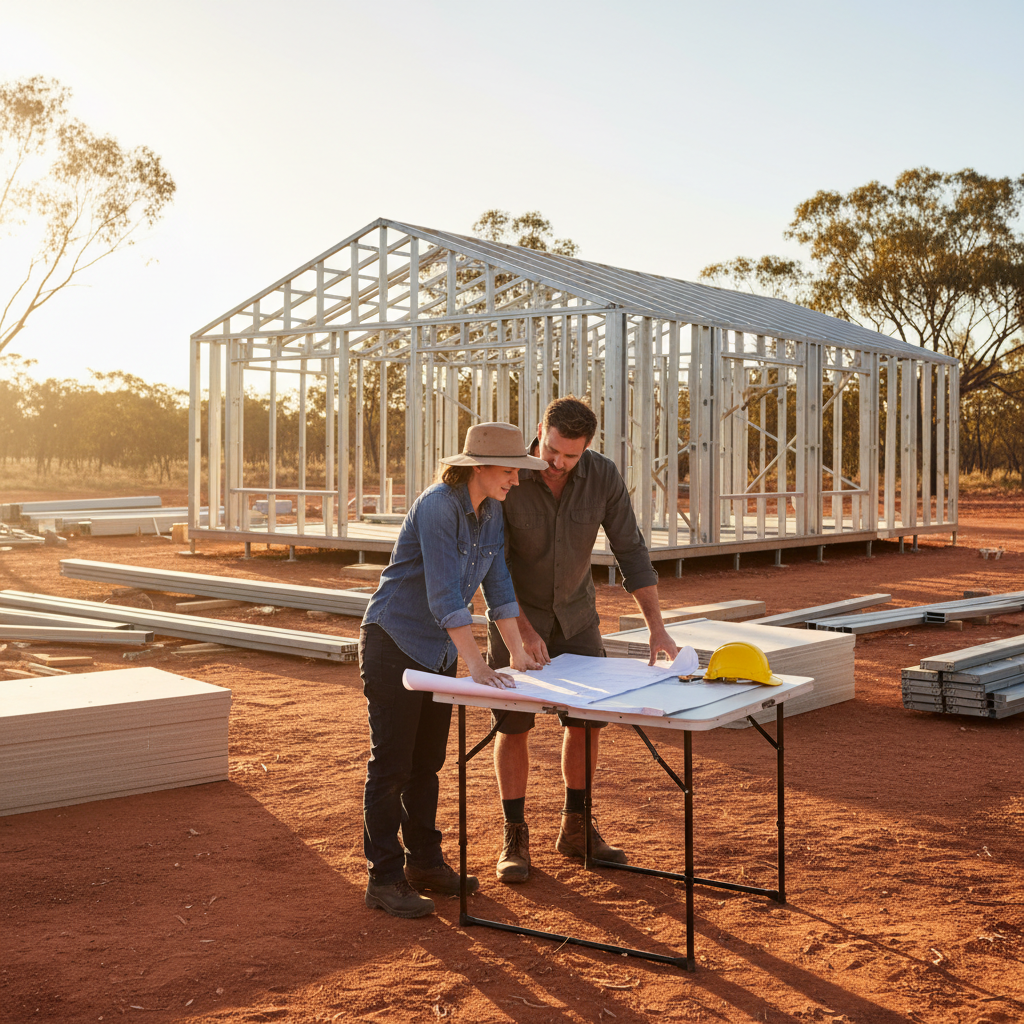
If you're building in regional Australia, you're usually looking at a bigger block. This gives you room to move, but it also means you've got to think about things like the Bushfire Attack Level (BAL) rating. This isn't just paperwork. It dictates what materials you can use. Steel frames are a no-brainer here. Using BlueScope TRUECORE steel for your frames and trusses gives you a massive advantage because it doesn't represent fuel for a fire. Plus, termites won't touch it. If you've ever had to deal with a termite-riddled timber frame in a rural area, you'll know it's a nightmare that never ends. Steel stays straight. It doesn't warp or twist as it dries out, which is handy when you're the one trying to hang your own internal doors on a Saturday afternoon.
Kit homes are a great shout for these remote locations because getting a traditional builder to travel two hours each way every day is ridiculously expensive. They'll charge you for the travel time, the fuel, and the inconvenience. When you go the kit route as an owner-builder, you're taking control of the logistics. The frame, the roof, the windows, and the cladding all turn up. You aren't constantly running to the hardware store for every single stud or noggin. It's all there, cut to size, ready to be bolted together. It makes the site management heaps easier.
Tips for the Owner-Builder Managing Rural Sites
Don't underestimate the weather out there. I've seen projects delayed for weeks because the access track turned into a boggy mess after one night of rain. If you're building on an unsealed road, get your heavy deliveries done in the dry months. Here are some quick wins for your build process:
- Get a secure shipping container on site before the first delivery. You need somewhere dry and lockable for your tools and smaller kit components.
- Sort out your water early. If you're not on mains, you need your tanks in and connected to the roof as soon as the plumbing is done. You'll need that water for the build itself, let alone living there.
- Talk to your local council about the DA (Development Application) early. Every council has their own quirks about where you can site a house relative to the boundary or certain trees.
- Organise your trades well in advance. Rural sparkies and chippies are busy. Don't call them on a Friday expecting them to be there Monday morning.
The kit comes with the main shells, but you're the project manager. You're the one hiring the plumber to run the stacks and the floor waste. You're the one talking to the slab guys. It sounds like a lot, but if you've got a decent head for organisation, it's actually pretty rewarding. Plus, you know every single screw that went into that house.
The Steel Frame Advantage in 2024
I mentioned termites before, but the structural integrity is really where it's at. In many rural areas, we get some pretty wild winds. Steel frames are engineered to handle these loads according to Australian Standards like AS 4100. Because the frames are light but incredibly strong, you can often get larger spans without needing those annoying internal load-bearing walls. This is perfect for the current trend of open-plan living where the kitchen flows straight into the dining and then out onto the deck. You want that big, airy feeling when you're looking out over your back paddock.
Also, steel is consistent. Unlike timber, which can have knots or varying quality throughout a single pack, every piece of steel is uniform. It's manufactured to strict tolerances. When you're out in the middle of nowhere, you don't want to be dealing with a shipment of bent timber. You want stuff that fits. You want to be able to follow the plans, click the frames into place, and get the roof on before the next storm rolls through. It’s about efficiency on site.
Design Choices for Modern Rural Living
We're seeing a move toward 'long-house' designs. Think of a classic Aussie homestead but with a modern twist. Darker cladding like Monument or Ironstone is popular right now, especially when contrasted with timber-look accents on the porch. It helps the house blend into the scrub. But remember, darker colours soak up more heat. If you're building in a hot part of NSW or Queensland, make sure you're going heavy on the insulation. Your kit should include decent roof and wall blankets/batts, but don't be afraid to upgrade them if you're in an extreme climate. It’ll save you a fortune on air-con down the line.
Windows are the other big one. In a rural setting, the view is usually why you bought the land. Go for the biggest openings you can afford. But check your orientation first. North-facing windows will grab that winter sun and keep the house warm for free. South-facing windows are great for consistent light without the heat gain. Simple stuff, but you'd be surprised how many people get it wrong and end up living in a fridge during July.
The Reality Check
Building your own place isn't all sunsets and celebratory beers on the deck. It's hard work. You'll be dealing with mud, paperwork, and probably a few arguments about where the power points should go. But for the people I talk to, it's worth it. They're done with the rat race. They're taking their jobs with them, setting up a home office that actually makes them happy to work, and they're doing it in a house they helped put together. That's a pretty good result in my book. Just make sure you do your homework on your site, get your trades lined up, and don't skimp on the prep work. The kit gets you halfway there, but the finish is all you.
The Australian dream isn't a four-bedder in a crowded estate anymore. It's a few hectares of land, a reliable steel-framed kit, and a work-from-home setup that doesn't involve a two-hour train ride. If you're ready to get your hands dirty, the options out there have never been better. Just make sure you've got a decent pair of boots and a lot of patience.