City life in Australia has hit a wall. We've all seen the gridlock on the M1 or the Monash, and quite frankly, the appeal of paying three million bucks for a terrace house with no parking has worn thin. Over the last three years, the shift hasn't just been about people working from home on a laptop. It's transformed into a total migration toward the scrub, the coast, and the hinterland. People are realizing they don't need to be within ten kilometers of a CBD to make a living. So they're buying two acres in places like Mudgee, Maleny, or the Huon Valley and looking for a way to build that doesn't involve waiting three years for a volume builder to show up.
The Great Decentralisation of the Australian Workforce
It used to be that if you lived in the sticks, you were either a farmer or retired. That's dead and buried. Now, the person moving onto the block next door is a software dev or a graphic designer. High-speed internet changed the game, but the house building industry is still catching up. Because traditional builders are smashed with work in the suburbs, getting a crew to head out to a rural site is a nightmare. This is where kit homes in Australia have found their sweet spot. They offer a predictable system for people who have the dirt but can't find a builder willing to travel two hours each way every day.
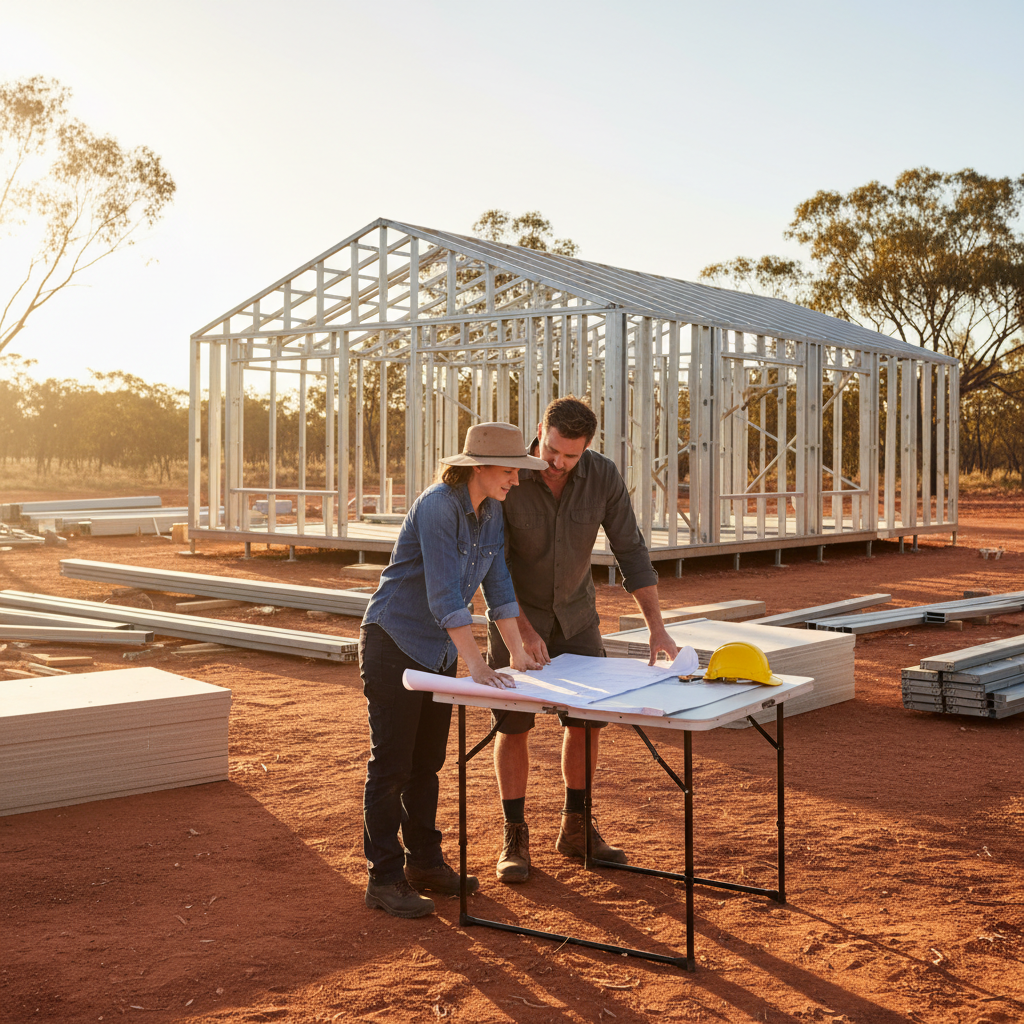
I spoke to a bloke in the Hunter Valley recently. He bought a beautiful sloping block but every local builder he called gave him a 'go away' quote that was double his budget. He ended up going with a steel frame kit because he could get the frames, the roof, and the cladding delivered on a single semi-trailer. He did the owner-builder course, got his permit, and managed the trades himself. It's a different way of thinking about a home. It's not a product you buy off a shelf, it's a project you manage. And for the new wave of rural residents, that control is exactly what they're after.
Why Steel Frames Make Sense in the Bush
If you're building in rural Australia, you're fighting two main enemies: termites and fire. Timber frames are fine for some, but in a heavy termite zone or a high Bushfire Attack Level (BAL) area, they're a headache. We use BlueScope TRUECORE steel because it's straight, it's light, and termites won't touch it. Simple. Plus, when you're building on a remote site, you don't want a frame that's going to warp or twist if it gets rained on before the roof goes over. Steel stays true. It makes things easier for the plasterers later on because the walls are actually plumb.
Dealing with BAL Ratings
When you head into the trees, you've got to respect the Australian Standards, specifically AS 3959. Your council is going to hit you with a BAL rating. If you're in a BAL-29 or BAL-40 zone, your kit home needs to reflect that. This means specific types of windows, metal flyscreens, and no gaps bigger than 3mm anywhere. Steel frames and metal cladding like COLORBOND steel are huge advantages here. They give you a head start on meeting those safety requirements without adds heaps of extra cost compared to traditional brick and tile.
Tips for the Savvy Owner-Builder
Don't jump into this thinking you'll be on the tools every single day if you've never held a hammer. Being an owner-builder is mostly about logistics and people management. You're the CEO of your house. Here’s a bit of advice from the trenches:
- Organize your site access early: A semi-trailer carrying your steel frames is heavy. If your driveway is a boggy mess or has low-hanging branches, that driver will drop your kit at the gate and leave. Get some road base down before the delivery day.
- The Slab is King: If your concrete slab is out by 20mm, your steel frames won't fit right. Hire a good concretor who understands that 'near enough' isn't good enough for a kit home.
- Communication with Trades: Plumbers and sparkies sometimes get nervous around kit homes because they think it's something weird. Show them the plans. Explain that it's a standard steel frame system. They'll appreciate knowing what they're walking into.
- Storage: Have a plan for where you're putting the windows and doors. They usually arrive after the frames. Don't leave them sitting in the mud.
The Design Shift: Sheds vs. Homes
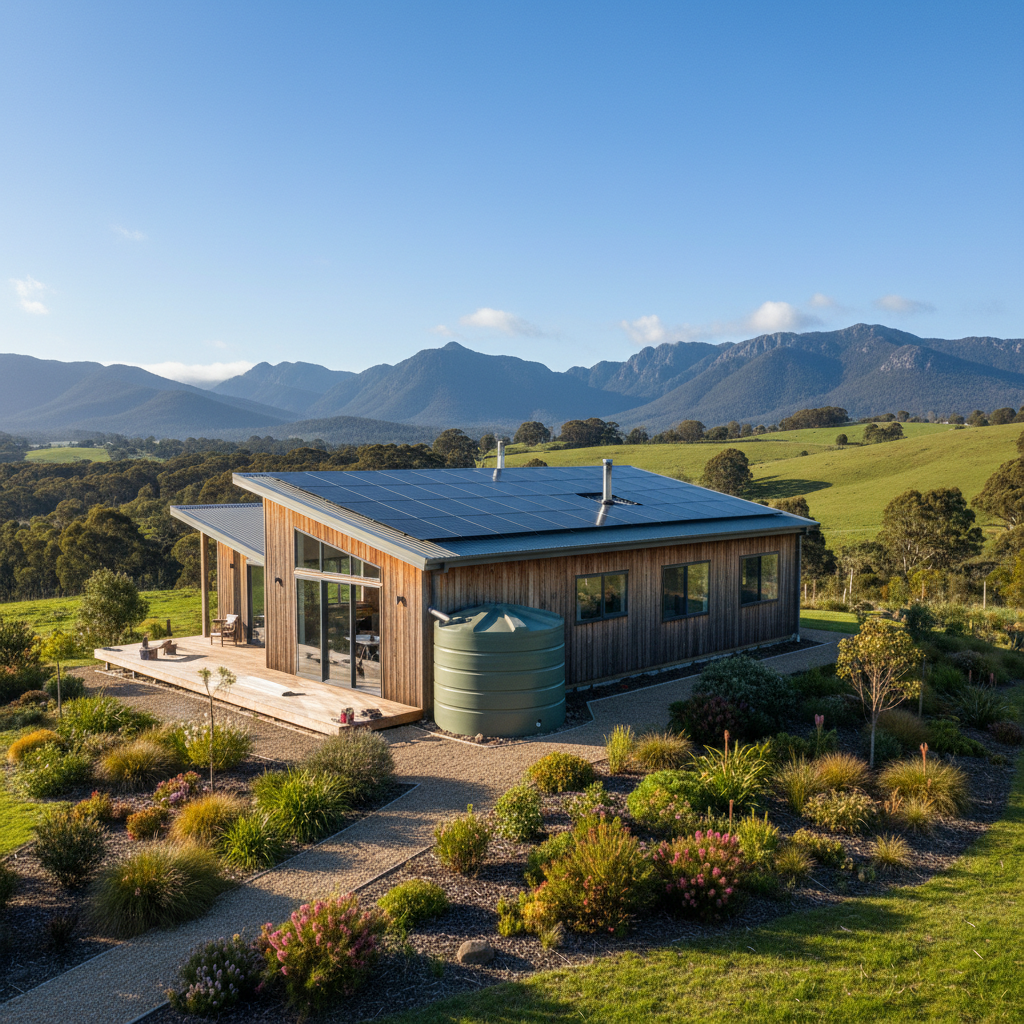
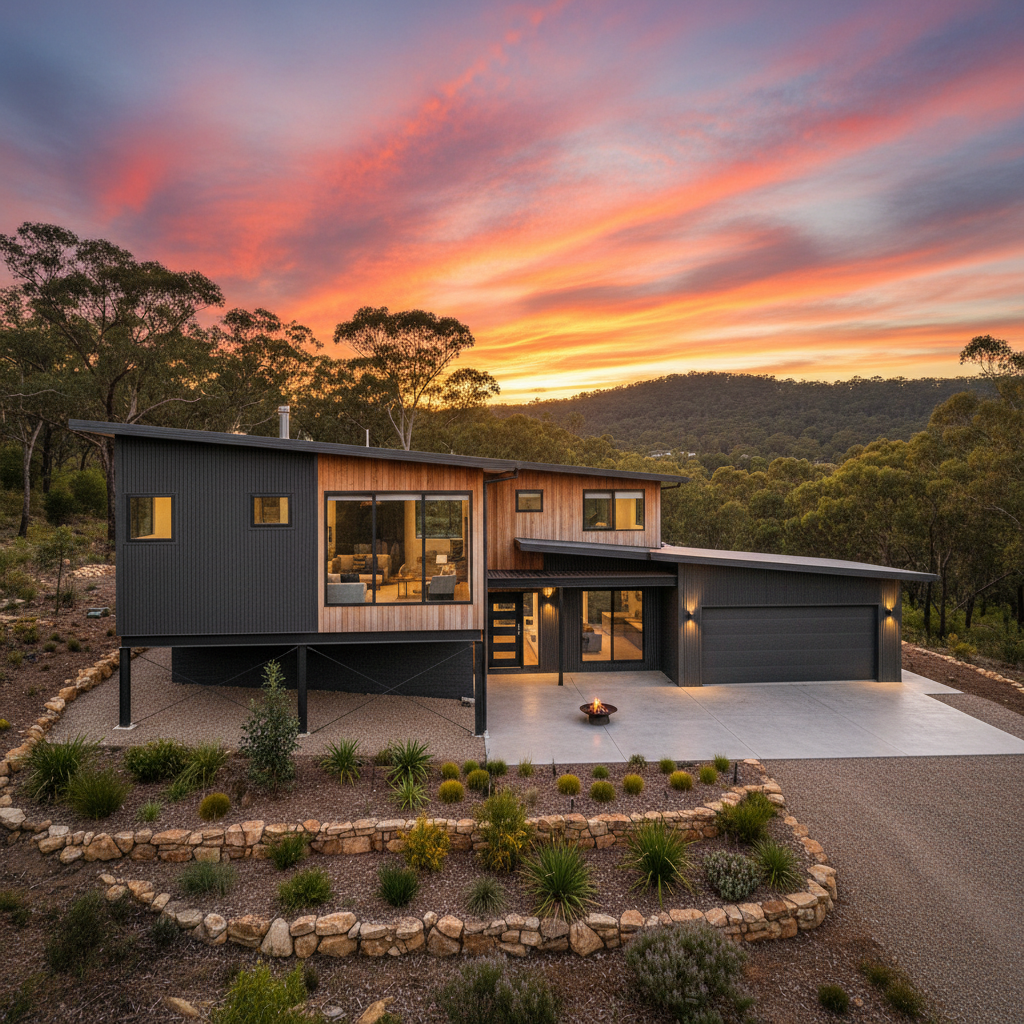
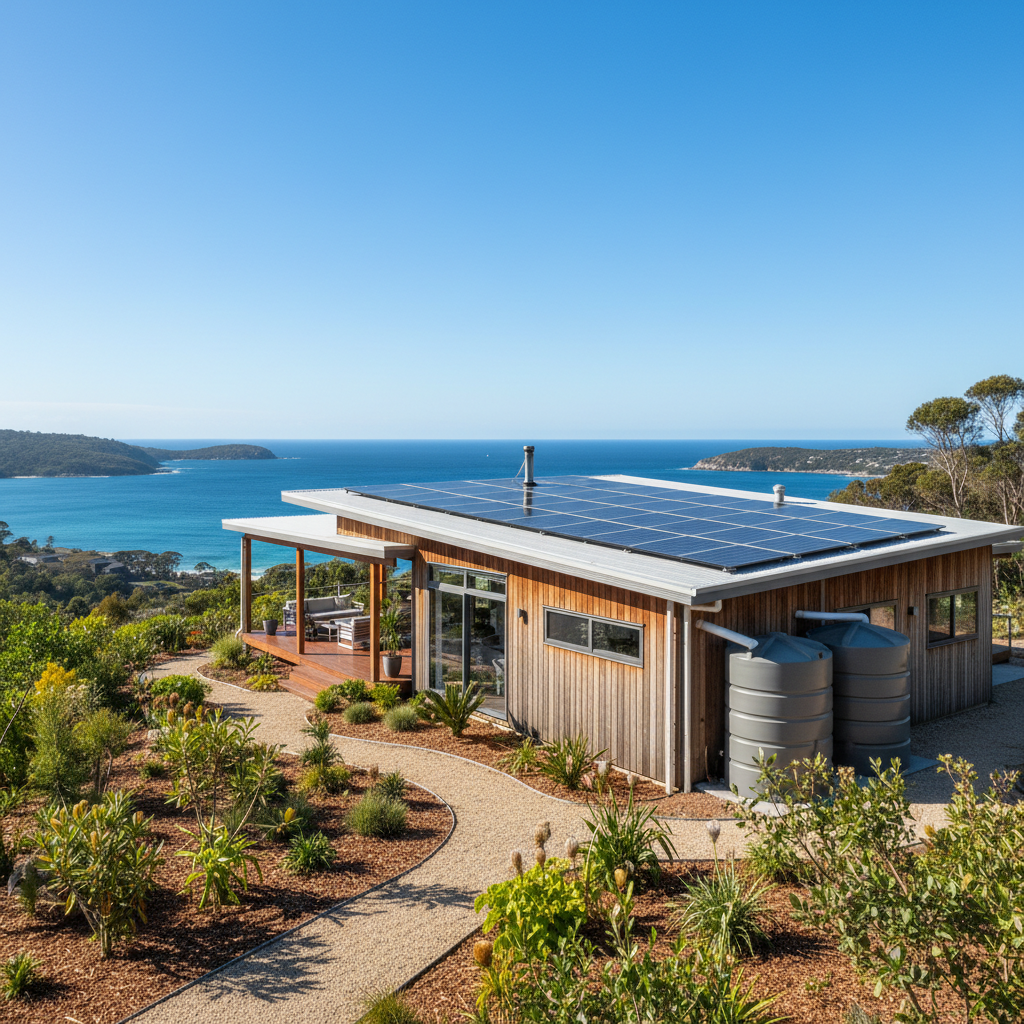
There's a massive trend right now toward the 'modern farmhouse' look. Think long, lean buildings with big verandahs and dark cladding. It's a look that fits the Australian landscape perfectly. Because kit homes are often based on clear-span designs, you can have these massive open-plan living areas without needing internal load-bearing walls everywhere. It gives you the freedom to move the kitchen or add a walk-in pantry without messing with the structural integrity of the house. We're also seeing a lot of people adding off-grid setups. Solar arrays, battery storage, and massive rainwater tanks are becoming the standard, not the exception.
But it's not all sunshine and rainbows. You've got to be realistic about the timeline. Getting a DA through council in some rural areas is like pulling teeth. They're understaffed and overwhelmed. My advice? Hire a local private certifier if you can. They know the local quirks and can usually navigate the paperwork faster than you can on your own. It's worth the extra couple of grand just to keep the project moving.
Why Choice Matters
The best thing about the kit home approach is that it's not a 'one size fits all' deal. You get the engineered shell - the frames, the trusses, the roofing, the insulation, and the external skins. But after that, the fit-out is whatever you want it to be. If you want to spend more on a high-end Italian stove but save money by installing the flooring yourself, go for it. You aren't locked into a builder's specific range of tiles or taps. This flexibility is why the owner-builder route is exploding in popularity across regional NSW, Queensland, and Victoria. It's about building a house that actually fits the way you live, rather than fitting your life into a cookie-cutter layout from a display village.
One client down in the Gippsland region told me that building their kit home was the hardest and most rewarding thing they've ever done. They spent their weekends for six months painting skirts and architraves and installing the kitchen cabinets. It saved them a bucket of money, but more importantly, they know every single screw and bolt in that house. There's a level of pride there that you just don't get when you're handed the keys to a finished product. Plus, they got to move in with zero debt on the structure itself because they paid for the kit upfront. That's a huge win in the current climate.
At the end of the day, the move to rural Australia is about finding a bit of peace. Life’s too short to be stuck in traffic. If you've got the drive to manage your own project and a bit of land to put it on, a steel-framed kit is a bloody solid way to get there. Just make sure you do your homework, talk to your council early, and get a good spirit level. You're going to need it.