Measuring Up: The Art of Choosing Your Kit Home Size
So, you have decided to take the plunge into the world of owner building. You are eyeing off a beautiful piece of Australian dirt, or perhaps you are looking to add a secondary dwelling to your existing property. Before you start picking out paint swatches and kitchen tiles, there is a fundamental question you need to answer: How much house do you actually need?
Choosing the right kit home size is one of the most significant decisions you will make in your building journey. It is a delicate balancing act between your current lifestyle, your future plans, and the physical constraints of your land. In Australia, where we love our outdoor living as much as our indoor comfort, getting this scale right is the difference between a home that feels cramped and one that feels like a sanctuary.
In this guide, we will walk through the essential considerations for kit home sizing, from site setbacks and BAL ratings to the practicalities of steel frame layouts. Let us help you find that 'Goldilocks' zone where your home is just right.
1. Assessing Your Site Constraints
In Australia, your land usually dictates what you can build before you even look at a floor plan. Every local council has specific regulations regarding site coverage, which refers to the percentage of your land that can be covered by buildings. Even if you have a massive bush block, you might be limited by 'building envelopes' or environmental protection zones.
Understanding Setbacks and Easements
Before falling in love with a wide, sprawling ranch-style kit home, check your property title for easements. An easement is a portion of land that others have a right to use for specific purposes, such as sewerage pipes or electricity access. You generally cannot build over these. Additionally, 'setbacks' are the required distances between your home and the property boundaries. These vary significantly between urban suburban blocks and rural acreage.
Topography and Site Works
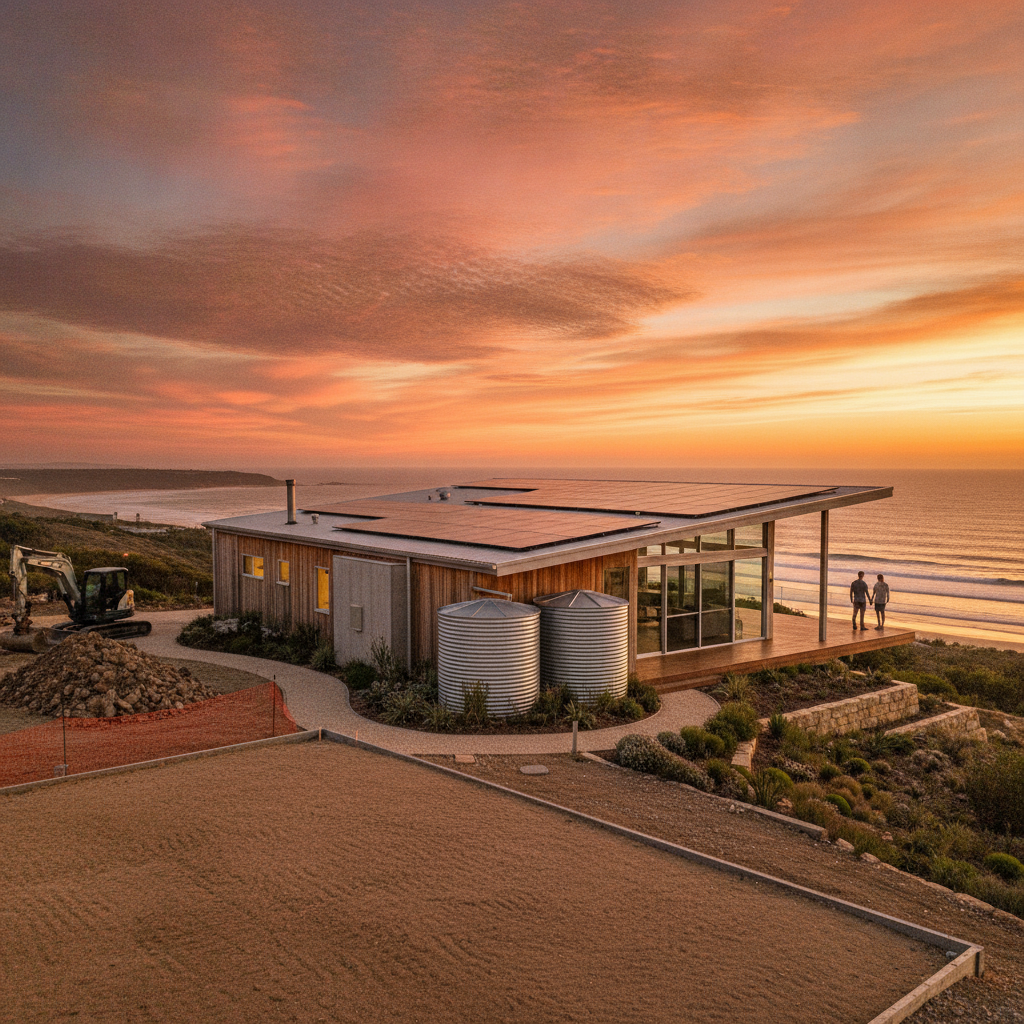
The slope of your land plays a huge role in sizing. A larger footprint on a steeply sloping site means more extensive site works, more retaining walls, and a more complex subfloor. Many Australian owner builders find that on sloped land, building up (two-storey) rather than out can be a more efficient way to get the floor space they need without excessive earthmoving.
2. Designing for Your Australian Lifestyle
How do you actually use your home? This is where many people get stuck. We often think we need massive guest rooms that sit empty 50 weeks of the year, or a formal dining room that only sees a roast turkey once a year. When choosing a kit home size, think about your daily flow.
The Rise of Multi-Purpose Spaces
Modern Australian living is moving away from many small, dedicated rooms toward fewer, larger, and more flexible spaces. Instead of a dedicated 3.5m x 3.5m bedroom for a home office, consider if a clever nook or a multi-purpose guest room/study might serve you better. This allows you to keep the overall footprint smaller and more manageable, while still having the functionality you require.
The Outdoor Room Connection
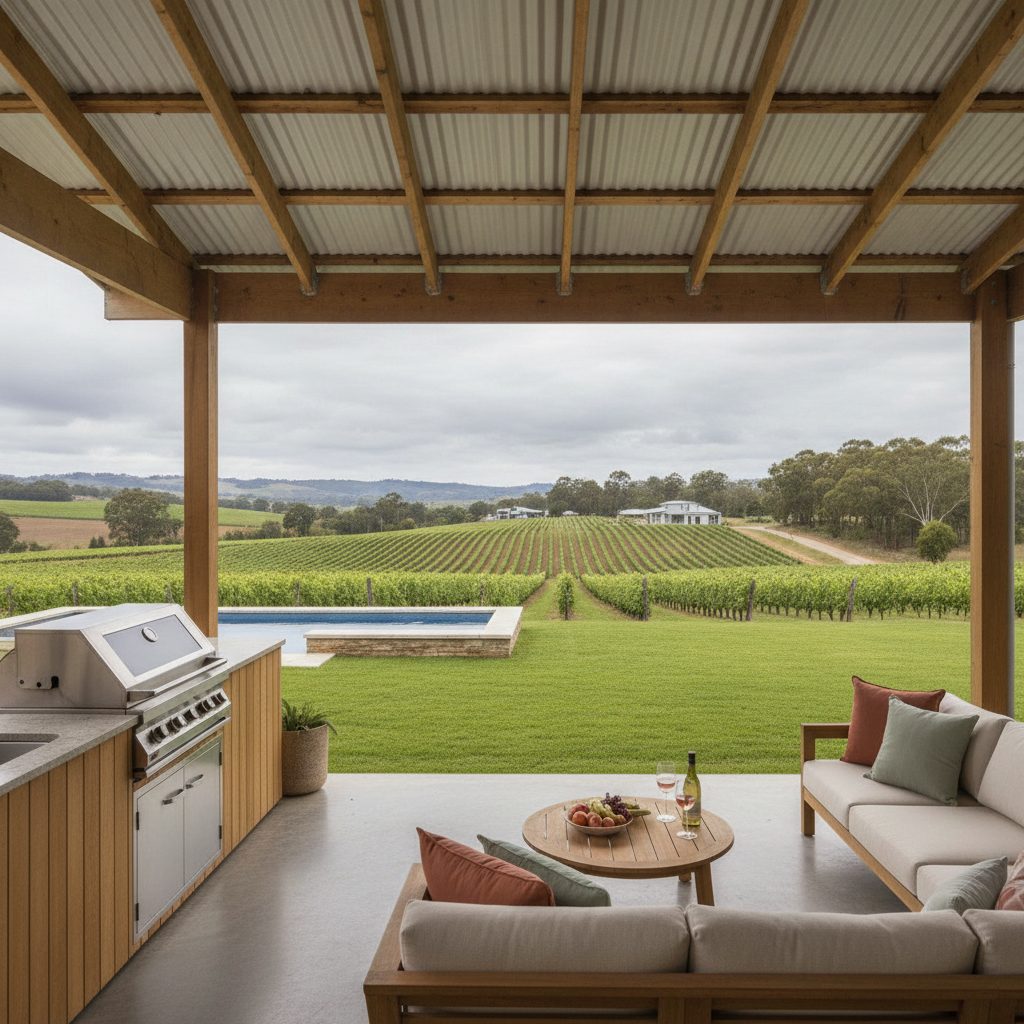
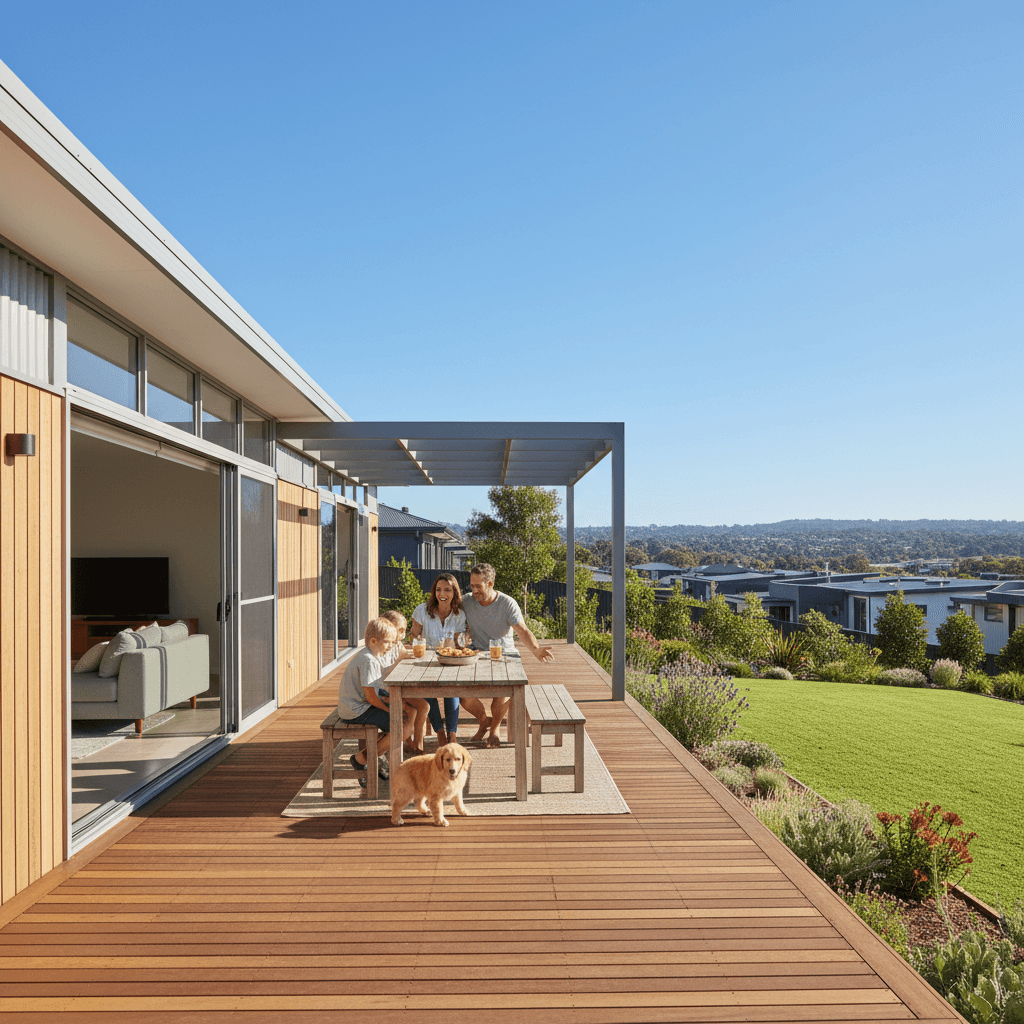
In Australia, our 'living room' often extends onto a deck or veranda. When planning your kit home size, consider how the indoor areas transition to the outdoors. If you plan on building a large 50 square metre deck, you might find you can afford to shave some space off the internal lounge room. A well-designed kit home using BlueScope steel frames allows for large open-plan areas and wide door openings that blur the lines between inside and out, making a smaller house feel much larger.
3. Future-Proofing Your Build
While it is important to build for who you are today, you must also consider who you will be in ten years. Are you a young couple planning a family? Or are you 'empty nesters' looking to downsize to a low-maintenance home that is easy to navigate as you age?
The Secondary Dwelling Strategy
If you are on a large block, you might consider starting with a smaller kit home, such as a one or two-bedroom cottage. This allows you to get onto the property sooner and manage the project as an owner builder more easily. Later, as your needs grow, you can look at building a larger primary residence and keeping the original kit home as a guest house, studio, or 'granny flat'.
Thinking About Resale
Even if you plan to stay forever, life happens. In most Australian markets, a three-bedroom, two-bathroom home is the 'sweet spot' for resale. If you choose a tiny one-bedroom kit home for a large suburban block, you might find it harder to sell later. Always try to match the scale of the house to the expectations of the neighborhood while staying true to your personal needs.
4. Technical Considerations for Owner Builders
The size of your home directly impacts the complexity of your role as an owner builder. A larger home means more materials to manage, more trades to coordinate, and a longer timeline for fit-out.
The Benefits of Steel Frames
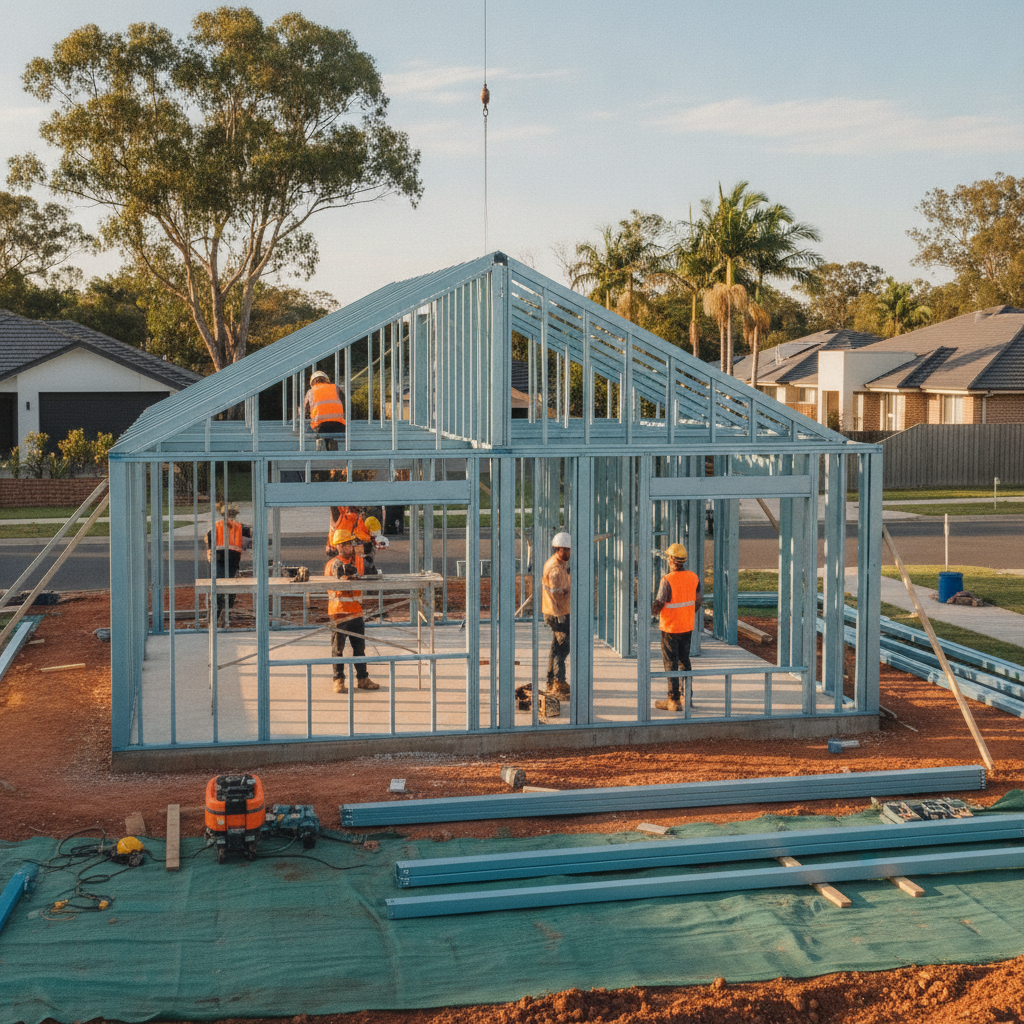
Choosing a kit home with TRUECORE steel frames offers a distinct advantage when it comes to sizing and precision. Steel has a high strength-to-weight ratio, which allows for longer spans without the need for internal load-bearing walls. This means you can achieve an open-plan 'big house feel' even in a smaller footprint. Furthermore, steel frames are dimensionally stable, they won't warp or twist over time, which is vital when you are managing the subsequent stages of the build like plastering and cabinetry.
Managing Delivery and Storage
Remember that a larger kit home means more delivery trucks and more storage space required on-site. You will need a flat, clear area to store your frames, trusses, roofing, and cladding before they are installed. If you have a tight urban site, a smaller kit might be a necessity simply due to the logistics of getting materials onto the block.
5. Practical Tips for Selecting Your Floor Plan
Before you sign off on your kit home design, try these practical steps to visualize the size:
- The Peg Out Test: Go to your site with a tape measure and some stakes. Peg out the corners of your chosen floor plan. Walk through the 'rooms'. Is there enough space to walk around the bed? Is the kitchen work triangle functional?
- Compare Your Current Space: Measure the rooms in your current house. If your current bedroom is 12 square metres and feels tight, don't choose a kit home with 10 square metre bedrooms.
- Consider Ceiling Height: If you are building a smaller footprint, increasing the ceiling height can make the space feel much more voluminous and airy. Many kit homes allow for higher ceilings or raked designs that dramatically change the feel of the interior.
- Prioritize Storage: Smaller homes can feel cluttered quickly. Ensure your chosen size includes adequate built-in storage, or plan for a shed or garage to take the pressure off the main living areas.
Conclusion
Choosing the right kit home size is an exercise in honesty. It requires you to be honest about your site, your lifestyle, and your capacity as an owner builder. While it is tempting to go as large as your land allows, there is a profound joy in a well-designed, appropriately sized home that fits your life like a glove. By focusing on smart design, the strength and flexibility of steel framing, and a clear understanding of your site's limits, you can create a home that is sustainable, comfortable, and uniquely yours. Take your time, walk the land, and choose the size that lets you live your best Australian life.