The Backyard Revolution is Honestly Just Getting Started
Walk down any suburban street in places like Penrith, Logan, or the edges of Geelong and you'll hear it. The sound of a circular saw or an impact driver ringing out from behind a side gate. It isn't just a weekend shed project anymore. Australians are flat out obsessed with building secondary dwellings. We've moved past the era where a granny flat was just a dark, fibro box tucked behind a hills hoist for a relative to live in. Now, it's about extra space for the kids who can't afford the Sydney rental market, or maybe a dedicated home office that isn't just a laptop balanced on the kitchen bench next to the toaster.
But building one of these things yourself is a different beast than just hiring a contractor and walking away. It takes grit. You've got to deal with your local council, suss out your site's contours, and decide if you're actually capable of managing a bunch of tradies without losing your mind. We're seeing more people opt for kit homes because they want control. They want to know exactly what's going into the walls. Using a kit with BlueScope TRUECORE steel means you aren't worrying about termites eating your investment before the kids even move in. It stays straight and true, which is a godsend when you're trying to hang internal doors on a Saturday afternoon and realize your slab wasn't quite as level as the concrete guy promised.
Understanding the Secondary Dwelling Shift
Lifestyle trends in Australia have hit a bit of a wall. The massive four-bedroom house on a quarter-acre block is becoming a relic for many. Instead, we're seeing a push toward making the most of the land we already own. A secondary dwelling is basically a self-contained home on the same lot as the main house. Some states call them DAs, others call them ancillary dwellings. Regardless of the name, they usually cap out around 60 to 90 square meters depending on your local LEP (Local Environmental Plan). That's plenty of room for a decent two-bedroom layout if you aren't wasting space on hallways.
Why now? Because Australians want flexibility. One year it's an art studio, the next it's a place for a teenager to have some privacy. But you can't just slap a shed up and call it a flat. If it's got a kitchen and a bathroom, it needs to meet the National Construction Code (NCC) Volume 2 standards. This means proper insulation, specific ceiling heights, and meeting BAL (Bushfire Attack Level) requirements if you're near the scrub. If you're building in a place like the Blue Mountains or the Adelaide Hills, those BAL ratings will dictate what kind of windows and cladding you can use. You'll likely need toughened glass and non-combustible materials, which is where steel frames and metal cladding really shine.
Owner Builder Tips: Getting Your Hands Dirty
Being an owner-builder isn't just about wearing a high-vis vest and looking busy. It's about paperwork. Lots of it. Before you even think about ordering a kit, you need to check your Title. Look for easements. There is nothing worse than planning your dream 60sqm cottage only to find out there's a main sewer line running right through your proposed lounge room. Digging that up is a nightmare you don't want.
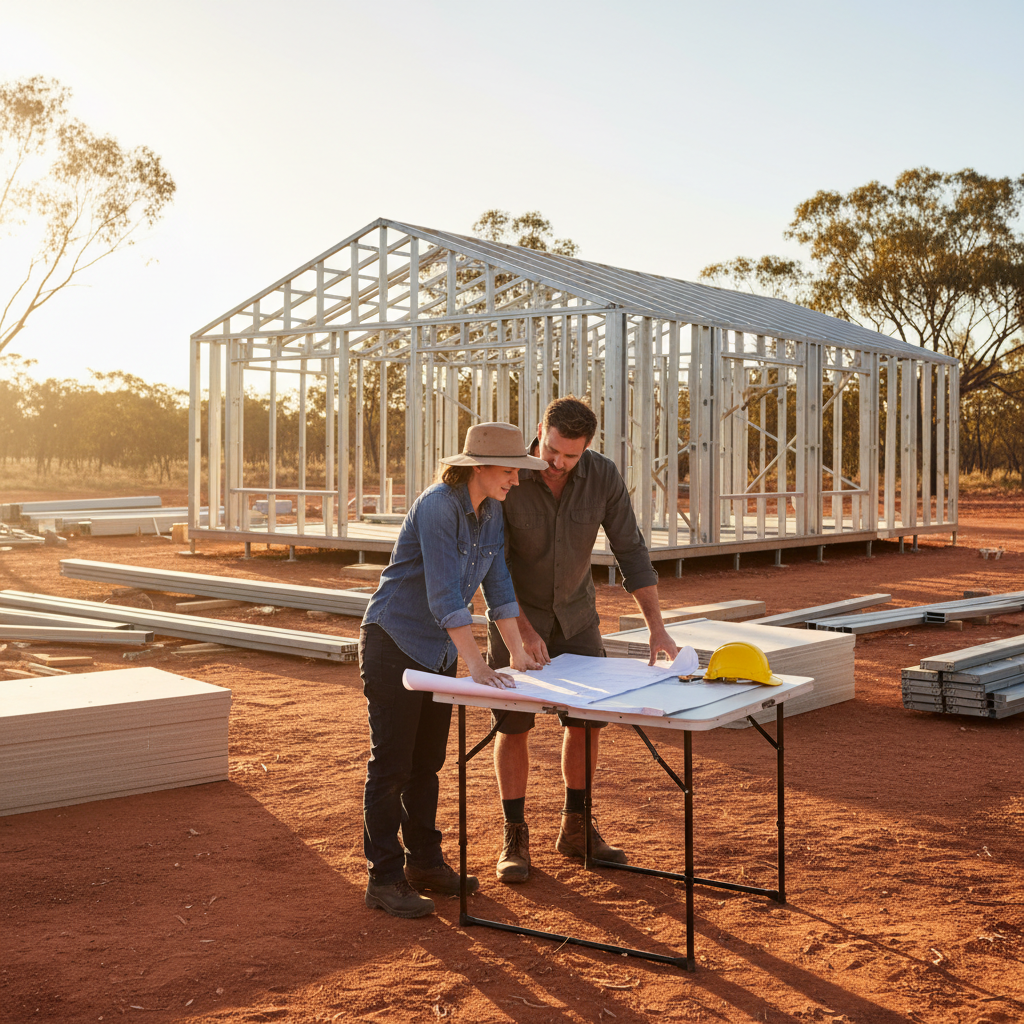
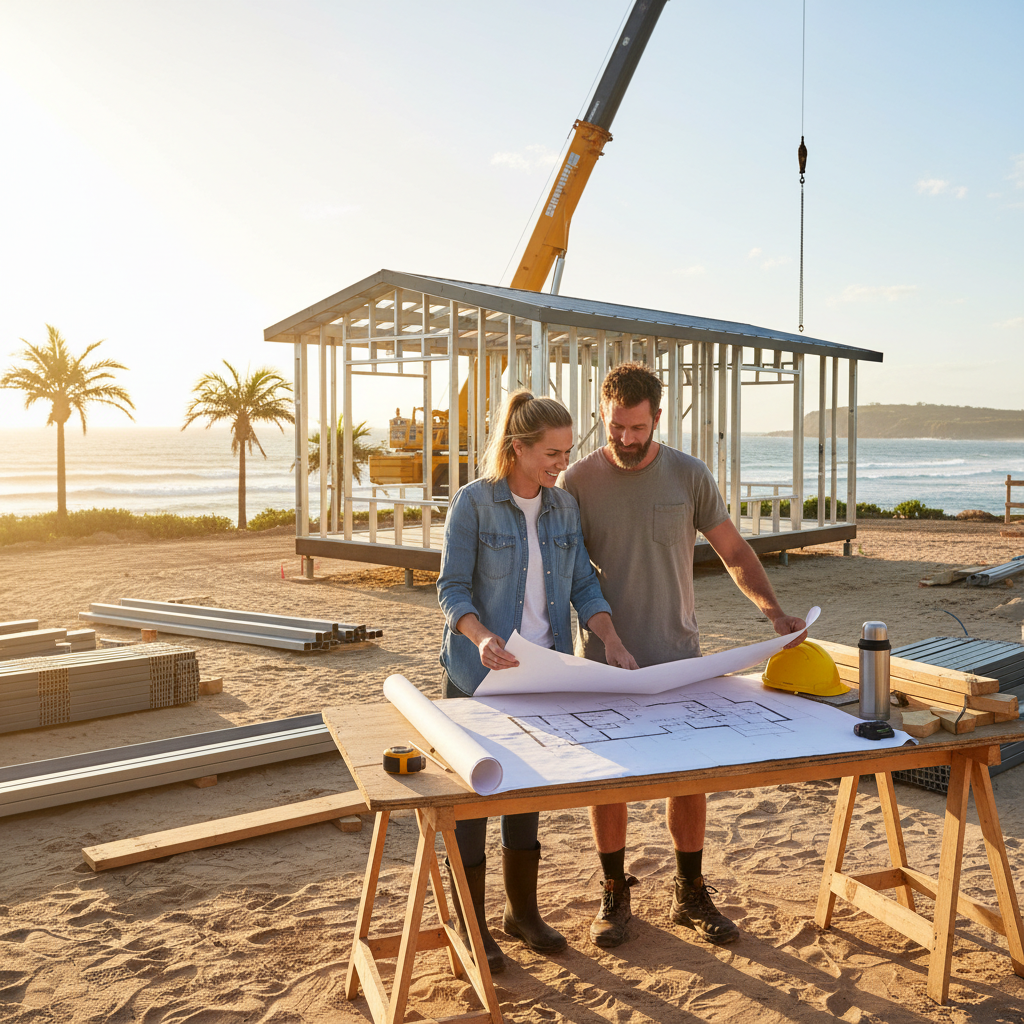
Once you've cleared the legal hurdles, you've got to manage the site. Kit homes arrive as a big delivery of steel frames, roofing, and components. You've got to have a spot to put them. Don't just let the truck driver dump them on the nature strip. Have a plan. Sort your frames. Label them. Even better, get your plumber and electrician in early to talk about 'rough-in'. If you're building on a slab, those pipes need to be in the exact right spot before the concrete pour. If you're out by 100mm, you'll be chipping away at cured concrete with a jackhammer on a Tuesday morning while the sun beats down on your neck. It’s not fun. Trust me.
The Steel Advantage in the Backyard
I reckon steel is the only way to go for backyard builds. Why? Weight and precision. A steel frame is lighter than timber, which makes a huge difference if you're carrying components down a narrow side-access path next to your neighbor's fence. You aren't straining your back as much. Plus, they're pre-punched with holes for your electrical and plumbing. It saves you hours of drilling. And let's be real, the Aussie climate is brutal. We've got humidity that warps wood and termites that see a timber frame as a five-course meal. Steel doesn't warp, twist, or rot. It stays square. When you go to put your plasterboard up, the walls are actually flat. It makes the finish look like a pro did it, even if it’s your first time picking up a screw gun.
Design Trends: Small Space, Big Feel
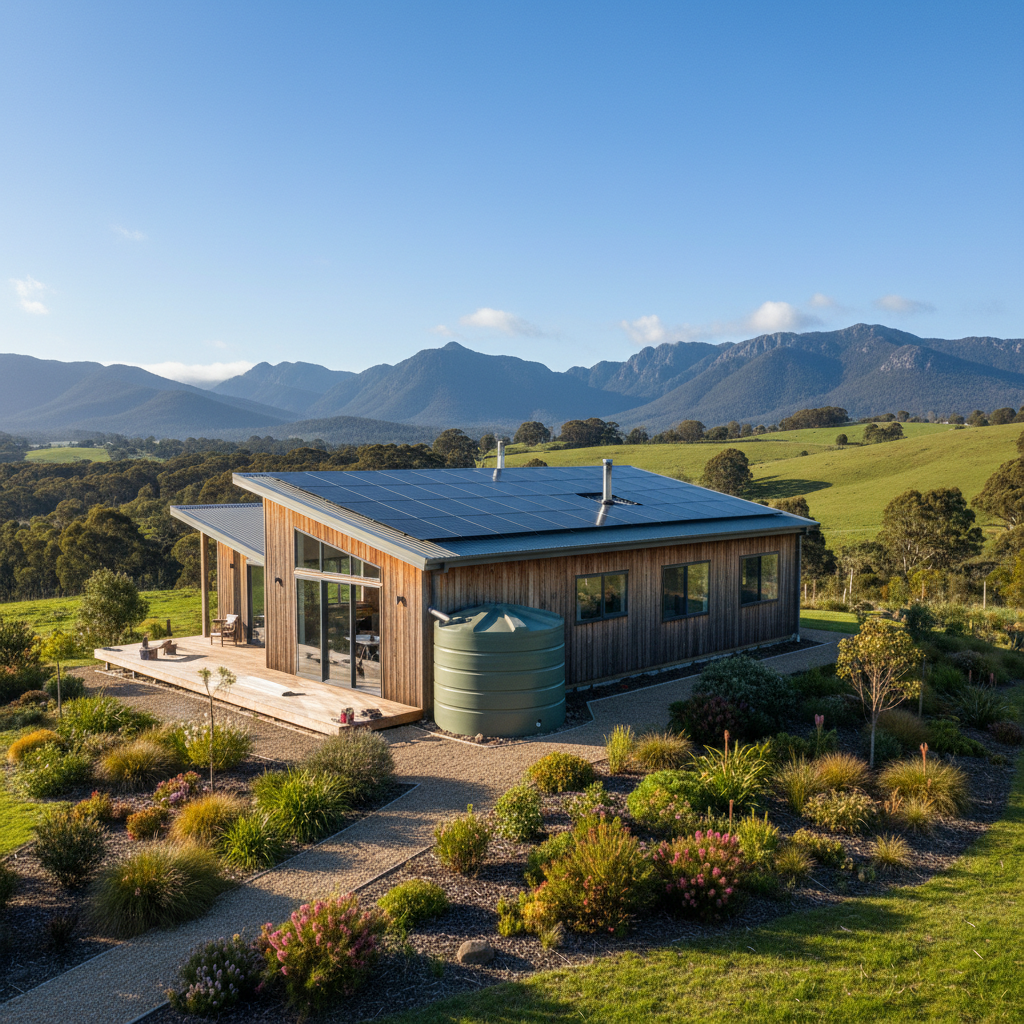
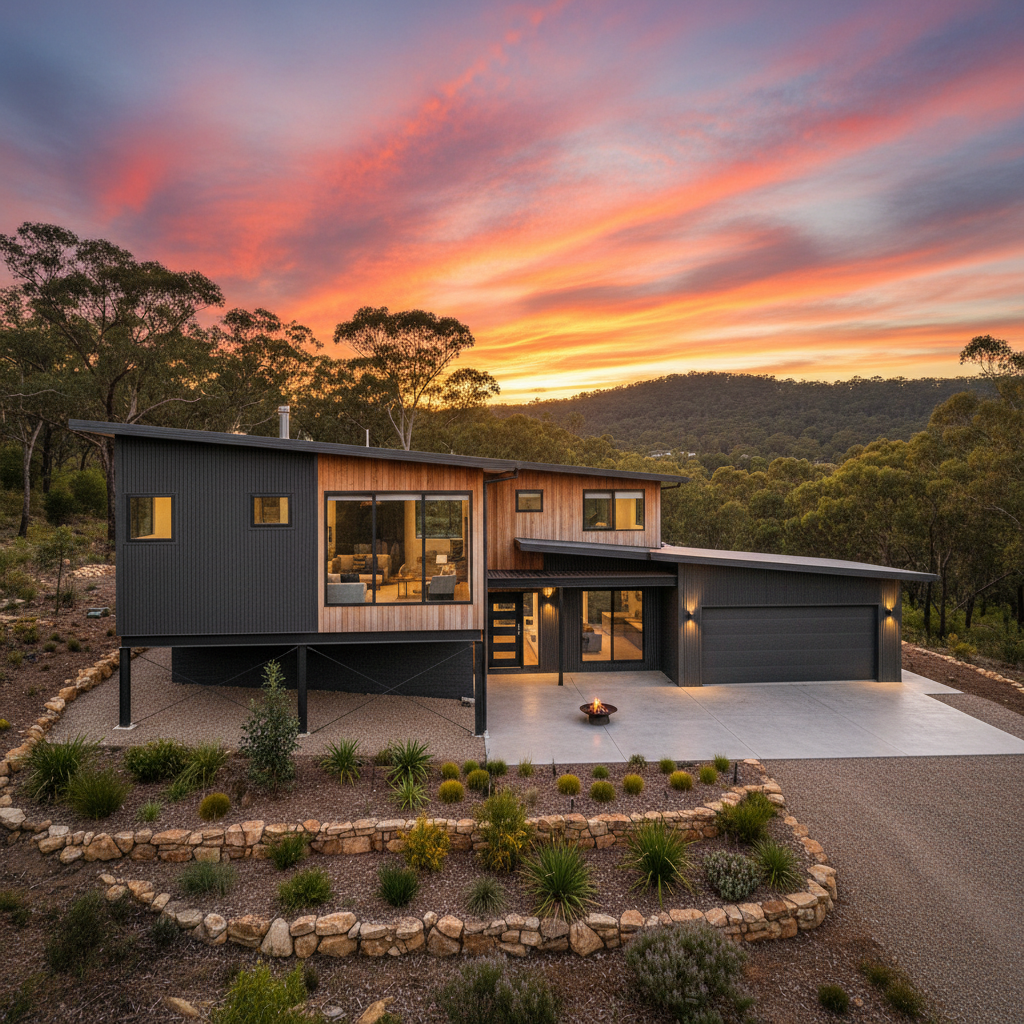
If you're looking at floor plans, stop thinking about how many rooms you can cram in. Think about light. High ceilings and well-placed windows make a 60sqm kit feel like double that size. We're seeing a lot of people move toward raked ceilings where the roofline follows the pitch of the frames. It creates a sense of volume that stops the place feeling like a shoebox. Also, consider your deck. In Australia, the deck is basically another room. Overhanging eaves help with the sun in summer but let the light in during winter, especially if you're smart about your North-facing windows.
Practicality matters too. Forget the massive laundry room. Put a European laundry in a cupboard in the hallway. Put that extra space into the kitchen or the shower. People building these kits often choose open-plan living and dining areas because it lets the air flow. If you're in the tropics up north, cross-ventilation is your best friend. Position your windows to catch the afternoon breeze. It'll save you a fortune on aircon bills later on.
Sourcing and Managing Tradies
Even as an owner-builder, you're going to need licensed pros for the wet stuff and the sparks. Finding a good sparky or plumber who is happy to work on a kit home can take a bit of footwork. Talk to them early. Show them the plans. Most tradies love working with steel frames because the holes are already there for them. They can get in and out faster. But don’t just hire the first bloke who gives you a quote on a scrap of paper. Ask for their license number. Check it on the service NSW or relevant state site. It takes two minutes and saves you a massive headache if something goes wrong with the drainage later on.
So, you've got your kit, you've got your slab, and your frames are standing. Now comes the cladding and the 'dry-in' phase. This is when the project really starts to look like a house. It's a proud moment. You'll probably stand there with a cold drink at 5pm on a Sunday, looking at the roof iron you just finished laying, feeling like you could take on the world. That's the beauty of the DIY kit home path. It’s hard work, but it’s yours.
The Wrap Up
The trend toward secondary dwellings isn't slowing down anytime soon. As long as land stays expensive and we keep wanting to live close to our families, the backyard kit home is the smartest play on the board. Just remember to do your homework on the council front, stay organized with your deliveries, and don't be afraid to ask for help when the heavy lifting starts. Building a home, even a small one, is a marathon. Pace yourself. Get the frames right, keep the moisture out, and the rest will fall into place. See you on the job site.