I was standing in a muddy trench in Gippsland on a Tuesday morning back in 2012 when I realized most owner-builders have no clue what is actually happening during a council inspection. The rain was spitting, the excavator operator was checking his watch, and the private certifier was stabbing his screwdriver into the clay looking for solid bearing. That certifier didn't care about the owner's vision or the custom kitchen splashback they'd already picked out from a showroom in Hawthorn. He only cared about the depth of the bored piers and whether the steel reinforcement had the right coverage. That's the reality of building your own kit home in Australia. It isn't just about screwing frames together, it's about proving to a bloke with a clipboard that your house won't fall down or rot away in ten years.
The First Hurdle: Footings and Slab
Before you even think about cracking open the bags of screws for your steel frames, you've got to pass the footing inspection. This is the big one. If the slab is wrong, nothing else matters. You'll be out there with the formwork done, looking at a sea of plastic and mesh. The inspector is looking for 'chairs' - those little plastic spacers that hold the mesh up. If your mesh is sitting on the ground, the concrete won't wrap around it properly, and your slab will eventually crack like a dry creek bed. They'll also check your vapor barrier. It needs to be taped perfectly. No holes. Because once that concrete truck arrives, there's no going back. If you're building on reactive clay in places like Western Sydney or the Darling Downs, expect the inspector to be even more pedantic about pier depth. They want to see that you've hit the depth specified in your engineering drawings, not just where you got tired of digging.
Frame Inspection: Steel and Logic
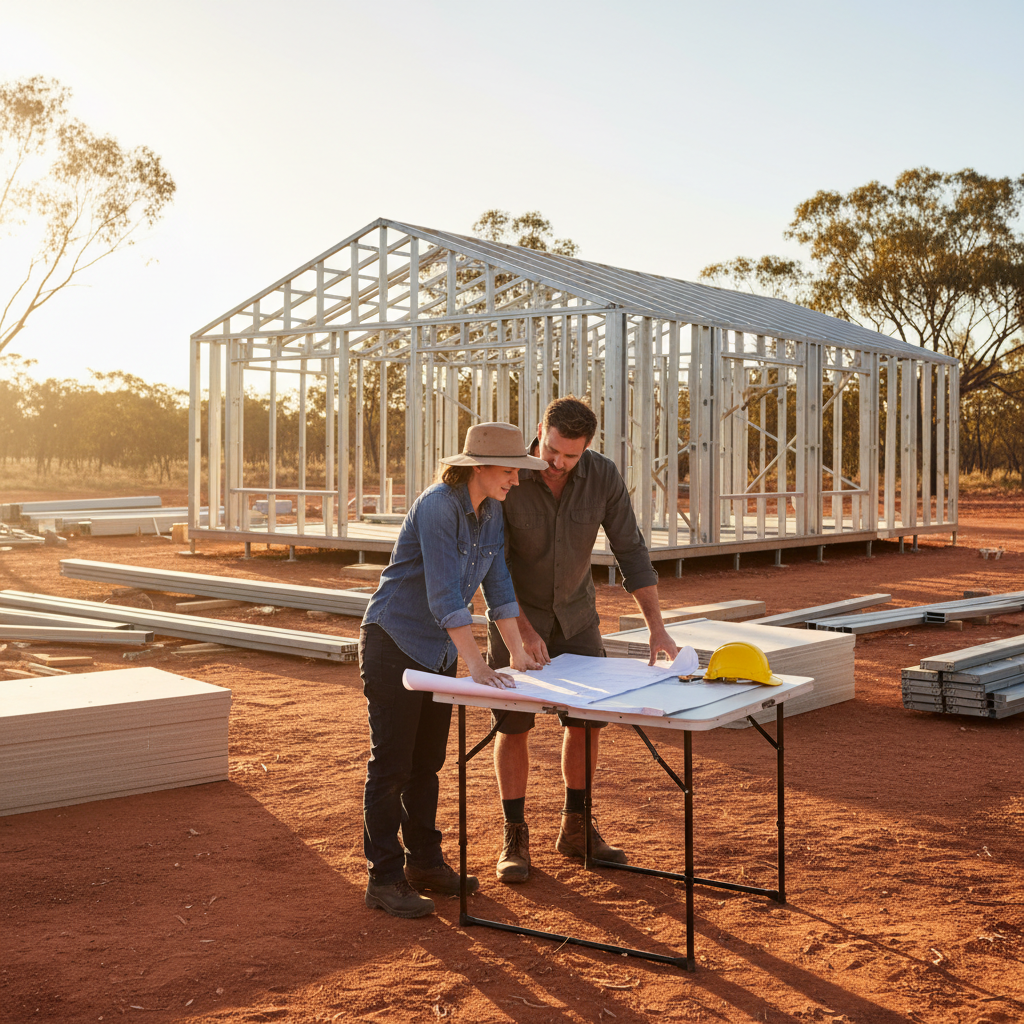
Once the slab has cured and you've spent a few weekends bolting your TRUECORE steel frames together, you call in the frame inspection. Some people get nervous here. Don't. If you've followed the layout plans provided with your kit, you're 90 percent there. The inspector moves through the house looking for two main things: tie-downs and bracing. In Australia, we have high wind loads, especially if you're building up on a ridge or near the coast. They'll check the chemical anchors or dynabolts holding the bottom plate to the slab. They want to see the bracing straps are tight. If they're sagging, the house can rack. It's a simple fix, but a common fail. Plus, they'll check your window flashings. It's not just about the frame standing up, it's about keeping the water out. I've seen blokes fail because they missed a single row of screws on a bracing sheet. It feels petty at the time, but when a storm hits at 2am, you'll be glad they checked.
The Plumbing Rough-In
This usually happens around the same time as the frame. Your licensed plumber needs to have all the pipes in the walls before the insulation and cladding go on. The inspector isn't just looking at the pipes; they're looking at what you did to the steel frames to get them in there. You can't just hack a massive hole through a load-bearing stud with a cold saw. You use the pre-punched holes in the steel. If you've had to create a new opening, it needs to be grommeted so the metal doesn't rub against the plastic pipe and cause a leak in five years. It's noisy, it's tedious, but it's mandatory.
Lock-up and Weatherproofing
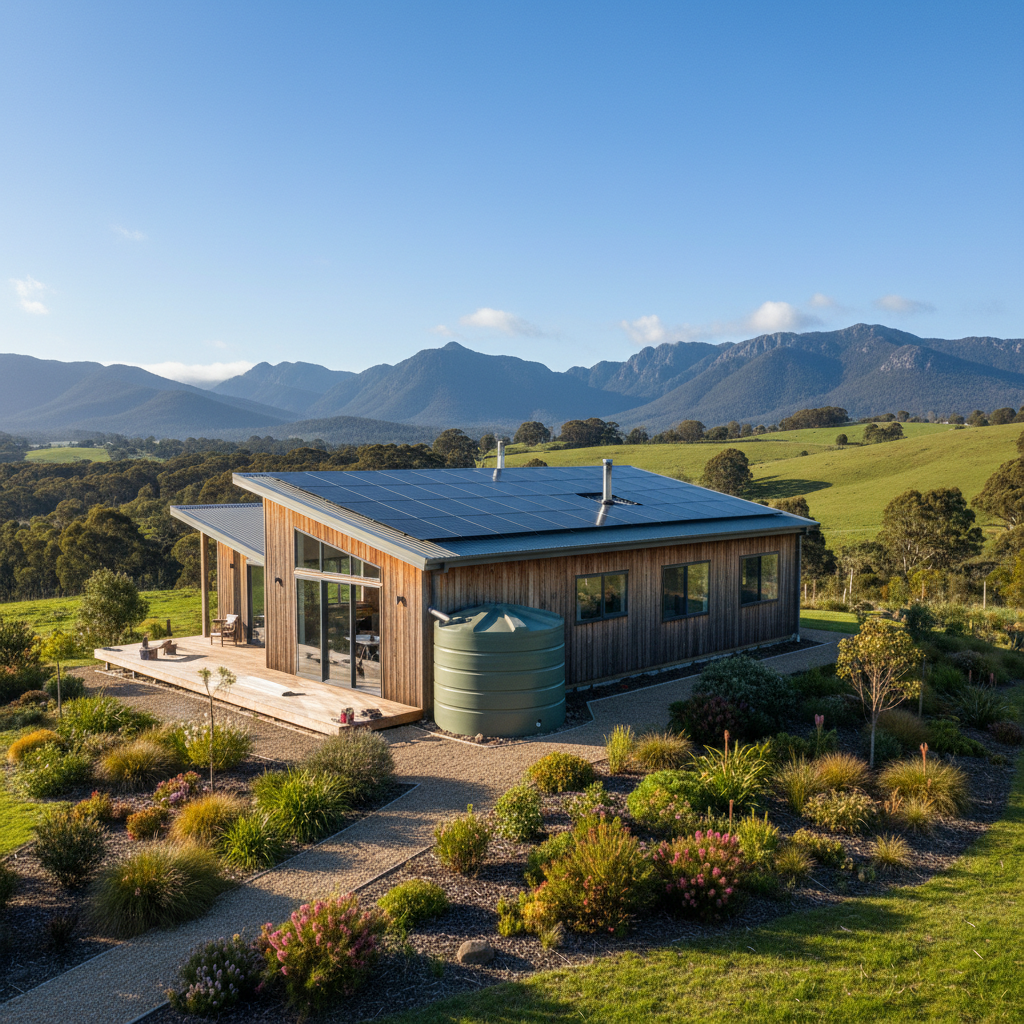
This stage is where the house starts to actually look like a home. You've got your BlueScope steel cladding on, the windows are in, and the roof is screwed down. The inspector is checking the 'envelope'. They're looking at the sarking and the flashing over the windows. In high-wind areas or BAL-rated zones (Bushfire Attack Level), this is where things get technical. If you're in a BAL-29 zone, you can't have gaps larger than 2mm. They might even get a ladder out to check the ridges and valleys. Why? Because embers are tiny and they'll find any way into your roof space. It's about AS 3959 compliance. It's not a suggestion. It's the law. And honestly, if you're building in the scrub, you want that peace of mind anyway.
The Final Inspection: The Finish Line
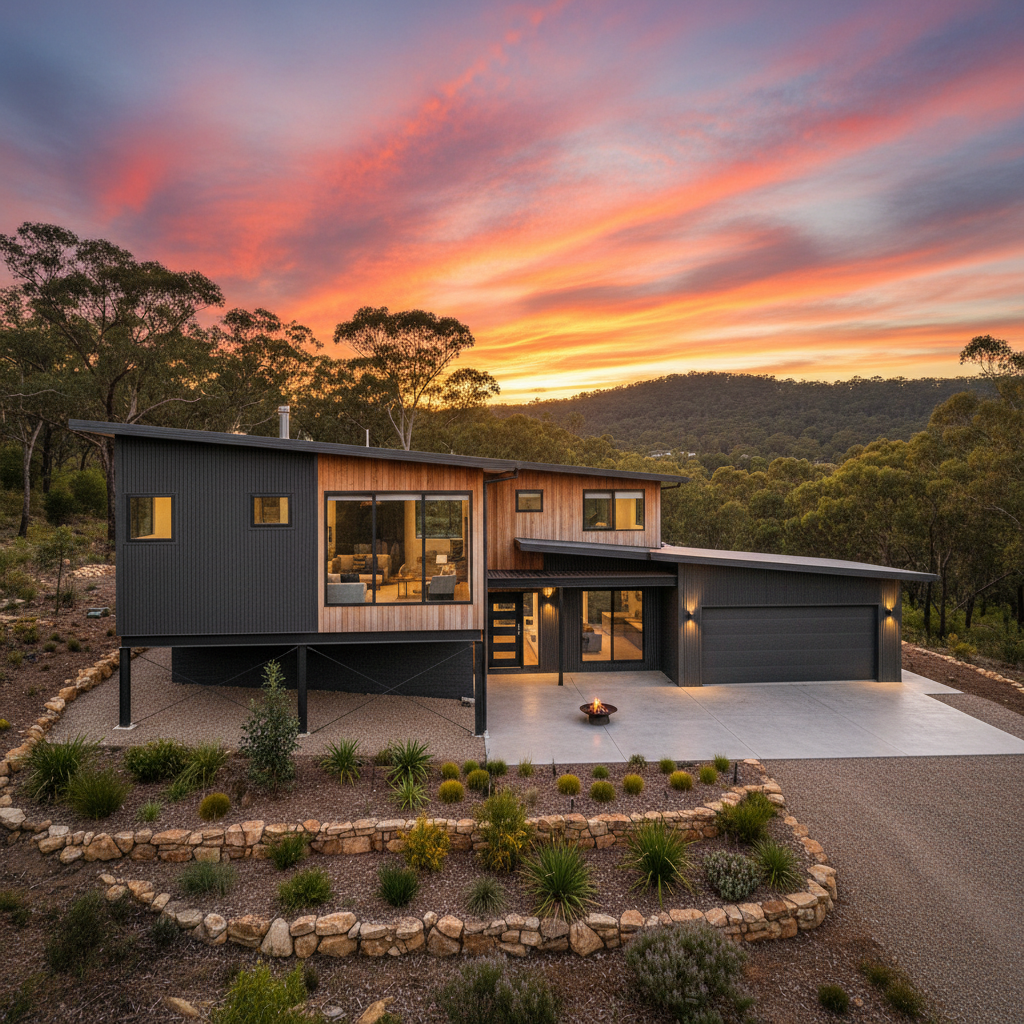
The final inspection is a weird mix of relief and stress. You've probably been living out of boxes or in a caravan on-site for months. You just want the Certificate of Occupancy so you can move your couch in. But the inspector is looking at the bits people forget. Handrails on decks. Slip resistance on stairs. The height of the pool fence if you've put one in. They'll check the smoke alarms are hard-wired and interlinked. If one goes off in the lounge, the one in the bedroom needs to scream too. They'll check the termite protection notice is in the electrical meter box. It's a list of a hundred little things. But here's a tip: don't argue with them. If they find a snag, just fix it. They're the gatekeepers to your legal move-in date.
Building a kit home as an owner-builder means you're the project manager. You're the one who has to book these inspections 48 hours in advance. Don't leave it until Friday morning expecting someone to show up at 1pm. They won't. You need to be organized. Keep a folder with every certificate your trades give you. The plumber's compliance certificate, the electrician's safety certificate, the glazing certificate for the windows. When the inspector asks for proof that the glass in your sliding door is toughened to Aussie standards, you want to be able to pull that piece of paper out instantly. It shows you know what you're doing, even if it's your first time building. Plus, it makes the whole process go faster.
I genuinely reckon the best way to handle council is to view them as a free (well, you paid for the permit) quality control service. They aren't there to fail you for fun. They're there to make sure the house is safe. If you use quality materials like Australian steel and follow the engineering drawings to the millimeter, you've got nothing to worry about. Just keep the site tidy, have your paperwork ready, and maybe tie the dog up before they arrive. It goes a long way.