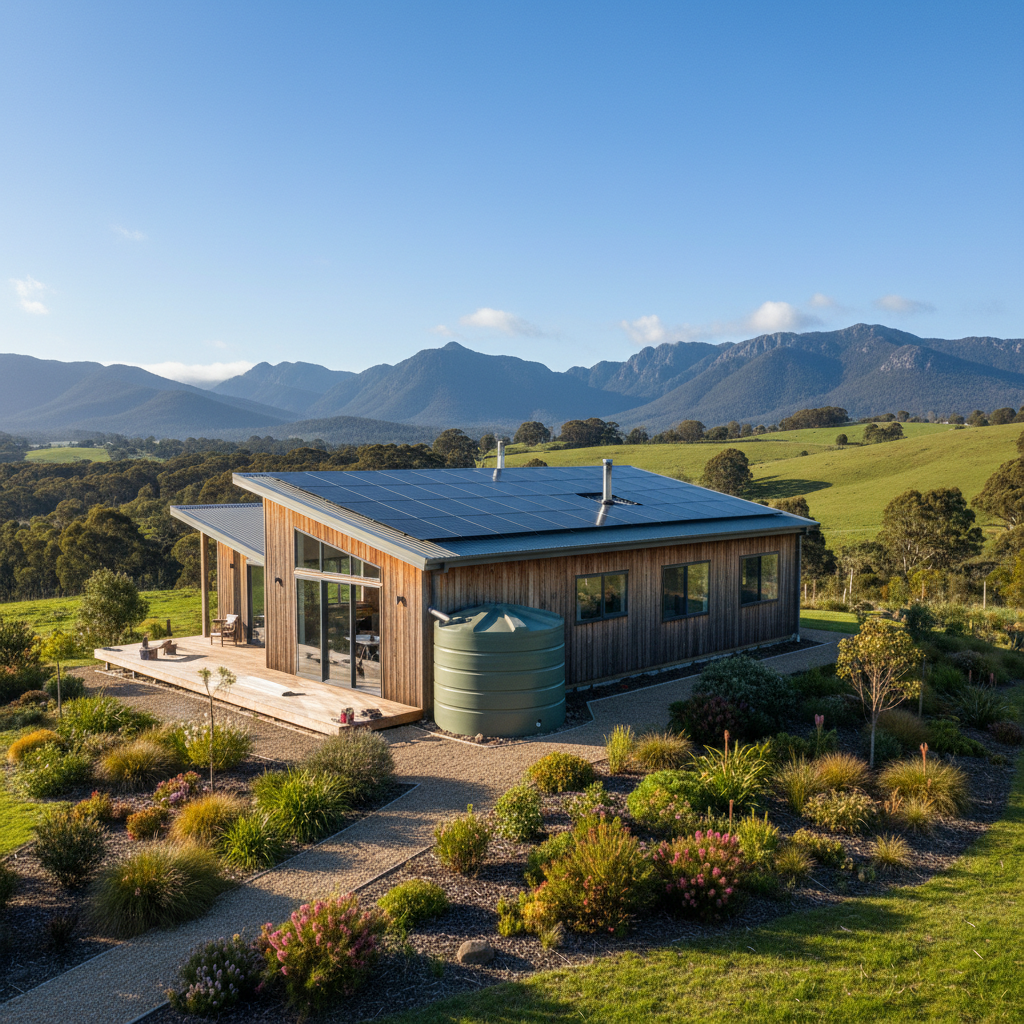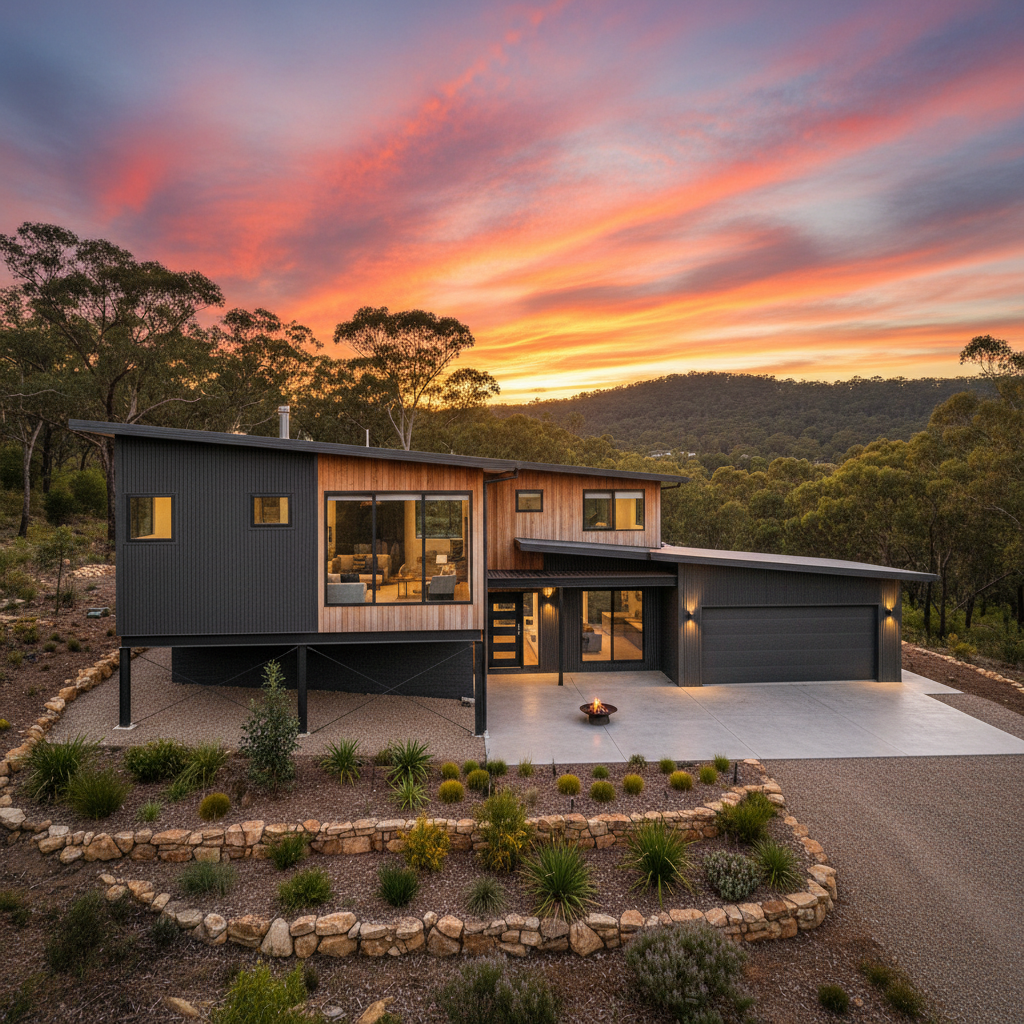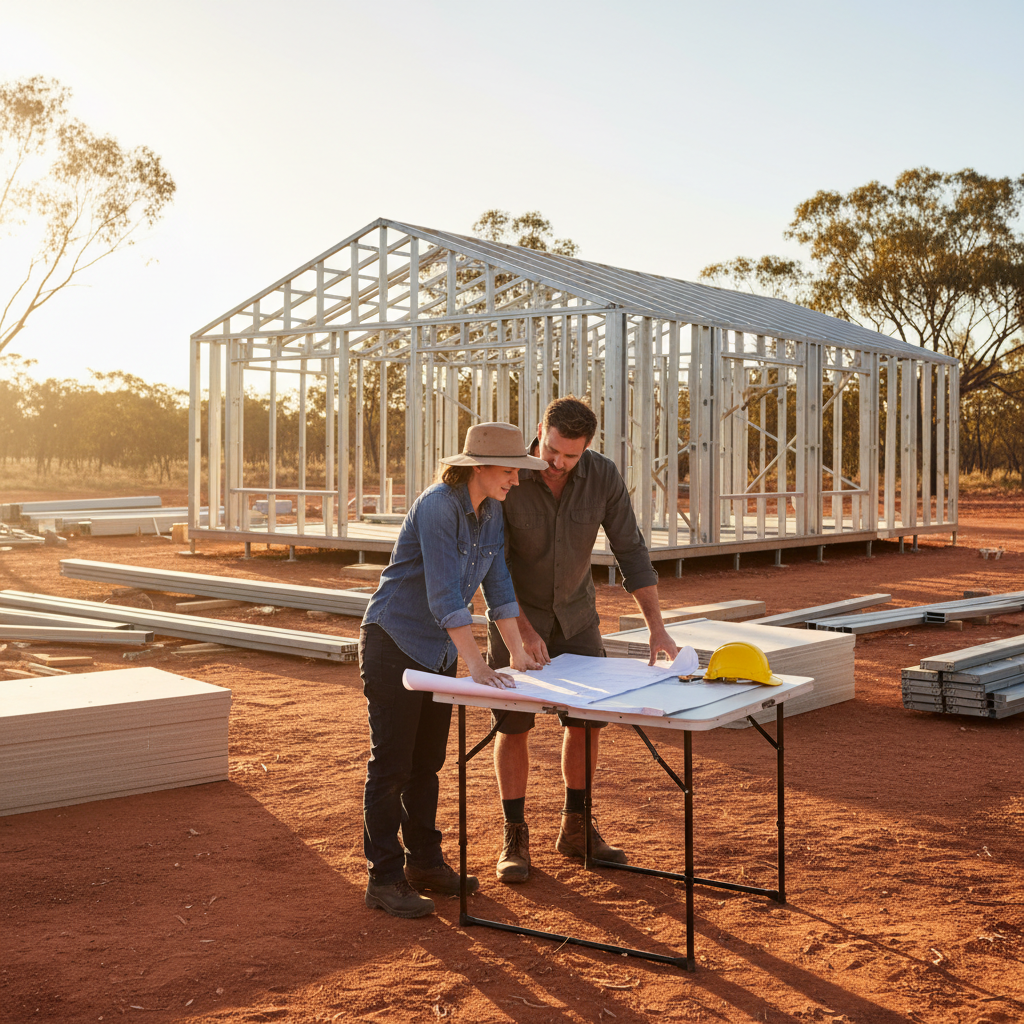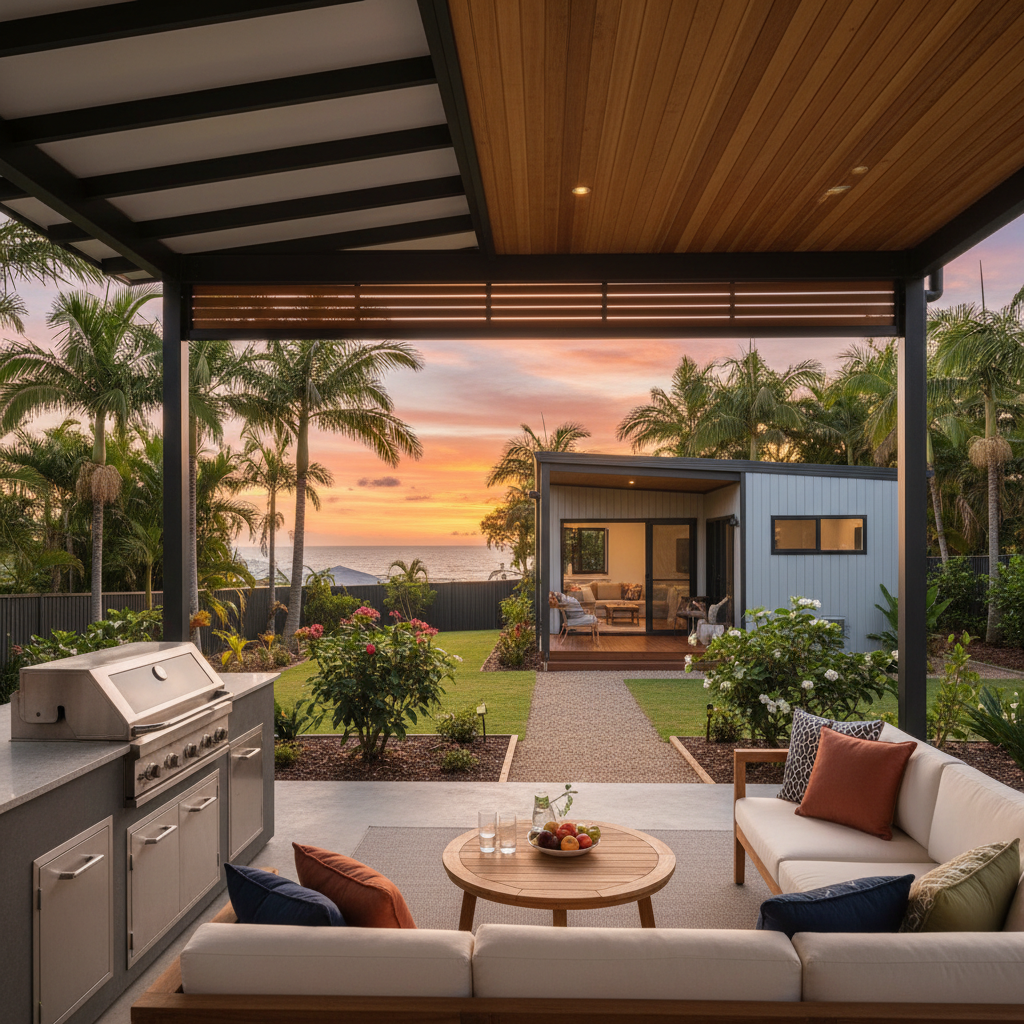
Walk down any suburban street in Brisbane or Melbourne on a Saturday morning and you'll hear it. The sharp crack of a nail gun or the whine of a dropsaw cutting through cladding. It's the sound of the secondary dwelling boom. People aren't just putting up garden sheds anymore. They're building full scale kit homes in the backyard because the housing market has gone absolutely bananas and nobody can find a rental that doesn't cost a kidney.
The Shift Toward Secondary Dwellings
It used to be that a granny flat was a poky little brick box where you tucked away an elderly relative. That's dead and buried. Now, we're seeing young couples in their twenties building 60 square metre kits behind their parents' place because they're tired of being outbid by developers at every single auction. Or it's the professional who needs a proper office that doesn't involve sitting at the dining table with a cold coffee and a screaming toddler in the background.
The trend is moving toward self sufficiency. A kit home gives you that. You get the steel frames, the BlueScope roofing, the windows, and the doors delivered on a truck, then you're off. No waiting eighteen months for a volume builder to get their act together. If you've got the gumption to manage the trades yourself, you can have a roof over your head while your mates are still arguing with architects over window placements. It's about taking control back from a system that feels like it's rigged against the average punter.
Why Steel Frames Make Sense for Backyards
I've seen plenty of blokes try to stick-build a granny flat with timber from the local big-box hardware store. They spend three weekends just trying to straighten out warped studs. It's a nightmare. Using a kit with TRUECORE steel frames changes the math entirely. The frames are straight. They're true. They don't twist because the humidity in Queensland decided to spike to 90 percent overnight.
Plus, termites. If you live anywhere north of the Victorian border, termites aren't a 'maybe' problem, they're a 'when' problem. Steel doesn't get eaten. It gives you peace of mind when you're building a secondary dwelling that's tucked away near old gum trees or damp corners of the garden. Because these kits come pre-engineered to Australian Standards like AS 4100, the council paperwork is usually a lot less of a headache than a custom build. You hand them the engineering specs, and that's one less thing for the planning officer to whinge about.
Practical Tips for the Owner Builder
Don't just chuck the kit on the ground and start bolting things together the minute the truck leaves. You need a plan. Here's how to actually get it done without losing your mind:
- Check your local LEP (Local Environmental Plan). Every council has different rules about how far you have to stay away from the back fence. Don't assume.
- Get your slab right. If the concrete is out by 20mm, your steel frames won't sit right and you'll be swearing at the sky when the cladding doesn't line up.
- Organize your trades early. Plumbers and sparkies are busier than a one-armed bricklayer. Get them booked in for your under-slab work before the kit even arrives.
- Think about access. That truck is big. Can it get down your driveway? If not, you're carrying several tonnes of steel by hand. Not fun at 7am on a Tuesday.
Living Small Without Feeling Small
Design is where most people trip up. They think small means cramped. It doesn't have to. The best kit homes we're seeing lately use high ceilings and heaps of glass to make a 50 square metre footprint feel like a palace. Using light colored Colorbond roofing like Surfmist or Shale Grey also helps keep the heat out during those brutal January afternoons.
I reckon the biggest mistake is skimping on the deck. In Australia, your outdoor area is your second lounge room. If you add a three-meter deep veranda to your kit home, you've basically doubled your living space for a fraction of the cost of adding another internal room. It's the difference between feeling like you're living in a box and feeling like you've got a proper Australian home.
The Tech Specs You Actually Need to Know
When you're looking at these kits, pay attention to the BAL rating (Bushfire Attack Level). If you're near bushland, you might need specific toughened glass or certain types of sealants. Steel frames are a huge help here because they're non-combustible, which is a massive tick in the box for high-risk zones. Also, look at your insulation. Don't just tick the minimum requirement box. Spend the extra bit on high-quality batts. You'll thank me when it's 40 degrees outside and your air con isn't sounding like a jet engine trying to keep up.
Owner Building is a Mindset
Let's be real for a second. Being an owner-builder isn't all beer and skittles. You're the one who has to deal with the tradie who doesn't show up. You're the one on the phone to the council when the inspector is being difficult. But the payoff is huge. You aren't paying a builder's 20 percent margin. You know exactly what's behind every wall because you saw it go in.
The satisfaction of standing back and looking at a finished secondary dwelling that you managed yourself is hard to beat. It's a very Australian thing, isn't it? Having a go. We're seeing a massive return to this DIY spirit because, quite frankly, people are fed up with the alternative. They want a home that's built well, uses decent Aussie steel, and doesn't take five years to finish.
If you're thinking about jumping in, start by looking at your block. Look at where the sun hits in the afternoon. Think about where the sewer lines run. Once you've got those basics sussed out, the rest is just following the plan and putting in the hard yards. The secondary dwelling trend isn't going anywhere. It's the future of how we fit more people into our cities without turning everyone into apartment dwellers. And honestly? I think that's a pretty good result for all of us.