In the modern Australian home, the kitchen is no longer just a place to boil an egg or make a sandwich. It is the command centre, the social hub, and the heart of the family residence. When you are embarking on the journey of building a kit home, you have a unique opportunity to design a space that fits your specific lifestyle like a glove. Whether you are wrangling toddlers at breakfast or hosting a Sunday roast for the extended family, the layout of your kitchen can make or break the flow of your home.
The Shift in Australian Living
Gone are the days of the closed-off kitchen where the cook was isolated from the rest of the house. Today, the trend in Australian housing is firmly rooted in open-plan living. We want to be able to prep dinner while keeping an eye on the kids doing their homework or chatting with guests in the lounge room. This shift has changed the way we approach kitchen design, moving away from utility-only spaces toward high-performing, beautiful social zones.
The Foundations of a Great Kitchen Layout
Before you get caught up in choosing stone benchtops or matte black tapware, you need to get the bones of the layout right. A well-designed kitchen follows the rules of ergonomics to ensure that your movements are efficient. You might have heard of the 'Golden Triangle'. This is the distance between your fridge, your cooktop, and your sink. In a kit home where you have the freedom to customize your interior fit-out, getting this triangle right is the first step to a stress-free kitchen.
The Island Life: The Central Hub
For most Australian families, an island bench is a non-negotiable. It provides a secondary prep area, a casual dining spot, and a place for the family to congregate. When planning your kit home layout, consider an island that is at least 900mm to 1200mm deep. This allows enough space for a sink or cooktop on one side while still leaving room for stools on the other. It is the perfect place for kids to eat their snacks while you prepare the main meal.
The Galley Kitchen: Professional and Efficient
Often favoured by professional chefs, the galley layout consists of two parallel benches. It is incredibly efficient because everything is within arm's reach. In a kit home setting, a galley layout often opens up at both ends, creating a seamless flow between different living areas. If you choose this layout, ensure there is at least 1200mm of walking space between the two benches so that two people can work in the kitchen without bumping into each other.
Designing for Real-World Family Life
Real life is messy. It involves grocery bags left on the floor, school notices on the fridge, and crumbs on the counter. A kitchen that works for a real family needs to account for this chaos. This is where clever design features come into play.
The Rise of the Butler's Pantry
If your kit home floor plan allows for it, a butler's pantry is a game-changer. It allows you to keep the main kitchen clean and clutter-free by hiding the toaster, kettle, and dirty dishes behind a door. It is the ultimate lifestyle luxury for those who love to entertain but don't want their guests seeing the aftermath of the meal prep. Even a small walk-in pantry with plenty of shelving can drastically improve the functionality of your kitchen.
Zone-Based Design
Instead of just thinking about the 'triangle', think about 'zones'. You should have a prep zone, a cooking zone, a cleaning zone, and a storage zone. Try to keep your dishwasher near the sink and the bin, and ensure your spice rack and oil storage are right next to the stove. These small considerations make a massive difference when you are living in the home every day.
Kit Home Tips for the Kitchen Planner
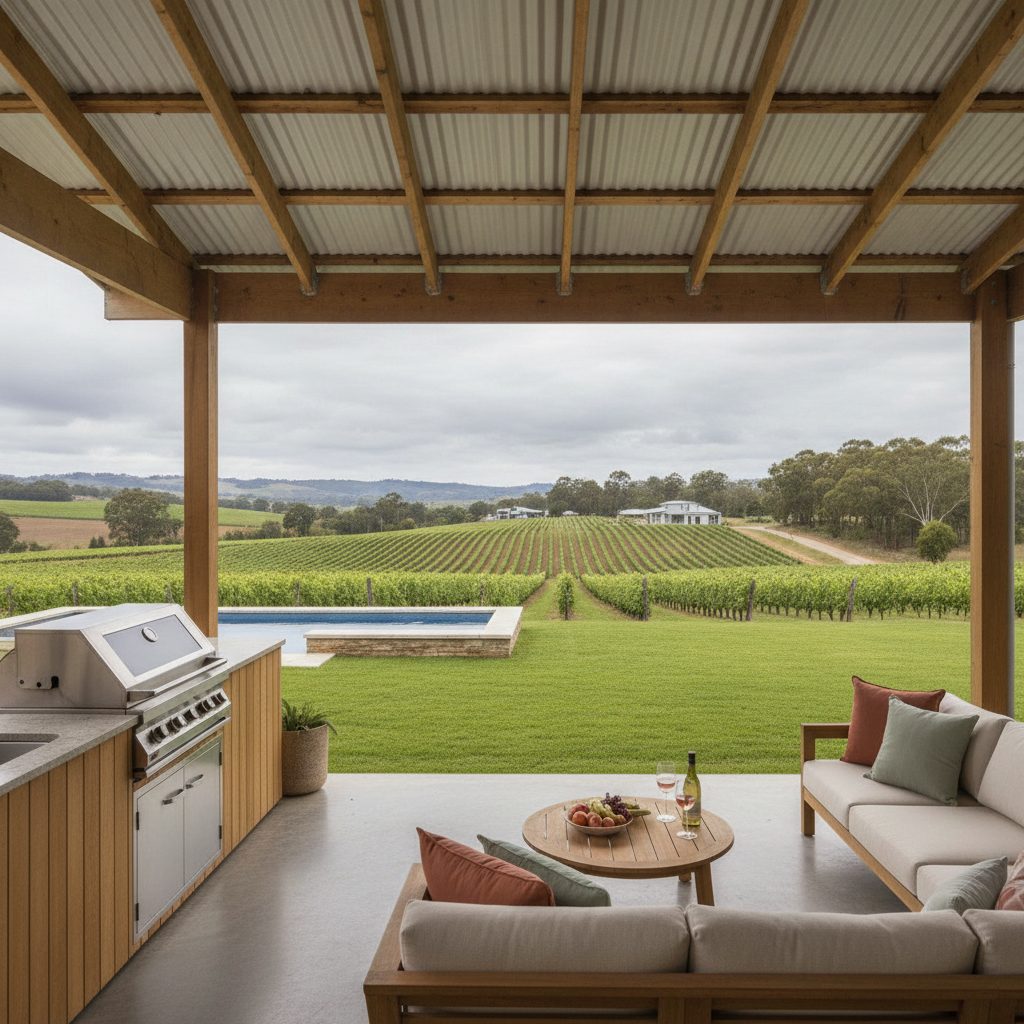
When you are looking at kit home floor plans, don't just look at the total square meterage. Look at how the kitchen interacts with the outdoor space. In Australia, we love our alfresco dining. Placing the kitchen near the deck or patio allows for easy outdoor entertaining. Consider installing a servery window, which is a classic Australian design feature that allows you to pass food and drinks directly from the kitchen to the outdoor area.
Another tip for kit home builders is to think about lighting early. Natural light makes a kitchen feel larger and more inviting. Plan for large windows or even a skylight over the kitchen island. For tasks, you will need under-cabinet LED strips or stylish pendant lights that provide focused illumination over your workspace.
Owner Builder Tips: Managing Your Kitchen Fit-Out
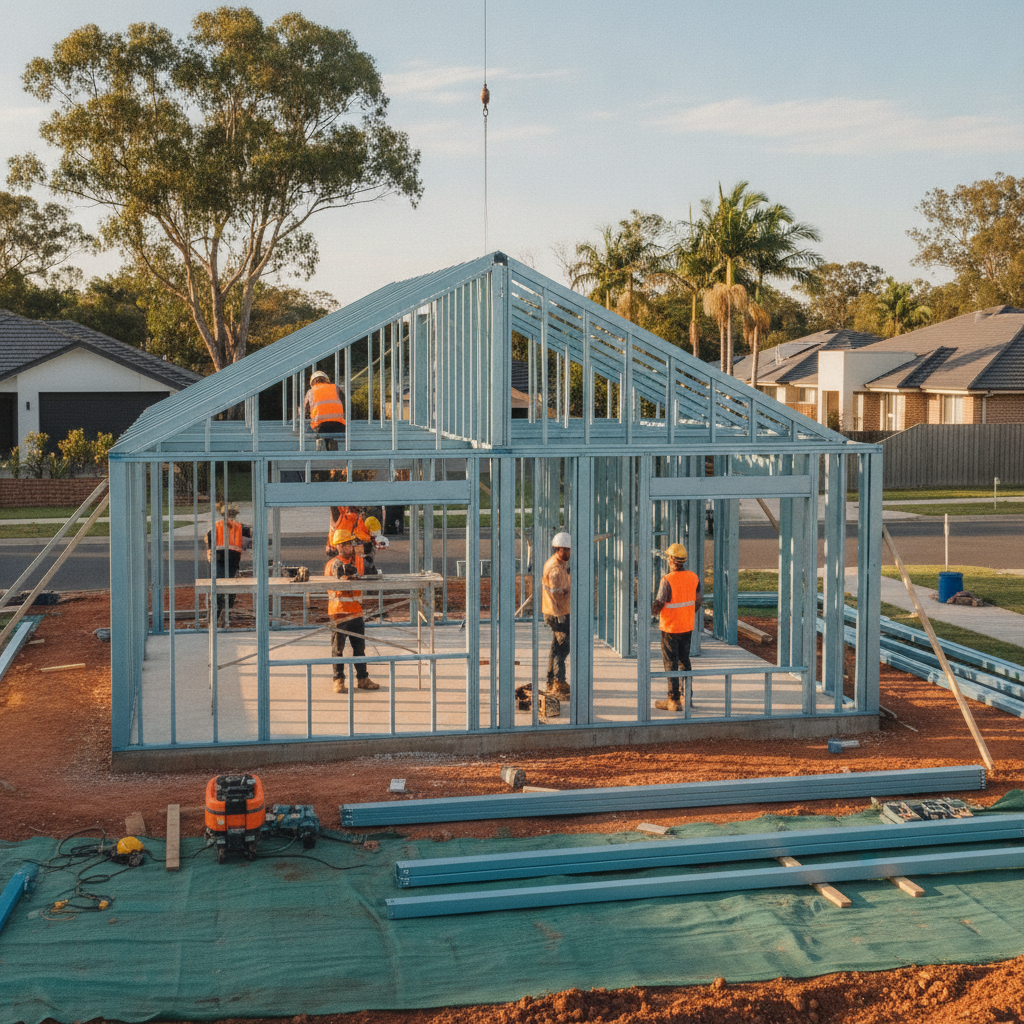
As an owner-builder, you are in the driver's seat. Once your kit home's steel frames are up and the building is lock-up ready, the fun of the interior fit-out begins. A benefit of using steel frames is that they are perfectly straight and true, which makes installing cabinetry much easier compared to traditional timber frames which can warp or twist.
When coordinating with cabinet makers or flat-pack suppliers, always double-check your measurements after the plasterboard is installed. Even a few millimetres can make a difference in a tight kitchen layout. If you are doing a lot of the work yourself, take your time with the leveling. A kitchen that is perfectly level will not only look better but will also prevent issues with your appliances and plumbing over time.
Material Choices for the Australian Climate
In Australia, we deal with high UV levels and varied humidity. When choosing materials for your kit home kitchen, durability is key. Engineered stone is a popular choice for benchtops because it is non-porous and resistant to staining. For cabinetry, look for moisture-resistant finishes that can handle the Australian heat. If you want a more natural look, timber accents can add warmth, but ensure they are properly sealed to prevent damage from spills.
The Aesthetic: Form Meets Function
While functionality is the priority, the lifestyle aspect of your kitchen comes from its aesthetic. Currently, Australian housing trends are leaning towards 'Modern Coastal' or 'Contemporary Industrial'. This often involves a mix of light, airy colours with tactile textures. Think white cabinetry paired with a timber island bench, or dark navy cupboards with brass hardware. Because kit homes offer so much flexibility, you can really let your personal style shine in the kitchen design.
Summary of Practical Advice
- Prioritise Flow: Ensure there is a clear path between the fridge, sink, and stove.
- Think About Storage: You can never have too many drawers. Deep drawers are often more practical than cupboards for storing pots and pans.
- Power Points are Essential: Don't forget to include plenty of power points, including some with USB ports, on the kitchen island and inside the pantry.
- Consider the Kids: If you have young children, avoid sharp corners on kitchen islands and choose finishes that are easy to wipe clean.
- Ventilation Matters: Invest in a high-quality rangehood that actually vents to the outside to keep your open-plan living area smelling fresh.
Conclusion
Building a kit home gives you the freedom to create a kitchen that is the true heart of your household. By focusing on a layout that supports your family's daily habits and social life, you create a space that is not just beautiful to look at, but a joy to live in. Whether you choose a sleek galley style or a sprawling island-centered design, the key is to plan for both the big celebrations and the quiet Tuesday morning coffees. With a bit of foresight and the right design choices, your kit home kitchen will be a place where memories are made for years to come.