Keeping Your Cool (and Warm): Smart Insulation Techniques for Australian Kit Homes
Australia is a land of extremes. One day you are dealing with a cracker of a day where the sun threatens to melt the bitumen, and the next, you are shivering through a frost-laden morning in the Great Dividing Range. For the owner-builder, getting the insulation right in a kit home isn't just about comfort. It is about making sure your home doesn't turn into an oven or a walk-in freezer the moment the weather turns.
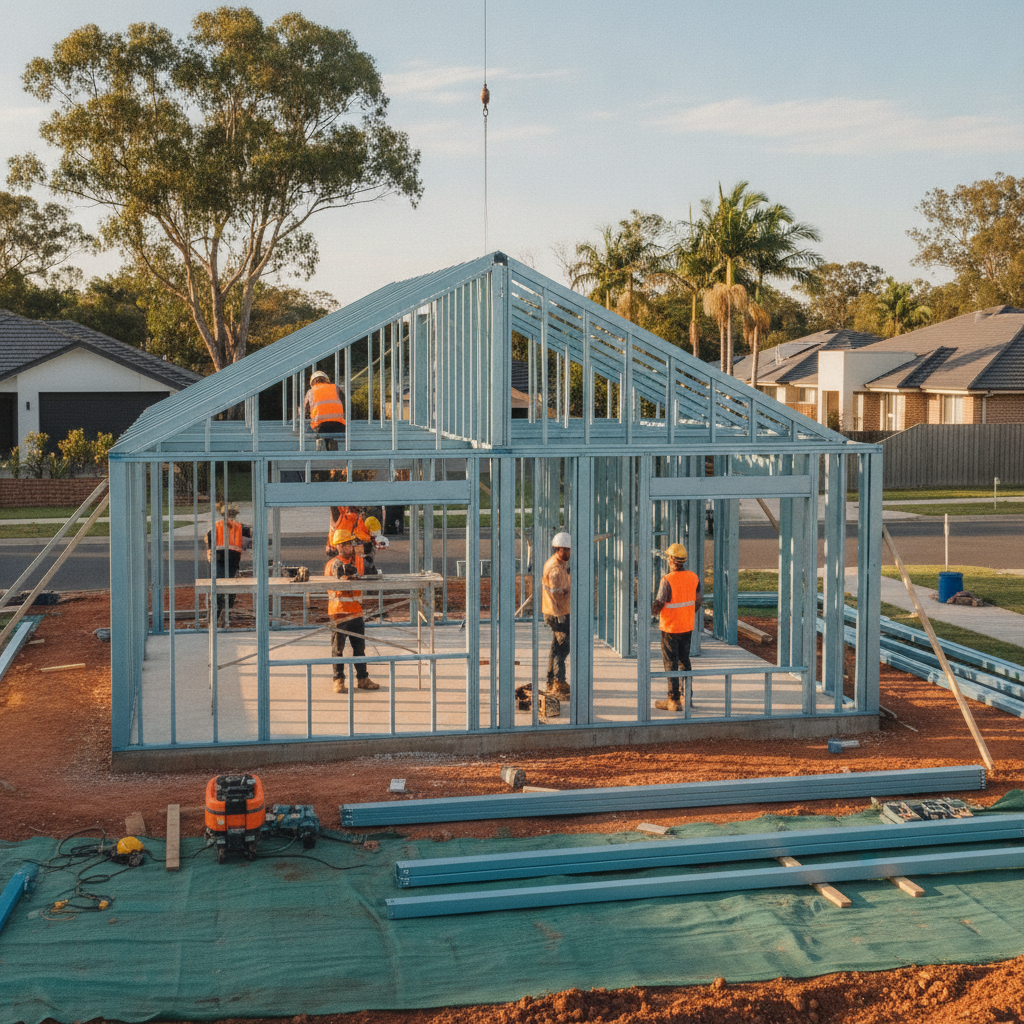
When you are building with a steel frame, you have got a precision-engineered skeleton that is straight, true, and incredibly durable. But steel, by its very nature, is a conductor. If you don't treat it right, heat will find its way through those studs like water through a sieve. This is called thermal bridging. Sounds technical? It just means heat likes to travel through solid objects. But don't stress, we have sussed out the best ways to stop it in its tracks.
Understanding Your Climate Zone
Before you even think about ordering rolls of glasswool or high-tech foil, you need to know where you stand. Literally. Australia is divided into eight climate zones for building purposes. A kit home going up in the humid tropics of Darwin needs a completely different strategy than a weekend retreat in the snowy peaks of Tassie.
In the Top End, your goal is to keep the heat out and let the building breathe. You'll be looking at reflective insulation that bounces radiant heat back where it came from. Down south? You want a heavy thermal blanket that traps every bit of warmth inside. Most of us live somewhere in between, in temperate zones where we need a bit of both. Ever wondered why some houses feel 'stuffy' even when it is cool outside? That is usually a sign of insulation that hasn't been matched to the local climate.
The Steel Frame Advantage: Thermal Breaks
One thing that catches people off guard is the requirement for thermal breaks. Because we use BlueScope TRUECORE steel, you are working with a material that won't warp or twist. However, the National Construction Code (NCC) requires a thermal break between the steel frame and the external cladding in many parts of Australia. This is usually a thin strip of high-density foam or a specialized thermal product.
It acts like a spacer. It stops the heat from jumping directly from your hot metal wall cladding into the steel wall studs. Think of it like using a potholder to grab a hot tray. Simple, but it makes a massive difference to the energy efficiency of your home. If you skip this, your air conditioner will be working overtime, and you'll be wondering why your power bill is so steep.
The Heavy Lifters: Bulk vs. Reflective Insulation
You have basically got two main weapons in your kit home insulation arsenal.
1. Bulk Insulation: These are your batts. Traditionally made from glasswool, rockwool, or polyester, they work by trapping air in millions of tiny pockets. They are great at slowing down heat transfer through conduction. For steel frames, you want to make sure the batts are wide enough to fit snugly between the studs without being squashed flat. A squashed batt is a useless batt. It needs that air space to work its magic.
2. Reflective Insulation: This usually looks like shiny silver foil. It is a legend at stopping radiant heat from the sun. In Australia, we often use 'sarking' under the roof sheets and behind the wall cladding. It acts as a second skin for your kit home, reflecting heat away and providing a bit of weather protection during the build. Just make sure there is a small air gap next to the shiny side, or it won't reflect much of anything.
Combining these two is often the best bet. It is like wearing a windbreaker over a woolly jumper. Total protection.
Sealing the Gaps (Don't Forget the Air!)
We've seen plenty of owner-builders spend a fortune on high-spec insulation but then leave gaps around windows and doors. Air leakage can ruin even the best insulation job. When you are installing your windows and doors in the kit, use high-quality flashing and sealants.
But wait. You don't want the house to be 100% airtight without any plan for fresh air. That's how you get mould problems (especially in those humid arvos). The trick is to have a 'tight' building envelope but clever ventilation. Use whirlybirds on the roof or eave vents to let the hot air escape from the roof cavity. It helps the whole house breathe while the insulation keeps the temperature steady inside.
Practical Tips for the Owner Builder
Building your own place is a massive undertaking, but it is incredibly rewarding. When it comes to the insulation phase, here is some hands-on advice:
- Wear the gear. Even the 'non-itchy' stuff can be a bit annoying after a few hours. Long sleeves, a mask, and goggles are your friends.
- Measure twice, cut once. It's an old cliché for a reason. If you have gaps between your batts and the steel frame, you're losing heat.
- Watch the wiring. Don't cover your LED downlights or electrical cables unless the insulation is rated for it. You don't want a fire starting because your lights overheated.
- Check the weather. Don't leave your bulk insulation exposed to the rain. If it gets sodden, it can lose its loft and potentially cause rust issues for non-treated materials down the line.
And remember, your kit home usually comes with the basic insulation included, but if you're in a particularly harsh climate, you might want to consider 'up-speccing' certain areas. It's heaps easier to do it while the walls are open than to try and fix it five years later.
The Roof: Your Biggest Heat Sink
Since the sun beats down on your roof all day, this is where most of your thermal gain happens. In a steel frame kit home, we often use an integrated roofing blanket. This is a layer of foil-faced bulk insulation that sits directly under your COLORBOND steel sheets. It stops the roof from radiating heat into the ceiling space.
Couple this with ceiling batts, and you have got a double-layered shield. It makes the house stay quiet during a heavy downpour too. No worries about the drum-like sound of rain on tin keeping you up at night!
The Verdict
Is insulation the most exciting part of building your new home? Probably not. It's not as flashy as picking a kitchen benchtop or showing off your new ute in the driveway. But it's arguably the most important for your long-term happiness. A well-insulated steel frame home is a sanctuary. It's quiet, it stays a comfortable temperature without costing a fortune, and it'll stand the test of time against the Aussie sun.
Take your time with it. Do the research on your specific climate zone. Use the right thermal breaks for your steel frame. If you do it right the first time, you can sit back on your deck with a cold one, knowing your home is performing exactly as it should. She'll be more than right; she'll be perfect.