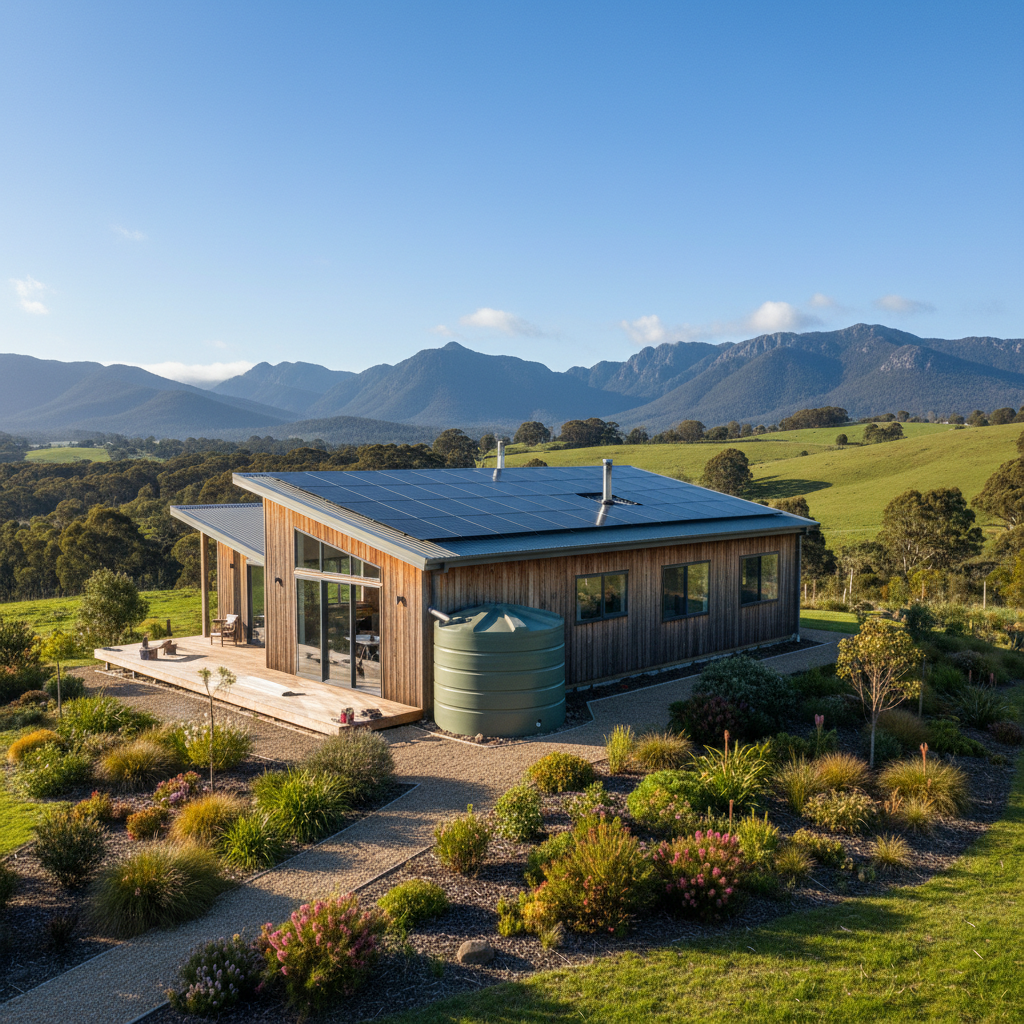
The 6:00 AM alarm hits differently when you know your day involves sitting in bumper-to-bumper traffic on the Monash or the M5. It's a grind that's wearing people thin, and it explains why regional Australia is seeing a massive influx of what we call tree-changers. These aren't just retirees looking for a quiet patch of dirt anymore. We're seeing young families and remote workers packing up and heading for places like the Huon Valley, the Sunshine Coast hinterland, or the rolling hills of the central west. But here is the reality check: finding a builder in a small regional town is like trying to find a needle in a haystack during a windstorm. Most local chippies are booked out for two years, and the big project builders won't even look at a block if it's more than thirty minutes from their depot. This is where the kit home has stepped in to bridge a massive gap in the market.
The Regional Build Reality
Building in the sticks isn't the same as doing a knockdown-rebuild in the suburbs. You've got logistics to worry about, varying soil types, and the ever-present threat of bushfires. A kit home works in these environments because it simplifies the mess. Instead of forty different suppliers making deliveries to a remote site across six months, you get the bones of the house delivered in one or two goes. Your frames, your trusses, your roofing, and your cladding show up. It's a structured way to build that gives an owner-builder a massive head start on a project that might otherwise stall because the local hardware store ran out of a specific flashing.
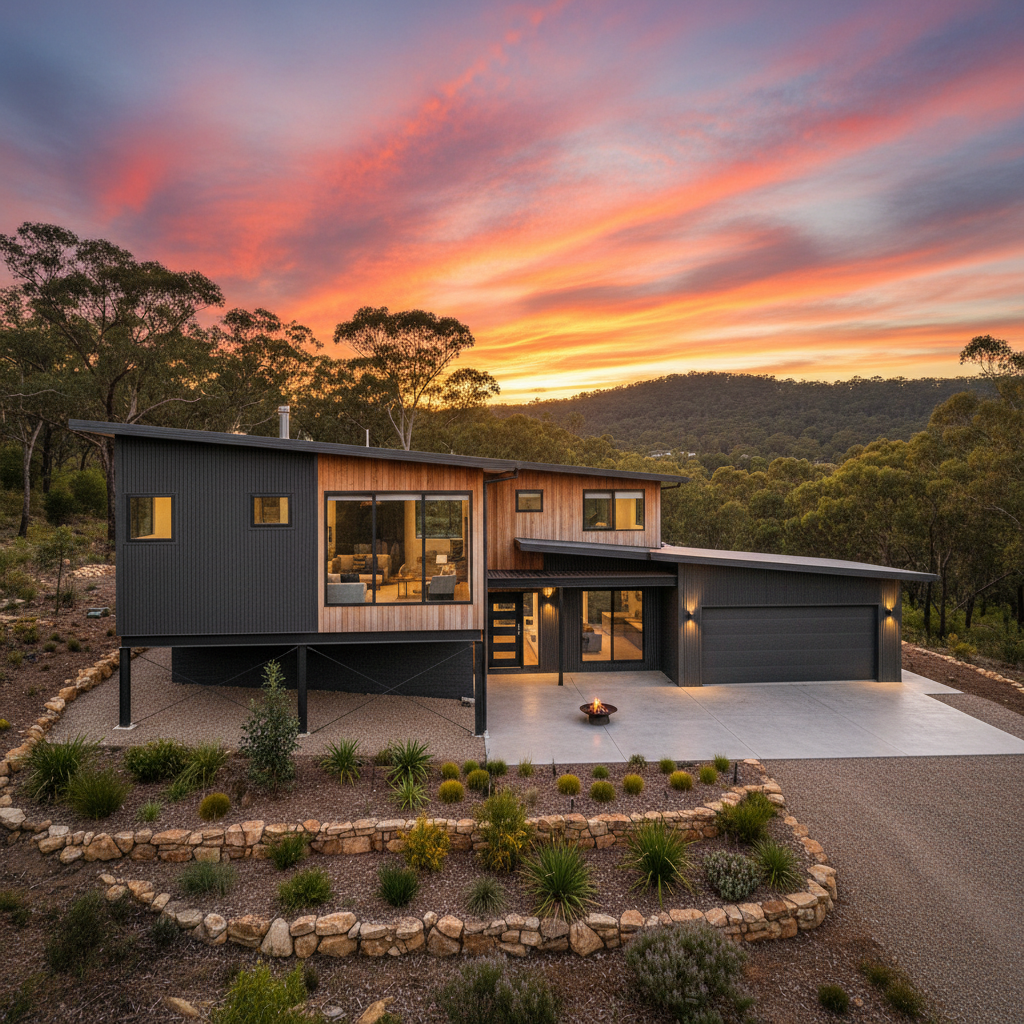
Let's talk about the site itself. If you've bought a sloping block in the Blue Mountains or a rocky patch near Cooma, you need a subfloor that can handle it. Most kit homes we're seeing today utilize steel flooring systems that sit on piers. This saves you a fortune in earthworks. Digging out a flat pad for a concrete slab on a slope is an absolute nightmare, and the drainage issues it creates can haunt you for a decade. Using steel piers means you're perched above the ground, letting the natural water runoff do its thing without compromising your foundations. Plus, you get that extra storage space under the house for the mower and the bikes.
Technical Edge: Steel Frames and BAL Ratings
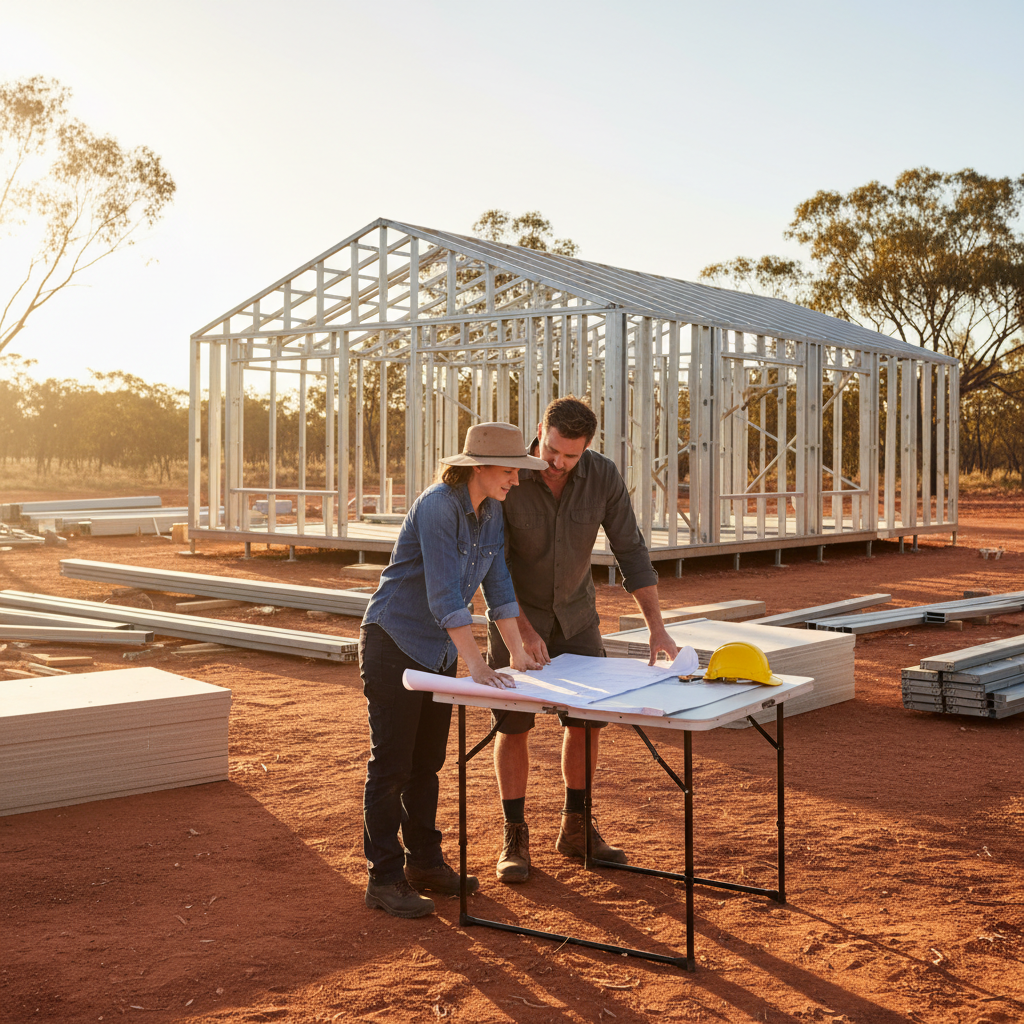
If you're moving to the bush, you've got to respect the land. That means understanding your Bushfire Attack Level (BAL) rating. It's not just a box to tick for council; it's about making sure your investment doesn't go up in smoke during a bad summer. People often ask me why steel frames are the standard for regional kits. It's pretty simple. Steel doesn't burn. When you use TRUECORE steel by BlueScope, you're building a skeleton that stays straight and true regardless of the humidity or the heat. It won't warp like timber can when the Westerlies start blowing.
Then there are the termites. If you haven't lived in regional Queensland or the Top End, you probably don't realize how aggressive these little buggers are. They can chew through a timber frame before you've even finished the landscaping. Using a steel frame takes that massive stressor off the table. It's one less thing to worry about in your annual maintenance schedule. We always tell owners to check their local council's requirements for AS 3959-2018 (Construction of buildings in bushfire-prone areas) early on. Your kit can be customized with specific cladding and toughened glass to meet these higher BAL requirements, but you need to have that conversation before the steel is cut.
Owner-Builder Tips: Logistics on the Ground
So you've decided to manage the build yourself. Good on you. It's rewarding, but don't go in blind. Here are a few things I've seen trip people up over the last fifteen years:
- Access is king. That narrow, winding driveway looks romantic on the real estate brochure, but can a semi-trailer get up there? If the truck can't get to the house site, you'll be paying for a smaller Hiab or double-handling the materials yourself. It adds cost and grey hair.
- Get your slab or piers dead level. I mean it. If your foundations are out by 10mm, the steel frames won't line up properly and you'll be fighting the structure the whole way. Spend the extra time with the laser level on day one.
- Staging your trades. In regional areas, the sparky and the plumber are the most popular people in town. Book them three months before you think you'll need them. If you wait until the frames are up to call someone for a rough-in, you'll be waiting six weeks while your project sits idle in the rain.
The Design Shift: Better than a Boring Box
The old image of a kit home being a glorified shed is dead. Modern Aussie housing trends are leaning toward open-plan living with heaps of natural light. Think high ceilings and wide glass sliding doors that open out onto a massive deck. Because kit homes use steel roof trusses, you can often achieve larger spans without needing internal load-bearing walls. This gives you the freedom to move the kitchen, dining, and living areas around until the flow feels right. We're seeing people opt for three-bedroom designs with a dedicated mudroom, because when you live on acreage, you're going to bring half the paddock back into the house on your boots.
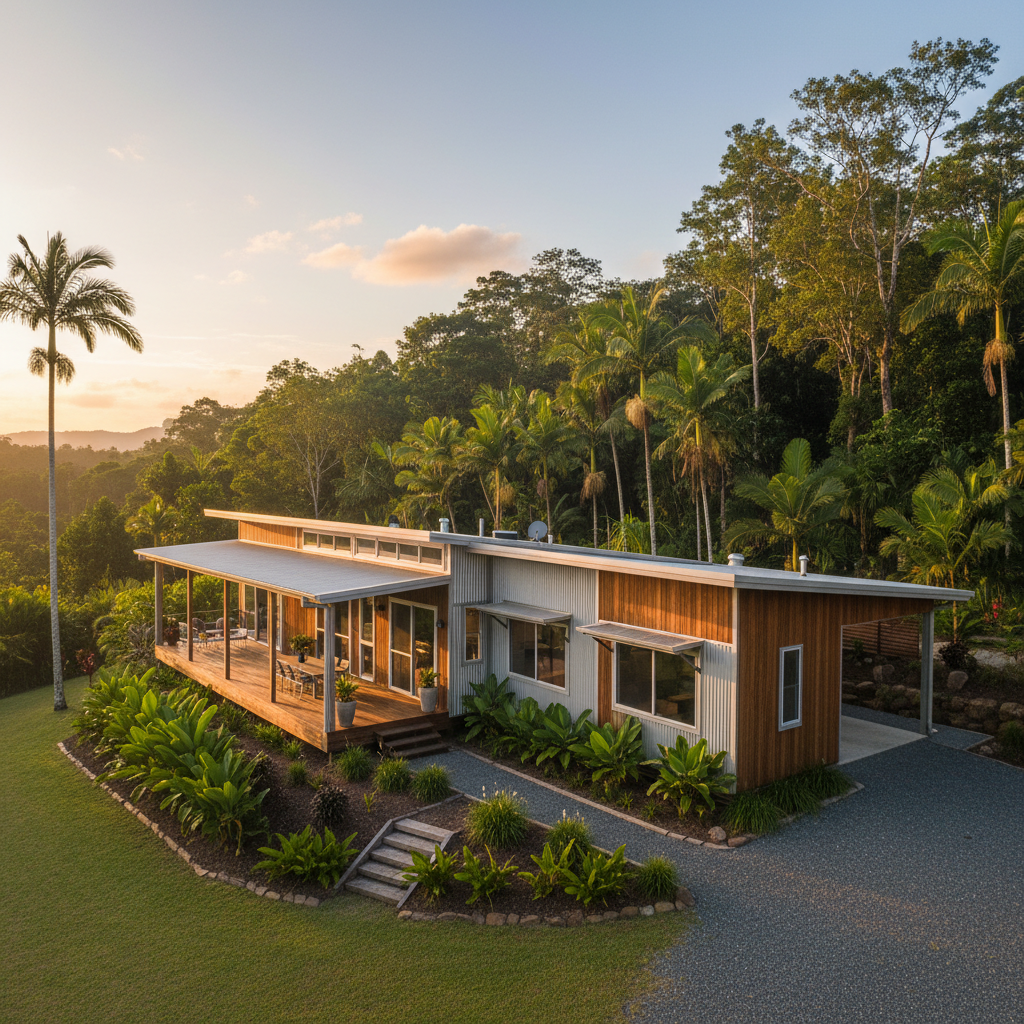
Another big trend is the inclusion of wide eaves and verandas. In the Australian climate, shoving a house in the middle of a paddock with no shade is just asking for a massive electricity bill. A kit home with a wrapped veranda keeps the sun off the walls in the middle of summer, which keeps the interior cool and comfortable. It's basic passive design, but it works better than any high-tech cooling system. And let's be honest, there's nothing better than sitting on the deck with a cold one while the sun goes down over your own patch of dirt.
Managing the Paperwork
Council. The word alone makes most builders shiver. When you're an owner-builder, you're the one dealing with the Development Application (DA) or Complying Development Certificate (CDC). The beauty of a kit is that the engineering is already done for the structure. You get a set of plans and engineering certifications that you can hand straight to your private certifier or council officer. It cuts out months of back-and-forth with architects and engineers. You still need to sort out your site-specific stuff like the BASIX report in NSW or the 6-star energy rating in other states, but the heavy lifting on the building design is finished before you even start.
Don't forget your site works. You'll need a temporary power pole, a site toilet (yes, the council checks this), and a plan for your wastewater. If you're on a regional block, you're likely looking at a septic system or an aerated wastewater treatment plant. Get these sussed out during the planning phase because the location of your tank can affect where your house can actually go on the block.
The Finish Line
Building your own home in the country is a massive undertaking. It's sweaty, it's frustrating at times, and you'll spend more time at Bunnings than you ever thought possible. But when you're standing in a house you saw come off the back of a truck as a pile of steel and cladding, and you've managed the trades to turn it into a home, it's a feeling you can't get any other way. You've skipped the cookie-cutter suburbs and built something that actually fits the regional lifestyle. It's about taking control of the process. If you've got a decent set of tools, a bit of common sense, and the drive to get it done, a kit home is the most logical path to that tree-change dream. Just make sure you've got a good pair of boots and a reliable local plumber on speed dial. You're going to need both.