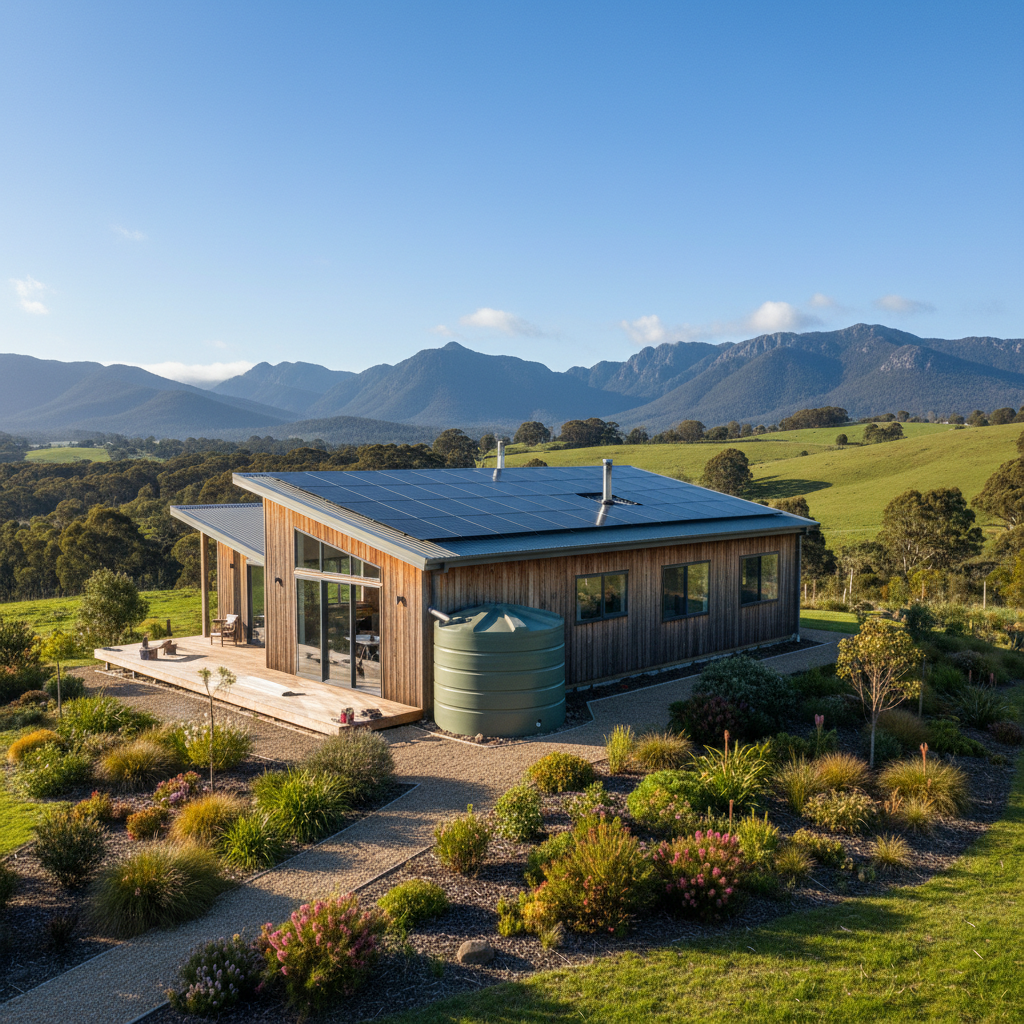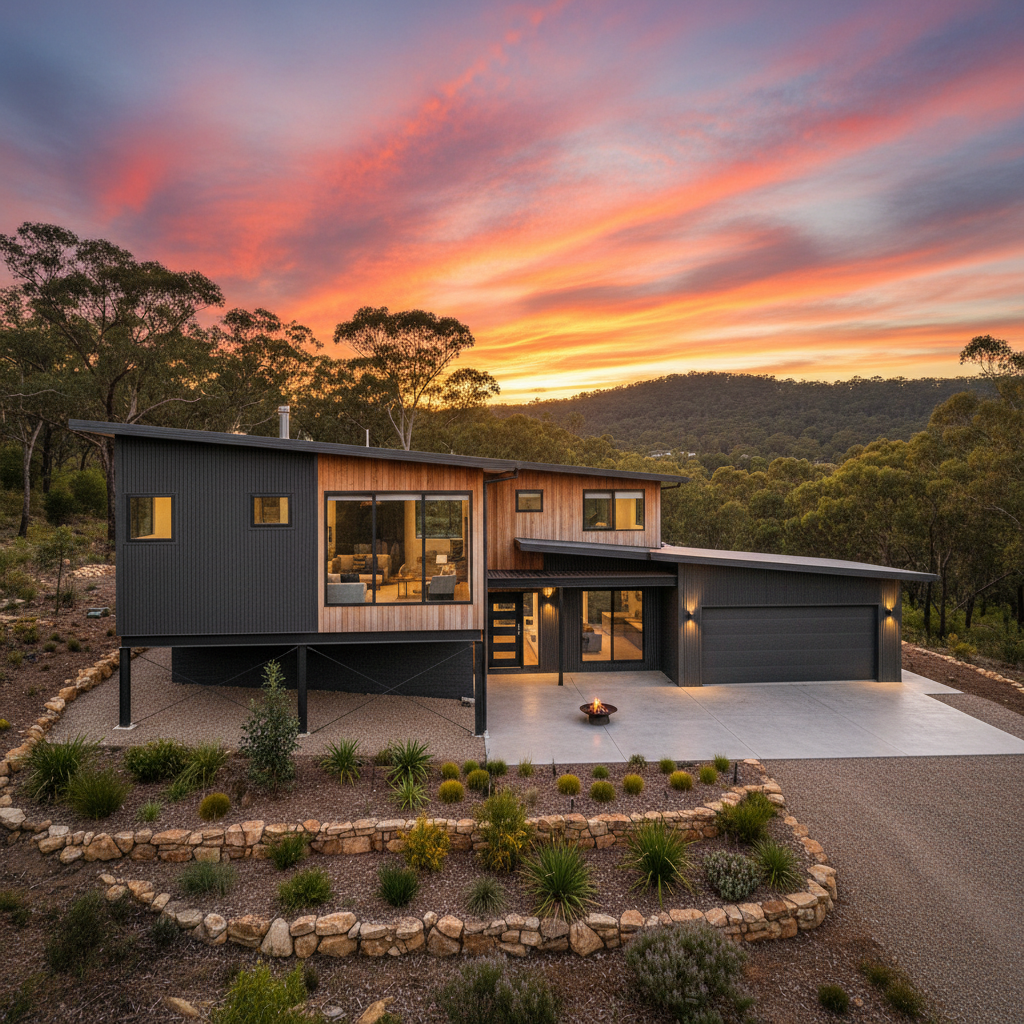
The Great Shift is Real
Walk down any street in Sydney or Melbourne right now and you'll hear the same thing. People are fed up. They're over the traffic, the noise, and mostly, the staggering cost of buying a house that actually has a bit of dirt around it. I've spent fifteen years on sites and in offices talking to people who want out. They want the big shed, the veggie patch, and enough space between them and the neighbors that they can't hear the toilet flush next door. This isn't some trend that's going to fade. It's the new reality of Australian housing. But here is the kicker. Finding a builder who'll actually travel two hours out of town to build you a custom home is like trying to find a needle in a haystack. If they do say yes, the quote usually involves a premium that would make your eyes water. That's where the kit home comes in. It's the bridge between wanting a life in the bush and actually being able to afford to build it.
The Regional Reality Check
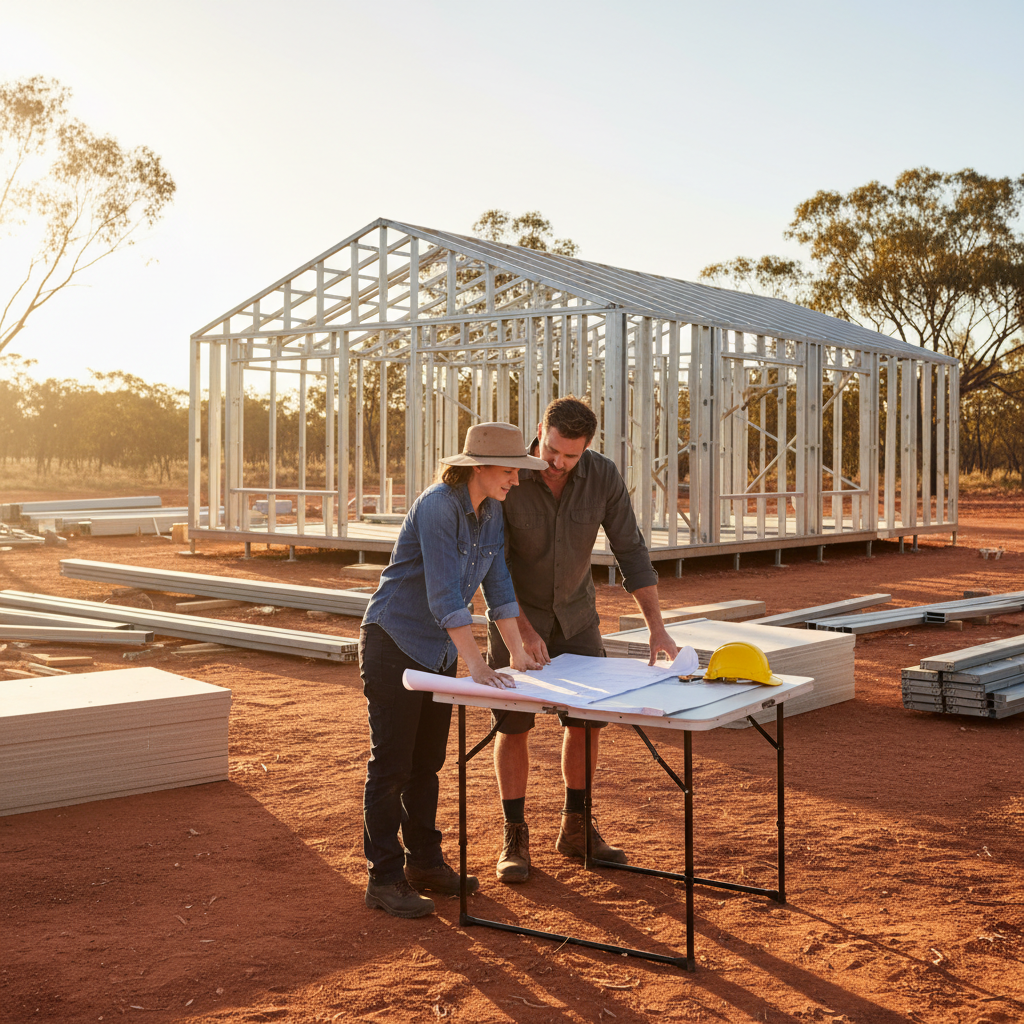
Building in the sticks is different. You aren't just dealing with a tight suburban block anymore. You've got bushfire attack levels (BAL) to worry about, odd soil types, and often, a total lack of town water or sewerage. Life in places like the Hunter Valley or the Sunshine Coast hinterland is brilliant, but the logistics are a headache. Most people don't realize that a kit home simplifies this mess because the hard work happens in a factory first. The frames are cut to the millimeter. The windows show up as a set. You aren't waiting for a chippy to measure and cut every single stud on a windy hillside while his saw keeps tripping the generator. It's about precision. When we talk about steel frame kit homes, we're talking about BlueScope TRUECORE steel. It's straight. It stays straight. Termites in the bush will eat a house from the inside out before you've even finished the landscaping, but they won't touch high-tensile steel. That's a huge win for regional living.
Being the Boss of Your Own Site
Getting your owner-builder permit is the best move you'll ever make if you've got a lick of common sense. You don't have to swing the hammer yourself if you don't want to. I know plenty of people who couldn't tell a Philips head from a Pozidriv but they're champions at managing a project. As an owner-builder, you're the project manager. You hire the local sparky, the plumber from the next town over, and the slab crew. You save that 20 or 30 percent margin a head builder would usually slap on top. Plus, you get to see exactly what goes into your walls. There's no hiding dodgy work when you're the one standing there with the delivery docket. But listen, don't go into this thinking it's a walk in the park. You'll be on the phone to council at 8 am, chasing up missing gaskets, and checking weather apps like a madman. It's work. But it's rewarding work.
Practical Kit Home Tips
Before you jump in, here are a few things most people miss:
- Check your BAL rating early. If you're in a BAL-40 or Flame Zone, your window and door requirements change. Don't order a standard kit and hope for the best.
- Think about access. Can a semi-trailer actually get up your driveway? If it's a narrow, winding dirt track with low hanging branches, you're going to have a bad day when the steel arrives.
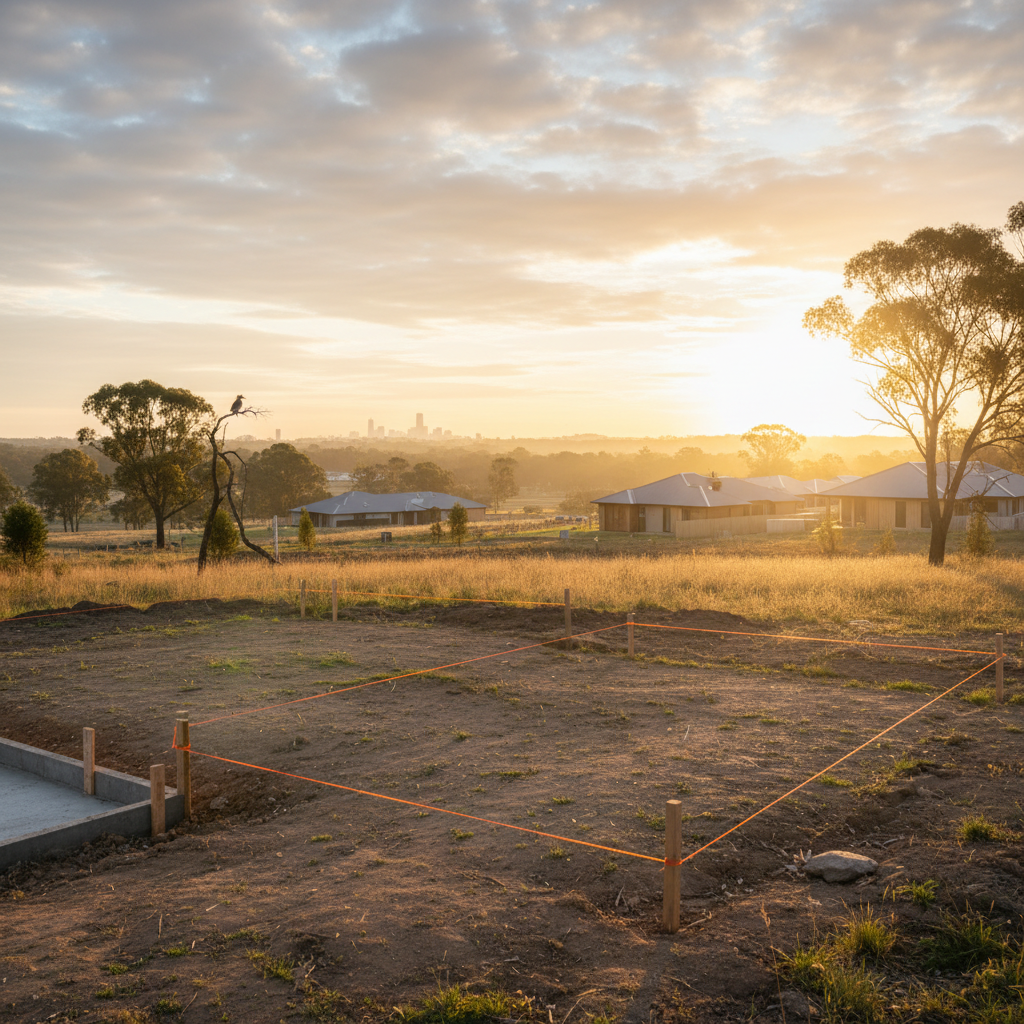
- The slab is everything. If your concrete isn't square and level, your steel frames will let you know about it pretty quickly. Spend the extra time getting that sub-floor perfect.
- Don't skimp on insulation. Regional Australia gets freezing in winter and like an oven in summer. Since kits usually include the insulation, make sure you're getting the right R-values for your climate zone as per the NCC Volume 2.
Design for the Australian Sun
One mistake I see constantly is people picking a design that belongs in a posh Melbourne suburb and plopping it in the middle of a paddock in Western NSW. That doesn't work. You need eaves. You want cross-ventilation. When we design these kits, we use wide verandahs for a reason. They keep the sun off the glass. They give you a place to sit with a beer when the rain is coming down sideways. Most tree-changers want that classic Australian look anyway, so the steel roofing and cladding really fit that aesthetic. It looks right in the landscape. And let's be honest, corrugated iron just sounds better when it rains.
The Tech Side: Why Steel Makes Sense
I mentioned termites, but there's more to it. Steel frames are light. If you're building on stumps because your block has a bit of a slope, managing those frames is much easier for a small crew. You aren't breaking your back lifting heavy timber beams. Also, everything is pre-drilled for your services. The sparky will love you because he can pull his cables through the grommets without having to drill a thousand holes. It speeds up the whole process. We're talking about AS 4100 standards here. This stuff is engineered to last longer than we will. For someone moving to a regional area where maintenance is a pain, having a frame that won't warp, twist, or rot is a massive weight off the shoulders.
Planning Your Kit Home Project
So, how do you actually start? First, you need land. Don't buy a kit and then look for a block. That's backwards. Once you've got the site, get a soil test. This determines your footing design. Only then should you start looking at floor plans. You'll need to submit your plans to council for a DA (Development Application) or a CC (Construction Certificate) depending on where you are. Some blokes reckon they can skip this step if they're far enough out. Don't. Council will find you, and they will make your life miserable. Do it by the book. Get your owner-builder license, book your trades in advance, and make sure you've got a dry place to store your materials when they show up. A shipping container is usually the best investment you'll make during the build.
The Lifestyle Payoff
I remember a couple who moved from a cramped apartment in Parramatta to a five-acre lot near Mudgee. They chose a simple four-bedroom kit with a wraparound verandah. He did the project management while working his remote job, and she did a lot of the interior finishing. It took them longer than a professional crew would, sure. They had some arguments over tile colors and the plumber didn't show up for three weeks because the fishing was good. But when they finished, they had a home they actually owned. No massive mortgage hanging over them for thirty years. They could see the stars at night. That's why the kit home market is booming. It's not about being cheap. It's about being smart with your money so you can actually enjoy the life you're building. You aren't just buying a pile of steel and some roofing. You're buying your way out of the rat race. And from where I'm standing, that looks like a pretty good deal.
If you're ready to start, don't overthink it. Get your site sussed out, talk to the local council, and start looking at plans that fit how you actually want to live. Not how the bank thinks you should live. The regional dream is still alive, you just have to be willing to take the lead on the project yourself.