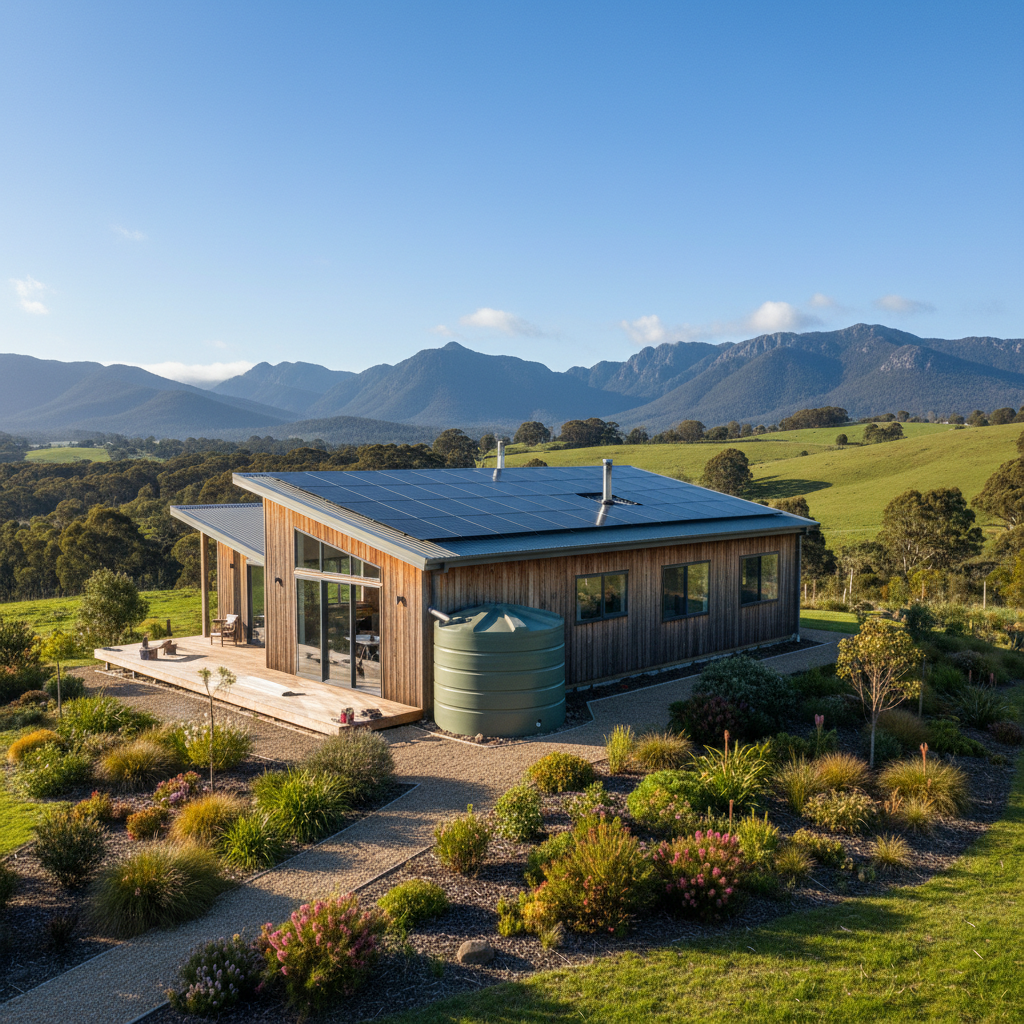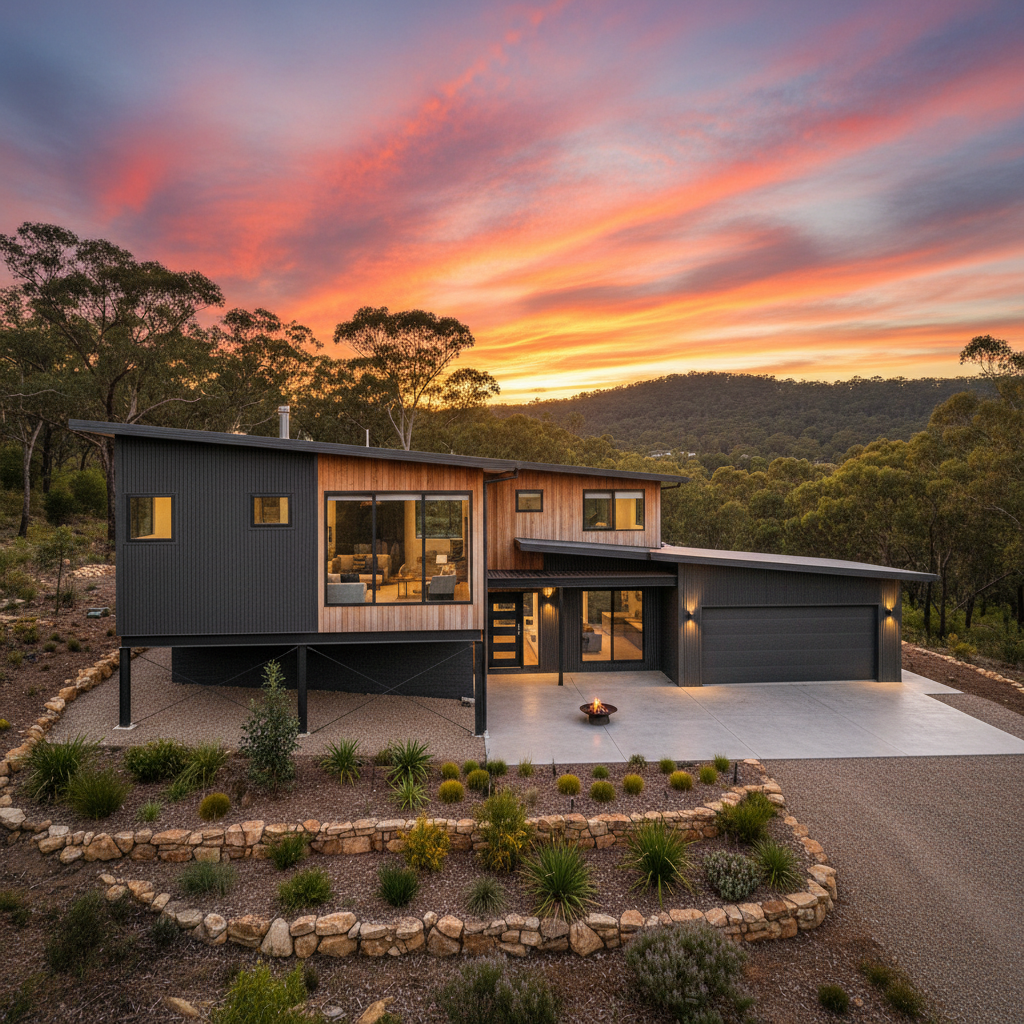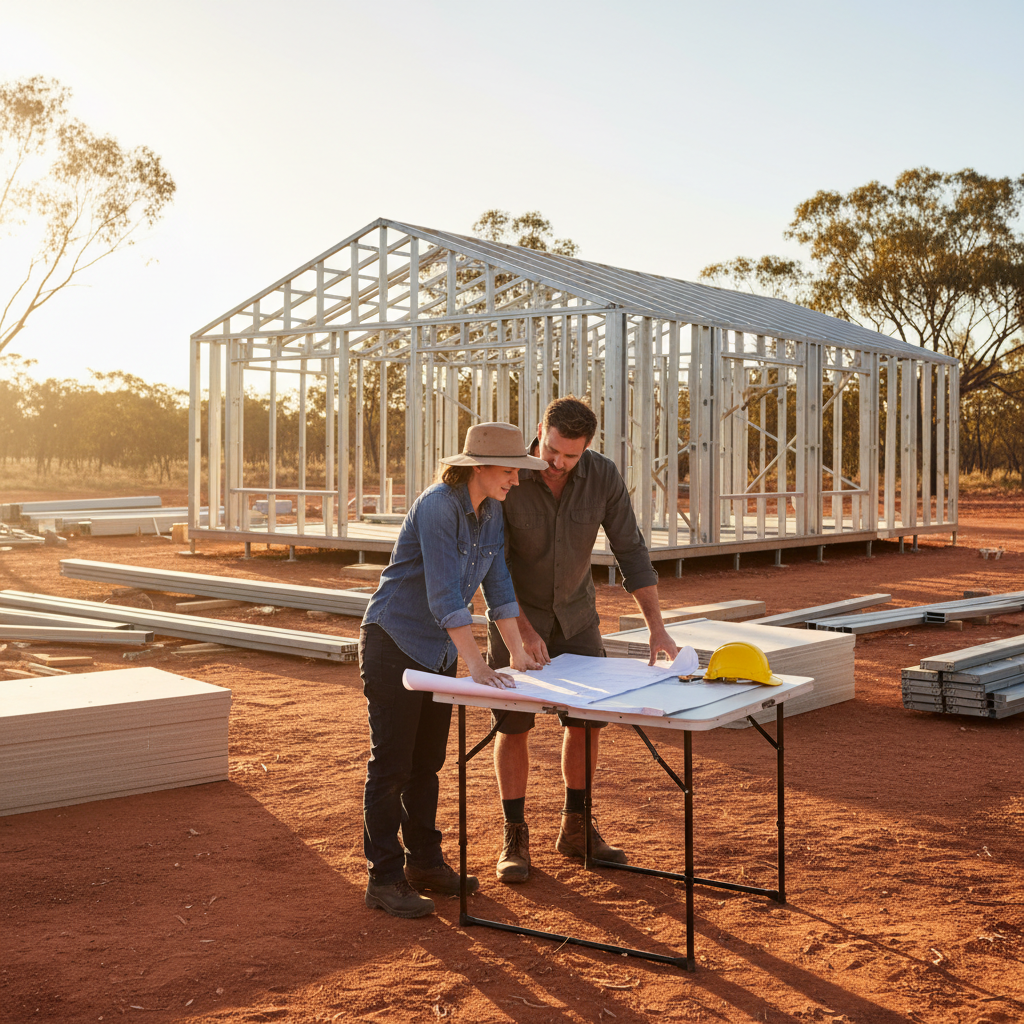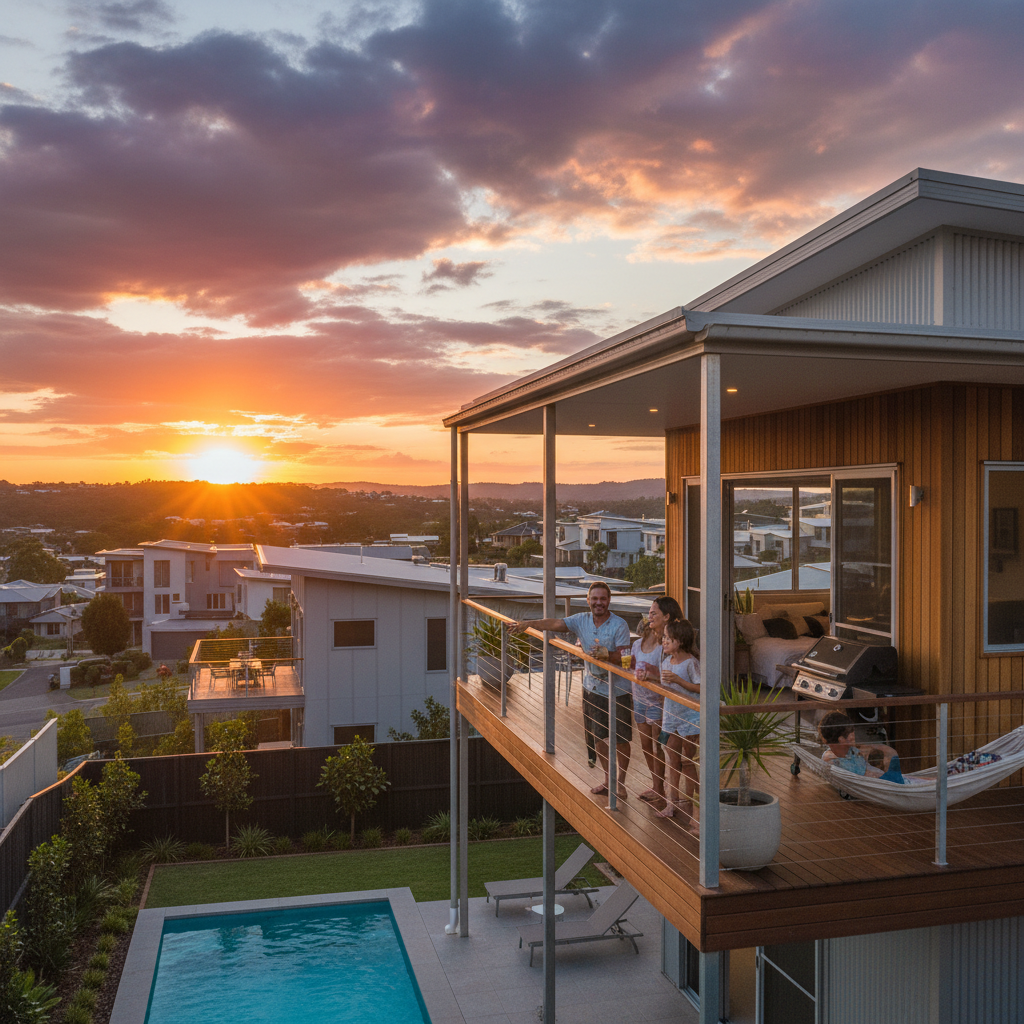
I have spent years watching owner-builders get hung up on the color of their kitchen splashbacks while completely ignoring the stuff that actually makes a house livable. You can have the flashiest bathroom in the street, but if you're sweating through your sheets in February because your roof space is sitting at 60 degrees, you've failed. Insulation is the invisible engine of your home. Get it wrong in a steel frame kit and you aren't just uncomfortable, you're literally paying the power company for the privilege of suffering.
The Truth About Thermal Bridging in Steel Frames
Steel is a champion for many things. It is dead straight, termites won't touch it, and it doesn't twist like green timber from the local yard. But it has one quirk you cannot ignore: it conducts heat. This is what we call thermal bridging. Essentially, heat uses your steel studs like a highway to bypass your batts and get inside. If it's 40 degrees in Dubbo and you have no thermal break, that heat transfers through the metal directly into your plasterboard. This is why the National Construction Code (NCC) got serious about thermal breaks a few years back.
When you're putting together a kit using BlueScope TRUECORE steel, you've got a precision-engineered skeleton. To stop that heat transfer, you need more than just fluff in the walls. You need a physical barrier between the steel frame and your external cladding. I usually recommend a 12mm thermal break strip or a high-quality breathable reflective foil with an integrated foam layer. It's a bit of a fiddle to install during the cladding phase, but it stops the frame from acting like a giant radiator.
Zoning Matters: From Cooktown to Cooma
Australia is big. Obnoxiously big. What works for a build in the humid tropics of North Queensland will fail miserably in the Snowy Mountains. If you are building in Climate Zone 1, your biggest enemy is humidity and radiant heat from the sun. You want to reflect that heat before it even hits your bulk insulation. Think reflective foils (shining side out) and massive amounts of ventilation in the roof cavity. Wind-driven roof vents are non-negotiable up north. Don't let anyone tell you otherwise.
Down south in Tasmania or the Victorian Highlands, the game flips. You're trying to trap every scrap of warmth you can. In these zones, R-values are your best friend. The 'R' stands for resistance. Higher is better. For a wall in a cold zone, don't settle for the bare minimum R2.0 batts. Push for R2.5 or R2.7 if you can squeeze them into the 90mm wall cavity without compressing them. Never squash your batts. If you squash an R2.5 batt to fit a tight spot, it actually loses its effectiveness. It's the trapped air that does the work, not the glasswool itself. Physics doesn't care about your deadlines.
Bulk Insulation vs. Reflective Barriers
I reckon this is where most DIYers get tripped up. Folks think they can just pick one. Truth is, a high-performing kit home needs both working in tandem. Bulk insulation (those itchy batts we all love to hate) stops conducted and converted heat. Reflective foil (sarking) stops radiant heat. Think of the foil like a thermos flask and the batts like a woolly jumper. You need both to survive a Boxing Day cricket match in the sun.
Plus, there's the moisture issue. Condensation in steel frames can lead to mold if you don't use the right wrap. Use a high-quality, 'breathable' or vapor-permeable membrane. This lets internal moisture escape so it doesn't turn your wall cavity into a damp mess, but it still keeps the wind and rain out. It's a balance. If you're building in a high-humidity area, talk to your supplier specifically about permeable wraps. It's worth the extra few hundred bucks.
The Forgotten Gaps: Windows and Doors
You can insulate the walls until they're two feet thick, but if you chuck in cheap, single-glazed windows with aluminum frames, you've effectively left the front door open. Heat moves to cold. It's a law of nature. In a typical kit home, the windows are the weakest link in your thermal envelope. If you're building in any zone south of Brisbane, look into double glazing. If the budget won't stretch to that, at least look at thermally broken aluminum frames or uPVC options.
And then there's the air leakage. I've seen owner-builders do a stellar job with the glasswool batts, then leave massive gaps around the window reveals or where the plumbing comes through the bottom plate. Get a few cans of expanding foam. Go for the low-expansion stuff so you don't bow your window frames out. Seal every single hole. If air can move, heat moves with it. It's tedious work on a Saturday arvo when you'd rather be at the pub, but your heating bill will thank you for years.
The Roof Space: Where the Battle is Won
The sun beats down on your Colorbond roof all day. That metal gets hot enough to fry an egg. Without proper insulation, that heat soaks into your ceiling plaster and radiates down onto your head. Most kits come with an R-value specified for the ceiling, but I always tell people to go higher. If the plan says R4.0, see if you can fit R5.0 or even R6.0. It's the cheapest upgrade you'll ever make.
Don't forget the perimeter. Make sure your ceiling batts go all the way to the top plate of the wall, but leave a small gap for airflow under the roofing iron. If you block the ventilation, you'll end up with condensation problems under the tin. It's a fine line. Also, make sure your electricians know where the batts are. I've seen sparkies toss insulation aside to install downlights and never put it back. That one-foot gap where the batt was moved creates a 'thermal chimney' that sucks the heat out of your room in winter.
Practical Tips for the Owner-Builder
- Wear the gear. Long sleeves, a mask, and gloves. I don't care how hot it is, glasswool in your pores is a special kind of misery that lasts for days.
- Check your 'as-built' match against your BASIX or energy rating certificate. If your certifier says you need R2.5, don't try to sneak in R1.5 to save a few pennies. You'll get caught at the final inspection and it's a nightmare to fix.
- Install your wall batts before the internal plumbing and electrical are finalised if you can, but wait until the roof is on. Wet batts are useless and have to be binned.
- Keep an eye on the noggins. In steel frames, there are plenty of small pockets where batts won't naturally sit. You'll have to cut and shut your insulation to fill every single void.
Building your own place is a massive undertaking, and it's easy to get distracted by the fancy stuff you can see. But the comfort of your home is decided long before you pick out paint colors. It's decided when you're standing in a frame with a utility knife, making sure there's not a single gap in that thermal barrier. Do it once, do it right, and you'll have a house that stays cool while the rest of the street is cranking their aircon to the max.