The bathroom isn't just a place to wash your face
I've seen too many owner-builders treat the bathroom like an afterthought. They spend six months arguing over the kitchen island bench but then decide on their bathroom layout in ten minutes while standing in a queue at the local hardware store. That's a massive mistake. When you're building a kit home, you've got this incredible chance to get the wet areas right from the jump, before the first piece of BlueScope steel even hits the site. A bad bathroom layout will irritate you every single morning for twenty years. A good one? It makes the whole house feel like a sanctuary.
Right now, Australian housing is shifting. People are moving away from that clinical, hospital-grade look. We want texture. We want warmth. And because we're usually the ones doing the cleaning, we want stuff that doesn't show every water spot and stray hair. If you're planning your floor plan, you need to think about how the light hits the vanity at 7am and where you're going to stash those massive Costco-sized toilet paper packs. These aren't just 'design' choices. They're survival choices for a functional home.
The rise of the wet room and why it works
The biggest trend blowing up across New South Wales and Queensland right now is the open wet room. Instead of a tiny plastic shower cubicle shoved in a corner, you're tiling the whole back half of the room. You put the freestanding tub and the shower behind one big glass pane. It's smart. It makes a small footprint look double the size because your eyes don't stop at a shower base. Plus, for an owner-builder, it simplifies your fall-to-waste ratios if you've got a good tiler who knows how to handle a large format screed.
But here is the catch. You've got to be obsessive about waterproofing. I reckon 90% of the renovation headaches I've seen in thirty-year-old homes come back to poor waterproofing in the main bathroom. If you're building a kit home with a steel frame, you've got a huge advantage because that frame isn't going to warp or twist like green timber might, which means less stress on your waterproof membrane. Still, don't skimp. Use a licensed professional for the membrane even if you're doing the rest of the fit-out yourself. The peace of mind is worth every cent when you're standing under a high-pressure rainfall head.
Natural light vs privacy
We are seeing a move toward high clerestory windows. Think about those long, skinny windows tucked way up near the ceiling. They let the steam out and the light in without giving the neighbours a free show. If you're building out in the bush or on an acreage block, maybe you can go for a floor-to-ceiling glass panel looking out into a private courtyard. It's a vibe. But if you're on a suburban block in Western Sydney, stick to the high windows. Heat rises, so if those windows are functional, you'll actually keep the room cooler in summer too.
Materials that actually last in the Aussie climate
Let's talk about finishes. Chrome is okay, but it shows every fingerprint. Brushed nickel and gunmetal are the heroes right now. They've got a bit of grit to them. They look solid. When you're picking your kit, you'll get the frames, the external cladding, and the roofing, but the interior soul is up to you. I always tell people to look at stone-look porcelain tiles over real marble. Real marble is a nightmare. It's porous, it stains if you drop your toothpaste, and it's heavy as lead. Porcelain is tough. It'll survive your kids dropping heavy shampoo bottles and it's a breeze to mop.
Another thing? Timber accents. Because kit homes are high-performance machines with steel skeletons, adding a spotted gum vanity or some timber shelving brings that organic balance. It softens the edges. It makes the space feel less like a showroom and more like a home. Just make sure it's properly sealed. The humidity in a small bathroom will wreck cheap MDF vanities in three years flat. Go for solid timber or high-quality marine ply if you can swing it.
Owner-builder tips for the plumbing stage
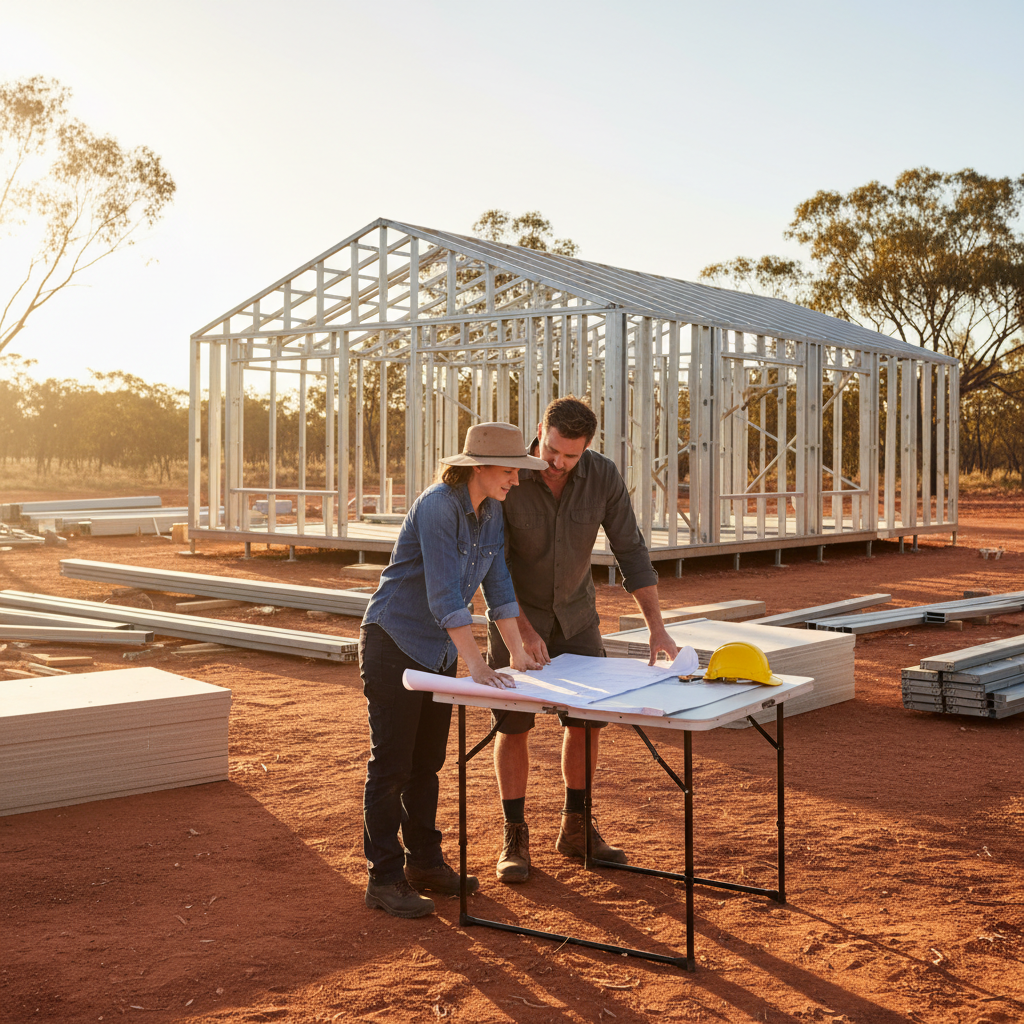
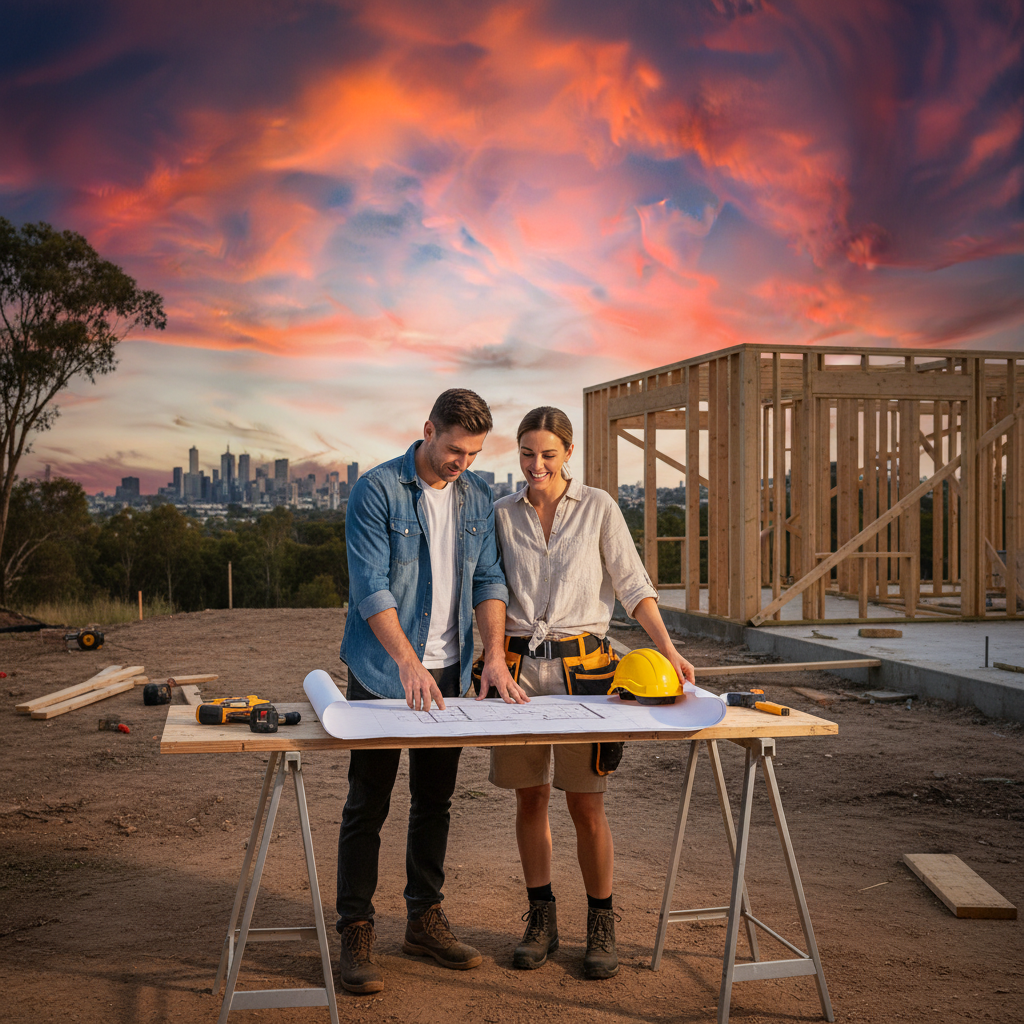
If you're managing this build yourself, you've got to be on top of your rough-in. Before the internal wall linings go on your steel frames, you need to know exactly where your taps are going. Are they coming out of the wall or the hob? If you change your mind later, it's an expensive fix.
- Mark your stud locations on the floor with a permanent marker before the wall sheets go up.
- Take photos of every single pipe and wire in the wall. Every. Single. One.
- Ensure your nogging is in the right place for your towel rails. There's nothing worse than trying to screw a heavy rail into thin plasterboard because you missed the frame.
- Check your floor waste position three times. It needs to be the lowest point, obviously, but visually, it should align with your tile grid if you're a perfectionist.
So many people forget about ventilation. A single cheap fan in the middle of the ceiling isn't enough for a modern ensuite. You want something high-capacity that vents directly outside, not just into the roof space. Since your kit home comes with high-quality insulation, you're building a fairly airtight box. That's great for energy bills, but it's bad for moisture if you don't get that steam out fast. Mould is the enemy. Don't let it win.
The 'Handover' mindset
When you're the owner-builder, you're the boss. That means you've got to inspect the work like a grumpy site foreman. Check the levels on your vanity top. Make sure the hot and cold aren't swapped on the shower mixer (it happens more than you'd think). Open and close the bathroom door to make sure it doesn't clip the edge of the toilet suite. These small clearances are what separate a professional-feeling home from a DIY hack job. In a kit home, everything is precise. The steel frames are straight as an arrow, so your finishings should be too. No excuses for wonky tiles when the walls are perfectly plumb.
Storage is the secret to a happy life
Recessed shaving cabinets are the go. Instead of a mirror sticking out 150mm from the wall, you build the cabinet into the wall cavity. Because you're working with steel studs, you've got a consistent depth to work with. It looks sleek, it's modern, and it hides all the clutter. I'm also a big fan of the 'niche' in the shower. Toss those rusted wire hanging racks in the bin. A tiled-in niche for your soap and shampoo looks 100 times better. Just ensure it's got a slight fall so water doesn't pool in the corners.
Think about the laundry too. If you're building a smaller kit home, maybe a European laundry tucked behind folding doors in or near the bathroom is the way to go. It saves space and keeps all your plumbing in one wet zone. It's efficient. It makes sense for the way we live now. We aren't all doing massive loads of washing every single day; sometimes a compact setup is all you need to keep the rest of the house feeling open and airy.
At the end of the day, your bathroom needs to reflect you. Not a magazine, not your mother-in-law, not the bloke down the street. If you want a bright orange basin because it makes you smile when you brush your teeth, do it. But build it on a foundation of solid plumbing and smart layout. That's the real secret to a kit home that holds its value and stays a joy to live in. Get the bones right, keep the water where it belongs, and the rest is just the fun stuff.