The Ultimate Guide to Staying Organized During Your Owner Builder Journey
Stepping into the world of owner building is an exhilarating decision. There is a unique sense of pride that comes with site managing your own home, overseeing the transformation from a vacant block of land to a finished residence. In the Australian landscape, kit homes have become a go-to solution for those who want to be hands-on without the stress of designing every structural component from scratch. Using high-quality steel frames made from BlueScope TRUECORE steel provides a solid foundation, but the real magic happens in how you manage the process.
However, the difference between a smooth build and a chaotic one usually comes down to one thing: organization. As an owner builder, you are the project manager, the site supervisor, and the primary point of contact for every trade. This guide explores how to keep your kit home project on track, ensuring you stay ahead of the game and enjoy the process of creating your Australian dream home.
Setting Up Your Owner Builder Command Centre
Before the first delivery truck arrives on site, you need a system. Treat your owner builder project like a small business. You wouldn't run a business out of your glove box, and you shouldn't run a build that way either. Whether you prefer a physical folder or a digital project management app, you need a centralized location for every document, permit, and contact detail.
The Physical Site Folder
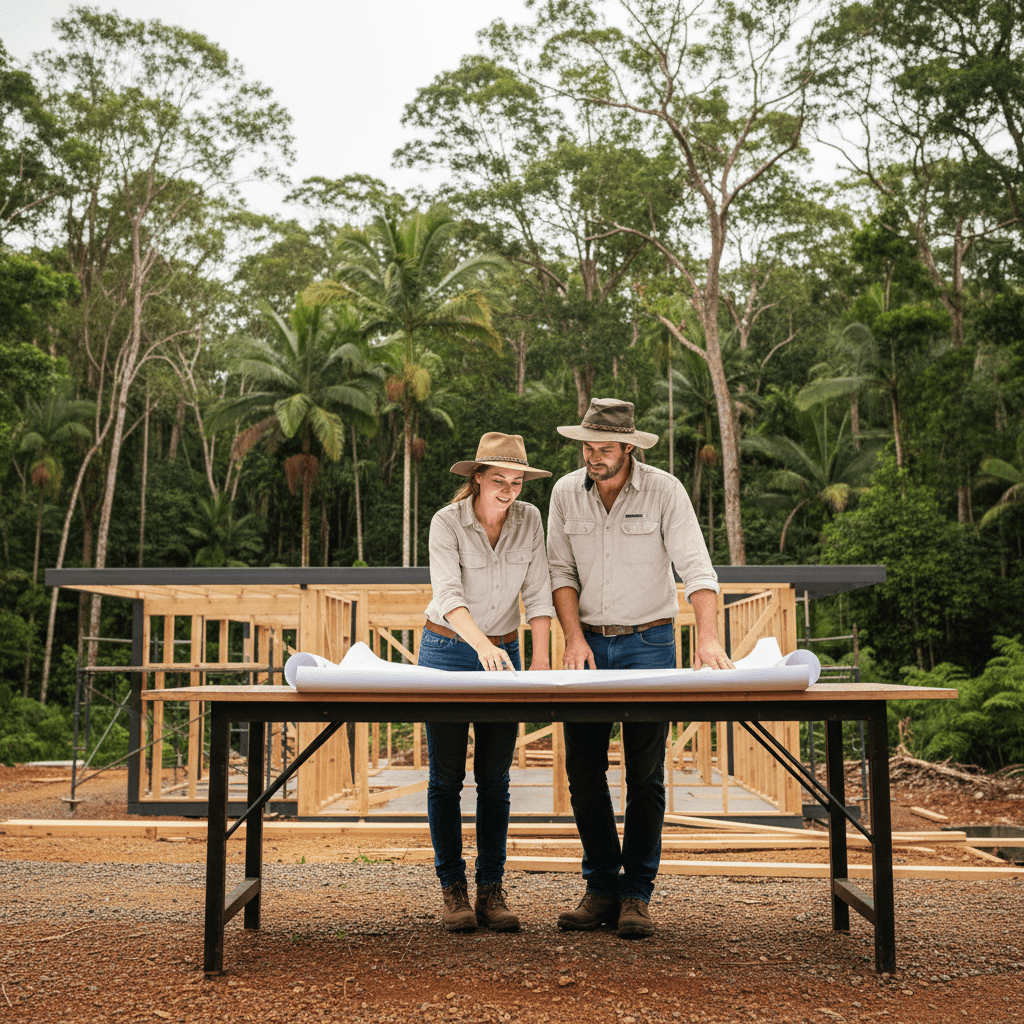
Even in a digital age, having a sturdy, weatherproof folder on site is essential. This should contain your council-approved plans, engineering specifications, and your owner builder permit. When a building surveyor or a plumber arrives and needs to check a measurement, you don't want to be scrolling through emails on a cracked phone screen in the middle of a paddock. Use plastic sleeves to protect documents from the inevitable dust and rain of an Australian building site.
The Digital Schedule
While the kit frames and cladding arrive as a package, the sequence of events depends on you. Create a master timeline. Start from your slab pour and work forward. Be realistic about lead times. In the current Australian construction climate, getting a tiler or an electrician on short notice can be difficult. Mapping out your milestones at least three months in advance allows you to book trades early.
Managing Deliveries and Site Logistics
When you order a kit home, you receive a significant amount of material. This typically includes the steel frames, trusses, roofing, cladding, and windows. Managing the logistics of these deliveries is a major part of staying organized. A cluttered site is a dangerous and inefficient site.
Designate Your Zones
Before the kit arrives, divide your site into zones. You need a clear area for the slab, a dedicated space for the delivery truck to unload, and a secure storage area for materials that need protection. Steel frames are incredibly durable, but you still want them organized in a way that allows you to access the pieces in the order they are needed. There is nothing more frustrating than having your wall frames buried under a pile of roof sheets.
Inventory Control
As soon as a delivery arrives, check it against the packing slip. It is much easier to address a missing component while the delivery driver is still there or within the first 24 hours than it is three weeks later when you are halfway through a wall installation. Tick off every bundle of BlueScope steel, every box of fasteners, and every window unit. Staying organized here prevents costly delays later in the build.
Effective Trade Coordination
As an owner builder, you aren't just building a house, you are managing a team. Your ability to communicate clearly with trades like plumbers, electricians, and slab layers will determine the pace of your project. Kit homes are designed for efficiency, but that efficiency is lost if your trades are tripping over each other.
The Power of the Site Diary
Keep a daily log of what happens on site. Use it to record which trades showed up, what work was completed, and any conversations you had regarding changes or requirements. If a plumber mentions they need a specific cavity widened for a stack pipe, write it down immediately. This diary acts as your memory and your paper trail if disputes ever arise.
Clear Communication Channels
Avoid giving instructions via casual phone calls alone. If you make a decision about the placement of an outdoor power point or a tap, follow it up with a text or email. This gives both you and the contractor a clear reference point. Remember, most trades are working on multiple sites, so being the most organized owner builder they deal with will often make them more likely to prioritize your job.
Understanding the Flow of a Kit Home Build
One of the benefits of choosing a kit home with steel frames is the precision of the components. Because the frames are engineered to exact specifications, they go together with a level of accuracy that traditional timber often lacks. However, you still need to understand the logical flow of construction to keep the site organized.
- Preparation: Site leveling, plumbing rough-in, and slab pour.
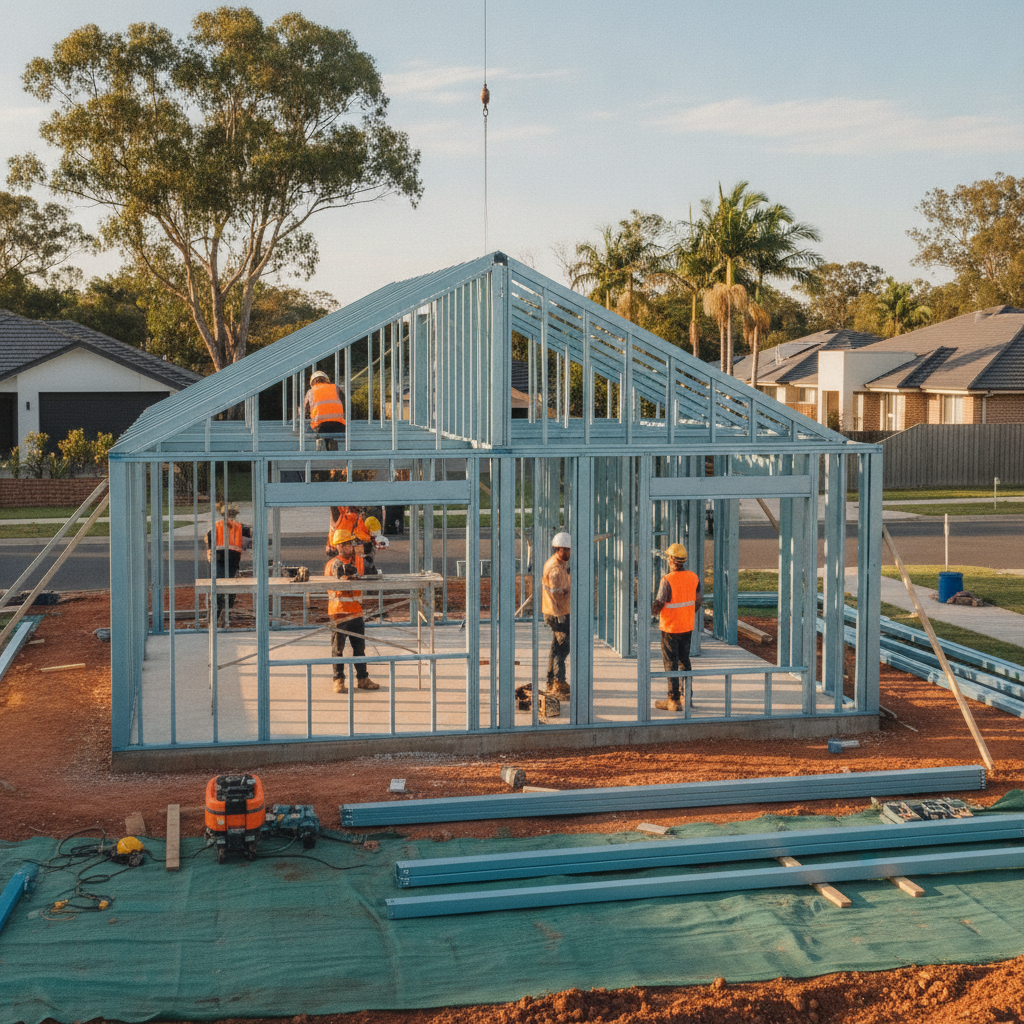
- The Shell: Standing the steel frames and trusses. This is the stage where the house truly takes shape.
- Lock-up: Installing windows, doors, roofing, and cladding. Once this is done, your interior is protected from the elements.
- Internal Works: Electrical and plumbing fit-out, insulation, and plastering.
- Finishing: Kitchen installation, tiling, painting, and floor coverings.
By focusing on one stage at a time while keeping an eye on the requirements for the next, you prevent yourself from becoming overwhelmed. For example, while the frames are going up, you should already be confirming the delivery date for your insulation and plasterboard.
Practical Tips for the Owner Builder
Australian conditions can be harsh, and building your own home requires stamina. Here are some practical tips to keep your sanity while you manage the project:
- Clean as you go: Dedicate the last 30 minutes of every day on site to cleaning up. A tidy site is safer and makes it easier to start fresh the next morning.
- Tool Management: If you are doing some of the assembly yourself, invest in quality tools. Keep them organized in a lockable on-site container or a dedicated trailer.
- Weather Watching: Get a reliable weather app. Australian storms can roll in quickly. Know when you need to secure loose materials or cover exposed interior areas.
- Consult the Manuals: Kit homes come with specific assembly instructions. Read them twice before you start. Understanding the manufacturer's intent will save you from having to do things twice.
The Reward of Organization
At the end of the day, being an owner builder is about more than just saving money or having control over the build. It is about the deep satisfaction of knowing your home inside and out. When you stand in your completed living room, looking at the walls you helped raise and the roof you saw installed, you will realize that every spreadsheet, every site diary entry, and every organized delivery was worth the effort.
By staying organized, you move from being a stressed spectator to a confident project manager. Australian kit homes provide the framework for a beautiful, durable life, but it is your organization and dedication that turns those materials into a home. Embrace the process, take it one step at a time, and enjoy the journey of building your own future.