The Owner Builder Challenge: Coordination is Key
There is a unique sense of pride that comes with standing in the middle of a home you helped bring to life. For many Australians, the owner builder path is the most rewarding way to secure a high quality, custom home. However, transitioning from a dreamer to a project manager requires a significant shift in mindset. When you choose a kit home, you are taking the reins of a complex operation that involves logistics, timing, and technical precision.
Organization is not just a nice to have skill in the world of construction, it is your primary tool for success. Unlike a traditional turnkey build where a head contractor manages every moving part, the owner builder is the central hub. You are the point of contact for council, the coordinator for trades, and the person responsible for ensuring every component of your steel frame kit is ready to go when it is needed. This guide explores how to stay organized so your build remains a joy rather than a burden.
Establishing Your Command Centre
Before the first delivery truck arrives on site, you need a system to manage the paperwork. An owner builder project generates a mountain of documentation, including council approvals, engineering plans, White Card certifications, and insurance policies. Whether you prefer a physical lever arch folder or a cloud based digital system, everything must have a logical place.
Digital tools like Trello, Asana, or simple spreadsheets are fantastic for tracking the timeline. Divide your project into phases: pre-construction, site works, the kit delivery, lock-up, and internal fit-out. By breaking the build down into these manageable chunks, the overall project feels much less intimidating. Ensure your site plans and steel frame layouts are easily accessible, as your plumber and electrician will need to reference them constantly during the early stages.
Managing the Arrival of Your Steel Frame Kit
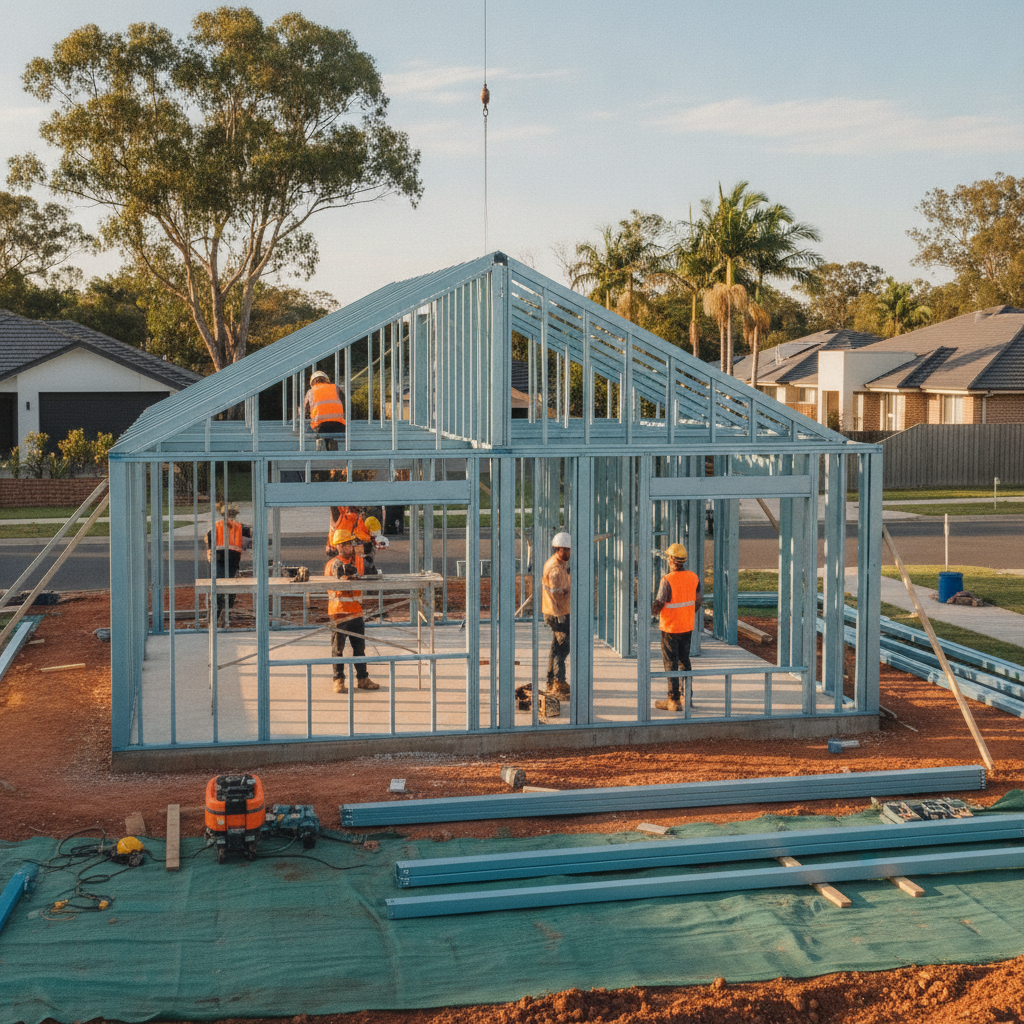
One of the most exciting days of the journey is the delivery of your kit. Because these homes use BlueScope TRUECORE steel, the frames arrive straight, true, and ready to be stood up. However, a site that is not prepared for delivery can quickly become chaotic. Organization here starts with the layout of your block.
Designate a specific, flat area for the delivery of your frames, roofing, and cladding. Steel frames are remarkably durable and resistant to termites, but they still need to be stored correctly to prevent damage or tripping hazards. Make sure you have clear access for the delivery truck and that you have a plan for checking off the inventory as it arrives. Knowing exactly where your insulation batts, windows, and doors are stored will save you hours of searching later in the build.
The Art of Trade Scheduling
The biggest hurdle for most owner builders is the 'trade dance'. Since you are providing the kit materials, such as the steel frames and cladding, your subcontractors are primarily providing their expertise and labor. This requires clear communication and proactive scheduling. A good rule of thumb is to look at least four to six weeks ahead at all times.
If you know your slab is being poured next Tuesday, you should already have your frame assembly team booked for the following week. Do not wait until the frames are standing to call your plumber for the rough-in. By keeping a master calendar and touching base with your trades regularly, you can avoid the costly downtime that occurs when one trade is waiting on another. Remember, a clean and organized site is a signal to your trades that you are a professional owner builder, which often results in better quality work and more reliable service.
Leveraging the Precision of Steel
One of the reasons steel frame construction is so popular among Australian owner builders is the inherent organization of the material itself. Unlike traditional timber, which may require on site cutting and adjustment, steel frames are precision engineered. Each piece is designed to fit perfectly, which simplifies the assembly process significantly.
As you manage the build, lean into this precision. The pre-punched holes in the steel frames for electrical and plumbing services make the 'rough-in' stage much more orderly. It eliminates the guesswork and reduces the mess on site. When you stay organized with your frames, the rest of the build, from the insulation to the internal linings, tends to follow a much straighter path. It is about working smarter, not harder.
Site Safety and Cleanliness
It sounds simple, but a clean site is an organized site. As an owner builder, you are legally responsible for site safety. Excess offcuts, packaging from your windows, and stray pallets can quickly become hazards. Establish a routine where the site is tidied at the end of every single day.
Keep a dedicated area for waste and recycling. If you are organized with your waste management, you will find it much easier to move materials around and provide a safe workspace for your trades. This discipline also helps you keep track of your materials. It is much easier to notice if you are short on a specific flashing or fixing if the site isn't cluttered with debris.
The Importance of a Daily Log
In the thick of the build, days can often blur together. Keeping a simple daily log or diary is a game changer for staying organized. Note down which trades were on site, what milestones were reached, and any conversations you had regarding changes or requirements. Take plenty of photos before the walls are lined, specifically of where the plumbing and electrical lines run through the steel frames. These photos are an invaluable resource for the future and act as a digital map of your home's skeleton.
Staying Flexible Within Your Structure
Even the most organized owner builder will face challenges. Weather delays, supply chain hiccups, or a sick subcontractor are all part of the process. The key to staying organized is not just having a rigid plan, but having the ability to pivot. Because you are using a kit home system, you already have a structured framework to work within. If the roofing plumber is delayed by rain, use that time to organize your internal fit-out materials or finalize your kitchen design.
Final Thoughts: Your Journey, Your Home
Building your own home is an incredible achievement that requires a unique blend of grit and administrative prowess. By focusing on clear communication, disciplined scheduling, and the smart use of high quality materials like steel frames, you can navigate the owner builder journey with confidence. The kits provide the components, but your organization provides the momentum. Take it one step at a time, keep your paperwork in order, and enjoy the process of watching your Australian dream take shape from the ground up.