Taking the Reins of Your Kit Home Build
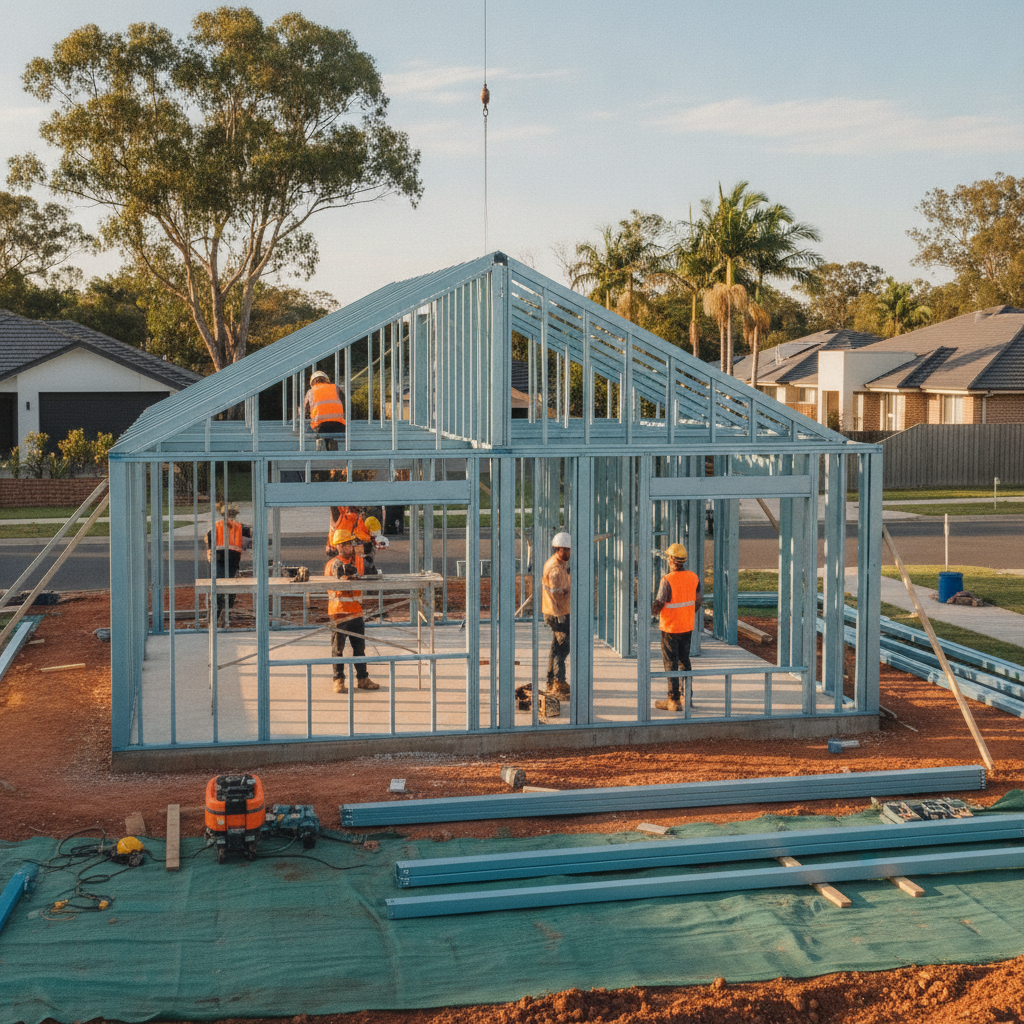
There is a unique sense of pride that comes with being an owner builder in Australia. You are not just building a house, you are orchestrating a complex symphony of logistics, site management, and skilled labor. When you choose a kit home, you have already made a smart move by securing the skeletons and shells of your home, typically including BlueScope Steel frames, roofing, and cladding. However, once that delivery truck arrives at your gate, the success of the project rests largely on how well you can talk the talk with the people who will help you put it together.
Effective communication is the hidden tool in your belt. It is the difference between a project that flows smoothly and one that is bogged down by delays, mistakes, and frustration. Whether you are dealing with a local plumber or the supplier providing your windows, clear and respectful dialogue ensures everyone is on the same page. Let us dive into the best ways to manage these relationships from an owner builder perspective.
Establishing Authority and Respect on Site
One of the biggest hurdles for first-time owner builders is establishing a professional relationship with tradespeople. Plumbers, electricians, and carpenters often have decades of experience, and if you come across as unsure or unorganized, it can lead to friction. You do not need to be an expert in every trade, but you do need to be an expert on your own project.
Do Your Homework First
Before you even call a trade for a quote, know your plans inside out. Understand where your wet areas are, where your light switches should go, and how your kit home is structured. When you speak to a concreter about your slab, being able to reference the exact dimensions and engineering requirements from your kit home documentation shows that you are prepared. This preparation signals to the trade that you are a serious project manager, not just a hobbyist.
Speak the Language
While you do not need to learn every bit of industry jargon, knowing the basics goes a long way. Understand the difference between a rough-in and a fit-out. Know what a rebate is and why your steel frames require specific fasteners. When you use the right terminology, it reduces the chance of a misunderstanding. If a trade explains something you do not understand, do not be afraid to ask for a plain English explanation. It is better to look like a learner for five minutes than to have a wall built in the wrong place for a lifetime.
Managing Your Suppliers with Precision
Your kit home supplier provides the bones of the structure, often including TRUECORE steel frames, insulation, and external doors. Beyond this, you will be dealing with various other suppliers for everything from tiles to tapware. Managing these relationships is about logistics and lead times.
The Art of Lead Times
In the Australian building industry, timing is everything. You cannot call a supplier on Monday and expect a delivery on Tuesday. Ask every supplier for their current lead times and then add a week of buffer. If your kit home delivery is scheduled for a specific date, ensure your site is cleared and ready for the truck. Communicate clearly with the delivery driver about site access, overhead power lines, and where the materials should be dropped to minimize double handling.
Quality Control on Arrival
When supplies arrive on site, your job is to check the manifest immediately. Do not wait three weeks until the carpenter is ready to install the windows to realize one is cracked or missing. Check the cladding for dents and ensure the steel frames match your engineering drawings. If there is an issue, document it with photos and contact the supplier right away. Prompt communication makes it much easier for suppliers to rectify errors without stalling your build.
Tips for Productive Conversations with Trades
Building a kit home means you are the site manager. You are the bridge between the different trades. If the plumber and the sparky are not talking to each other, you might find a pipe right where a power point needs to be.
The Morning Site Meeting
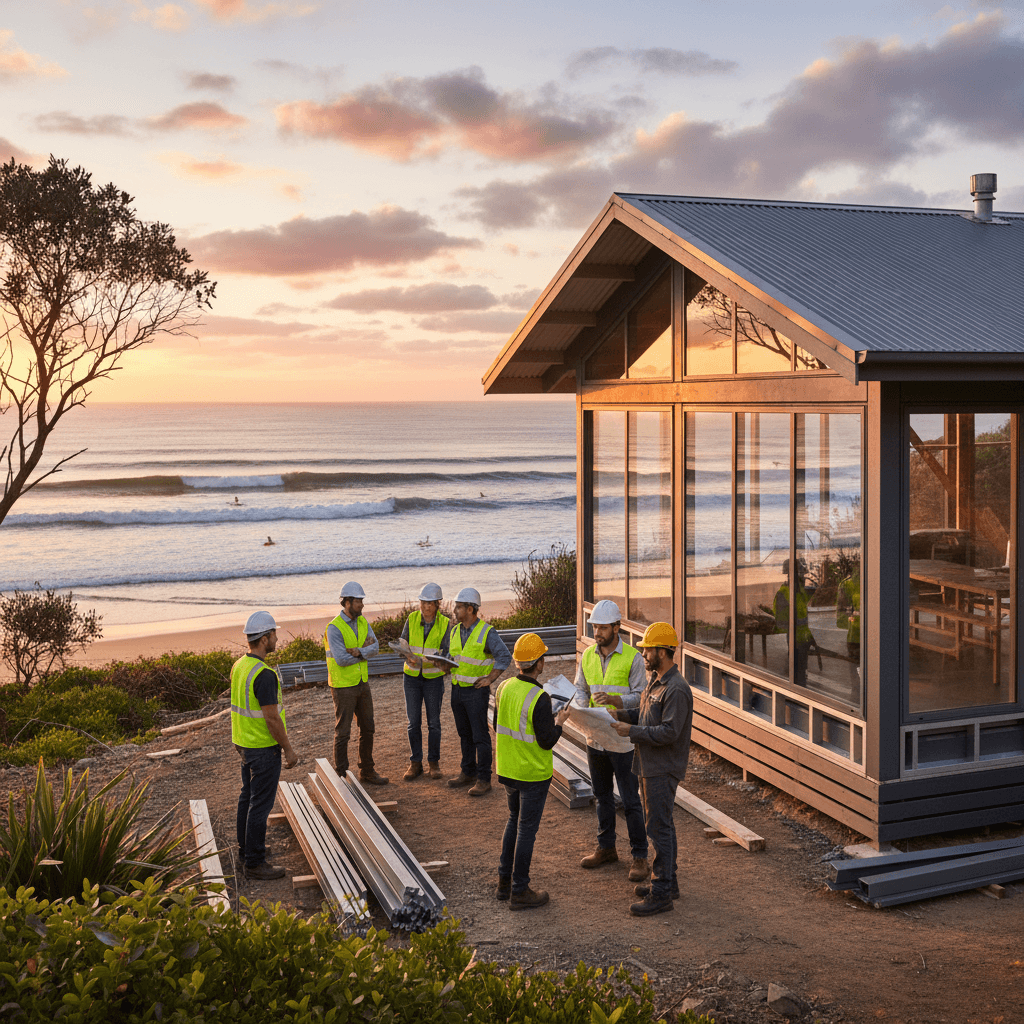
If you have multiple trades on site, a quick five minute toolbox talk in the morning is invaluable. Discuss what everyone plans to achieve for the day and identify any potential overlap. This is your chance to mention that the kit home steel frames have pre-punched holes for services, which can save your electrician a lot of time and drilling.
Be Clear About Deadlines
Be realistic but firm about schedules. Instead of saying, "Finish this whenever you can," say, "I need the roof on by Friday so the internal fit-out can start on Monday." This gives the trade a clear goal and helps them manage their own workload. If they are running behind, ask for an honest update so you can reschedule follow-up trades accordingly.
Documentation: Your Paper Trail for Success
In the world of construction, if it is not in writing, it did not happen. Verbal agreements over the fence are common, but they are also the primary cause of disputes.
Confirm via Email
After a phone call or a site visit with a trade, send a quick follow-up email or text. "Hi John, just confirming what we discussed on site: you will be installing the insulation we received in the kit and the internal doors will be hung by Thursday afternoon. Let me know if that is not your understanding." This creates a timestamped record that can be referred back to if things go off track.
Keep a Site Diary
Maintain a daily log of who was on site, what work was performed, and what the weather conditions were. This is particularly helpful for owner builders when tracking progress against their overall timeline. Note down any specific instructions you gave to trades or any issues they raised with the kit home components.
Common Pitfalls to Avoid
Even the most organized owner builder can run into trouble. Here are a few things to avoid:
- Micromanaging: While you are the boss, you hired trades for their expertise. Let them do their jobs. Provide the direction and the materials, then step back and let them work.
- Scope Creep: Changing your mind halfway through a task is the fastest way to annoy a trade and add significant delays. Stick to your plan as much as possible.
- Poor Site Conditions: A messy, unsafe site is a sign of a disorganized owner builder. Keep the site clean and ensure there is clear access to power and water for your workers.
The Importance of Professionalism and Manners
It sounds simple, but being a decent person goes a long way. The Australian building industry is small, and reputations matter. Paying your trades promptly, providing a clean site, and even offering a cold drink on a hot day can build immense goodwill. When a trade enjoys working on your site, they are more likely to go the extra mile for you when you need a favor or an urgent fix.
Conclusion
Stepping into the role of an owner builder for your kit home is a journey of growth and learning. By focusing on clear, proactive communication, you transform from a spectator into a leader. Remember that your trades and suppliers are your partners in this project. When you treat them with respect, provide clear instructions, and stay organized, you create an environment where high quality work can flourish. Your steel frame kit home is the foundation, but your project management skills are what will turn those materials into a beautiful, lasting Australian home. Keep talking, keep documenting, and enjoy the process of bringing your vision to life.