The New Australian Dream: One Roof, Many Generations
There is a beautiful shift happening across the Australian landscape. The traditional nuclear family model is evolving, and in its place, we are seeing the rise of multi-generational living. Whether it is young adults staying home longer to save for their first property, or grandparents wanting to be closer to their grandkids while maintaining independence, the 'big house' is back in a very meaningful way.
Building a home that accommodates different ages and stages of life requires more than just extra bedrooms. It requires a thoughtful approach to design, privacy, and movement. For the Australian owner-builder, kit homes offer a unique level of flexibility to create these bespoke sanctuaries without the constraints of a standard cookie-cutter developer layout. By focusing on smart design and high quality materials, you can create a space that fosters connection while respecting everyone's need for a quiet retreat.
Defining Your Multi-Generational Layout
The secret to successful multi-generational living lies in the floor plan. When you start browsing kit home designs, look beyond the number of bathrooms and consider the 'flow' of daily life. In a home with three generations, there are three different schedules, noise levels, and sets of needs.
A popular approach in contemporary Australian design is the 'Dual Suite' model. This involves placing a master suite at one end of the home and a second, equally well-appointed guest suite or 'granny flat' wing at the other. This physical separation provides a psychological sense of independence. When everyone has their own space to retreat to, the common areas like the kitchen and alfresco deck become places of joyful gathering rather than forced interaction.
The Importance of Internal Zoning
Zoning is a term architects use to describe how different areas of a home are grouped. For a multi-generational kit home, you want to create clear 'hubs'.
- The Social Hub: This is your open-plan kitchen, dining, and living area. It should be wide, accessible, and filled with natural light.
- The Quiet Hub: A secondary lounge or a media room located away from the main kitchen. This is essential for when the teenagers want to watch a movie while the grandparents want to read in peace.
- The Utility Hub: A large, central laundry and mudroom that can handle the high volume of a big household.
Designing for All Abilities and Ages
When we design for multiple generations, we are often designing for a range of physical abilities. This is where the 'Lifestyle' element of your home truly shines. Incorporating 'Universal Design' principles ensures that your home remains comfortable for your parents as they age, and safe for toddlers just finding their feet.
Consider wider hallways and doorways, which not only feel more luxurious and airy but also accommodate walkers or wheelchairs if needed later. Stepless entries from the garage or front porch into the home make life easier for everyone, from an elderly grandparent to a parent pushing a pram. In the bathroom, look for walk-in showers with minimal lips to reduce trip hazards.
The Strength of the Skeleton: High-Quality Steel Framing
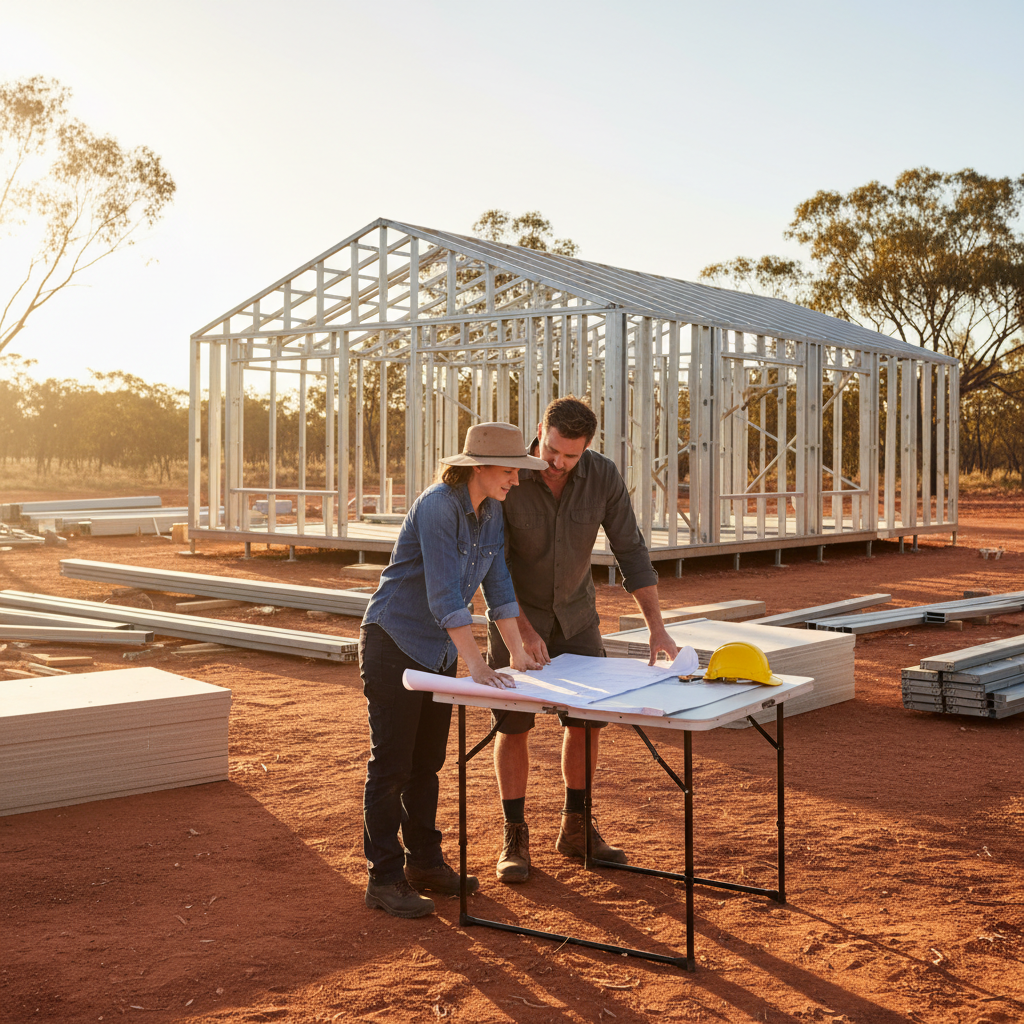
While design is about what you see, the longevity of a multi-generational home is about what sits behind the walls. Using a steel frame kit, specifically those utilizing TRUECORE steel, offers incredible benefits for this style of living. Because steel has a high strength-to-weight ratio, it allows for much larger open-plan spans. This means you can have those expansive living areas without the need for intrusive load-bearing walls that interrupt the flow of the home.
Precision is another huge factor for the owner-builder. Steel frames are manufactured to millimetre accuracy, meaning your walls are perfectly straight and your corners are square. This makes the subsequent stages, like installing cabinetry or laying large-format tiles, significantly easier. For a family home intended to last decades and house multiple branches of the family tree, the durability and termite-proof nature of a steel frame provide immense peace of mind.
Owner-Builder Tips: Navigating the Multi-Gen Project
Stepping into the world of owner-building is an empowering journey, but it requires a solid strategy. Here are some practical tips for those managing their own multi-generational kit home build:
1. Think About Soundproofing: In a busy house, noise is the enemy of harmony. When you are at the insulation stage of your kit home build, invest in high-quality acoustic batts for internal walls, especially those separating bedrooms from living areas or bathrooms. It is a small investment that pays massive dividends in lifestyle quality.
2. Future-Proof Your Tech: With more people comes more devices. Ensure your electrical plan includes plenty of power points and dedicated data points in every 'wing' of the house. Consider a mesh Wi-Fi system to ensure the signal reaches every corner of the home through those robust steel frames.
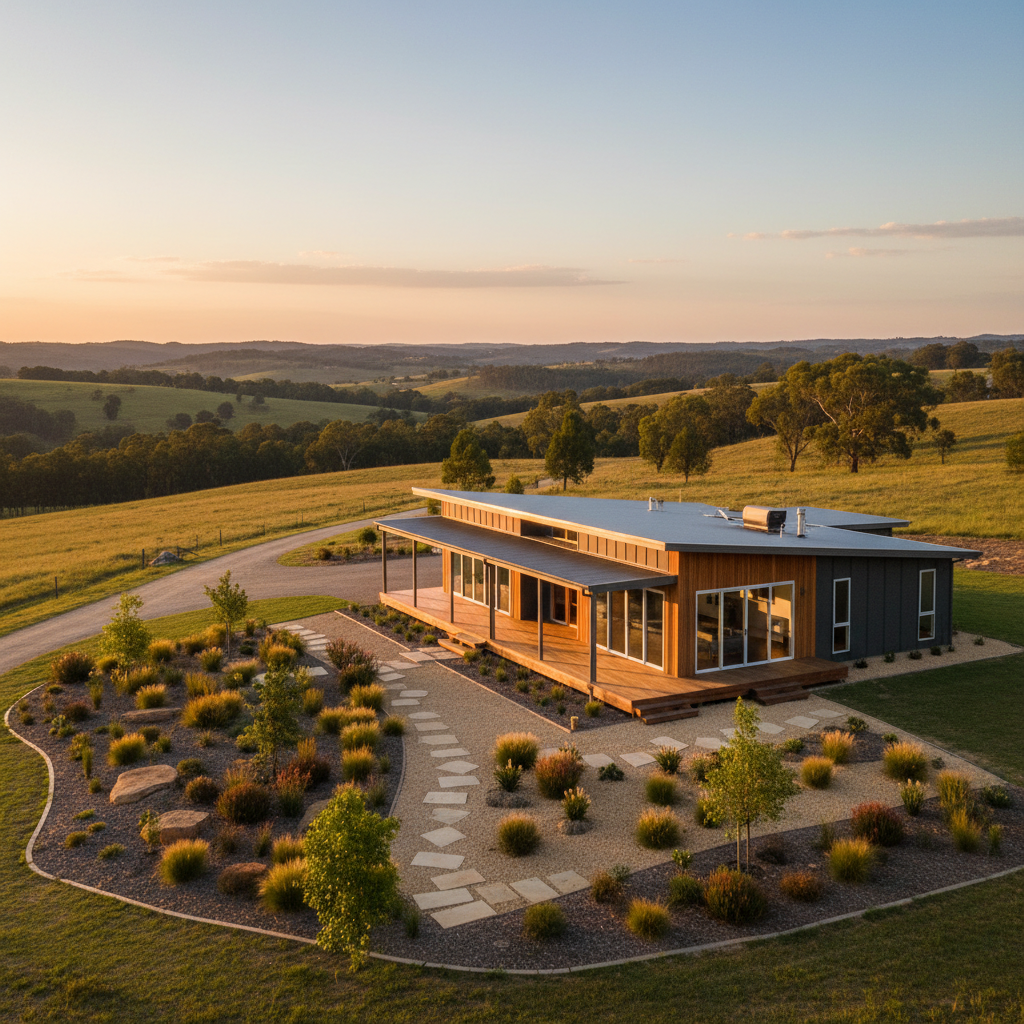
3. Outdoor Integration: Australians love the outdoors, and a multi-generational home needs multiple outdoor 'escape' zones. A large main deck is great for Sunday roasts, but a small, private veranda off the grandparents' suite allows for a quiet morning coffee in the sun.
Lifestyle Trends: The Rise of the Flexible Room
One of the biggest trends in Australian housing right now is the 'Flex Room'. This is a space that can evolve as your family changes. In a kit home, this might look like a large study that has its own ensuite and external access. Today, it might be a home office for a remote-working parent. In five years, it could be a bedroom for a university student. In ten years, it could be a self-contained space for an ageing relative.
This flexibility is the key to creating a home that doesn't just fit you now, but fits you forever. When you work with a kit home provider, look for designs that offer this kind of versatility. The ability to customize your internal layout before the steel frames are manufactured is a superpower for the modern homeowner.
Creating a Cohesive Aesthetic
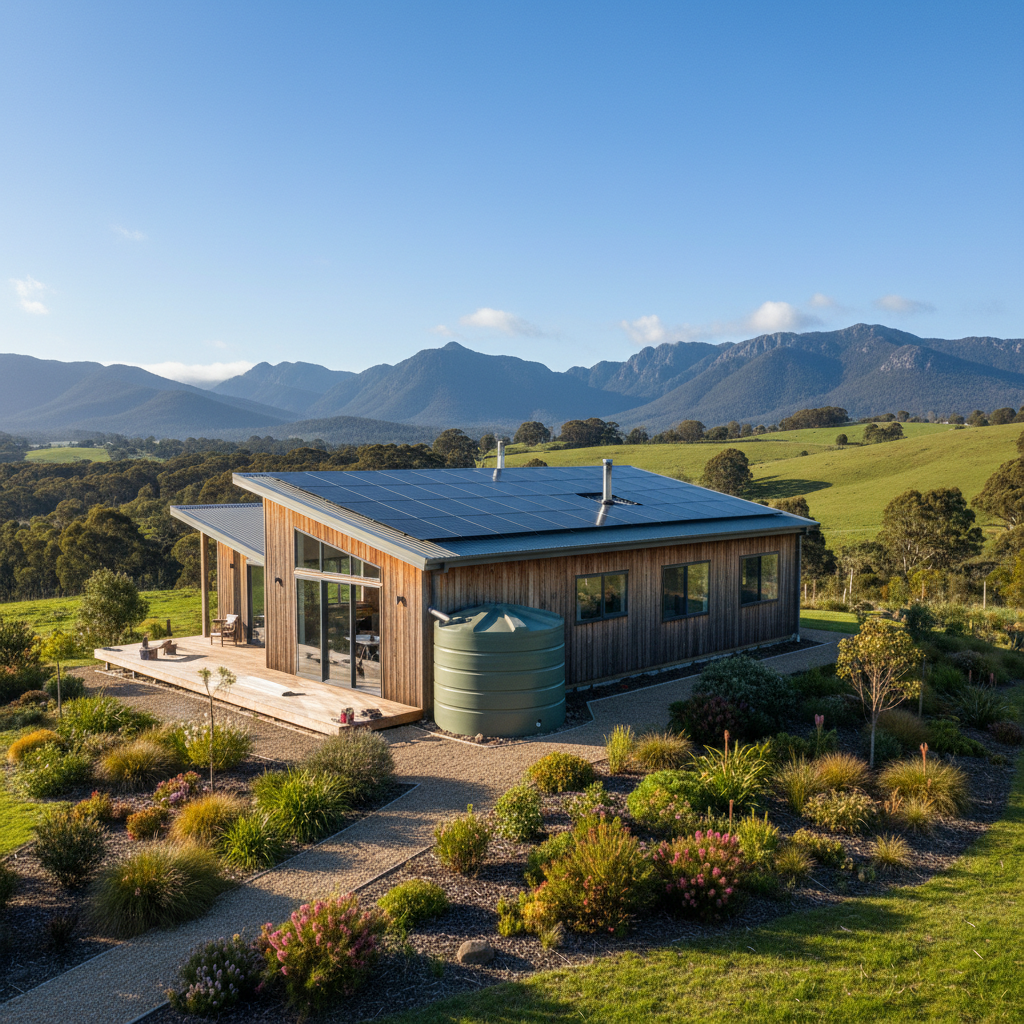
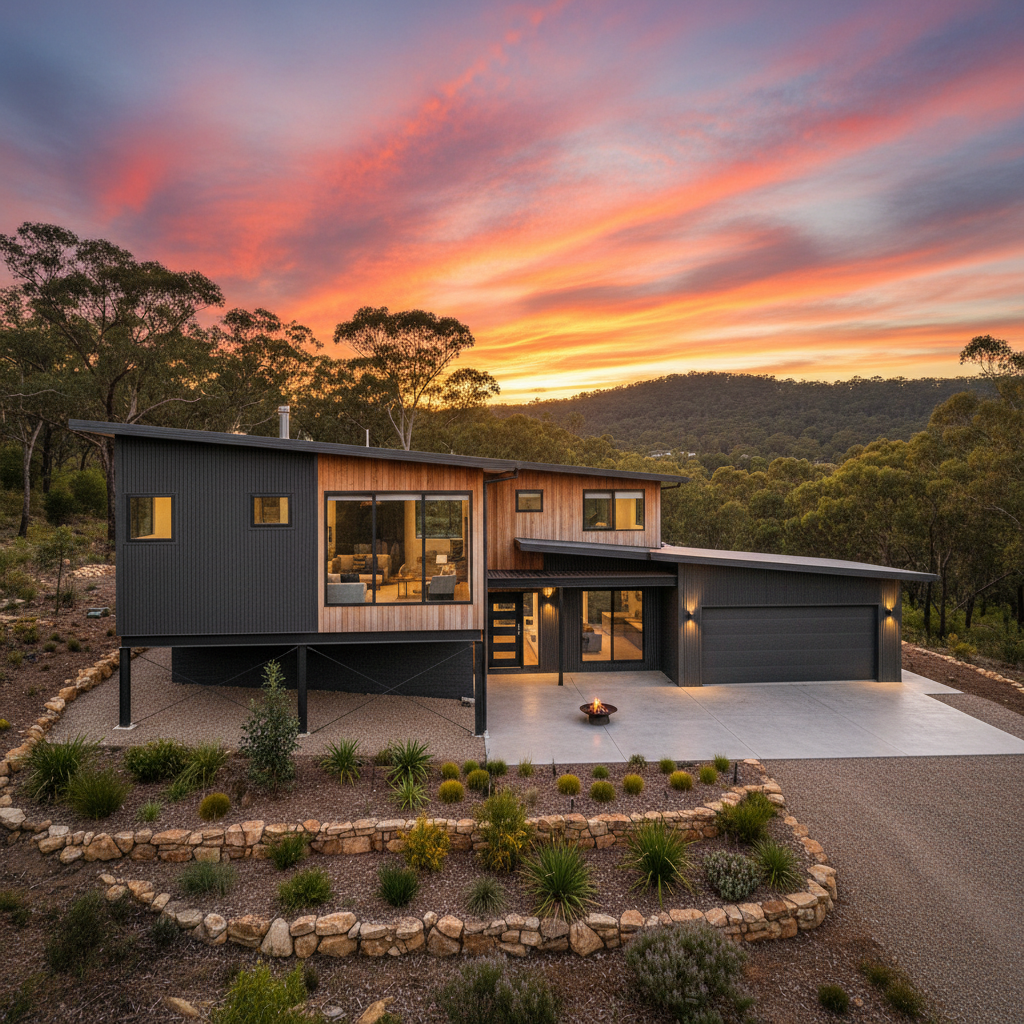
Just because you have different generations under one roof doesn't mean your home should feel disjointed. A cohesive design language helps the house feel like a singular, grand estate. Use a consistent palette of materials and colours throughout the exterior, such as modern corrugated cladding and timber accents.
Inside, you can allow for personal touches in private bedrooms, but keep the flooring and cabinetry consistent in the common areas. This creates a sense of 'unity' that reflects the family's shared life, while the clever layout respects their individual lives.
Conclusion
Multi-generational living is a rewarding way to live, offering financial benefits, shared responsibilities, and deeper family bonds. Choosing to build a kit home gives you the creative freedom to design a space that actually works for your unique family dynamic. By prioritizing privacy through smart zoning, ensuring accessibility with universal design, and building on a foundation of high-quality steel framing, you are doing more than just building a house. You are creating a sustainable, beautiful sanctuary where every generation can thrive together under the great Australian sky.