Creating a Sanctuary: The Art of Kit Home Landscaping
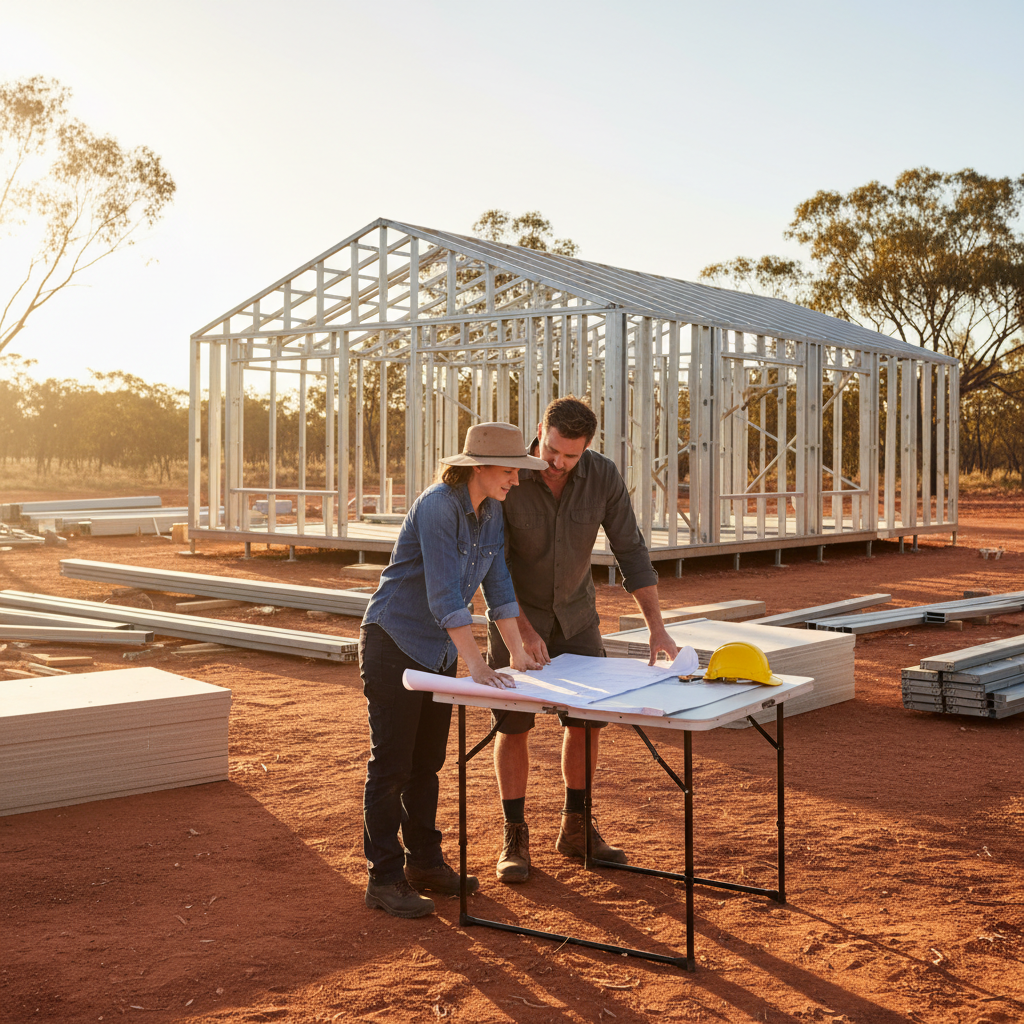
There is a unique sense of pride that comes with building a kit home in Australia. Whether you have nestled your new dwelling into a coastal scrub, a suburban block, or a rolling rural property, the moment the steel frame is up and the cladding is on, your focus naturally shifts outward. The structure is the heart, but the landscaping is the soul that connects your home to the wide Australian sky.
For owner builders, the garden is often the final piece of the puzzle, a project that allows for personal expression and a chance to ground the building in its environment. When you choose a modern kit home, you are working with clean lines and durable materials like BlueScope Steel. To make the most of this aesthetic, your landscaping should be more than just an afterthought. It should be a deliberate extension of your living space.
The Australian Aesthetic: Designing for the Climate
Australia is a land of extremes, and our gardens need to be as resilient as our homes. When planning your landscaping, the first step is to look at the local environment. What grows naturally in your area? Choosing indigenous species is not just an environmental choice, it is a practical one. Native plants have survived thousands of years of drought, floods, and heat, making them the perfect low-maintenance companion for a busy owner builder.
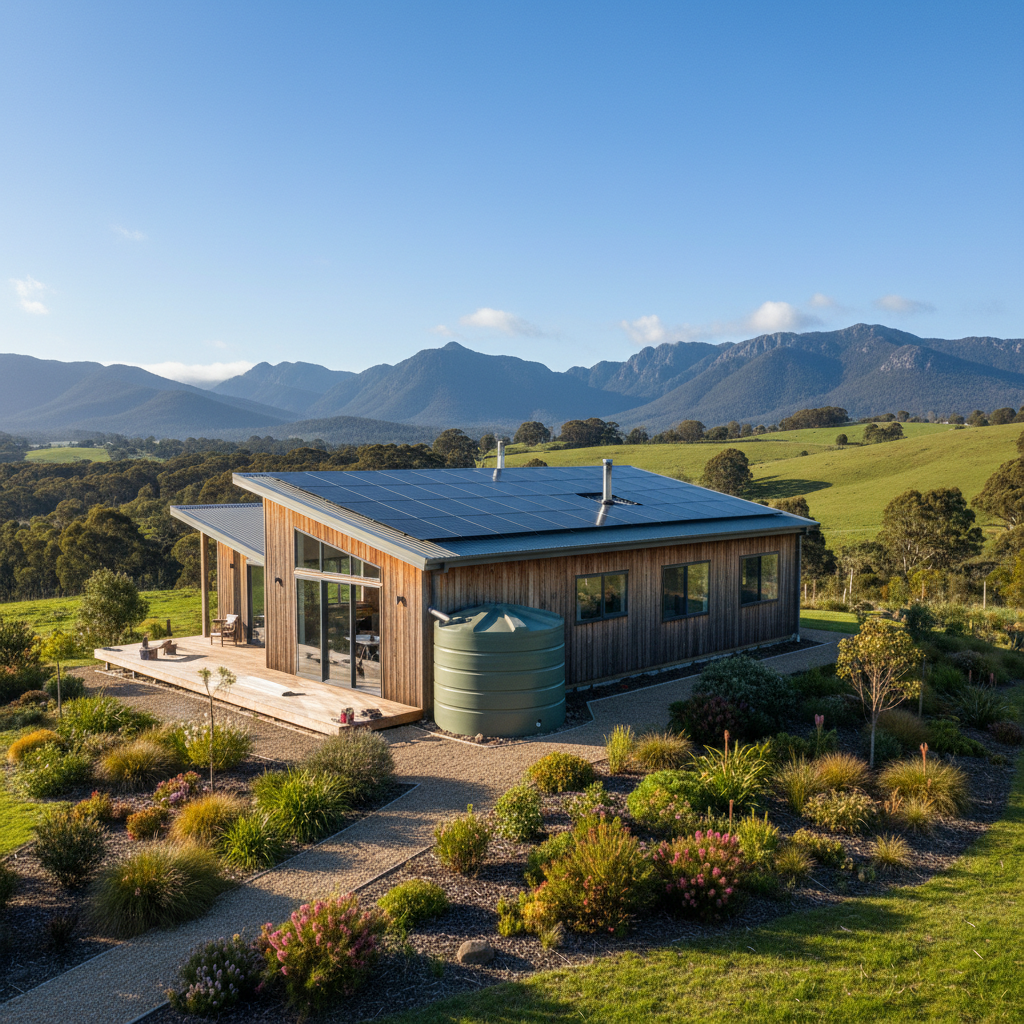
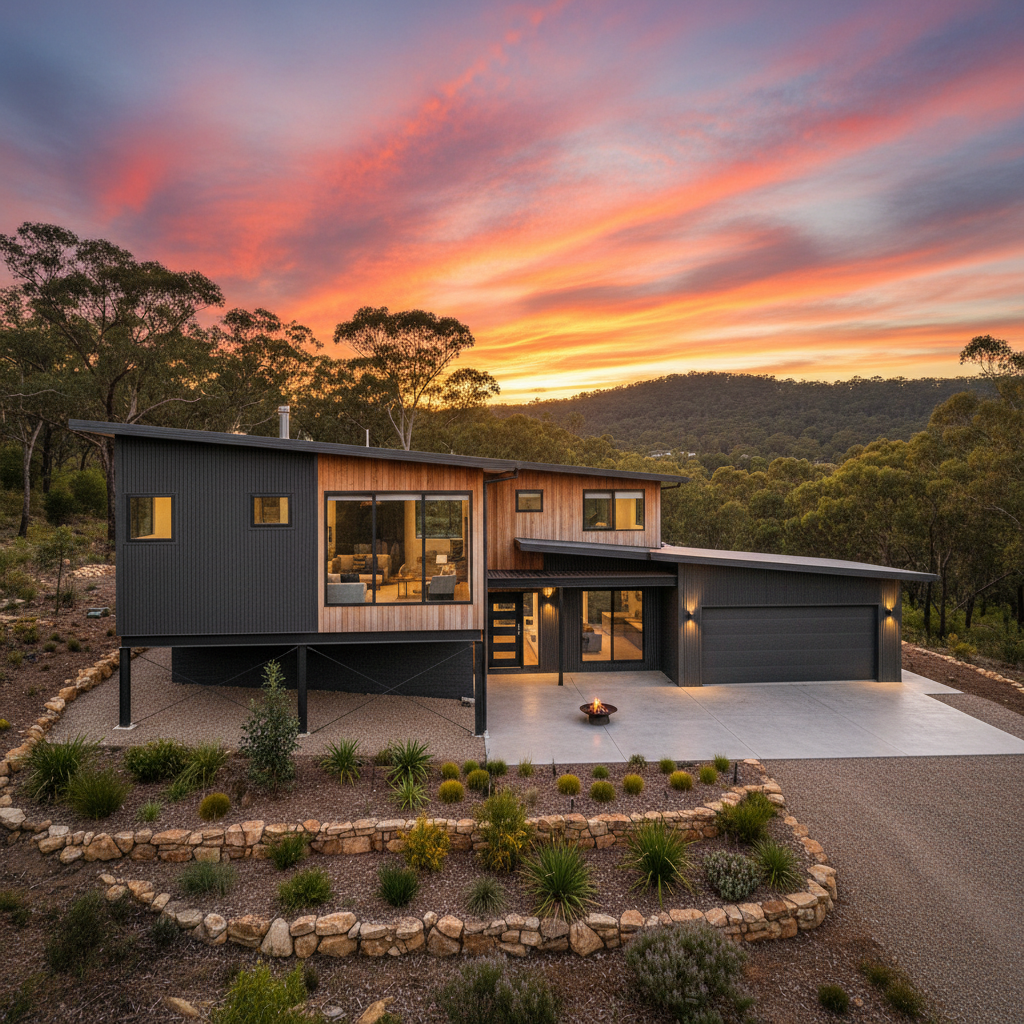
Consider the color palette of your home. If you have chosen a contemporary dark cladding, the silvery greens of Eucalyptus or the vibrant oranges of Banksia can create a stunning contrast. If your home features lighter, classic tones, deep green bottlebrush or grevilleas provide a lush, established feel. The goal is to create a visual bridge between the man-made structure and the natural world.
Hardscaping with a Purpose
Hardscaping refers to the non-living elements of your garden, such as paths, decks, and retaining walls. For a kit home, these elements are crucial for defining the 'footprint' of the house. Large format stone pavers or recycled timber sleepers can create a sense of permanence and weight that balances the sleek, modern lines of a steel frame building.
For those managing their own project, consider using materials that echo the building's components. If your home features corrugated roofing, perhaps integrated corrugated metal garden beds could tie the look together. This repetition of materials creates a cohesive design language that looks professionally curated rather than haphazard.
Creating In-Between Spaces: The Modern Verandah
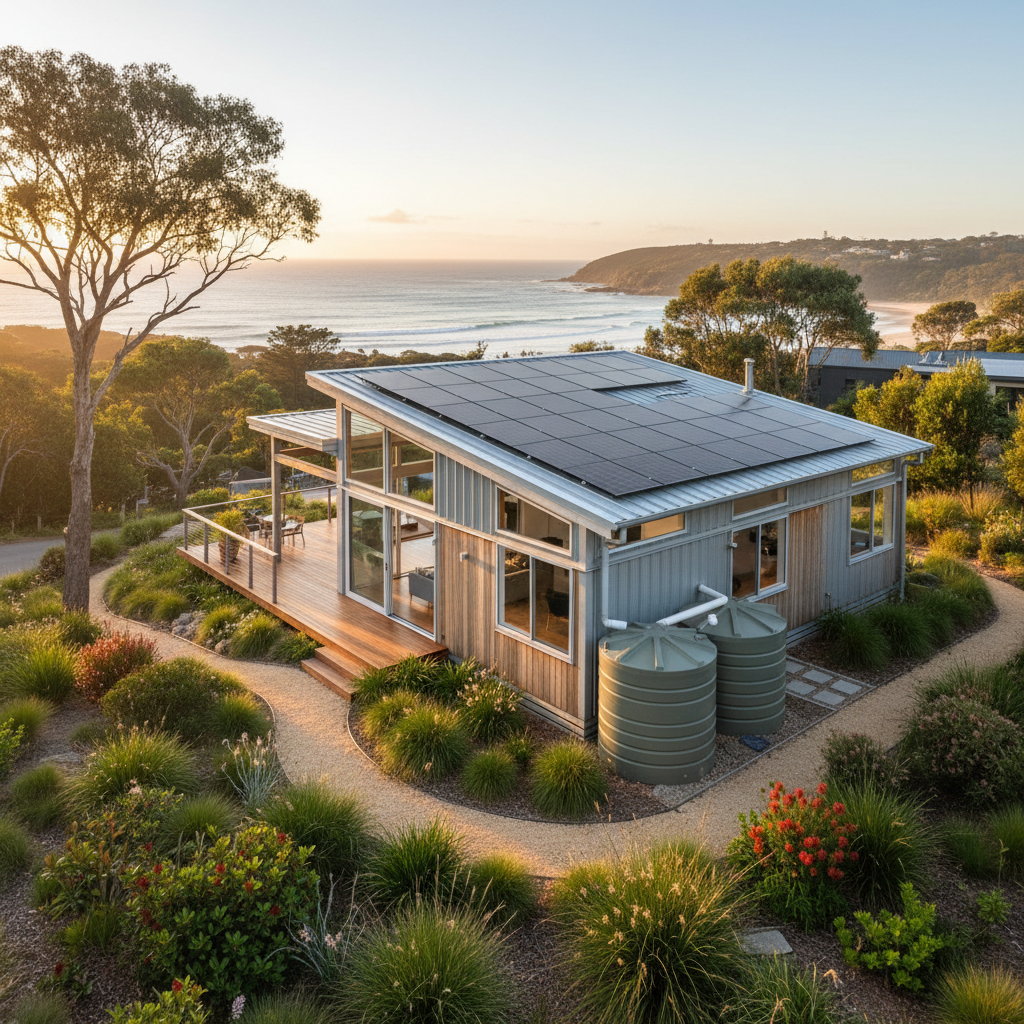
In Australian lifestyle design, the line between inside and out should be as thin as possible. Kit homes often feature open plan layouts that cry out for a functional outdoor transition. A wide deck or a covered alfresco area acts as an outdoor room, effectively increasing your living square footage without the cost of a full internal fit-out.
When designing these areas, think about 'zoning.' Use large potted plants to create natural screens for privacy, or use a change in ground material, move from timber decking to crushed granite, to signify a shift from the dining area to a fire pit zone. This layered approach makes a garden feel larger and more interesting.
Sustainability in the Garden
Modern housing trends in Australia are heavily focused on sustainability, and your landscaping plays a major role in this. A well-designed garden can actually improve the thermal performance of your home. Deciduous trees planted on the northern side of your kit home will provide shade in the scorching summer months but drop their leaves in winter, allowing the sun to hit the windows and naturally warm the interior.
Water conservation is another key factor. For the DIY enthusiast, installing a greywater system or a series of rain gardens can be a rewarding project. These features allow you to capture runoff from your roof and redirect it to thirsty plants, reducing your reliance on mains water and keeping your garden lush even during water restrictions.
Practical Tips for the DIY Landscaper
Taking on the landscaping yourself can be a big job, but it is also one of the most rewarding parts of being an owner builder. Here are a few practical tips to keep you on track:
- Start with a Plan: Before you pick up a shovel, draw your site to scale. Mark where the shadows fall at different times of the day and where the prevailing winds come from.
- Soil is Everything: Don't just buy plants and stick them in the ground. Invest in high-quality soil and mulch. After a construction project, the ground is often compacted and depleted.
- Think in Layers: Just like interior design, a garden needs layers. Start with 'Canopy' trees, add 'Mid-storey' shrubs, and finish with 'Groundcovers'. This creates a sense of depth and provides habitat for local wildlife.
- Maintenance Reality Check: Be honest about how much time you have for gardening. If you work full-time, a sprawling rose garden might be a burden. Stick to hardy natives and automated irrigation systems.
Steel Frame Advantages in the Garden
One of the quiet benefits of steel frame construction becomes apparent when you start landscaping. Because the frames are dimensionally stable and won't warp or rot like timber, you can confidently build decks and pergolas that sit close to the main structure. Furthermore, the termite-resistant nature of the steel frame means you don't have to worry about garden beds or mulch piles being placed too close to the home, which can often be a major concern with traditional timber builds.
Using steel features in the garden itself, such as laser-cut privacy screens or steel edging for garden beds, can create a sophisticated, industrial-chic look that complements the durability of your home. It creates a narrative of strength and longevity that carries through the entire property.
Connecting the Senses
A great garden isn't just about how it looks, it is about how it feels. When you step out of your kit home, you want to be greeted by the scents of the Australian bush. Planting Jasmine near a bedroom window or Lemon Myrtle near the kitchen door can enhance your daily living experience. The sound of wind moving through ornamental grasses or the trickle of a small water feature can mask neighborhood noise and create a true sanctuary.
Lighting is the final touch. Low-voltage LED garden lights can highlight the texture of your home's cladding at night and illuminate paths for safety. For an owner builder, installing solar-powered garden lights is an easy and effective way to add atmosphere without needing an electrician for every minor detail.
Conclusion: A Home That Grows with You
Building a kit home is a journey of creating a space that reflects your lifestyle. By taking the time to plan landscaping that complements your new home, you are doing more than just planting trees, you are cultivating a lifestyle. Whether it is a place for the kids to play, a space to entertain friends, or a quiet corner to watch the sunset, your garden is the frame for your new life.
Remember that a garden is never truly 'finished.' It is a living, breathing entity that will grow and change alongside your family. Embrace the process, get your hands dirty, and enjoy the satisfaction of seeing your vision come to life from the inside out.