Taking the Reins: Insurance for the Australian Owner Builder
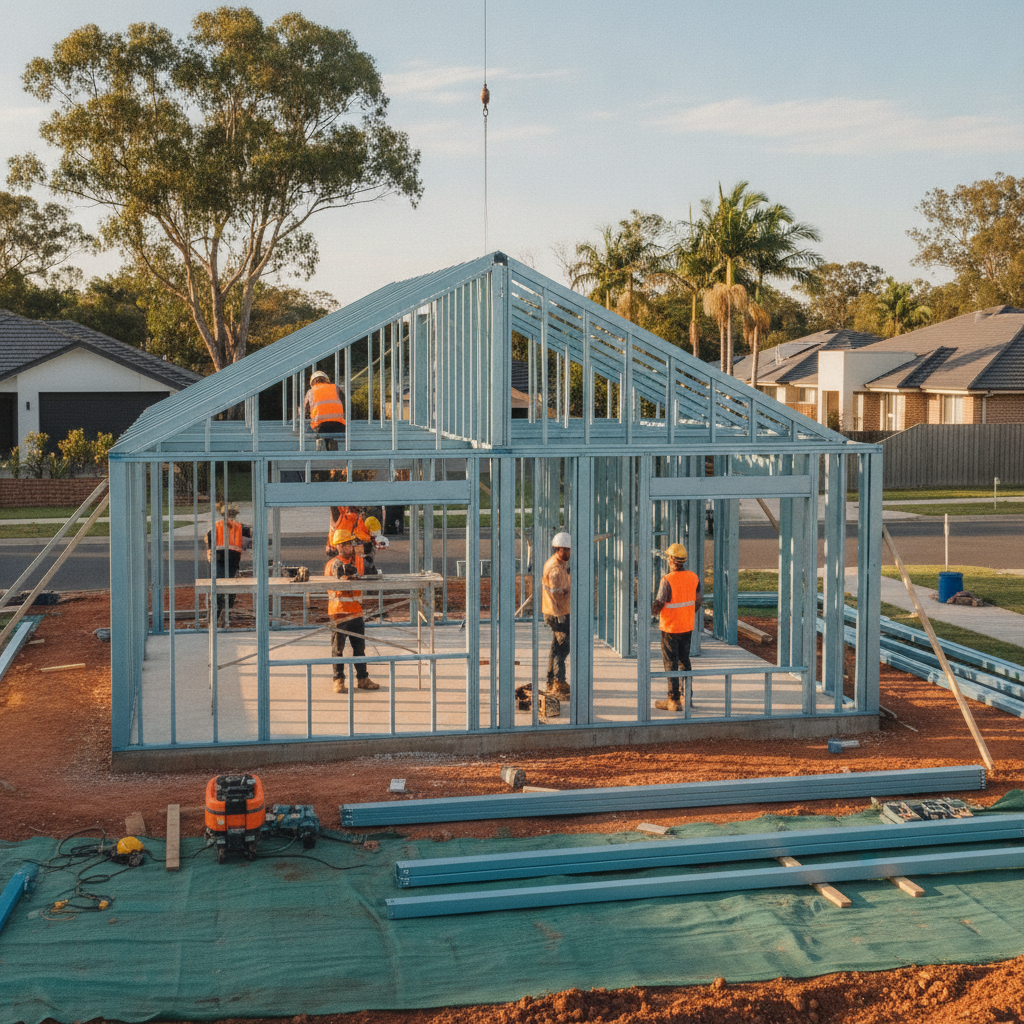
There is a unique sense of pride that comes with building your own home. In Australia, the owner builder path is becoming increasingly popular for those who want to be hands-on with their project, manage their own timelines, and ensure every bolt and batten is exactly where it should be. When you choose a steel frame kit home, you are already ahead of the game with a precision-engineered structure, but as the person in charge of the site, you also inherit the responsibilities of a site manager.
One of the most critical, yet often overlooked, aspects of managing a build is insurance. It is not just a checkbox for the council; it is your safety net. When you are coordinating deliveries of BlueScope steel frames, managing trades, and overseeing the installation of cladding and windows, things can happen. From a freak storm to a delivery truck clipping a gate post, the risks are real. This guide breaks down the essential coverage you need to protect your investment and your peace of mind.
Contract Works and Public Liability Insurance
This is the foundation of your insurance portfolio. Think of Contract Works insurance as the protection for the physical house as it rises from the ground. If a fire, storm, or act of vandalism damages your kit home while it is under construction, this policy generally covers the cost of repair or replacement.
Public Liability, on the other hand, protects you against claims of personal injury or property damage sustained by third parties. Your building site is a high-risk zone. If a neighbor or a passer-by is injured because of something happening on your site, you could be held liable. For an owner builder, a minimum of $5 million in coverage is standard, though many professionals recommend $10 million to be safe in the current Australian legal climate.
The Importance of Transit Insurance
When you order a kit home, a significant amount of high-quality material is transported to your site. This includes your TRUECORE steel frames, roofing sheets, insulation, and external doors. While suppliers often have their own transit insurance, it is a smart move to verify where their responsibility ends and yours begins. Usually, once the materials are offloaded at your property, they become your responsibility. Transit insurance (or ensuring your Contract Works policy covers materials on-site before installation) ensures that if that expensive glass sliding door is smashed during unloading, you aren't left out of pocket.
Workers Compensation: Are You an Employer?
This is where many owner builders get tripped up. Even if you aren't "hiring" staff in the traditional sense, you are hiring subcontractors like electricians, plumbers, and slab pourers. In many Australian states, if a subcontractor does not have their own Workers Compensation insurance or if the nature of their work deems them a 'worker' under legislation, you might be responsible for their medical costs and lost wages if they are injured on your site.
Always ask for a Certificate of Currency from every trade that steps onto your block. If they are a sole trader, the rules can vary by state, so it is vital to check with your local work cover authority. Some owner builder insurance packages include a 'Voluntary Workers' component, which covers friends or family who might be helping you out for a slab of beer and a BBQ lunch. Remember, standard Public Liability often excludes family members, so this extra layer is a lifesaver for the classic Aussie weekend working bee.
Owner Builder Indemnity Insurance
Also known as Home Warranty Insurance in some states like NSW or Victoria, this type of insurance is unique. It doesn't actually protect you; it protects the future buyer of your home. If you decide to sell your kit home within a certain period (usually six to seven years after completion), most Australian states require you to have this insurance in place. It covers the new owner for structural defects if you, the owner builder, pass away, disappear, or become insolvent.
Even if you plan on living in your home forever, life changes. Getting your eligibility for this insurance sorted at the start of the project is much easier than trying to retroactively organize it five years later when you've decided to downsize or move for work.
Practical Tips for Managing Your Risk
Insurance is your financial backup, but risk management is your first line of defense. Here are some practical tips for keeping your kit home site safe:
- Site Security: Keep your site fenced and locked. Not only does this deter theft of your steel frames or tools, but it also prevents children or trespassers from wandering into a dangerous area, which reduces your liability risk.
- Detailed Record Keeping: Keep a folder (or a digital drive) with every insurance certificate, contract, and receipt. Take photos of the site at the end of every week. This documentation is invaluable if you ever need to make a claim.
- Safety Signage: Ensure you have the required 'Authorised Entry Only' and 'Hard Hat Area' signs clearly visible. This is often a condition of your insurance policy.
- Material Storage: Store your kit components properly. Keep insulation dry and ensure steel frames are stacked on level ground to avoid warping or damage before they are erected.
Understanding the Gaps: What Isn't Covered?
It is just as important to know what your insurance won't cover. Most policies will not pay out for poor workmanship. If you or a trade install the cladding incorrectly and it leaks, causing damage to the insulation, insurance usually won't cover the repair of the cladding itself. This is why using a high-quality kit with clear instructions and hiring licensed trades for technical work is so important. Similarly, most policies have a high excess for certain types of claims, like storm damage, so ensure you have a small emergency fund to cover these initial costs.
The Steel Advantage in Risk Management
While the focus here is insurance, the materials you choose can impact your long-term peace of mind. Using steel frames made from BlueScope steel means you are working with a non-combustible material. This is a significant factor in Australia's bushfire-prone landscape. While it might not always lower your construction insurance premium immediately, it certainly lowers your stress levels and provides a more resilient structure against termites and rot, which are never covered by standard insurance policies.
Conclusion: Protect Your Dream
Building a kit home is a rewarding way to achieve homeownership. It allows you to be the master of your own domain and creates a deep connection between you and the four walls you live in. However, the role of an owner builder is one of responsibility. Taking the time to understand and secure the right insurance is not just a legal hurdle, it is a vital part of professional project management.
Before you turn the first sod or receive your first delivery of steel frames, speak to an insurance broker who specializes in owner builder policies. They can help tailor a package that fits your specific site and project scope. By protecting yourself against the unexpected, you can focus on what really matters: watching your new home come to life, one bolt at a time.