The Great Australian Floor Plan Shake-Up
Walk down any suburban street in places like Orange or the Sunshine Coast right now and you'll hear the same thing. It is the sound of circular saws and the clatter of steel frames being bolted together by people who aren't professional builders. Since we all got stuck inside back in 2020, the way we look at four walls has changed permanently. The 'open plan' obsession is dying a slow death because turns out, you can't have a Zoom call while someone is banging around with a NutriBullet three metres away. People are craving walls again. Real ones.
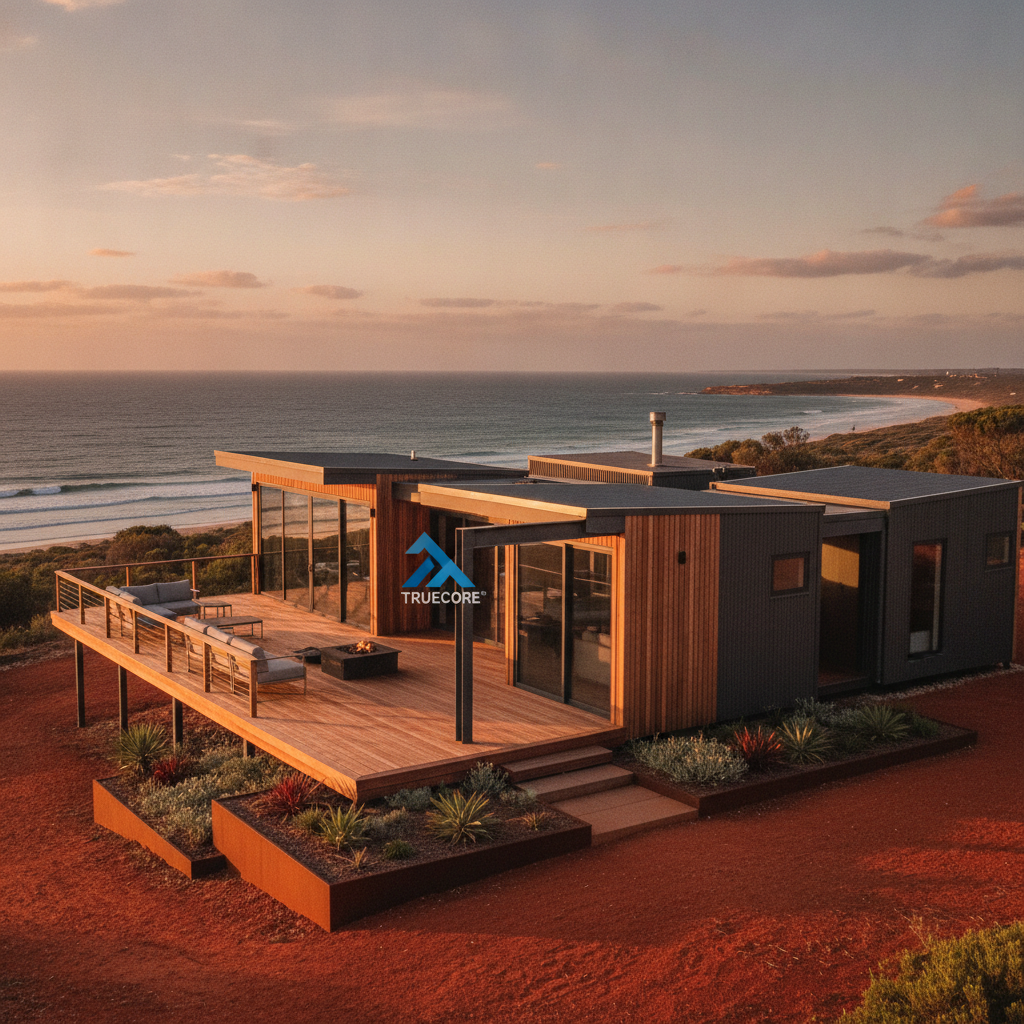
We are seeing a huge shift toward kit homes because they let regular people take back control. The big project builders are bogged down with delays and rigid designs that don't fit how we live now. If you want a dedicated mudroom because you're sick of tracked-in dirt, or a detached studio for a home office, the big guys usually charge a fortune for 'variations'. Kit homes don't work like that. You get the bones, the TRUECORE steel frames, the Lysaght cladding, and then you figure out how to make it your own on-site.
The Rise of the Multi-Generational Compound
It's not just about the home office. We've noticed a massive uptick in people building what I call the 'modern compound'. This is where you've got the main house, but there's a secondary kit home out the back for adult kids who can't break into the rental market or aging parents who want to keep their independence. It is a smart move. Because these kits use steel frames, they're lightweight enough to get into tight backyards where a heavy timber stick-built frame would be a nightmare to manage. Plus, termites won't touch it. If you're building in a spot like Western Sydney or anywhere near Brisbane, that peace of mind is worth its weight in gold.
Owner Builder Tips: Getting the Groundwork Right
If you're jumping into the owner-builder life, listen up. The biggest mistake I see isn't in the construction itself. It's the paperwork and the site prep. You can't just rock up and start bolting frames together. You need your White Card. You need your Owner Builder permit from the regulator in your state, like Fair Trading in NSW or the VBA in Victoria. And for heaven's sake, talk to a surveyor before you order your kit. I've seen blokes try to eyeball a boundary and end up with a slab ten inches inside the setback. It's a mess you don't want to fix.
Another thing. When your kit arrives, it's going to look like a giant Meccano set. Don't panic. Organize your site. Sort your fixings. If you leave your steel frames sitting in long grass for three weeks because you haven't booked the plumber to do the rough-in, you're making life hard for yourself. Get a container or a secure shed on-site before the truck arrives. It keeps the components dry and, more importantly, keeps them from walking off at night.
Why Steel is Winning the Backyard War
I've worked with timber and I've worked with steel. Timber is fine until it isn't. It warps. It twists if it gets wet on the slab. Steel frames, specifically the stuff made from BlueScope TRUECORE, stay straight as an arrow. This matters more than you think. If your wall studs are dead straight, your plasterboard goes on flat. Your kitchen cabinets actually sit flush against the wall. You aren't wasting hours with a plane trying to fix a 'proud' stud so the bathroom tiles don't crack. It saves a heap of time for an owner builder who is probably working against the clock on weekends.
The tech has changed too. Nowadays, these kits are engineered to specific BAL (Bushfire Attack Level) ratings. If you're building in a bushfire-prone area, which is about half of Australia these days, having a non-combustible steel frame is a massive leg up during the council approval process. It doesn't mean the house is invincible, but it's a hell of a lot better than a tinderbox of pine. When you're looking at designs, check the engineering. Make sure the kit is rated for your specific wind speed zone, especially if you're up north in cyclone territory or on a ridge in the Blue Mountains.
Designing for the New Normal
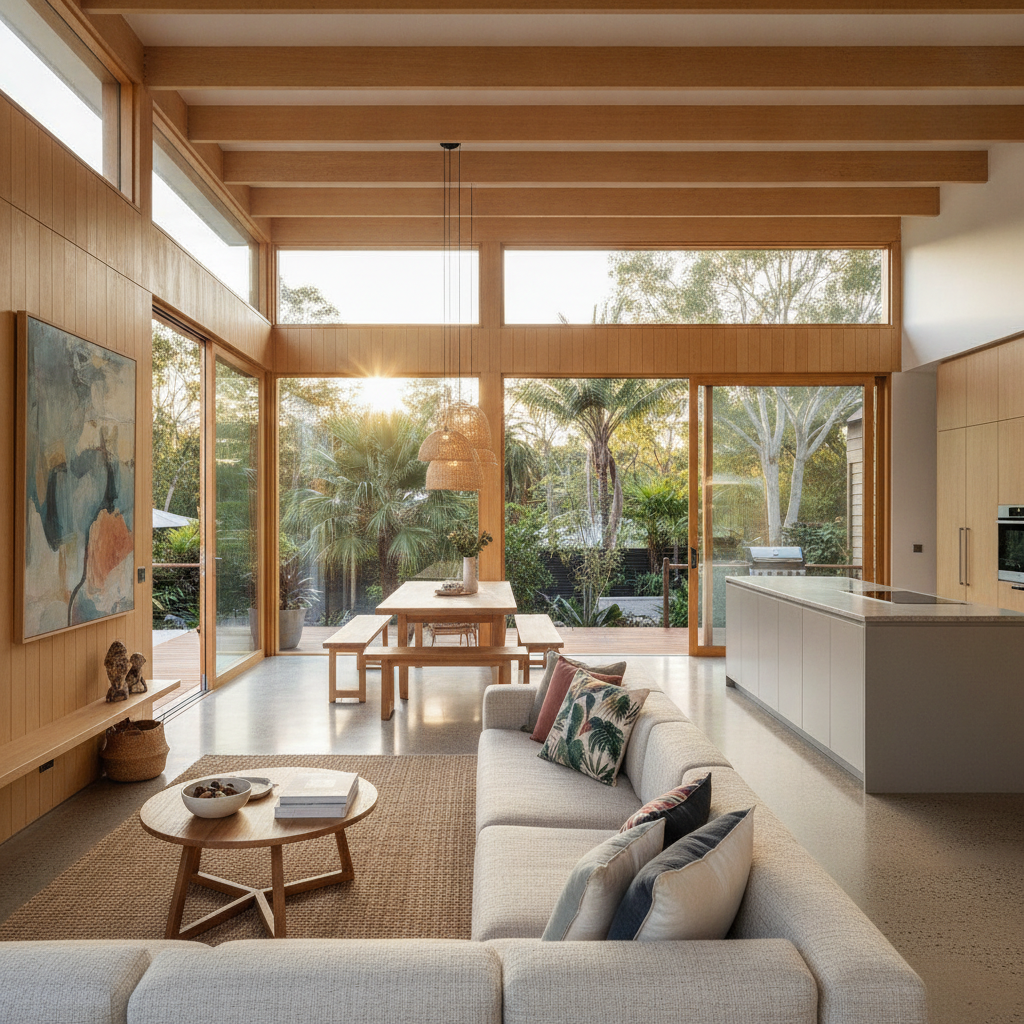
We're moving away from the 'theatre room' and toward the 'flex room'. People realized that a windowless room for watching movies is a waste of space 90% of the time. Now, the trend is toward high ceilings and bigger windows. Natural light is king. Because a kit home uses a steel subfloor or a concrete slab, you have options depending on your block. If you're on a slope, don't waste ten grand on earthworks just to get a flat pad. Use a steel subfloor system. It lets the house sit above the ground, improves airflow, and usually costs less than a massive retaining wall.
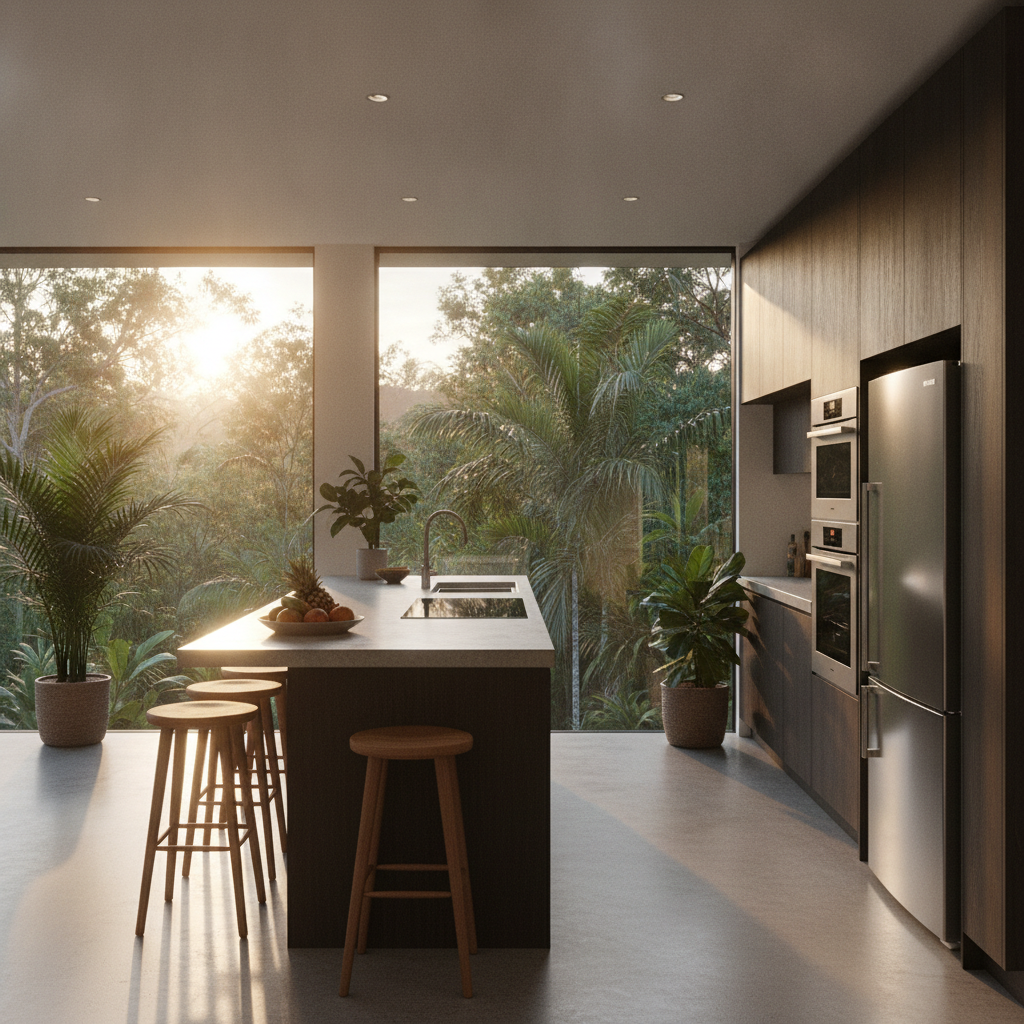
Kitchens are changing too. The pantry is getting bigger. We call it the 'Costco effect'. People want to buy in bulk and actually have a place to put it. When you're picking your kit design, look at the kitchen layout. Is there room for a butler's pantry? Can you tuck the fridge away so it's not the focal point of the whole living area? These are the things that make a house liveable over the long haul.
A Few Hard Truths for the DIY Crowd
Building your own home isn't all beer and skittles. It is hard work. You'll be on the phone to trades who don't call back. You'll be staring at a set of plans at 9pm on a Tuesday wondering why the window flashing looks upside down. But that's the point. You're the one in charge. You aren't paying a builder a 20% margin to manage things for you. You're putting that 20% back into better finishes, or a bigger deck, or maybe just keeping it in the bank.
Keep your site clean. I can't stress this enough. A messy site is a dangerous site. If your sparky turns up and has to trip over piles of offcuts, he's going to charge you more or just find an excuse to leave. Grab a skip bin. Keep the offcuts in one spot. It shows the trades you know what you're doing, even if you're secretly Googling 'how to install a door handle' five minutes before they arrive.
The Verdict
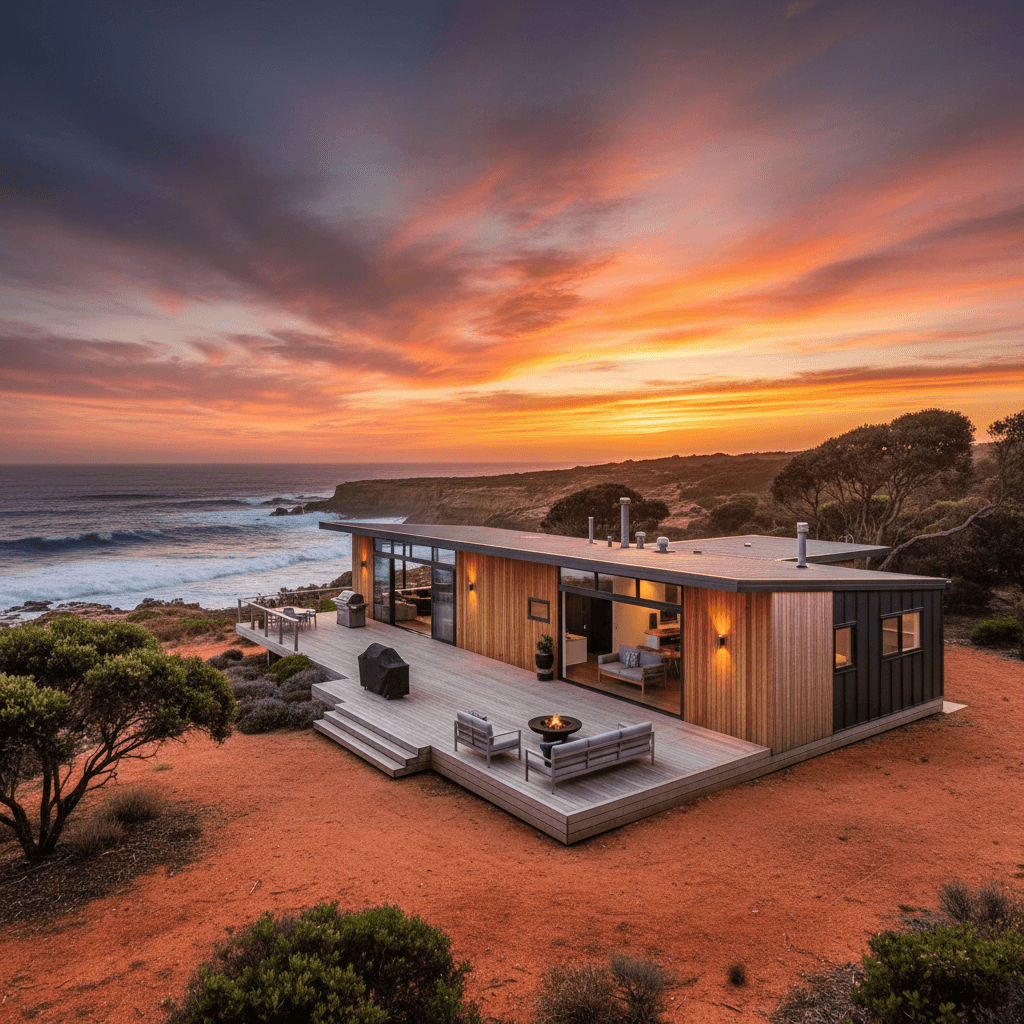
The Australian kit home isn't what it used to be thirty years ago. It's not a tin shed with a bed in it. These are sophisticated, architecturally designed homes that just happen to come in a container. They fit the way we live now because they're flexible. You can build them at your own pace. You can choose your own cladding—mix some James Hardie Scyon with some Colorbond for that modern industrial look. You're not stuck with the three choices of brick that a project builder bought in bulk. In a world where everything feels out of our hands, building your own place from a kit feels like a pretty good way to get some control back. Just make sure you've got a good cordless impact driver and a big kettle. You're going to need both.