Taking the Reins: Your Journey as an Owner Builder
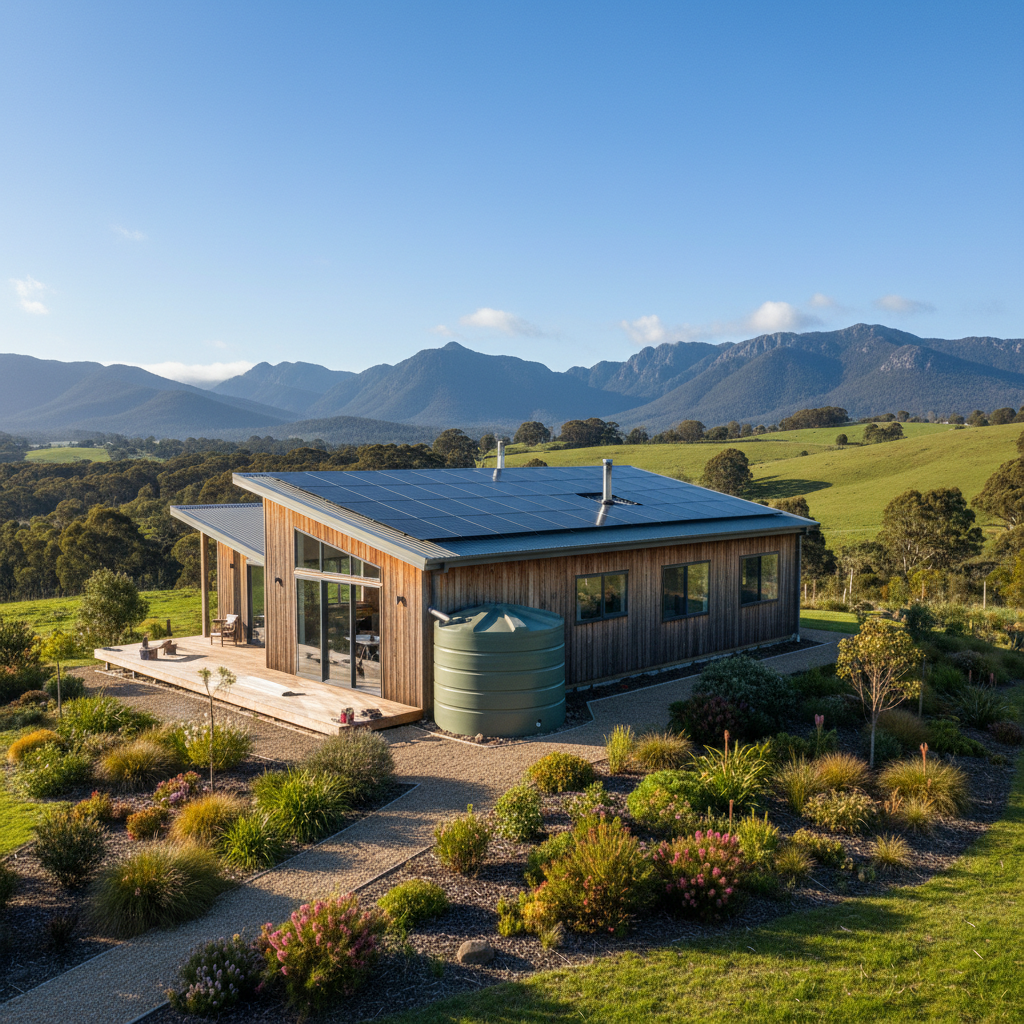
There is something uniquely Australian about the desire to build your own home. It is about more than just a roof over your head, it is about the grit, the determination, and the ultimate satisfaction of knowing every bolt and sheet of cladding was overseen by you. In the world of kit homes, the role of an owner builder is both exciting and demanding. You are no longer just a homeowner, you are the project manager, the site foreman, and the primary decision maker.
Stepping into this role requires a shift in mindset. You are transitioning from a dreamer to a coordinator. While kit homes provide a fantastic structural starting point, the success of the project relies heavily on how you manage the moving parts. From site preparation to the final lick of paint, effective project management is what separates a smooth build from a stressful one. This guide focuses on the practical essentials of managing your first kit home project under an owner builder permit.
Understanding Your Scope and Responsibilities
Before the first delivery truck arrives, you need a clear definition of what you are responsible for. When you purchase a kit home, you are generally receiving the design, the structural components, and the external shell. This usually includes the BlueScope Steel frames, roofing, cladding, windows, and doors. However, as the owner builder, the 'everything else' falls on your shoulders.
Your responsibilities include obtaining council approvals, preparing the site, pouring the slab, and hiring licensed trades for plumbing and electrical work. You are also the one who ensures the site is safe and compliant with Australian standards. Understanding this scope early prevents the 'I thought that was included' shock later down the track. Create a master list of every phase of the build, starting from the soil test all the way to the certificate of occupancy.
The Power of a Realistic Timeline
One of the biggest traps for first-time builders is over-optimism. While kit homes can be erected much faster than traditional brick and mortar houses, you are still at the mercy of weather, trade availability, and delivery schedules. A good project manager builds 'buffer time' into their calendar.
Start with your desired move-in date and work backward, but be generous with your estimates. For example, if a carpenter tells you the frame will be standing in five days, allow seven in your schedule. If you plan for things to take 20 percent longer than expected, you will handle delays with much less stress. Use a simple digital calendar or a large physical wall chart to track milestones. Seeing the progression visually helps you stay motivated and keeps your subcontractors informed about when they are needed on site.
Selecting and Managing Your Trade Team
Even the most hands-on owner builder needs professional help. In Australia, certain tasks like electrical wiring and internal plumbing must be done by licensed professionals. Your role as a project manager is to vet these trades carefully. Don't just hire the first person who gives you a quote. Look for people who have experience working with steel frame homes and who are comfortable working with an owner builder.
Communication is the lifeblood of trade management. Be clear about your expectations from day one. Provide them with clean copies of your plans and ensure the site is ready for them when they arrive. Clear the debris, ensure there is power available, and have the necessary materials staged nearby. When you make their job easier, they are more likely to do their best work for you. Always ask for their licenses and insurance up front to ensure your project remains compliant and protected.
Mastering Site Logistics and Deliveries
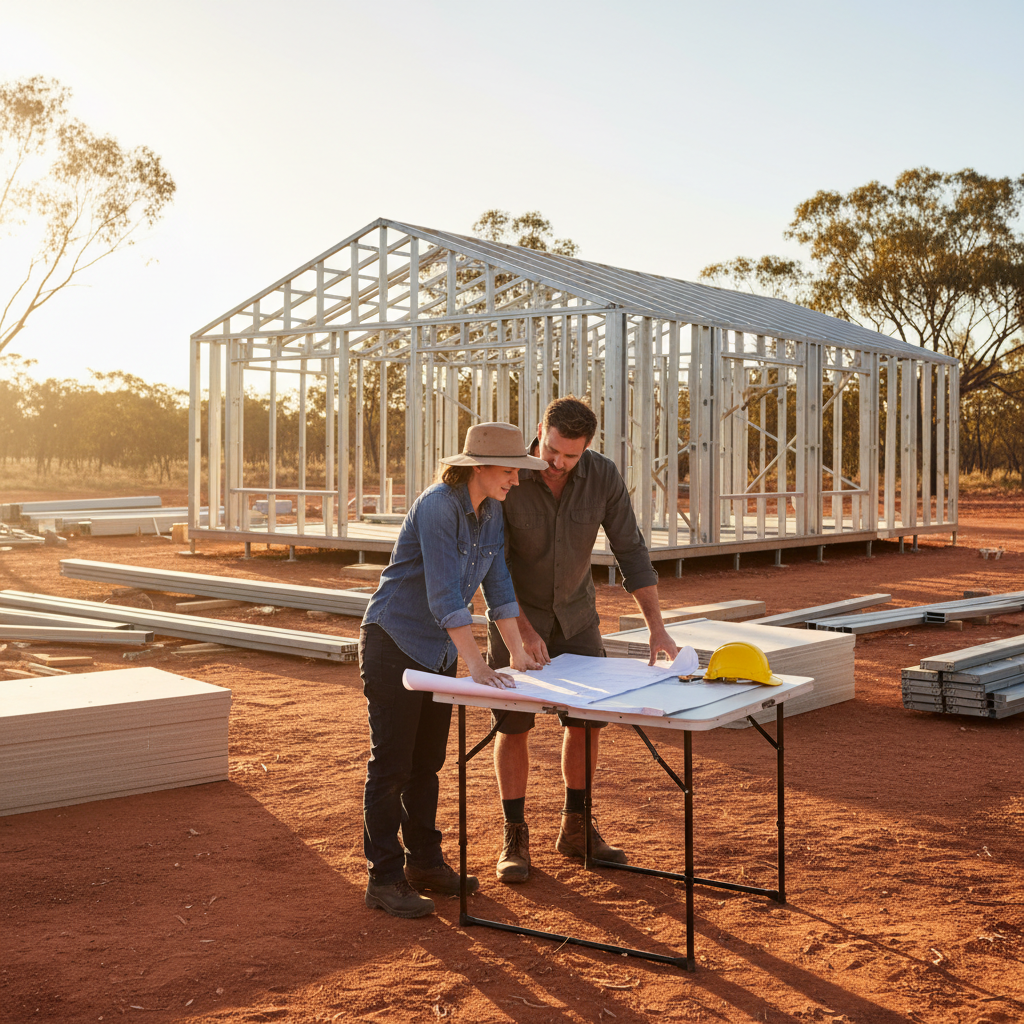
A kit home project involves large deliveries of materials, particularly when the frames and trusses arrive. Project management essentials include planning for where these materials will sit. You need a flat, dry, and secure area on your block that doesn't block access for future deliveries.
Steel frames, often made from TRUECORE steel, are incredibly durable and lightweight, but they still need to be handled with care. Ensure you have a plan for unloading, whether that involves a Hiab crane on the delivery truck or a forklift. Once the kit arrives, organize your materials in the order they will be used. Having to dig through a pile of roofing iron to find a window flashing is a waste of time and energy. A tidy site is a safe and efficient site.
The Importance of Quality Control
As the owner builder, you are the final judge of quality. This means you need to be present and observant. You don't need to be an expert in every trade, but you should know what a good job looks like. Check that frames are plumb and level, ensure insulation is installed without gaps, and verify that windows are flashed correctly to prevent leaks.
If you see something that doesn't look right, speak up immediately. It is much easier to fix a plumbing pipe before the wall cladding goes on than it is afterward. Take photos of everything, especially what is behind the walls (pipes, wires, and bracing), before they are covered up. These photos are invaluable for future maintenance or if you ever decide to renovate.
Regulatory Compliance and Safety
Managing an Australian building site comes with significant legal responsibilities. You must ensure that your Owner Builder Permit is current and that you have the appropriate insurances in place, such as construction works insurance and public liability. You are also responsible for site safety. Provide a clear entry point, ensure everyone wears appropriate PPE, and have a first aid kit easily accessible.
Work Health and Safety (WHS) isn't just about paperwork, it's about making sure everyone goes home safe at the end of the day. Keeping a clean site, managing extension leads properly, and ensuring scaffolding is used for height work are all part of your management duties. If you prioritize safety, the trades will respect your leadership and the project will run more professionally.
Finalizing the Build: The Fit-Out Phase
Once the shell of your kit home is locked up, the focus shifts to the interior. This is often the most time-consuming part for an owner builder. Managing the sequence of plasterers, tilers, and cabinet makers requires careful coordination. For example, you don't want the tiler finishing the floor the day before the heavy kitchen cabinets are delivered.
During the fit-out, your attention to detail will define the finish of the home. Take your time with the 'small' things like architraves, skirting boards, and painting. These are the elements you will look at every day once you move in. As you approach the finish line, create a 'punch list' of minor tasks that need finishing. Checking these off one by one provides a great sense of accomplishment and ensures nothing is forgotten in the final rush.
Conclusion: The Reward of Management
Being an owner builder is a marathon, not a sprint. It requires patience, organization, and a willingness to learn on the fly. By focusing on clear communication, realistic scheduling, and site safety, you can navigate the complexities of building a kit home with confidence. The transition from a set of plans to a standing home is a remarkable process, and as the person who managed it all, the sense of pride you will feel is unparalleled. Take it one step at a time, stay organized, and enjoy the process of bringing your Australian dream to life.