Remote Work's Ripple Effect: Why Kit Homes are Taking Over Rural Australia
There's a quiet revolution happening across regional Australia, and it's got less to do with cryptocurrency and more with a decent NBN connection. People, tired of the city grind and sky-high mortgages, are packing up their lives, their laptops, and heading bush. And what are they building when they get there? Kit homes, mate. Heaps of 'em.
It used to be a dream, this idea of working from your verandah in the Byron hinterland or out past Bendigo. Now, with remote work being the norm for millions, that dream's turned into a solid plan for plenty. We're seeing it firsthand, folks swapping cramped inner-city terraces for sprawling blocks and a view that doesn't involve another high-rise. They want space, peace, and a house that doesn't cost an arm and a leg to get up. That's where a good kit home comes in. It’s practical, gives you control, and frankly, it just makes sense.
The Great Escape: Why City Slickers are Heading Regional
Remember when your boss scoffed at working from home? Yeah, those days are long gone. The pandemic forced everyone's hand, and now we've got a workforce that’s proven it can be productive from anywhere with a strong Wi-Fi signal. So, why stay in a shoebox apartment paying outrageous rent when you can snag a decent block of land in a regional town for half the price?
It’s not just about the money, though that's a big part of it. It’s about lifestyle. Imagine finishing work, shutting the laptop, and instead of battling peak hour traffic, you’re walking down to the creek, or tending to a veggie patch. That's the pull. Parents are looking for better schools, safer neighbourhoods, and a chance for their kids to actually ride bikes in the street. Retirees are chasing that quiet life, but even young families are seeing the value. This isn't just a trend; it's a fundamental shift in how Australians want to live and work. And when you're building a new life from scratch, a kit home gives you a brilliant starting point.
Why Kit Homes are the Go-To for Regional Builds
So, you've bought your patch of dirt, maybe a few acres just outside of Orange, or a block overlooking the ocean near Port Macquarie. Now what? Building in regional areas can be a bit trickier than in the 'burbs. Trades might be scarce, materials can cost a bomb to transport, and getting everything coordinated can feel like herding cats. This is precisely why kit homes are absolutely flying off the shelves for owner-builders in these spots.
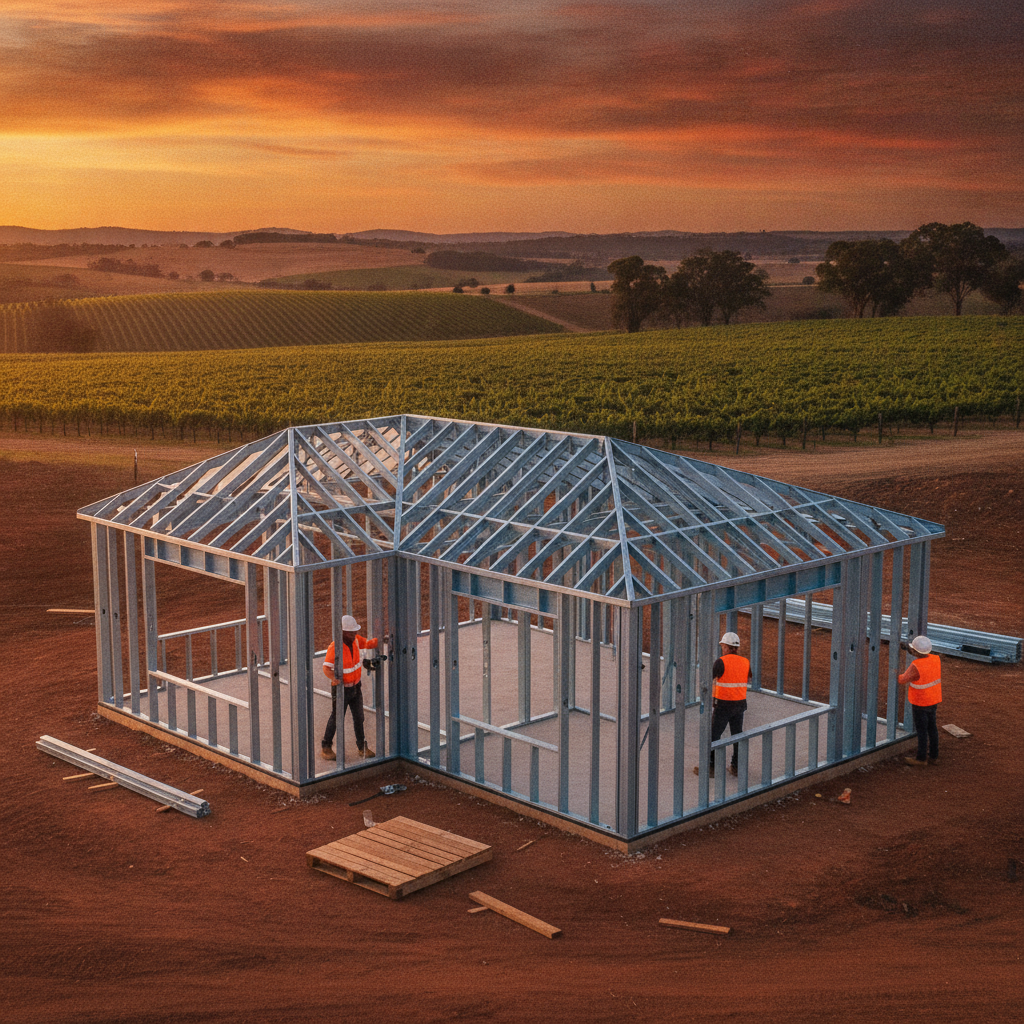
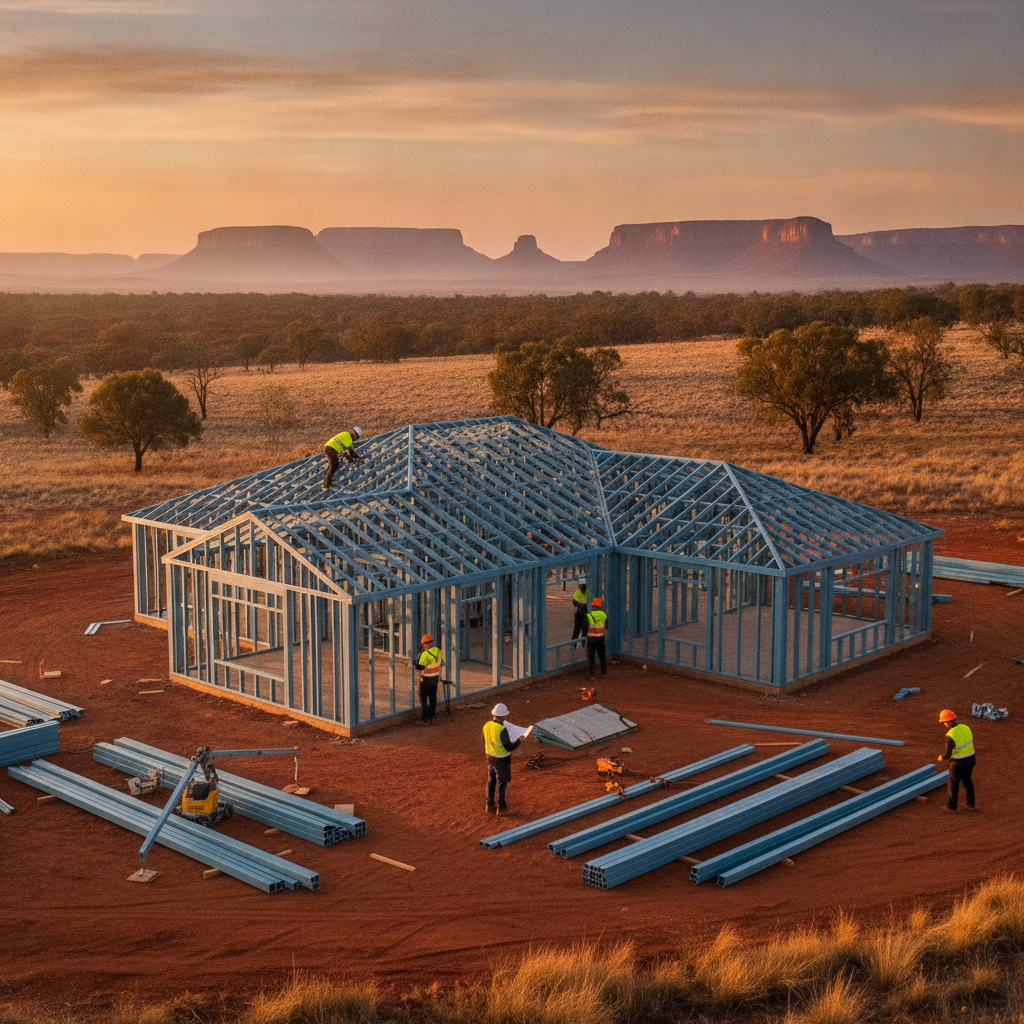
A kit home, for starters, streamlines the whole bloody process. Everything for the main shell of the house – your steel frames (we use the good stuff, TRUECORE steel, so you know it's solid), roofing, cladding, windows, doors, even the insulation – it all arrives in one or a few big deliveries. Less running around trying to source every single nail and screw. That’s a huge bonus when your nearest Bunnings is an hour's drive away. It cuts down on project management headaches big time. Plus, you know exactly what you're getting, so there are fewer nasty surprises during the build.
Owner-Builder Tips: Getting Your Hands Dirty (the Smart Way)
Keen to tackle an owner-builder project? Good on ya. It's a huge undertaking, but it’s incredibly rewarding. You save a heap of cash, and you get exactly the house you want. But don't go into it blind. This isn't just assembling IKEA furniture, mind you. Here are some pointers:
- Do Your Homework on Council Rules: This is step one, before you even look at plans. Every council's got different hoops to jump through for a Development Application (DA) or Complying Development Certificate (CDC). What's allowed in one shire might be a no-go in another. Bushfire Attack Level (BAL) ratings, flood zones, septic tank requirements – suss all this out early. Get copies of their specific planning schemes.
- Get Your Site Sorted First: Seriously. Before any materials even think about landing, your site needs to be prepped. Think earthworks, access roads, power, water, and crucially, your slab. A good, level, correctly poured slab is the foundation for everything. Mess that up, and you're chasing problems all the way through.
- Line Up Your Trades Early: Good tradies are like gold, especially in regional areas. Plumbers, electricians, plasterers – book 'em in well in advance. Get quotes, check references, and make sure they understand you're an owner-builder. Be clear about your timeline and what you expect.
- Understand the Kit: Take the time to really go over the plans and instructions for your kit. Ours come with detailed guides, so you know exactly what goes where. With a steel frame kit, for example, the frame goes up quick, but understanding how the wall and roof sheeting connects is key.
- Be Organised with Deliveries: Kit components arrive in stages. Make sure you've got space, and that the delivery truck can actually access your site without getting bogged. Nothing worse than a truckload of frames sitting on the roadside because you forgot about the muddy driveway.
Steel Frame Benefits: Strength Where It Counts
We're big believers in steel frames for a reason. For owner-builders, particularly in rural and regional settings, they offer some serious advantages:
- Termite Proof: This is a massive one. White ants don't eat steel. Simple as that. You sleep easier knowing your house won't be silently munched from the inside out.
- Straight and True: Timber can warp, twist, and shrink. Steel frames stay perfectly straight and dimensionally stable. That makes a huge difference when you're trying to get plasterboard to sit flat or hang a door square. Less rework, less frustration.
- Fire Resistant: In a country prone to bushfires, steel offers better resistance than timber. It won't ignite or add fuel to a fire, which is a big deal for peace of mind, especially if you're out in a high BAL area.
- Durability: Our TRUECORE steel frames are built to last, treated against corrosion. They won't rot, split, or suffer from fungal decay. A properly built steel frame house is a house for generations.
Yes, you need to think about how you run your electrical cabling or where you'll block for heavy fixtures, but those are minor considerations compared to the long-term benefits.
Design & Lifestyle: Crafting Your Rural Sanctuary
The beauty of a kit home is the flexibility. You’re not stuck with a cookie-cutter design. Our range caters to all sorts of tastes, from classic homesteads to modern rural retreats. You pick the layout that suits your life. Got two kids and a home office? We've got plans for that. Need a big verandah to catch those afternoon breezes? Plenty of designs incorporate generous outdoor living spaces. And because you’re doing the fit-out, you get to choose every paint colour, every tile, every tap.
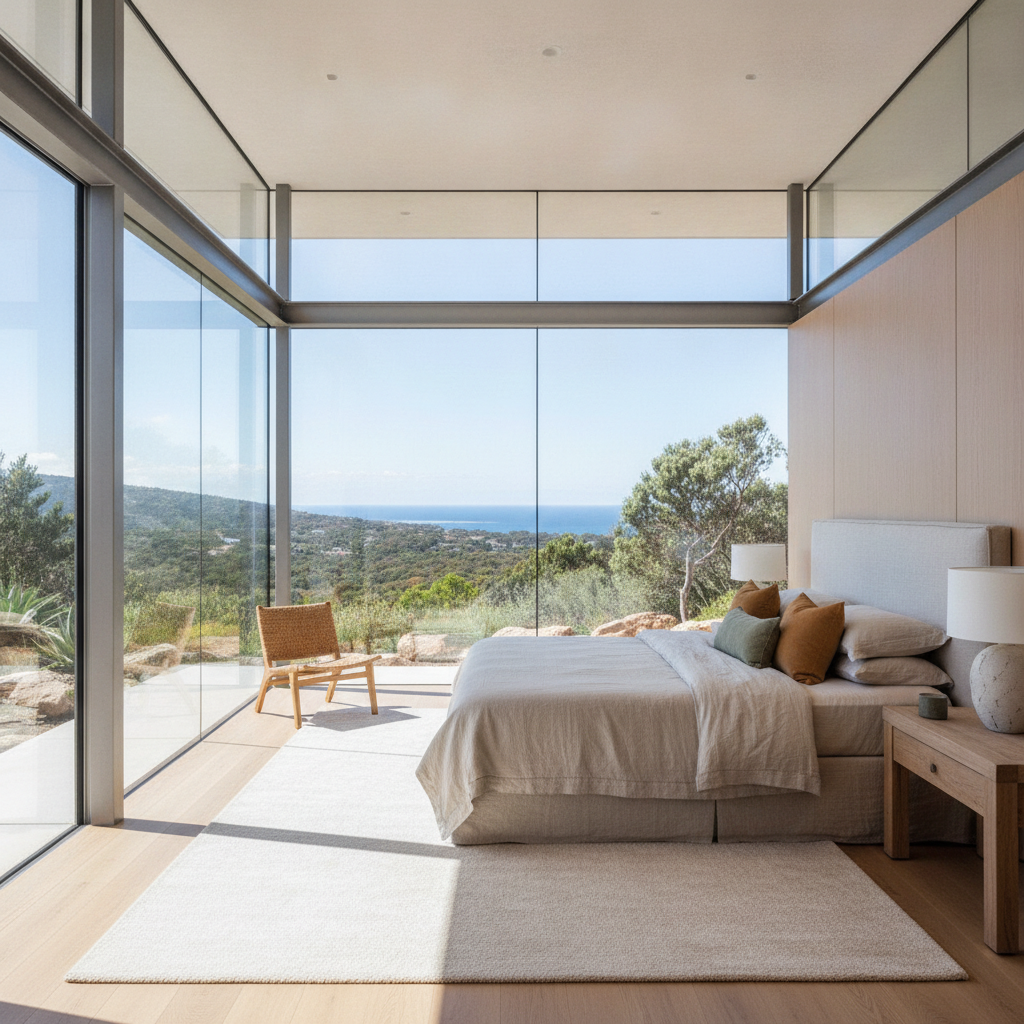
Think about the flow. Remote workers often need a dedicated, quiet space away from the general hubbub of family life. A separate study, or even a clever nook that can be closed off, is becoming non-negotiable. Natural light is huge too – big windows looking out onto your property, not your neighbour's fence. Maximise those views. Think about cross-ventilation to keep cooling costs down in summer. These are the kinds of details that turn a house into a home, especially when you're spending more time in it.
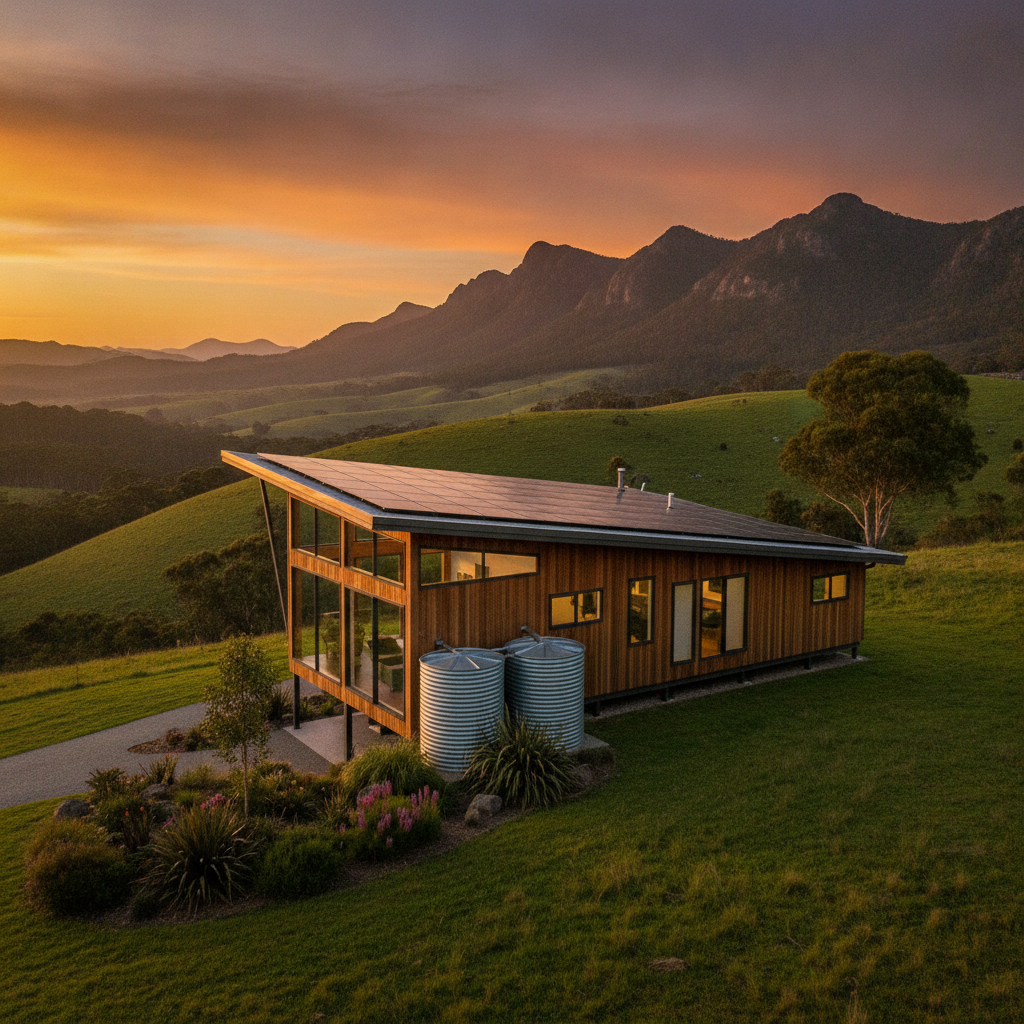
Many of our customers are going for designs that really blend with the Australian landscape. Think skillion roofs for a modern look, or classic gabled roofs with deep eaves. Colour palettes often reflect the earthy tones of the bush or the cool blues of the coast, depending on where they've landed. The shift to regional living isn't just about moving; it's about embracing a different rhythm, and your home should absolutely reflect that. It should be a place that feels like a refuge, a base where you can work, relax, and truly live.
The Future is Regional, and Kit Homes Are Leading The Way
The numbers don't lie. Regional migration is up. House prices in the sticks are climbing. This isn't a flash in the pan. The way we work has changed forever, and that's opened up a whole new world for how and where we live.
For anyone dreaming of that tree change or sea change, a kit home offers a straightforward, robust, and customisable path to getting there. You get a quality home, you control the build, and you end up with a place perfectly suited to your new, regional lifestyle. It's a smart move, and we reckon it's just the beginning for Australia's rural kit home boom.