The Great Australian Lid: More Than Just a Cover
So, you've sussed out your floor plan and picked a cracker of a spot for your new kit home. But have you looked up lately? In the world of Australian construction, the roof is the hardest working part of the house. It's the first line of defense against a sun that wants to bake you, rain that wants to drown you, and the occasional hail storm that wants to dent everything you own.
Choosing the right roofing materials is a technical decision that impacts your home's thermal performance, structural integrity, and long term maintenance. It's not just about picking a color that matches the letterbox. We've seen plenty of owner builders get caught out by focusing on aesthetics while ignoring the specific climate demands of their postcode. Let's get stuck into the nuts and bolts of what makes a roof work for an Australian kit home.
Understanding Thermal Performance and Solar Absorptance
Australia is a land of extremes. If you're building in the Top End, your priorities are worlds apart from someone setting up a kit home in the Tasmanian highlands. The most critical technical factor you'll encounter is solar absorptance. This is a fancy way of saying how much heat your roof soaks up from the sun.
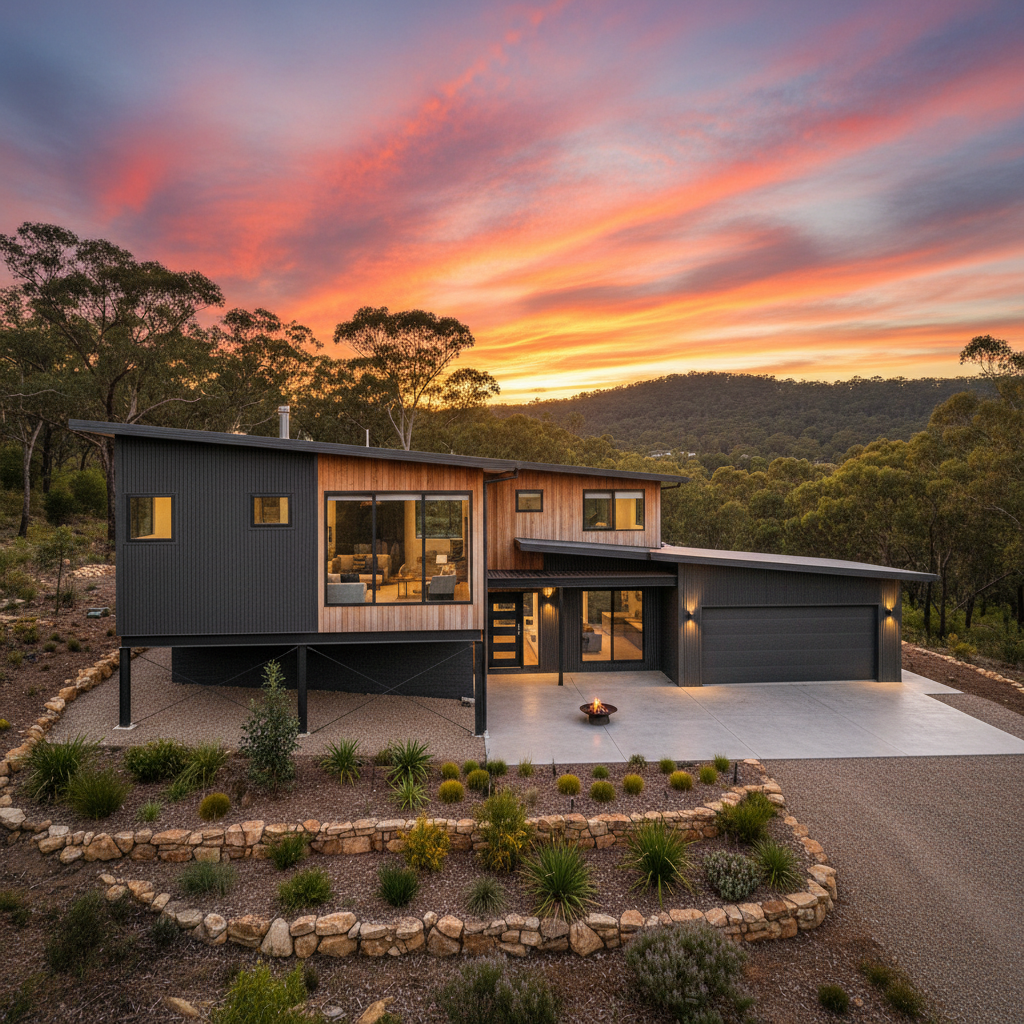
Light colored roofs reflect more heat. This is a no brainer for Queensland or WA builds. Darker colors look sleek, but they acts like a giant radiator sitting on top of your living room. When you're working with steel frames and metal cladding, the heat transfer can be significant if you don't plan ahead. Ever walked across a dark asphalt driveway in the middle of a January arvo? Your roof feels exactly like that.
But what if you love that Charcoal or Deep Ocean look? You'll need to beef up your insulation game. Using high quality reflective foil laminates and bulk insulation batts is essential. It creates a thermal break that prevents the heat from the metal roof sheets from migrating into the steel ceiling frames and down into your home.
The Steel Advantage in Roofing
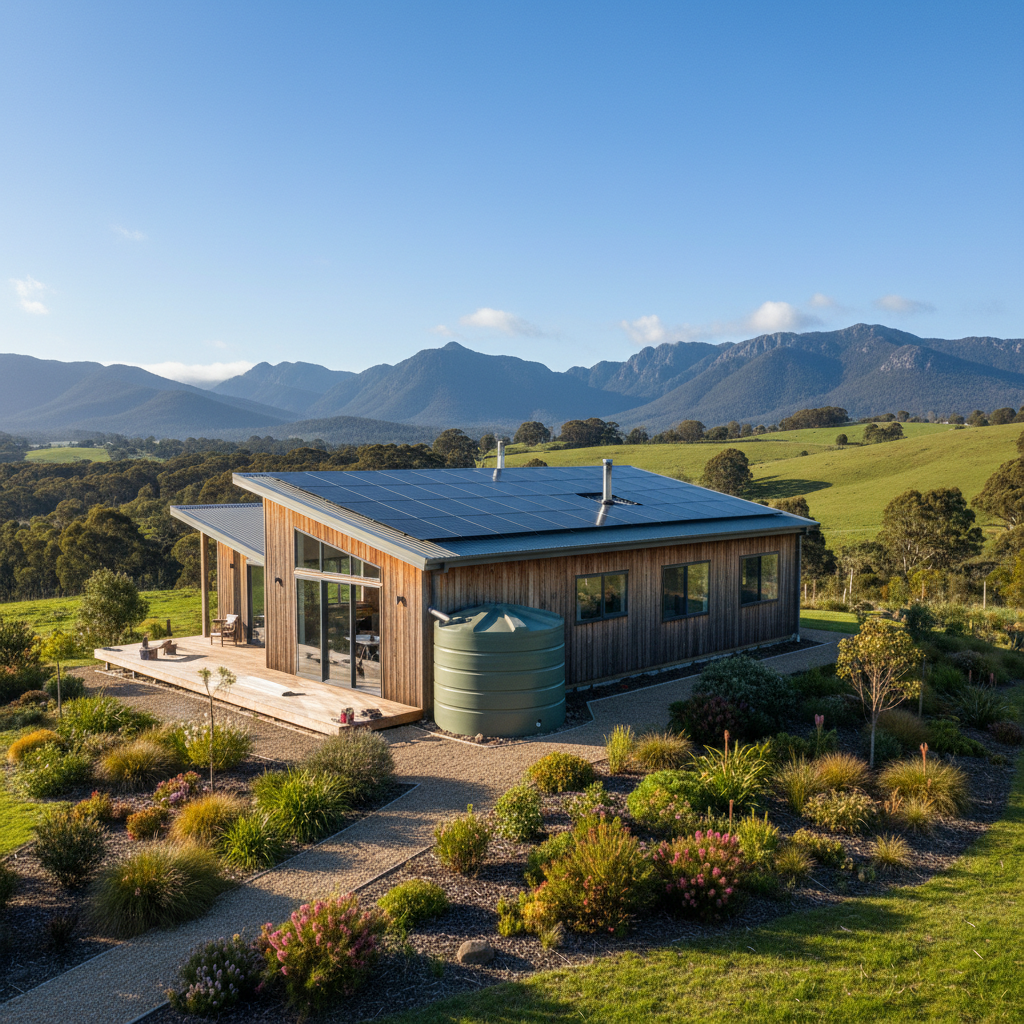
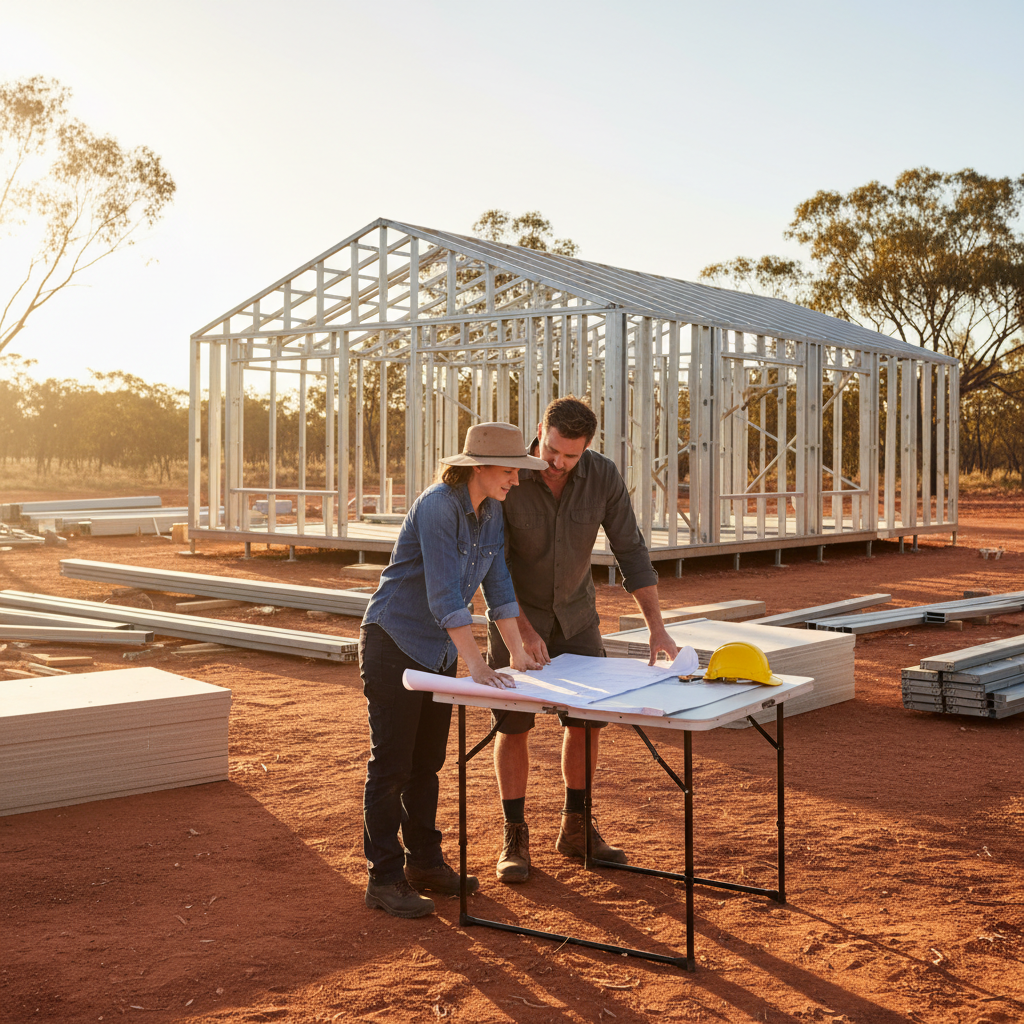
Most kit homes in Australia rely on high quality steel systems, like those using TRUECORE steel for the framing. This makes sense because steel is light, dead straight, and won't be eaten by termites. When it comes to the roof, using corrugated or ribbed steel sheeting offers a massive strength to weight ratio.
Weight is a huge factor for owner builders. Handling heavy concrete tiles on a DIY project is a recipe for a bad back and a slow build. Steel roofing sheets are easier to maneuver and require less complex structural support than traditional masonry. Plus, they don't soak up water. A tile roof can get significantly heavier during a tropical downpour, putting extra stress on the trusses. Steel stays the same weight, wet or dry. Simple.
Pitch and Profile: Why Geometry Matters
The shape of your roof isn't just a design choice. It's a functional one. The pitch, or the angle of the roof, dictates how quickly water sheds and how much wind pressure the structure takes. In cyclone prone areas, a hip roof (where all sides slope down to the walls) is often preferred because it's naturally more stable in high winds than a gable roof.
Then there's the profile of the sheet itself. Have you noticed how some roofs have high ribs while others are wavy? High rib profiles are designed to carry massive amounts of water off the roof quickly. If you're building in a region known for sudden, heavy deluges, you want a profile that can handle the volume without overflowing into the ceiling cavity. No worries if you're in a drier spot, but it's still worth thinking about for those once in a decade storms.
Dealing with Bushfire Zones (BAL Ratings)
If you're building in the bush, you've likely heard of BAL (Bushfire Attack Level) ratings. This is where your roofing material choice becomes a matter of safety, not just style. Steel is a non combustible material, which gives kit homes a significant head start. But the roof is more than just the sheets.
Everything needs to be sealed. We're talking about valley gutters, ridges, and eaves. Embers are the biggest threat in a fire, and they'll find the tiniest gap to crawl into your roof space. Using specialized ember guards and ensuring your steel cladding is tight and well fitted is vital. We reckon it's the most important part of the build for anyone in a wooded area.
Condensation: The Silent Builder's Foe
One thing that catches people off guard is condensation. When warm air from inside the house hits the cold underside of a metal roof, it turns into water. If you don't manage this, it starts raining inside your roof cavity. Not ideal.
The solution is a combination of ventilation and sarking. An anti-con blanket (a layer of wool insulation stuck to a foil backing) is a staple in Australian kit homes. It sits directly under the roof sheets. It stops the moisture from forming and provides an extra layer of acoustic dampening. It makes a huge difference when the rain starts drumming on the tin during a movie night.
Maintenance for Longevity
So, you've got the roof on. Job done? Not quite. Even the best BlueScope steel needs a bit of love, especially if you're near the coast. Salt spray is the enemy of metal. If you're within a few kilometers of the ocean, you need to ensure you're using the right grade of steel (like Ultra) and that you're washing down the unwashed areas regularly.
Unwashed areas are parts of the roof or wall cladding that don't get hit by natural rainfall, like under the eaves. Salt builds up there and eats away at the coating. A quick hose down every few months while you're washing the ute will keep it looking brand new for decades. She'll be right if you stay on top of it.
The Verdict on Roofing Choice
Building a kit home gives you a heap of control over the final product. But with that power comes the responsibility to make smart technical choices. Don't just follow the trends you see on social media. Look at your local environment. Is it salty? Is it hot? Does it pour?
By pairing a high quality steel frame with the right roofing profile and insulation strategy, you're building a home that isn't just a shell, but a high performing machine. It'll keep you cool during a summer barbie and dry during a winter gale. And at the end of the day, isn't that what a good house is for? Put in the effort to get the roofing specs right during the planning stage, and you'll reap the rewards for the life of the building.