Building for the Coast is a Different Beast
Most people think coastal living is all about sunset drinks and sand between your toes. It is. But for an owner-builder, it's also about figuring out how to stop your house from dissolving in the salt air before the second year is up. I've seen blokes spend a fortune on fancy timber cladding only to watch it bleach and warp because they didn't factor in the afternoon sun in a spot like Hervey Bay or the Mornington Peninsula. When you're picking a kit home for the beach, you've got to think about the stuff that actually matters. Wind loads. Salt spray. Corrosion. And how to get that ocean breeze through the house without it sounding like a wind tunnel.
Coastal design in Australia has shifted. We're moving away from the old fibro shacks toward smarter, sustainable builds that can actually stand up to a Category C wind rating if you're up north. It's about more than just a blue and white paint job. It's about the bones of the thing. Because if the bones aren't right, you'll be chasing rust and rot for the next twenty years.
The Steel Frame Advantage by the Sea
Down at the coast, termites are often more active because of the higher moisture levels in the ground. They love a bit of damp wood. This is why I'm a big advocate for steel. We use BlueScope TRUECORE steel for our kits because it's termite-proof and doesn't twist. If you build with green timber near the ocean, the humidity changes will have those studs bowing within months. Plus, steel is straight. It makes it heaps easier for a DIYer to get their internal linings flat. But you've got to be smart about it. You can't just leave raw steel edges exposed. You need to ensure your cladding covers everything properly and that you're using high-quality fasteners that won't rust out in six months. It's about selecting the right grade of COLORBOND steel for your roof and walls, especially if you're within 200 metres of the breaking surf. Look at the Ultra grade for those heavy salt zones.
Designing for the Breeze
Cross-ventilation isn't just a fancy word architects use to justify their fees. It's what keeps your power bill down when it's 35 degrees with 90 percent humidity in Coffs Harbour. When you're looking at kit home floor plans, look for paths where air can actually move. You want windows on opposite sides of the living area. Louvres are a cracker of an option for beach houses. They're great for controlling airflow even when it's raining. And they look the part too. Just make sure you've got high-quality seals so the salt doesn't crust up the mechanisms.
Open-plan living is the standard now, but on the coast, you want to be able to zone things off. Maybe you want a massive sliding door that opens the whole lounge out onto a deck. That's the dream. But make sure that track is recessed so you aren't tripping over it with a tray of snags every Saturday afternoon. Also, think about where your outdoor shower is going. You don't want the kids dragging half the beach through your nice new lounge room just to get to the bathroom. Chuck a shower on the side of the house near the laundry entrance. Trust me.
Owner Builder Tips for the Waterfront
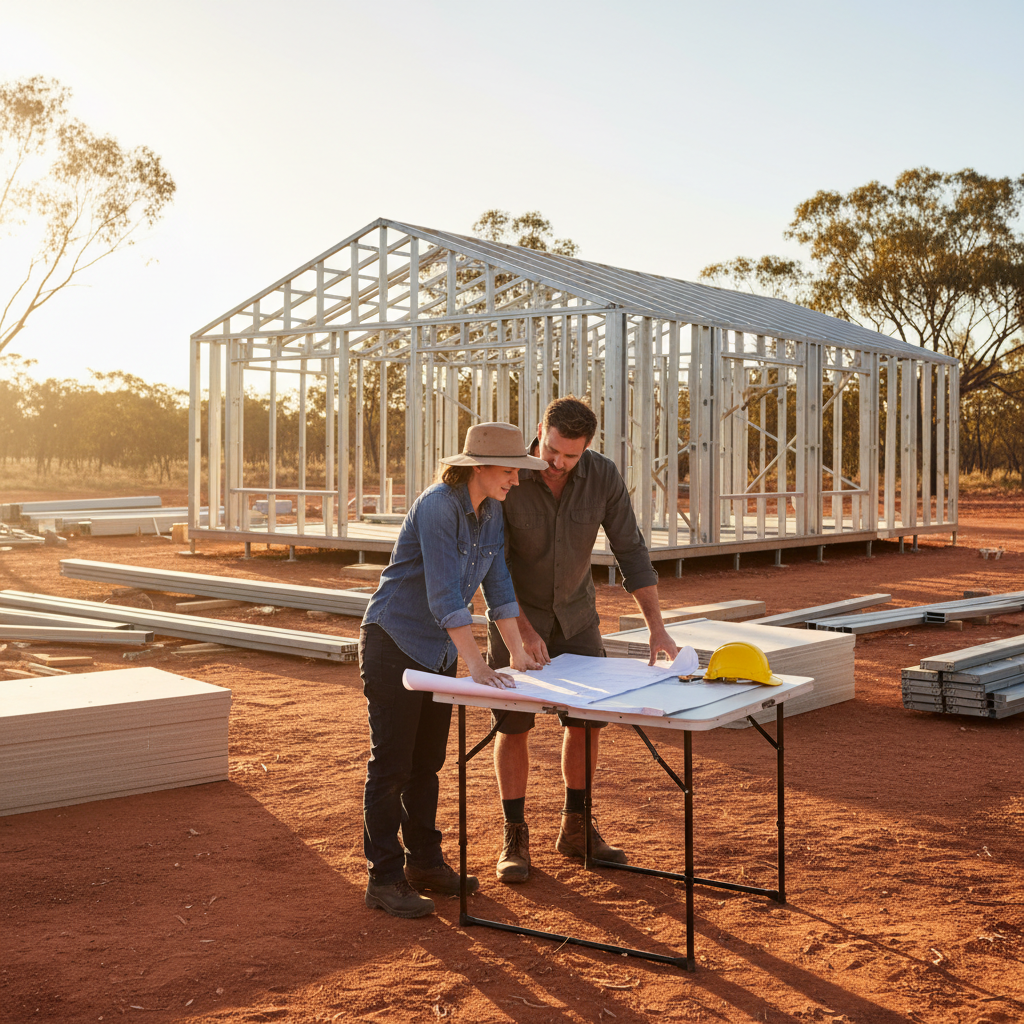
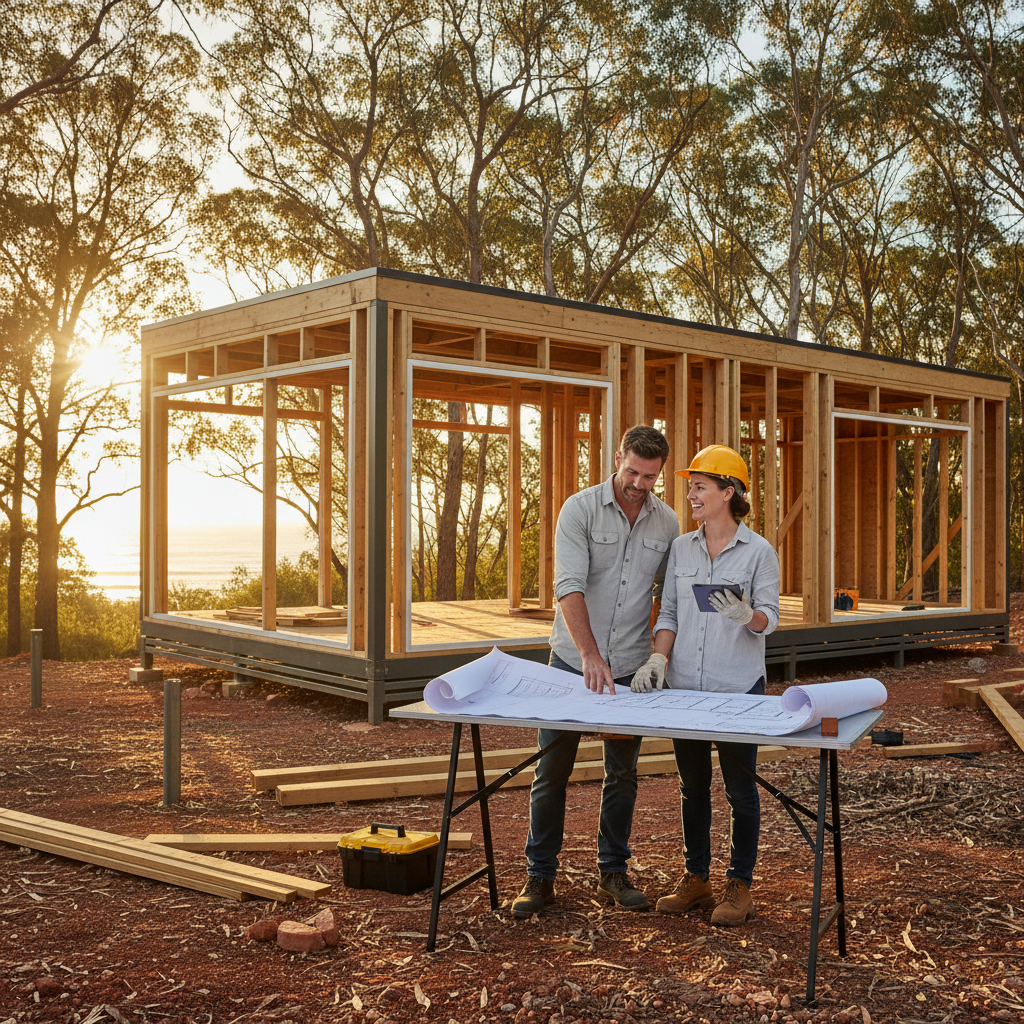
If you're taking on the project yourself, your biggest headache won't be the kit assembly. It'll be the site prep and the council. Coastal sites often have sandy soil, which means your footing design needs to be spot on. You might need deeper piers or a specific type of slab to deal with the drainage. Talk to your engineer early. Don't just guess. And get your BAL (Bushfire Attack Level) rating sorted before you even choose a design. A lot of coastal areas are surrounded by scrub, and if you're in a high BAL zone, you'll need specific glass and spark guards on your vents. Our steel kits are great for fire-prone areas, but the rest of your fit-out has to match.
Plus, there's the trade management side. When you're an owner-builder, you're the boss. You need to make sure your sparky and plumber know the score with the steel frames. They'll need grommets for the cables and specific fasteners. If you're building in a remote coastal spot, factor in the travel time for your trades. Some blokes will charge you a 'sand tax' just because they have to drive an hour out of town. Get your quotes in writing early.
Material Choices That Actually Last
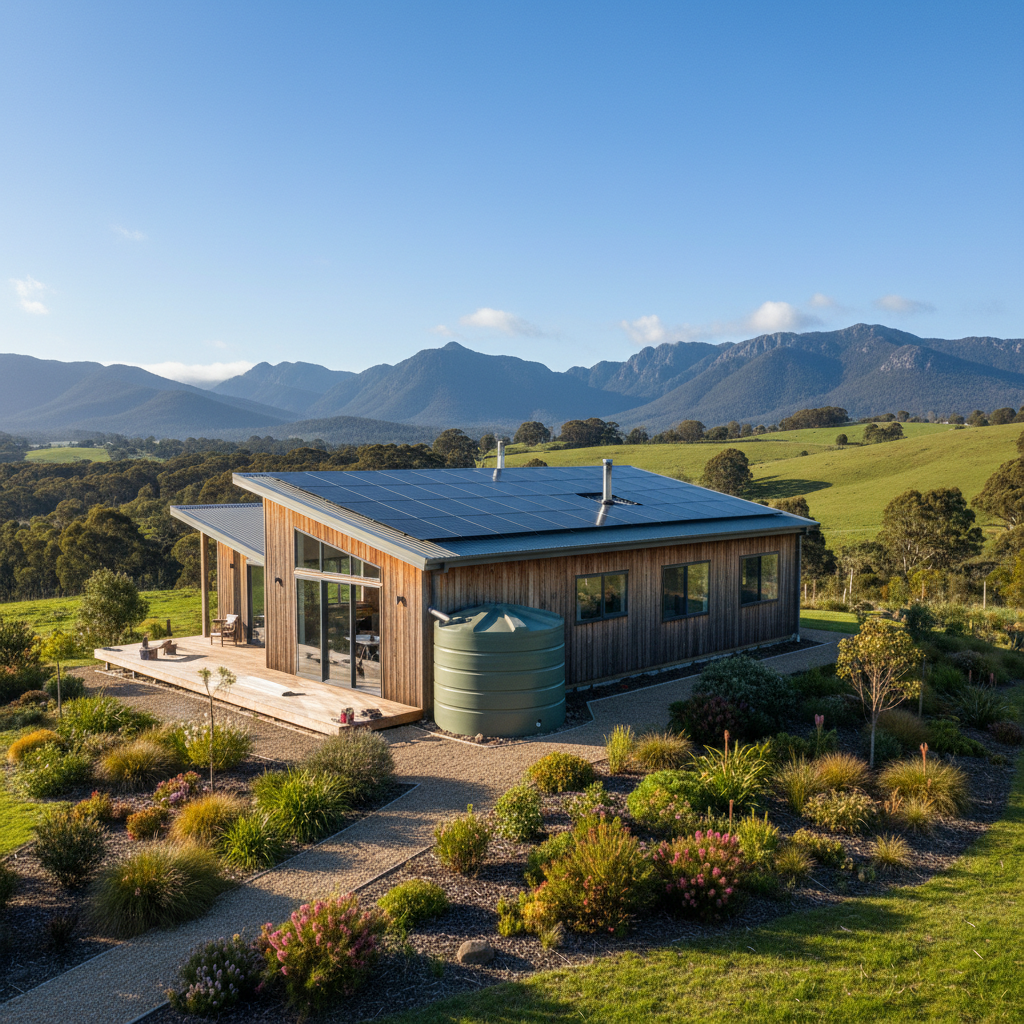
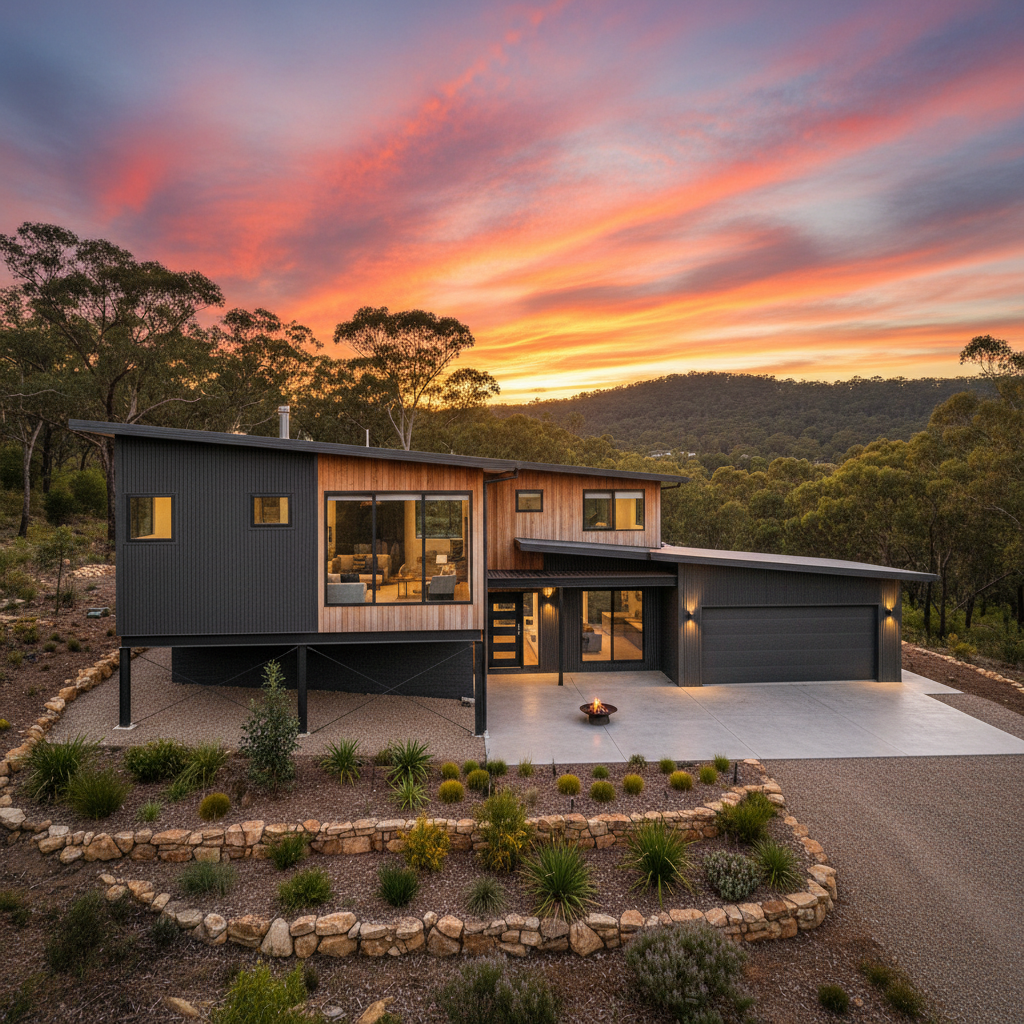
Sticking a house on a cliff or a sandy lot means it's going to take a beating from the elements. I've always reckoned that mid-weight cladding is the way to go for kit homes. It's easier to handle than heavy masonry but tougher than thin vinyl. We include everything from the frames to the insulation, windows, and doors, but the finish is where you make it yours. For a coastal look, vertical cladding is massive right now. It gives that modern barn feel but stays clean. And stay away from dark colours if you're in a hot climate. Sure, black looks cool on Instagram, but it'll turn your house into an oven in the middle of a Queensland summer. Go for the lighter greys or whites. It reflects the heat and hides the salt crust better anyway.
The Practicality of Decks
A coastal home without a deck is like a pub with no beer. It's pointless. But don't just tack a tiny 2x2 metre square on the back. Make it deep. You want at least 3 metres of depth so you can actually fit a table and chairs without someone falling into the garden every time they stand up. Since your kit comes with the main structure, you'll be arranging the deck separately. Use a durable hardwood or a high-quality composite that won't rot. Ensure your fixings are 316-grade stainless steel. Anything less will look like rust-streaked mess within a year.
Technical Realities: AS 4055 and Wind Loads
Let's talk tech for a second. In Australia, we follow AS 4055 for wind loads for housing. If you're building in a coastal town, you're likely looking at an N3 or even a C-class rating depending on how exposed the site is. This affects how many screws go into your roof sheets and how the frames are tied down to the slab. Don't try to skimp here. The kit you get should be engineered specifically for your site's wind speed. Because there's nothing worse than lying in bed during an East Coast Low wondering if your roof is going to end up in the neighbour's yard.
And then there's the insulation. Coastal homes deal with a lot of humidity. You need a good vapour barrier and decent R-value insulation batts to keep the place comfortable. Since our kits include insulation, we make sure it's up to scratch, but you've got to ensure it's installed without gaps. Even a tiny gap in your insulation can let in a massive amount of heat. It's the little things that make a kit home feel like a high-end custom build once it's finished.
Getting the Vibe Right
At the end of the day, a coastal home should feel easy. It shouldn't be high maintenance. You want to spend your weekends surfing or fishing, not painting window frames. That's why the steel and COLORBOND combo works so well. It's basically 'set and forget'. Toss on a high-pressure hose every couple of months to get the salt off, and you're good to go. Inside, keep things simple. High ceilings, which you get easily with our steel roof trusses, make a small floor plan feel massive. Use light, reflective surfaces. Bring the outdoors in. That's the Australian dream, isn't it? Just make sure you've sussed out your site properly and picked a design that works with the land, not against it. Do your homework, get your hands dirty, and you'll end up with a cracker of a beach house for a fraction of what the big developers charge.