The End of the McMansion Era
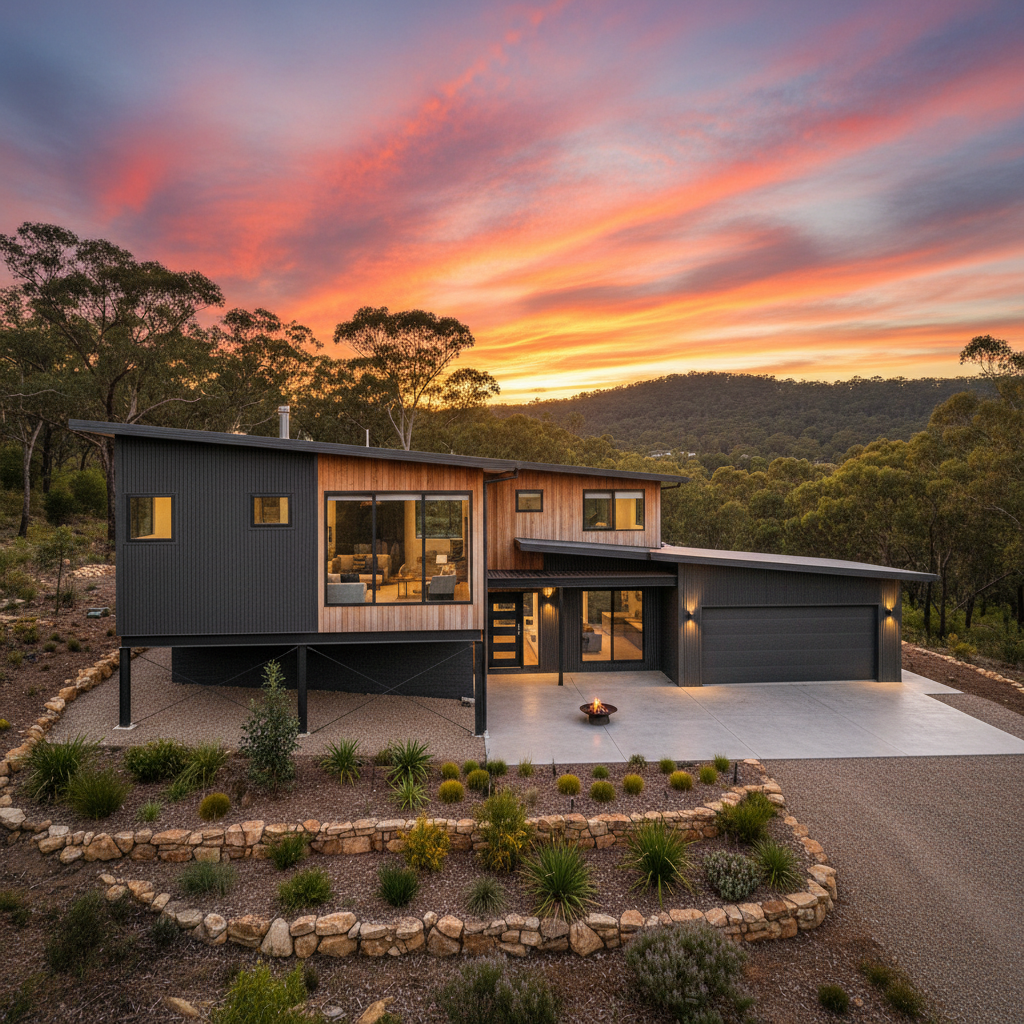
Walk through any new estate on the fringes of Sydney or Brisbane and you'll see them. Massive, double-storey boxes squeezed onto 350-square-metre blocks with about twenty centimetres between the eaves and the fence line. It is a bit suffocating. But lately, something has shifted. I am seeing a massive spike in blokes and families looking for something lean. People are sick of spending their entire Saturday vacuuming rooms they don't even use. They want smaller, smarter footprints that leave actual space for a garden or a shed.
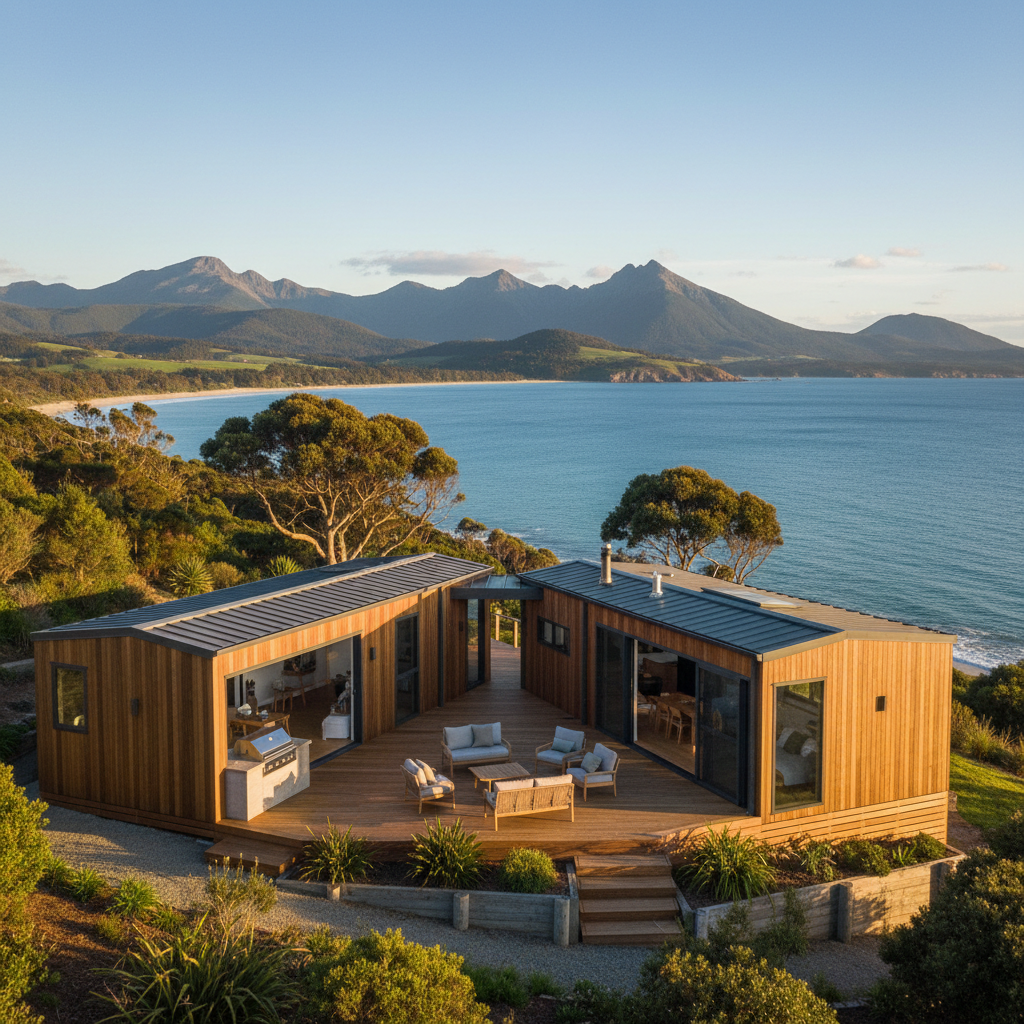
It's not just about saving a few bucks on the build. It is a lifestyle call. If you build a clever two-bedroom kit home instead of a sprawling four-bedroom monster, you've suddenly got time to actually go fishing or head to the beach. Plus, smaller homes are just easier to keep cool in a brutal Aussie summer. Because heat doesn't care how much you paid for your marble benchtops, it just wants to find a way inside. A compact design with good cross-ventilation beats a massive poorly designed house every day of the week.
The Design Logic of Small Thinking
When you strip back the square meterage, every millimetre has to work for its living. I always tell owner-builders to look at the 'dead zone' in their floor plans. Hallways are the biggest culprit. They are just wasted space that costs money to roof and floor. In a smart kit design, you'll see the living area acting as the hub, with bedrooms branching off directly. It feels bigger because the sightlines are open.
High ceilings are the secret weapon here. You can have a tiny 60-square-metre footprint feel like a cathedral if you hike that ceiling height up and throw in some high-set windows. Light flows in, the hot air rises away from your head, and you don't feel like you are living in a shipping container. We had a guy up in Gympie who built one of our smaller gable-roof kits. He used light-coloured cladding and big glass sliding doors. From the lounge room, his eye travels straight out to the paddock, so it never feels cramped. It's about psychology, not just tape measurements.
Steel Frames and Termite Country
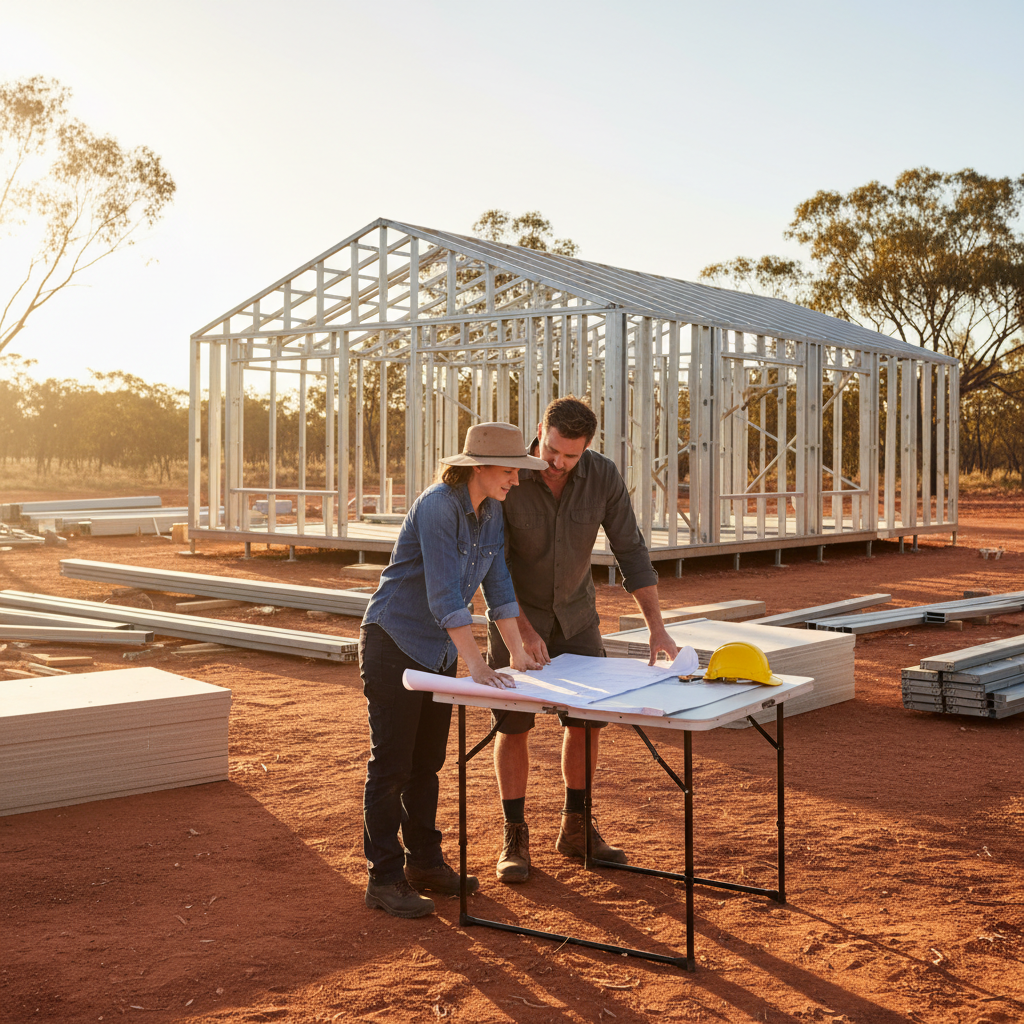
If you are building anywhere north of Melbourne, termites are a genuine threat. They will eat the shirt off your back if you stand still long enough. This is where the shift to steel frames makes total sense for the modern Australian kit home. Using TRUECORE steel from BlueScope means the skeleton of your house is basically a termite's worst nightmare. They can't eat it. It won't warp when the humidity hits 90 percent in January either. Traditional timber frames can move, groan, and twist, leading to cracked plasterboard and doors that won't shut. Steel stays straight. It's precise. When you are an owner-builder doing your own fit-out, having perfectly straight walls is a godsend when you're trying to install kitchen cabinets or skirting boards.
The Owner Builder Reality Check
Being an owner-builder isn't all beers and barbecues once the frame goes up. It is a grind. But it's a rewarding one if you've got your head screwed on right. You are the project manager. You're the one on the phone at 6 am making sure the plumber is actually going to show up this time. My biggest tip? Get your site works sorted before the kit even arrives on the truck. I have seen too many blokes have a beautiful stack of steel frames sitting under a tarp for three months because they didn't book the slab pour in time. Don't be that person. Have your footings ready, your drainage piped in, and a clear spot for the delivery truck to pull in. Those trucks are heavy, and if your site is a muddy bog, the driver will just dump your house at the front gate and wish you luck.
And remember, you aren't just building a house, you're managing trades. Treat your sparkies and chippies with respect. A cold carton of something goes a long way on a Friday afternoon, but clear communication is better. Show them the plans. Make sure they know it is a steel-framed kit. Some old-school trades still get spooked by steel because they have to use different screws or grommets for their wiring. Just explain it's all pre-punched and ready to go. It makes their life easier if they actually look at the holes provided.
Smarter Materials for the Long Haul
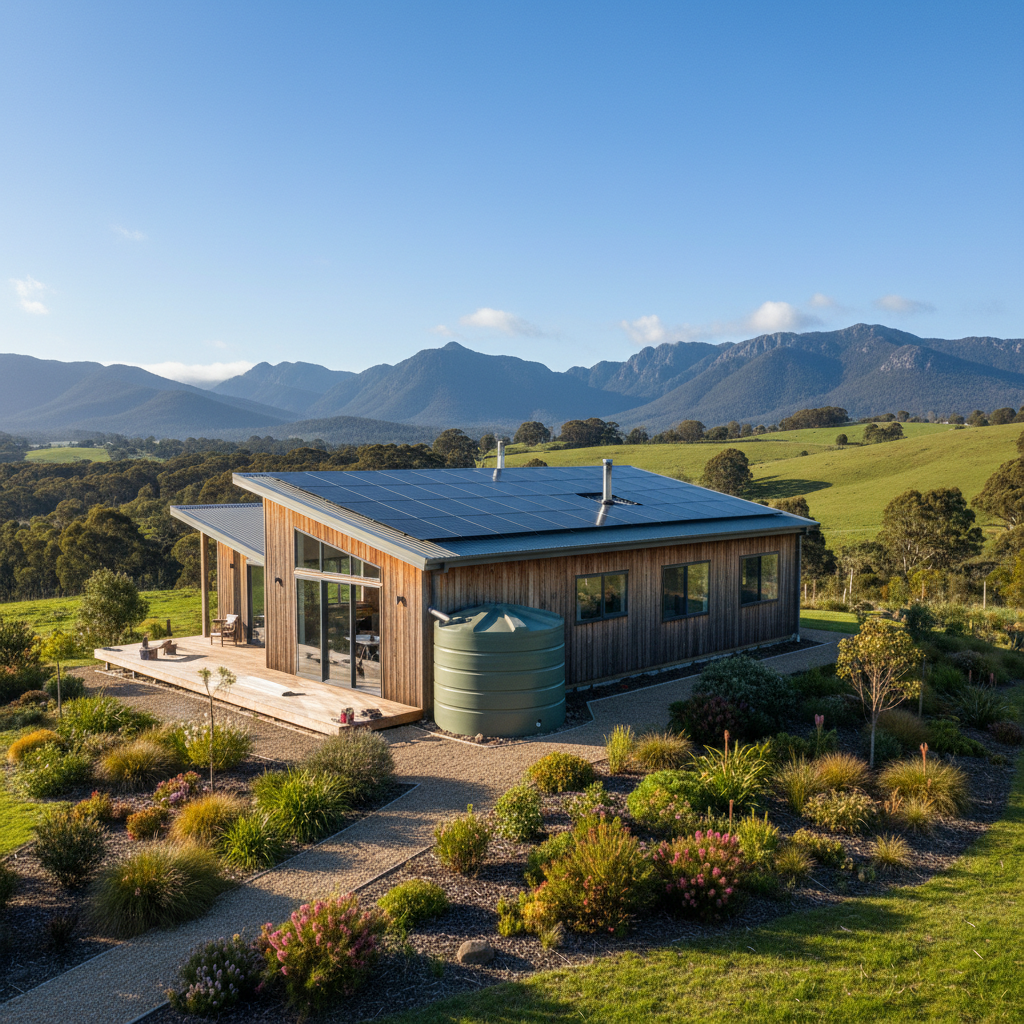
The trend towards smaller homes isn't just about the size, it is about the skin. I'm seeing a lot more interest in high-performance cladding and decent insulation. In the old days, people just chucked some basic batts in the walls and called it a day. Now, with energy prices going nuts, everyone wants to know about R-ratings. Kit homes are great for this because you can easily spec up your insulation before the internal linings go on. Throw some foil wrap on the outside, thick batts in the cavities, and suddenly your house is a thermos.
Roofing is another big one. Most people go for Corro because it's iconic, but the colour matters. If you're out west or up in the Tropics, putting a charcoal or black roof on a house is madness. It's a giant heat sink. Go for the lighter greys or off-whites. It'll stay degrees cooler inside without the air con screaming all day. It's these little practical choices that define the 'smarter' part of the housing trend. It's common sense stuff that got lost during the era of the giant mansion.
Practical Tips for Your Kit Project
- Check your local council requirements first. Every LGA has different rules about granny flats, secondary dwellings, or kit builds. Don't buy a kit until you know you can get it through DA or CDC.
- Plan your storage early. When you go smaller, you lose that big empty garage or spare room. Think about built-in robes, loft space, or even just building a bigger shed later on.
- Don't skimp on windows. Natural light is what makes a small home livable. Spend the extra bit on double glazing if you're in a cold spot or near a noisy road. It's worth every cent.
- Think about the slab. Most kits go on a concrete slab, but if you're on a sloping block, steel floor joists on piers might save you a fortune in excavation and retaining walls.
- Get a good cordless impact driver. If you're doing the assembly yourself, you'll be driving thousands of screws. Your wrists will thank you for buying a decent tool.
The Lifestyle Payoff
There is a specific feeling when you move into a home you've managed yourself. It's better than buying something off the shelf. You know where every screw is. You know exactly what is behind the walls. And when that house is a smart, compact design, you don't feel owned by your mortgage. You've got a roof over your head that doesn't take three days to clean. It's efficient. It's tough. And it's built for the way we actually live today, not some outdated idea of status. The modern Aussie dream isn't a huge house, it's a huge life in a house that doesn't get in the way.