The Great Australian Downsize is Real
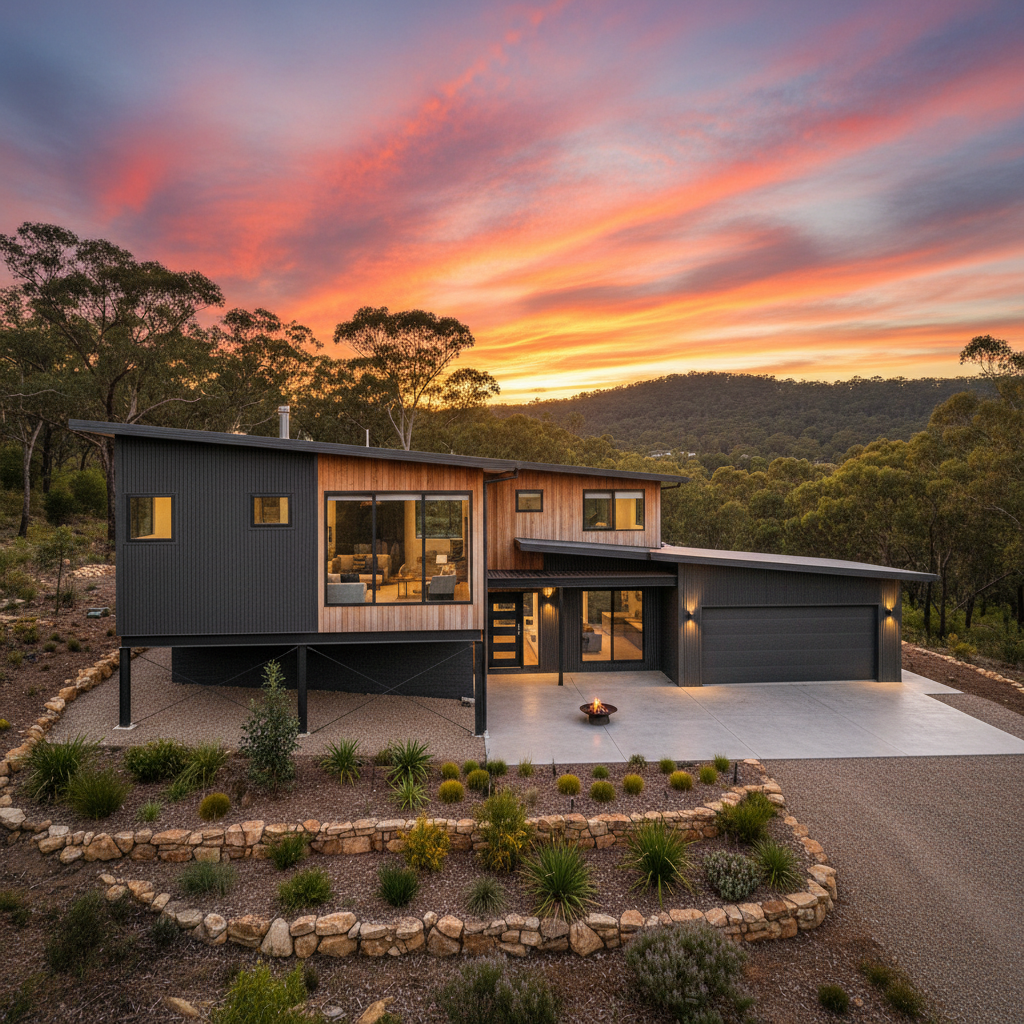
Walk through any new estate in Western Sydney or the outer suburbs of Melbourne and you'll see the same thing. Huge, five bedroom houses squeezed onto blocks so tight you can hear your neighbor brushing their teeth. It's madness. For years, we've been told that bigger is better, but the tide is turning. People are tired of spending their entire weekend vacuuming rooms they don't even sit in. They're looking at kit homes not just as a cheaper way to get a roof over their head, but as a way to get a smarter one.
I've talked to guys in the shed who are sick of the 30 year mortgage trap. They want a home that fits their life, not a life that services their home. This shift toward smaller, more conscious design isn't about being stingy. It's about priority. If you build a two bedroom kit home instead of a massive five bedroom mansion, you've suddenly got the cash for that 6.6kW solar system or the high-end kitchen stone you actually wanted. Plus, you aren't heating and cooling dead air. It makes sense.
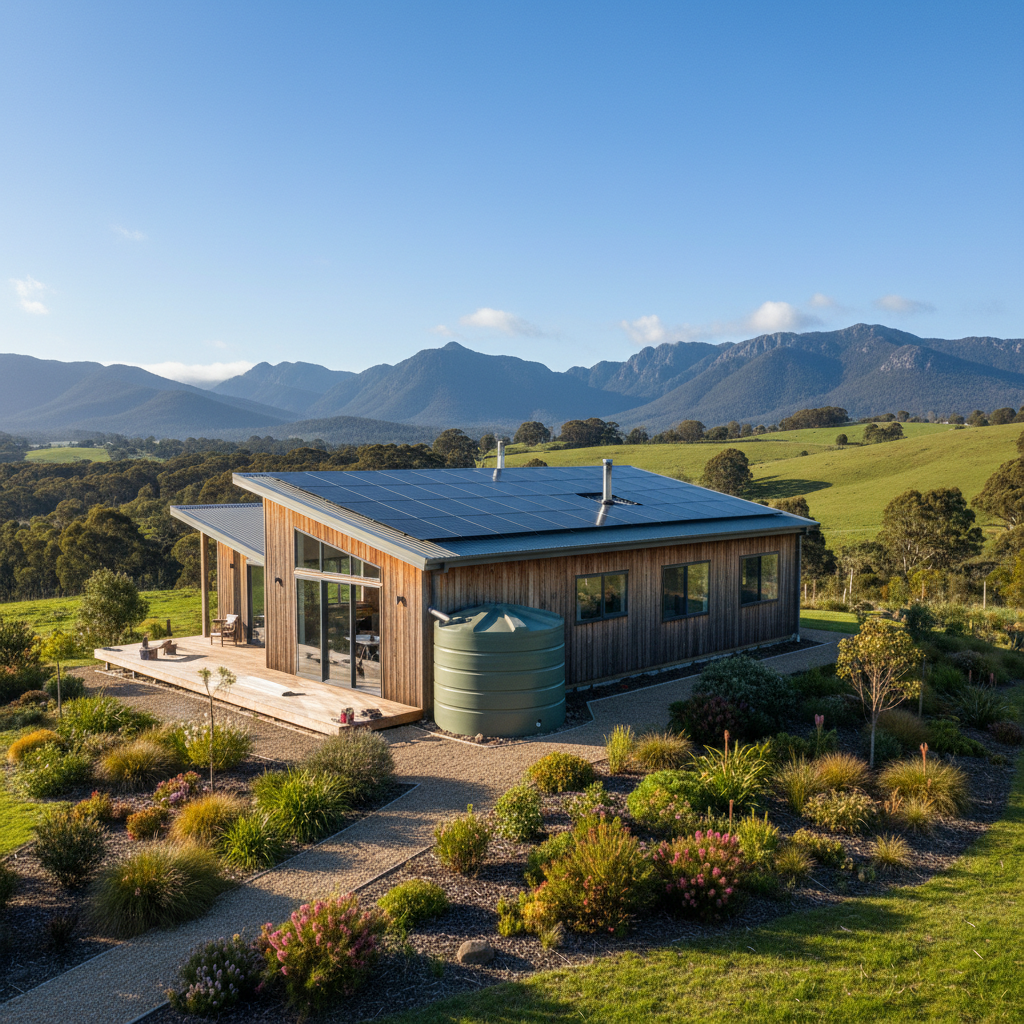
We're seeing a massive spike in interest for secondary dwellings and compact footprints. Whether it's a granny flat for the in-laws or a standalone studio on a rural block in the Hunter Valley, the goal is the same: efficiency. A well-designed 60 square meter kit home can feel bigger than a 100 square meter house if the light is right and the hallways aren't chewing up all your usable space.
The Steel Frame Advantage in Modern Design
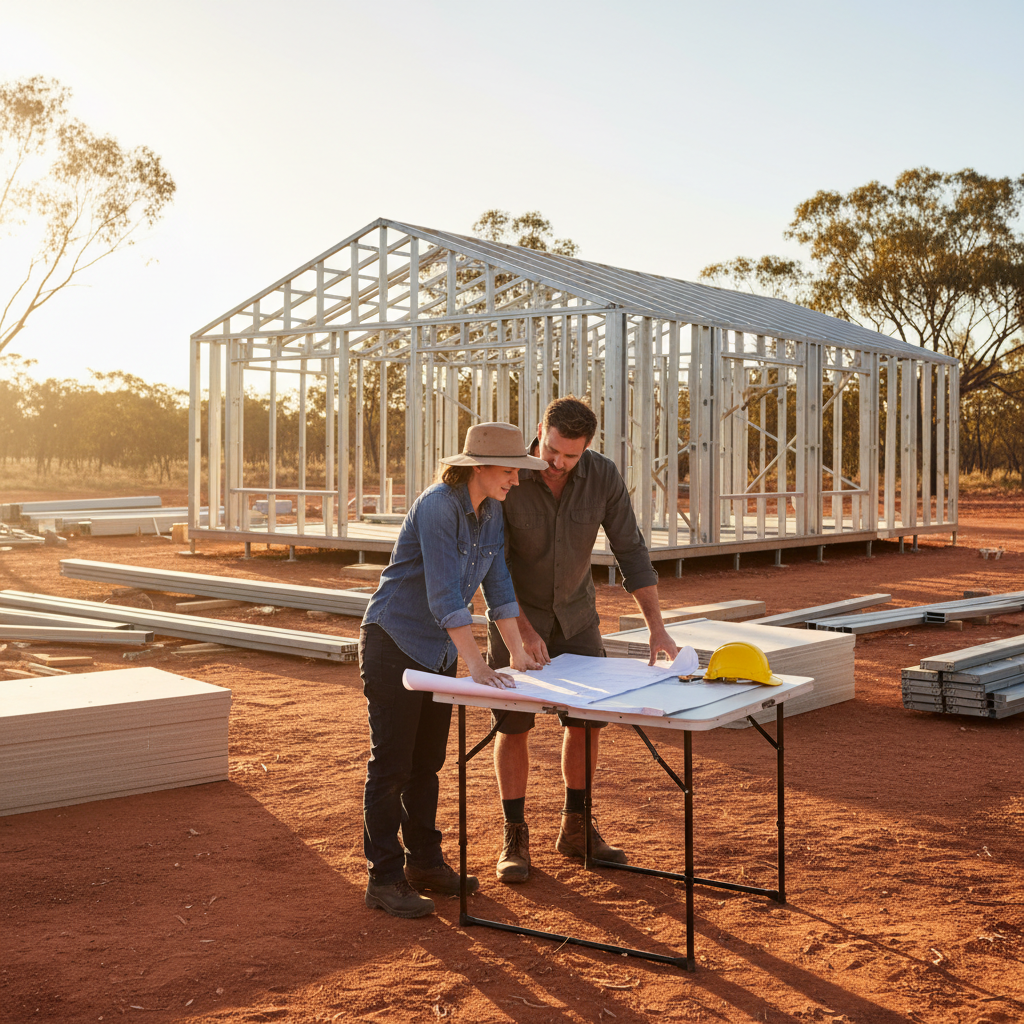
When you're building small, every millimeter counts. This is where steel frames really shine. We use BlueScope TRUECORE steel because it stays straight. Wood is great, don't get me wrong, but it's a natural product. It twists. It bows. It has knots. If you're trying to install a long run of custom cabinetry in a tight kitchen, a wonky stud will make your life a misery. Steel gives you those dead-straight lines that make the finish look like a pro did it, even if it's your first time swinging a hammer as an owner-builder.
Because steel has a high strength-to-weight ratio, you can often get away with wider spans without needing massive, bulky bulkheads. It opens up the floor plan. In a small home, you want that open-plan feel so you don't feel like you're living in a shoebox. Also, if you're building in a Bushfire Attack Level (BAL) rated zone, steel is a no-brainer. It doesn't burn. It doesn't feed the fire. And it's termite-proof. You can sleep a bit easier when you aren't worried about the local subterranean termites treating your floor joists like a Sunday roast.
Tips for the Savvy Owner-Builder
Before you go out and buy a kit, you need to do your homework. Australia has some of the strictest building codes in the world. You'll be dealing with the National Construction Code (NCC) Volume 2, and trust me, the inspectors don't take excuses.
- Site Access is King: I saw a bloke once who ordered a full kit for a backyard build but forgot he only had a 900mm wide side gate. The truck couldn't get anywhere near the slab. He ended up carrying every single steel piece by hand. It took him four days and his back was shot. Check your access before the delivery arrives.
- Sequence Your Trades: As an owner-builder, you're the project manager. Don't book your sparky for the same day the plumber is supposed to be laying the internal drainage. They'll spend the whole day swearing at each other and you'll still get a bill for the call-out.
- Slab Precision: A kit home is manufactured to the millimeter. If your concrete slab is 20mm out of square or has a massive hump in the middle, the frames won't sit right. Spend the extra time getting the formwork perfect. It's the foundation of everything that follows.
The Reality of Doing It Yourself
Building your own home is hard work. It's dusty, it's tiring, and you'll probably lose a fair bit of skin off your knuckles. But there's a specific kind of pride in standing back and looking at a finished house you put together with your own two hands. We provide the kit with the frames, roofing, and cladding, but the finishing touches are where the personality comes in.
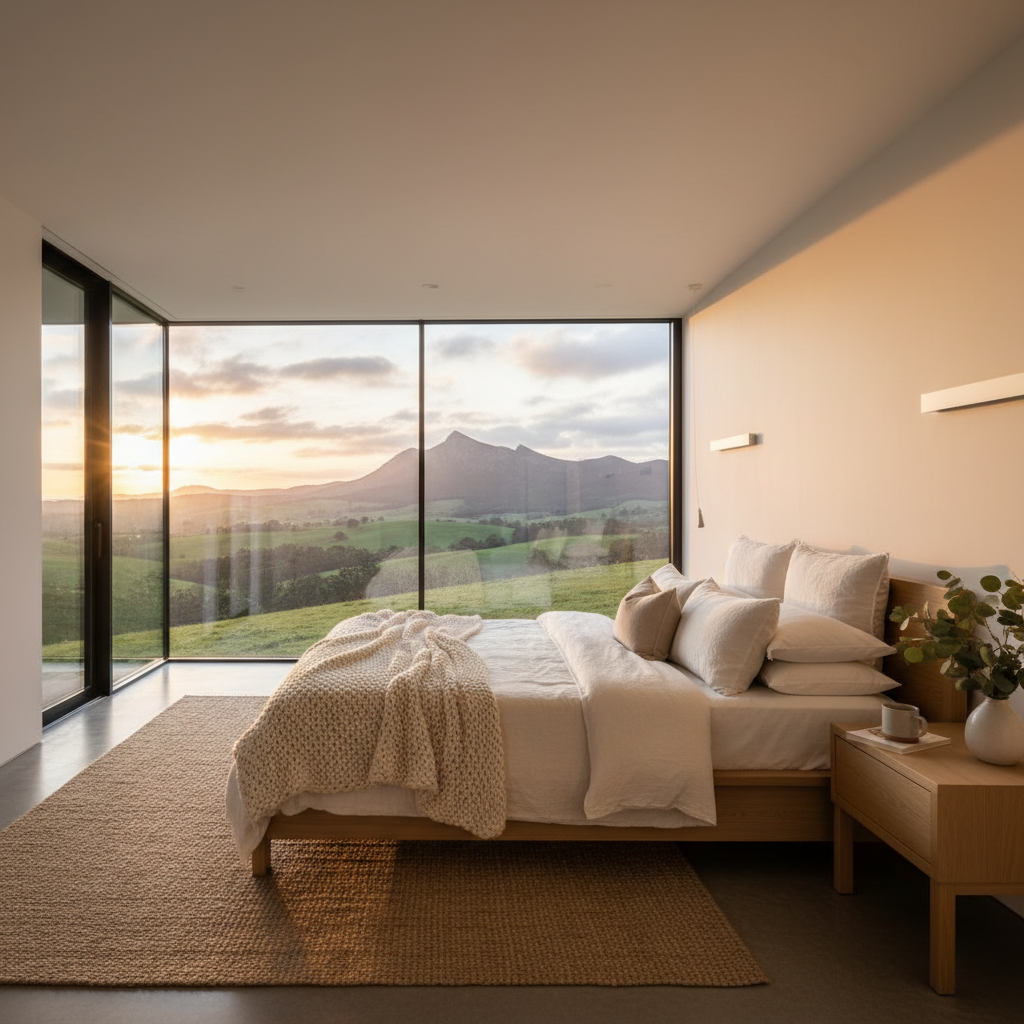
Think about your orientation. In Australia, we want those big windows facing North. It's basic science. You get the winter sun deep into the house to warm up the slab, but the high summer sun hits the eaves instead of your eyeballs. If you get the orientation wrong, you'll be cranky and sweaty for six months of the year. No amount of air conditioning can fix a badly positioned house.
Don't skimp on insulation either. Most kits come with standard stuff, but if you're in a place like the Snowy Mountains or up in the humidity of Cairns, you might want to look at upgrading. It's much easier to throw in some extra batts before the internal linings go on than it is to fix a cold house later.
Smart Layouts over Big Rooms
The trend is shifting away from formal dining rooms. Nobody uses them. They're a waste of space that just collects dust and old mail. Instead, people are opting for bigger outdoor decks. In the Aussie climate, an integrated deck is basically an extra living room for nine months of the year. If you're looking at kit designs, look for how the indoor flow connects to the outdoors. Sliding doors that open wide can make a small living area feel massive.
Storage is the other big one. Small homes fail if there's nowhere to put the vacuum cleaner or the Christmas tree. Use the height of the walls. Steel frames are strong, so you can bolt in some serious shelving systems. Use every nook. Under the bed, over the fridge, everywhere.
Building a home this way gives you control. You aren't at the mercy of a big volume builder who wants to charge you five grand every time you want to move a light switch. You're the boss. You manage the site, you pick the colors, and you make sure the job is done right. It's a big responsibility, but for the right person, it's the best way to get into the property market without losing your soul to a massive debt.
The Australian dream isn't about the quarter-acre block anymore. It's about freedom. Freedom from massive bills, freedom from endless maintenance, and the freedom to spend your time doing what you actually love. A smart, steel-framed kit home is local, it's tough, and it's plenty enough for most of us. Just make sure you've got a good spirit level and a decent pair of boots before you start. You're going to need them.