The Unseen Threat in Your Backyard
There is nothing quite like the feeling of finally standing on your own patch of dirt, kit home plans in hand, ready to build. But in Australia, we share that dirt with a tiny, relentless enemy. Subterranean termites. These little blokes cause more damage to Aussie homes than fires, floods, and storms combined. And the worst part? Most standard home insurance policies won't even cover the damage. Talk about a headache.
If you are planning to build your own place, you've probably heard horror stories about timber frames turning into piles of sawdust within a few months. It happens faster than you'd reckon. This is exactly why more owner-builders are turning to steel. Specifically, high-quality Australian steel like TRUECORE. It is not just about strength or straight lines. It is about building a fortress that termites simply cannot eat.
Ever wondered why some people seem so relaxed during building inspections? They've probably sussed out the benefits of a steel frame. When your primary structure is made of metal, you aren't just slowing down the pests. You are removing their food source entirely. It is a cracker of a way to ensure your investment stays standing for the long haul.
The Steel Frame Advantage: More Than Just Metal
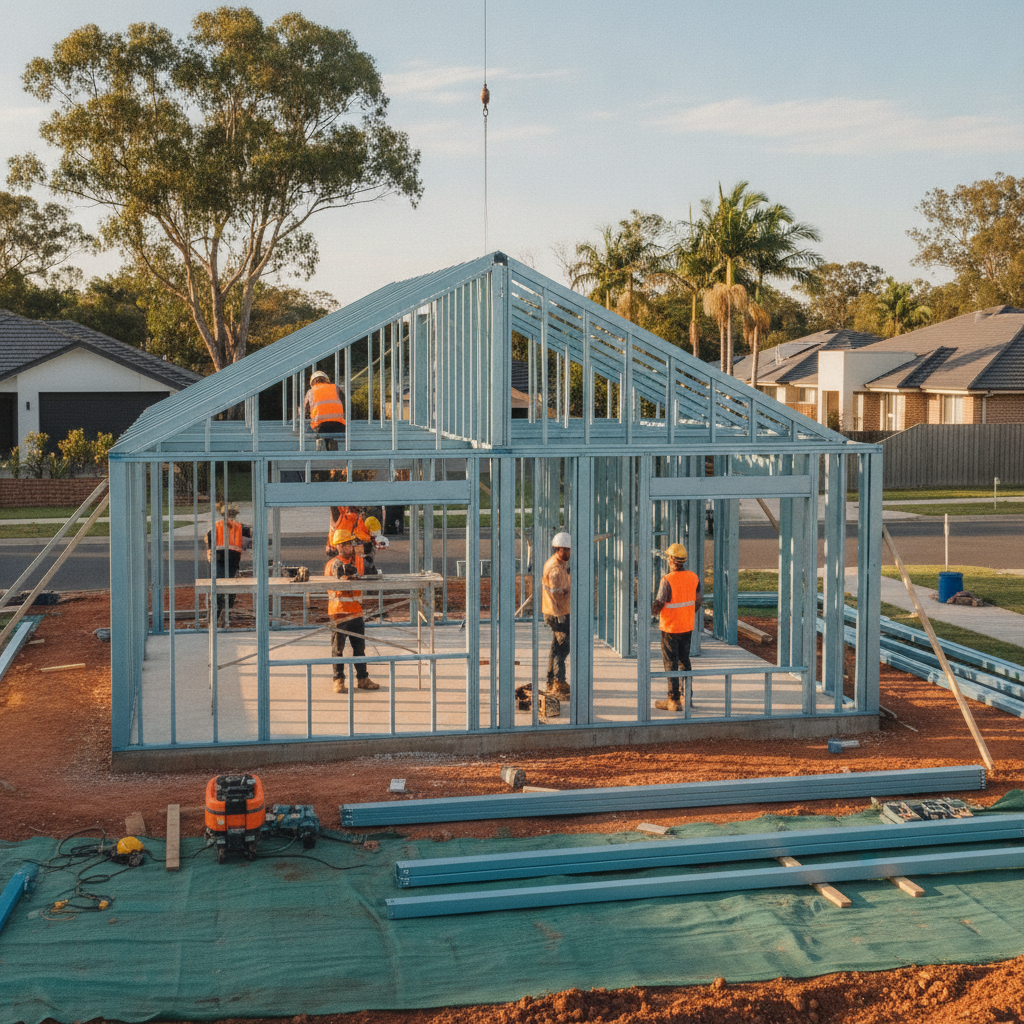
When we talk about steel frames in the context of kit homes, we aren't just talking about a bit of metal shelving. We are talking about precision-engineered framing systems. These frames are manufactured to the millimeter, meaning everything is square, true, and ready to bolt together. But let's stay focused on the real hero here: termite resistance.
Termites are attracted to cellulose, which is found in wood. When you use a steel frame, there is zero cellulose in your structural skeleton. It is literally impossible for a termite to eat your house down. While they might still try to build mud tunnels to reach other parts of the home (like your skirting boards or furniture), the actual bones of the house remain untouchable. This gives you a massive head start on your pest management strategy.
No Chemical Barriers Required for the Frame
One thing that catches people off guard is the ongoing cost and hassle of chemical termite treatments. With a traditional timber home, you're looking at regular chemical top-ups and barriers to keep the bugs at bay. These chemicals aren't exactly great for the environment, and they certainly aren't cheap over a thirty-year period. With steel, the frame itself is the barrier. You still need to follow Australian Standards for termite management (AS 3660.1), but your critical structural components are naturally immune. No worries.
Why Australian Steel Matters
Not all steel is created equal. In the Australian sun and harsh environments, you need stuff that's built for our conditions. That is why we use TRUECORE steel from BlueScope. It is specifically designed for the residential market. It features a distinctive blue finish and a protective alloy coating that resists corrosion.
But back to the termites. Because the steel is so strong, it allows for wider spans and open-plan designs that might be a bit tricky or expensive with timber. You get a house that looks modern and feels spacious, all while knowing it's basically a steel cage for your family's safety. It's a win-win. We've seen plenty of owner-builders get a real sense of relief when they realize they don't have to stress about the 'silent destroyer' every time they hear a creak in the night.
Working as an Owner-Builder with Steel
Ready to get your hands dirty? Many DIY enthusiasts worry that steel frames might be harder to work with than timber. Actually, it's often the opposite. Because the components are cut to length and pre-punched, it's a bit like a giant Meccano set. You aren't out there with a hand saw trying to make things fit. You are assembling a precision-made kit.
Here are a few tips for when your steel frame kit arrives on the ute or truck:
- Check your layout: Before you start bolting things down, lay out your floor tracks. Precision is key.
- Use the right tools: You'll want a good quality impact driver and the right tek screws. Don't cheap out here.
- Safety first: Steel edges can be sharp. Wear your gloves and eye protection. It sounds basic, but you'll thank us later.
- Plan your services: One of the best bits about steel frames is the pre-punched holes for electrical and plumbing. It makes the tradies' lives heaps easier once you reach the fit-out stage.
And remember, because steel doesn't warp, twist, or shrink like timber, your walls will stay straight. That means no popped nails in your plasterboard down the track. It makes the finishing work much smoother for an owner-builder who wants a professional result.
The Environmental Factor
We often talk about the longevity of steel, but what about the planet? Steel is 100% recyclable. If, in a hundred years, someone decides to pull the house down, that steel can be melted down and turned into something else. Plus, by choosing a termite-proof frame, you are significantly reducing the amount of pesticides and chemicals pumped into the ground around your home over its lifetime. It’s a cleaner way to build. Simple as that.
Common Myths About Steel Frames
So what's the catch? Some people reckon steel frames make the house noisy or that they interfere with Wi-Fi. Let's clear that up. Modern steel frames are engineered to allow for thermal expansion and contraction without the 'creaks' people associate with old metal sheds. As for your internet? Your phone and Wi-Fi work just fine inside a steel-framed home. We've tested it, and thousands of Australian families can confirm it's a non-issue.
But does it feel different? Not really. Once the cladding and plasterboard are on, you can't tell the difference between a steel-framed home and a timber one by looking at it. The difference is all in the peace of mind. You know that if a swarm of termites decides to move into your neighborhood, they'll find your neighbors' houses a lot more appetizing than yours.
Getting the Job Done Right
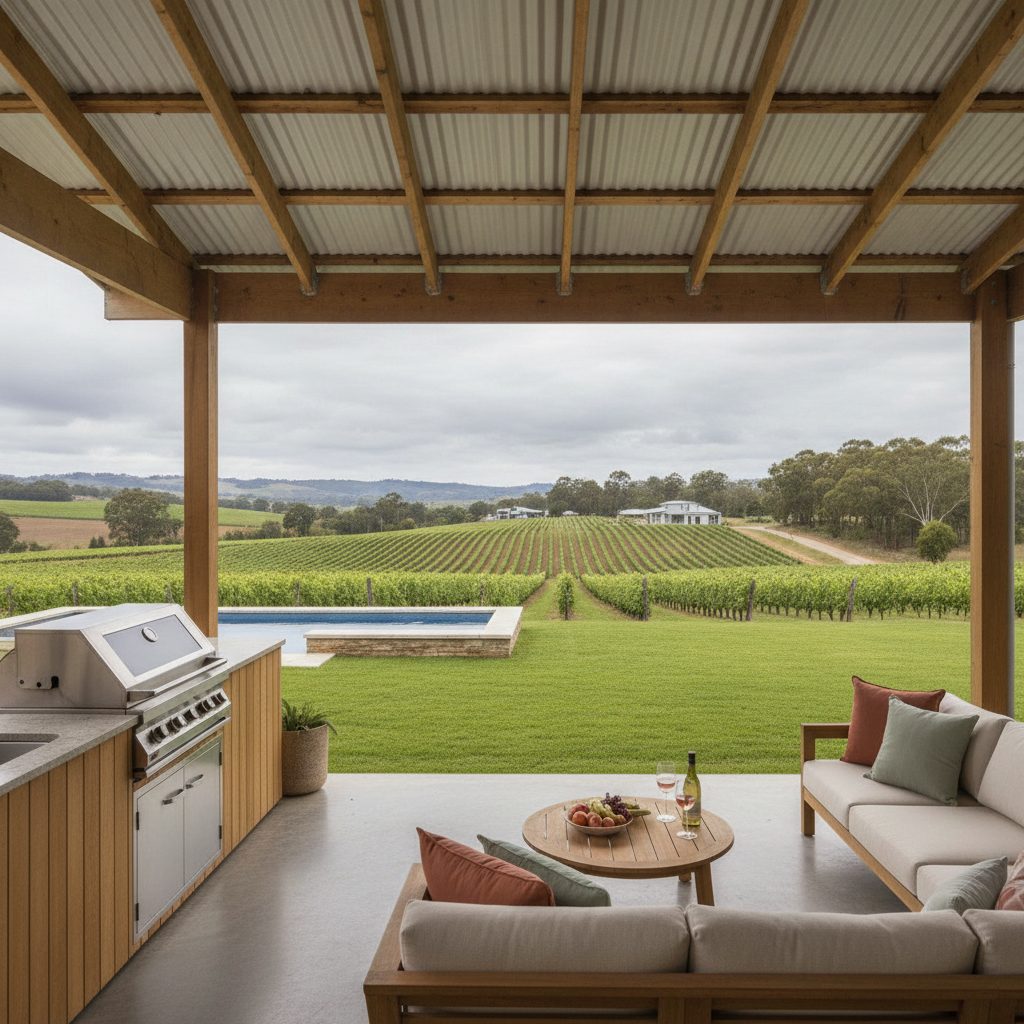
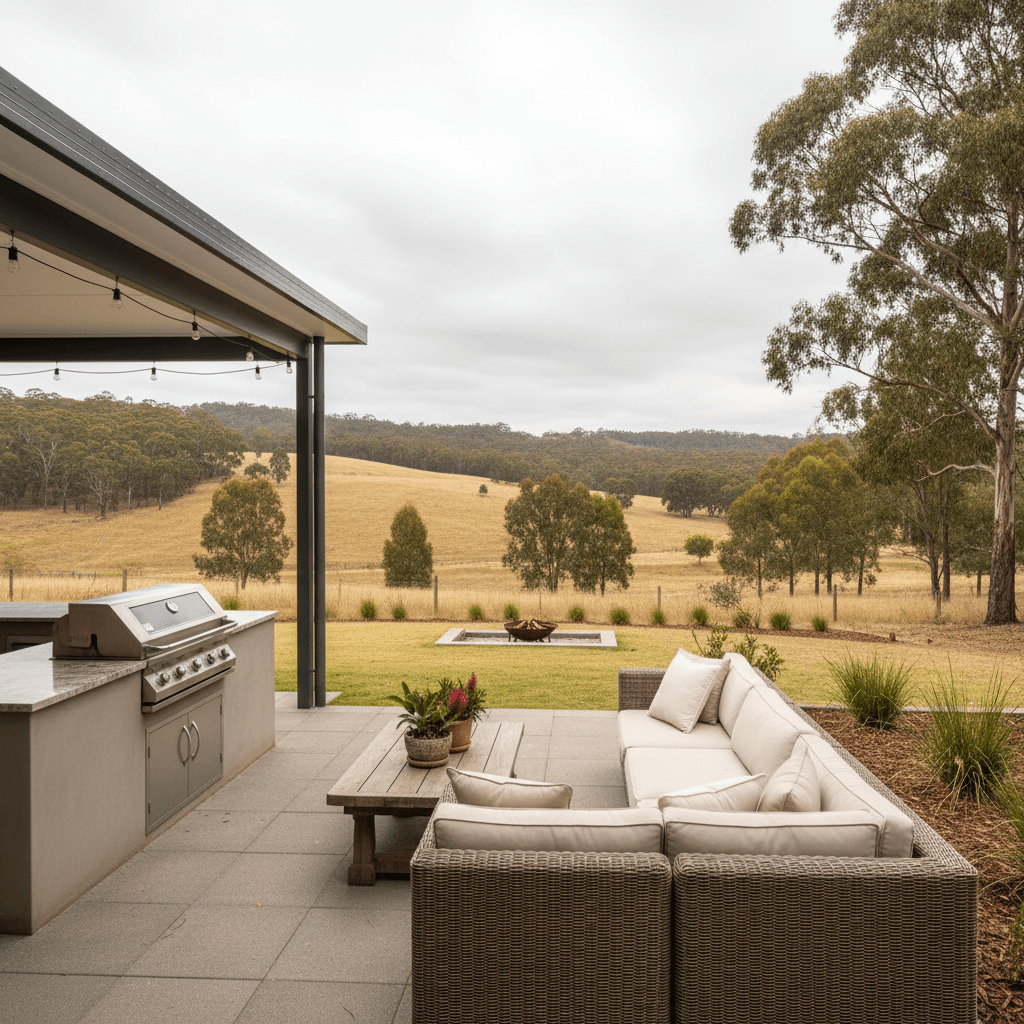
Success as an owner-builder comes down to the choices you make before the first shovel hits the ground. Choosing a steel frame kit is a proactive decision. It’s about building for the future. When you're sitting on the deck during a Sunday arvo barbie, the last thing you want to be thinking about is whether something is eating your floor joists.
Take the time to research your site. Understand the termite pressure in your specific area. Talk to local councils and builders. You'll find that in many parts of Australia, steel is quickly becoming the gold standard for kit homes. It just makes sense. Why gamble with the most expensive thing you'll ever own?
Building your own home is a massive undertaking. It's challenging, exciting, and occasionally a bit stressful. But by choosing materials that are durable, engineered for the climate, and naturally resistant to pests, you're giving yourself the best possible start. Steel frames offer a level of certainty that timber just can't match. It’s solid. It’s straight. And it’s definitely not on the menu for termites. She'll be right – actually, she'll be better than right. She'll be steel.