Small Home, Big Life: Mastering the Art of Compact Kit Home Living in Australia
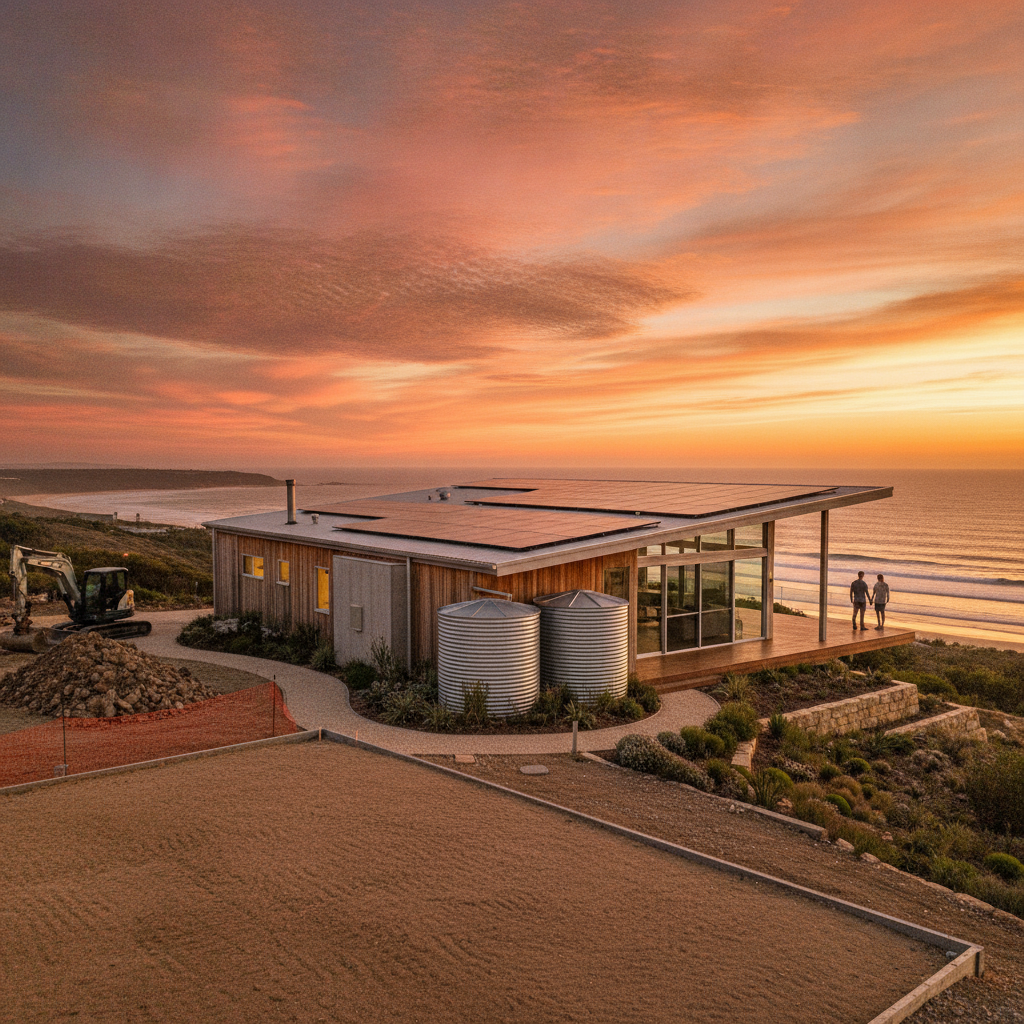
There is a quiet revolution happening across the Australian landscape. From the rolling hills of the Sunshine Coast hinterland to the rugged coastline of South Australia, people are swapping sprawling mansions for something a little more intentional. The small home movement is no longer just a trend, it is a lifestyle choice that prioritizes freedom, sustainability, and clever design over sheer square meterage.
Choosing a kit home is one of the most rewarding ways to join this movement. It offers a unique opportunity to be hands-on with your build while ensuring you have a high quality, structurally sound starting point. However, when you are working with a compact floor plan, every centimetre counts. In this guide, we will explore how to design and live in a small kit home that feels incredibly spacious, functional, and uniquely yours.
The Psychology of Small Space Design
Living small does not mean living restricted. In fact, many Australians find that downsizing to a compact kit home actually expands their lifestyle. Less time spent cleaning and maintaining a massive house means more time spent outdoors or pursuing hobbies. To make a small home feel large, you need to focus on three core principles: light, flow, and multi-functionality.
Embrace Vertical Volume
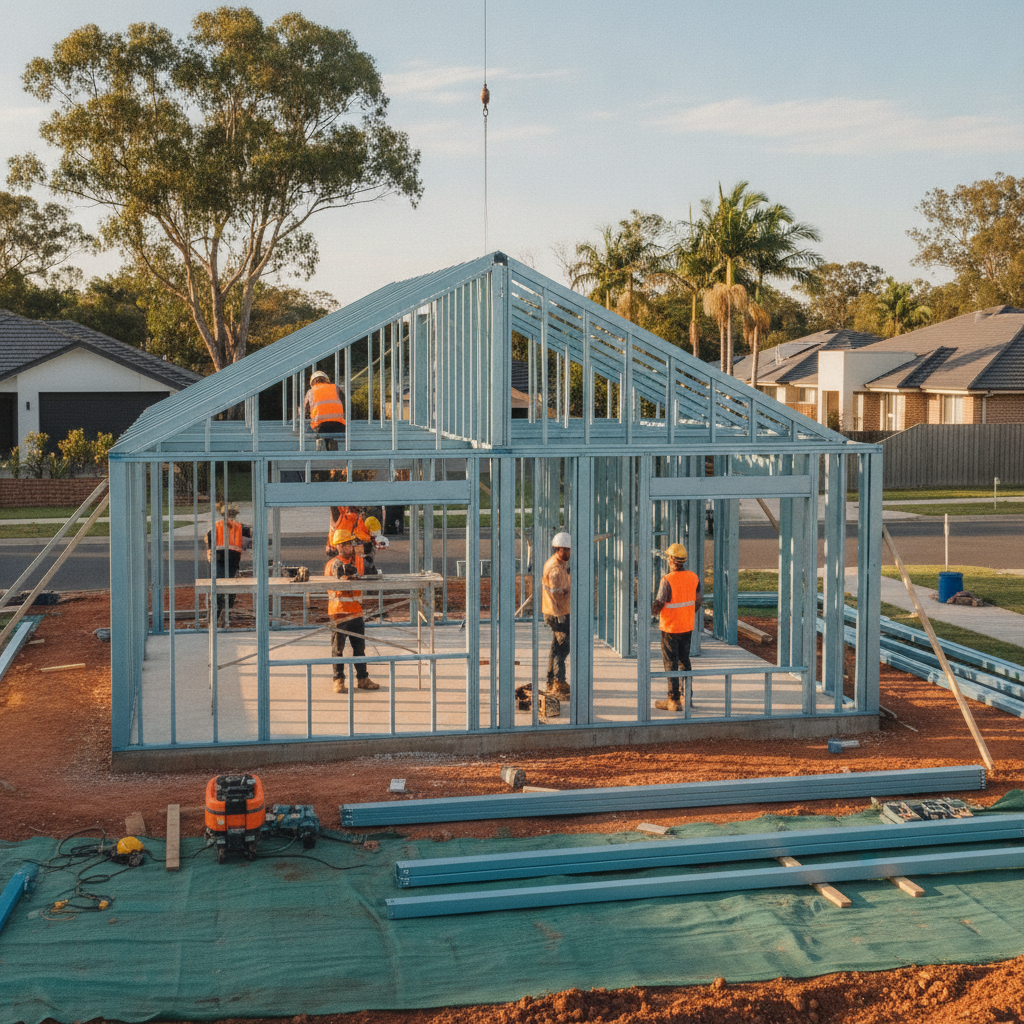
When floor space is limited, look up. One of the greatest advantages of working with steel frame kit homes is the ability to create soaring raked ceilings or high pitch roofs without the bulk of traditional timber rafters. Increasing your ceiling height instantly changes the atmosphere of a room. It allows heat to rise in summer (a must for the Australian climate) and provides a sense of grandeur even in a one bedroom cottage.
Strategic Sightlines
A home feels small when your eyes hit a wall everywhere you look. To counter this, lean into open plan living. By minimizing internal walls, you allow the eye to travel from the front door right through to the back deck. Using the same flooring throughout the entire home also creates a seamless visual flow that tricks the brain into perceiving a larger area.
Smart Layouts for Kit Home Owners
When selecting your kit home floor plan, think about how you genuinely live your day to day life. Do you really need a formal dining room, or would a large kitchen island with stools serve you better? Here are some practical layout tips for the owner builder:
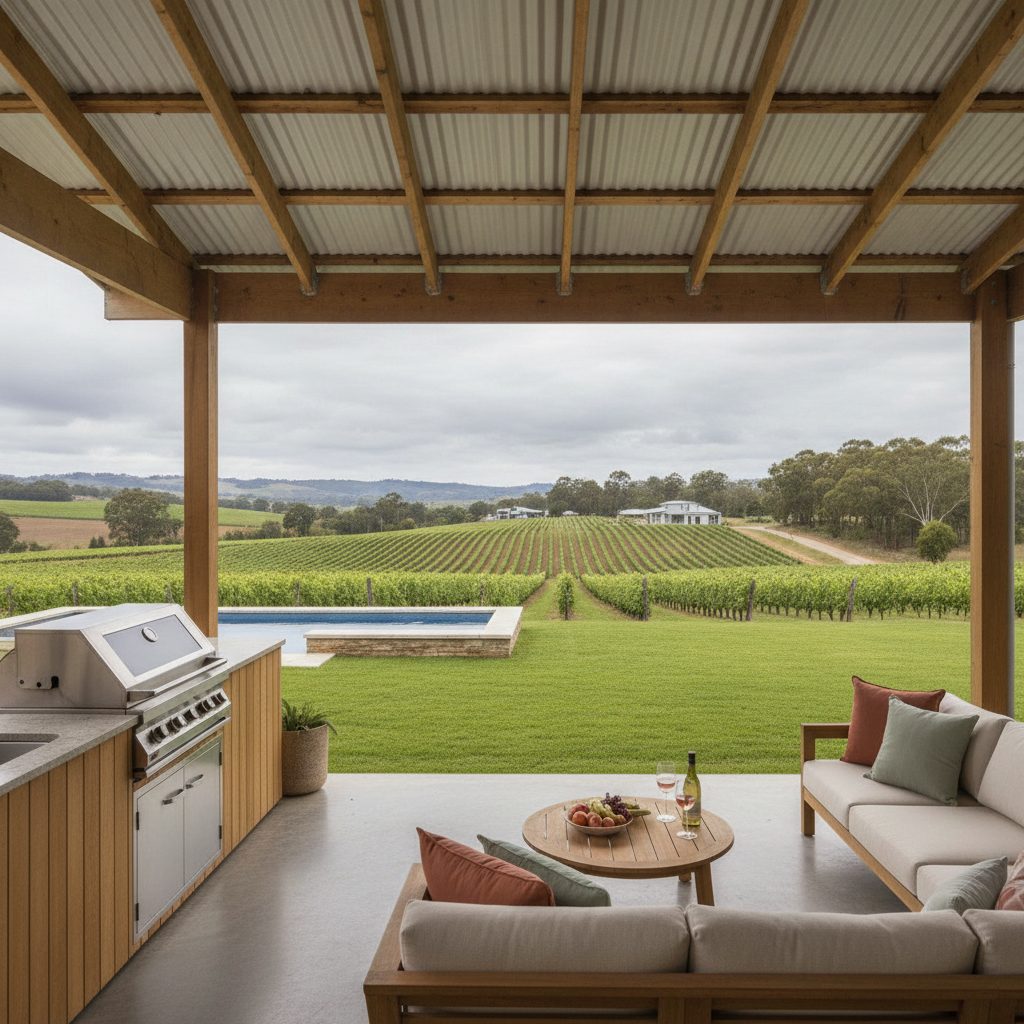
- The Indoor-Outdoor Shift: In Australia, our climate allows us to treat a deck as an extra room. Ensure your kit home design includes large sliding doors that lead out to a verandah. If your deck is level with your indoor floor, your living space effectively doubles.
- Pocket Doors and Sliders: Traditional swinging doors take up a lot of "swing space." Requesting designs that accommodate cavity sliders or barn doors can reclaim valuable floor area in bathrooms and bedrooms.
- High-Functioning Zones: Avoid hallway space where possible. In a small home, a hallway is often dead square meterage. Look for floor plans where rooms lead off a central living hub.
The Steel Frame Advantage: A Designer’s Perspective
While the focus of a small home is often on the finishes, what is under the skin matters immensely. Many Australian owner builders prefer kits using TRUECORE steel from BlueScope for several lifestyle reasons. Firstly, steel frames are incredibly straight and true. When you are installing custom cabinetry or floor-to-ceiling shelving in a compact space, you need perfectly square walls. Steel won't warp or twist over time, meaning your sleek, modern kitchen won't end up with gaps or sticking drawers.
Furthermore, the strength-to-weight ratio of steel allows for larger window openings. If you are building on a beautiful block of land, bringing the outside in with massive glass panes is the best way to make a small kit home feel infinite.
Storage Hacks for the Owner Builder
Clutter is the enemy of small home living. When you are managing your own kit home project, you have the flexibility to build storage into the very fabric of the house. Consider these DIY-friendly ideas:
Window Seats with a Secret
During your fit-out, build a bench seat under a large window. Not only does this create a cozy reading nook, but the base can be used for deep drawer storage. It is the perfect place for bulky items like spare blankets or beach gear that don't need a dedicated closet.
The Power of Integrated Joinery
Instead of buying freestanding wardrobes, work with your kit’s layout to create built-in, floor-to-ceiling storage. Mapping this out early in your build process ensures you have the right nogging in your steel frames to support the weight of heavy shelving or cabinetry.
Living the Lifestyle: Practical Tips
Moving into a compact kit home requires a bit of a mindset shift. Here are some real-world tips for making the transition a success:
- Edit Your Belongings: Before you move in, go through a rigorous decluttering process. If an item doesn't serve a purpose or bring you joy, it doesn't deserve a spot in your beautiful new space.
- Choose Quality Over Quantity: In a small home, you will see your furniture every single day. Invest in a few high-quality, beautiful pieces rather than overcrowding the room with cheap, bulky items.
- Think About Lighting: Use a mix of task, ambient, and accent lighting. Well-placed LED strips under kitchen cabinets or wall sconces in the bedroom can add depth to a room, making it feel more intentional and spacious.
- Mirror Magic: It is an old trick because it works. Large mirrors placed opposite windows will reflect light and views, effectively "breaking" the wall and adding optical depth.
The Owner Builder Journey
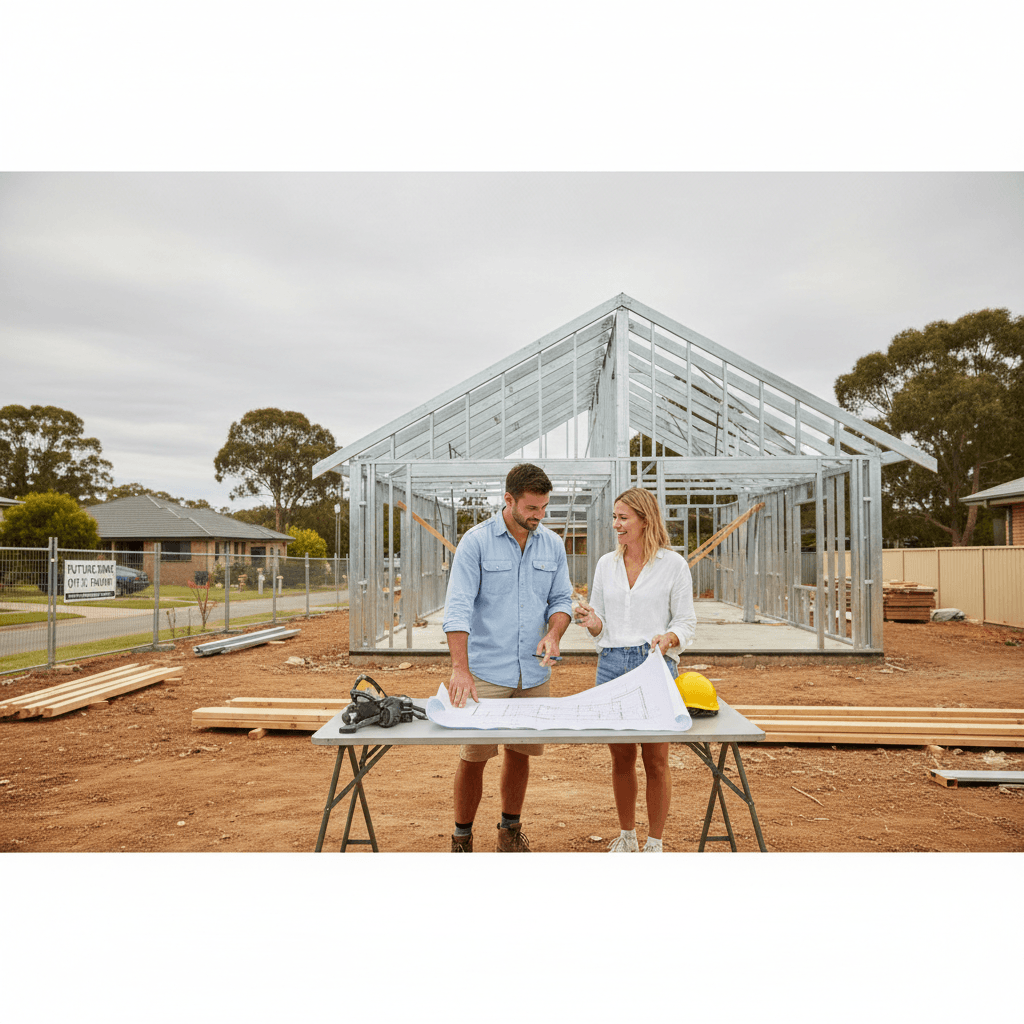
Taking the reins as an owner builder for a compact kit home is an empowering experience. Because you are managing the site works and trades yourself, you have ultimate control over the final aesthetic. When you receive your kit, which includes your frames, roofing, cladding, and insulation, you have the bones of a high-performance home ready to go. The fun part is the fit-out, where your personality truly shines.
Remember to keep a close eye on your insulation. In a small house, temperature fluctuations can be felt more quickly. Using the high-quality insulation provided in your kit ensures that your compact sanctuary stays cool in the Australian summer and warm during those crisp winter nights.
Final Thoughts
Small home living in Australia is about more than just saving space, it is about curateing a life that focuses on what truly matters. By choosing a kit home, you are opting for a path that is organized, durable, and highly customizable. Whether you are building a backyard retreat, a coastal getaway, or your primary residence, the principles of smart design will ensure your home feels like a sanctuary rather than a squeeze.
Embrace the high ceilings, prioritize the view, and don't be afraid to get creative with your storage. With a solid steel frame beneath you and a vision of simplicity ahead, your small kit home will be the base for a very big life.