Embracing the Beauty of Small Scale Living
There is a quiet revolution happening across the Australian landscape. From the rolling hills of the Hinterland to the coastal fringes of Western Australia, more people are swapping sprawling mansions for the thoughtful, intentional lifestyle offered by small kit homes. It is a shift away from 'more is better' towards 'better is better'. Compact living is no longer just about saving space, it is a design philosophy that prioritizes quality, efficiency, and a deep connection to our surroundings.
Choosing a kit home for your small living journey provides a unique opportunity to be involved in the creation of your sanctuary from the ground up. Whether you are building a secondary dwelling for family, a weekend get-away, or your primary residence, the secret to success lies in the design. When every square metre counts, every decision matters. In this guide, we will explore how to make the most of compact floor plans and why the bones of your home are just as important as the finishings.
The Architecture of Openness: Smart Floor Plan Strategies
The biggest challenge of a small footprint is ensuring the home feels airy rather than cramped. This starts with the floor plan. In traditional Australian housing, we often see rooms strictly defined by thick walls and hallways. In a compact kit home, we want to challenge those boundaries.
Prioritise the 'Great Room'
Instead of separate dining, lounge, and kitchen areas, a combined great room creates a sense of volume. By keeping the central living hub open, you allow natural light to penetrate deeper into the home. This creates a sightline from one end to the other, which trickles into the subconscious, making the brain perceive the space as much larger than it actually is.
The Power of High Ceilings
When you cannot build out, build up. Increasing your ceiling height is one of the most effective ways to add luxury and breathability to a small home. Using a steel frame system, like those featuring BlueScope TRUECORE steel, allows for impressive structural spans and vaulted ceilings without the need for bulky support beams. This vertical space can be used for high level windows or even loft storage, keeping your floor area tidy and functional.
Maximising Every Square Metre: Clever Design Hacks
Living small requires a bit of 'Swiss Army Knife' thinking. Your furniture and your fixtures should ideally serve more than one purpose. Here are some practical tips for your interior design phase:
- Pocket Doors: Traditional swinging doors require a significant 'arc' of space to open. By using sliding cavity sliders or pocket doors, you reclaim that floor space for furniture or movement.
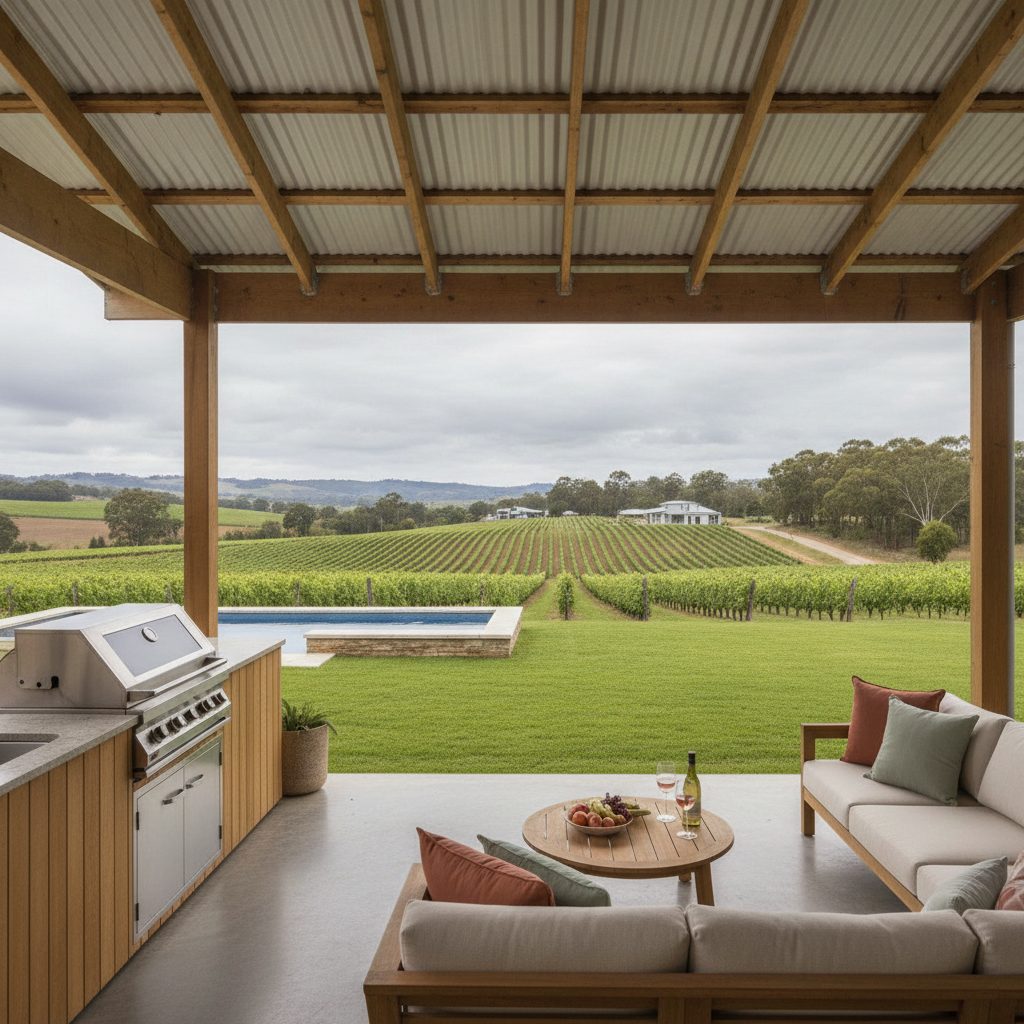
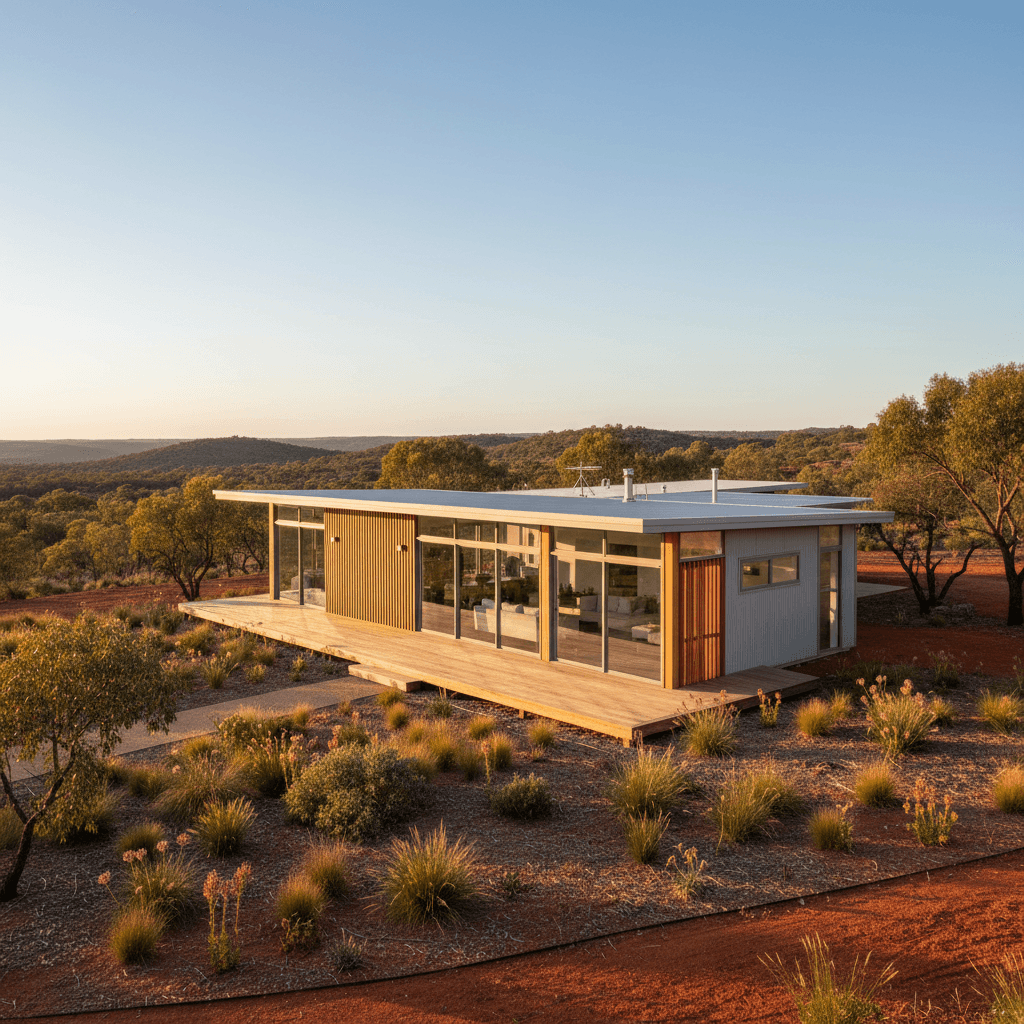
- Window Placement: Strategically placed windows can act as 'living art'. Large glass panels or bi-fold doors that lead onto a deck create a seamless transition between indoors and outdoors, effectively doubling your living area during the warmer Australian months.
- Built-in Joinery: Instead of buying bulky freestanding cupboards, consider built-in cabinetry that runs from floor to ceiling. This uses the full height of the wall and creates a streamlined, tidy aesthetic that prevents visual clutter.
Why the 'Bones' Matter: The Steel Frame Advantage
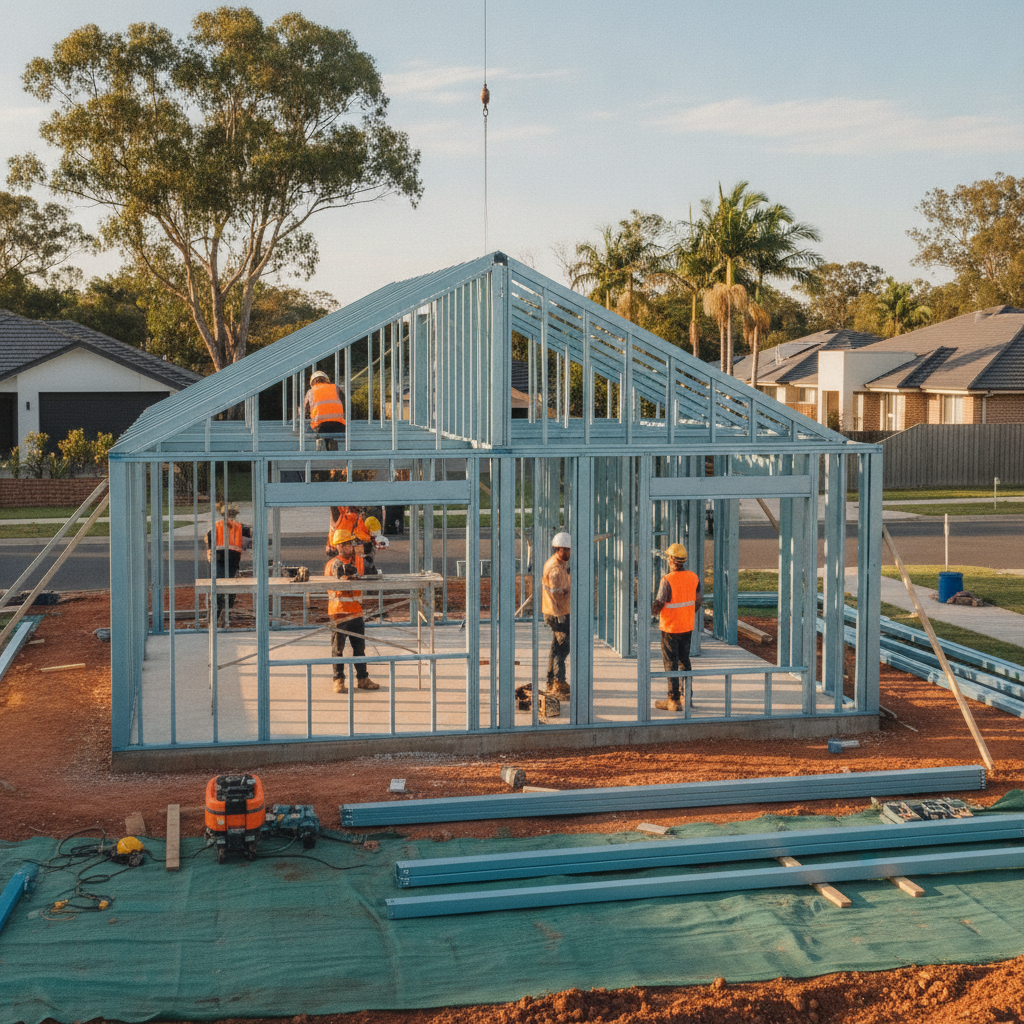
While design and lifestyle are at the forefront of the small home movement, the technical foundation of your kit home plays a massive role in your long term enjoyment. In Australia, we face unique environmental challenges, from termites to harsh weather. This is where steel frame construction shines.
Steel frames provide a level of precision that is hard to match. Because steel does not warp, twist, or shrink over time, your walls stay perfectly straight and your finishes, like tiles and plasterboard, are less likely to crack. For an owner builder, this precision makes the assembly process much more manageable. When every piece is pre-cut to the millimetre using high quality Australian steel, the puzzle pieces fit together exactly as intended.
Furthermore, steel frames are non-combustible. For those building in bushfire-prone areas, this provides an extra layer of peace of mind. The durability of BlueScope TRUECORE steel ensures that your small home is not just a temporary trend, but a generational asset that stands the test of time.
Owner Builder Tips: Navigating Your Small Home Project
Taking on the role of an owner builder is an empowering way to create your home. It allows you to manage the trades, select your own finishes, and truly understand the anatomy of your house. Here are some pointers for those ready to pick up the tools:
1. Master Your Site Orientation
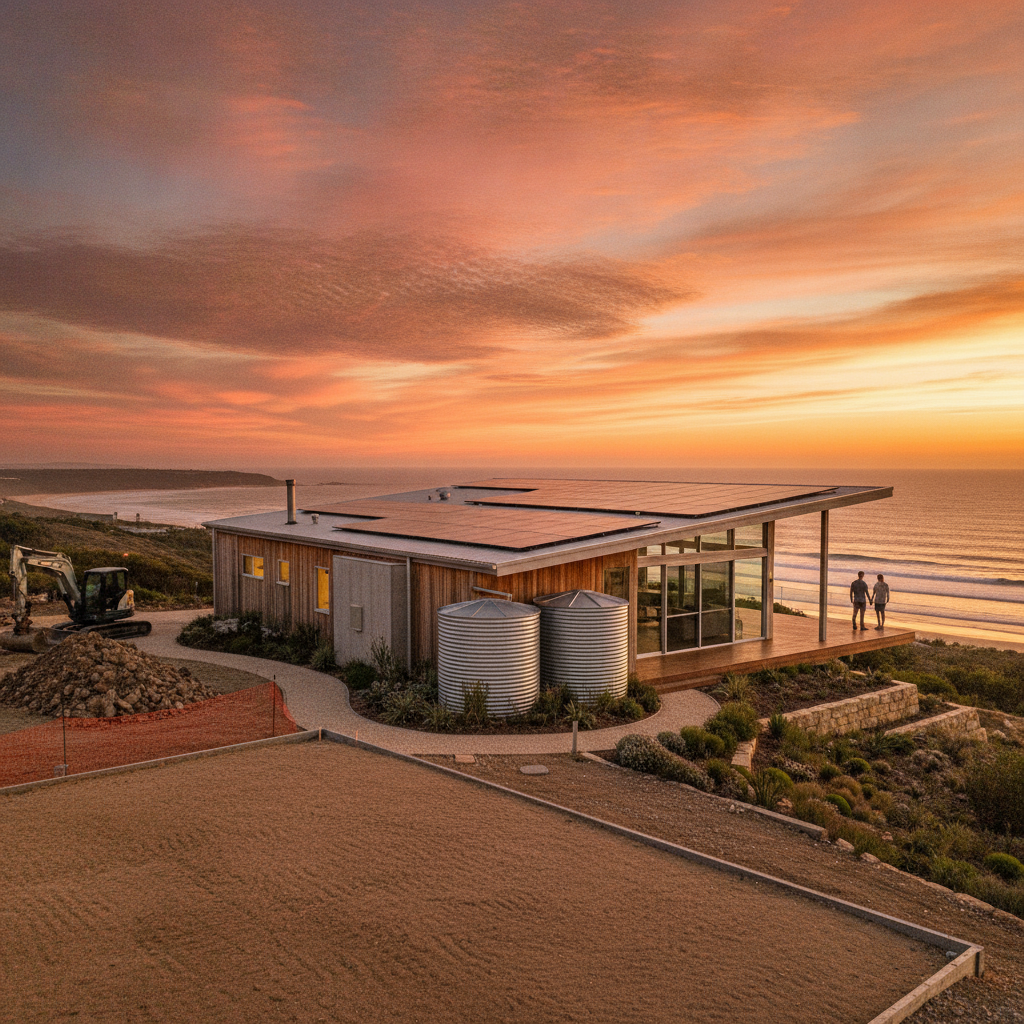
Before the slab is even poured, look at the sun. In Australia, orienting your main living areas and windows to the north will ensure your home stays warm in winter and cool in summer. In a small home, thermal comfort is vital because there is less 'buffer' zone between the outdoors and your living space.
2. Focus on Quality Over Quantity
One of the perks of building smaller is that you may find room in your lifestyle to choose higher quality materials. Instead of basic laminate, perhaps you opt for a beautiful stone benchtop or high-end Australian hardwood flooring. These tactile elements make a small space feel incredibly premium.
3. Organize Your Site Early
As an owner builder, your job is to be the conductor of the orchestra. Ensure your kit delivery is timed with your slab curing and that you have a dry, secure place to store your components. Because kit homes arrive with the frames, roofing, and cladding ready to go, having a clear site plan will make the assembly phase much smoother.
The Lifestyle Shift: Decluttering for Happiness
Designing a compact kit home often forces a healthy lifestyle audit. It encourages us to look at what we actually use and what we hold onto 'just because'. This minimalism is not about deprivation, it is about freedom. Less time spent cleaning and maintaining a massive house means more time spent enjoying the Australian outdoors, pursuing hobbies, or connecting with family.
When you live in a small space, you become more aware of the objects you bring into your home. You start to value craft and story over mass-produced convenience. This intentional way of living is incredibly rewarding and is one of the primary reasons the small kit home movement continues to grow across the country.
Creating Visual Continuity
To make a small floor plan feel cohesive, use a consistent colour palette throughout the entire home. Light, neutral tones help to bounce light around, while consistent flooring from the front door to the back bedroom prevents the space from feeling 'chopped up'. You can add personality through textures, such as linen curtains, wool rugs, or indoor plants, which bring a touch of the Australian landscape inside.
Conclusion
Building and living in a small kit home is a journey toward a more sustainable, focused, and enjoyable way of life. By choosing a design that prioritizes open spaces, high ceilings, and a seamless connection to nature, you can create a home that feels grand regardless of its footprint. With the structural integrity of a steel frame and the personal touch of an owner builder, your compact Australian dream is well within reach. It is time to think small and live big.